_1774494554973.webp)
How to Choose The Perfect Bespoke Hall Runner?
May 27, 2026


When looking for long corridor carpet for businesses, it's especially important to find the right balance between how the hall runner looks and how well it works. Making the right choice means looking at the type of material used, how it can be customized, how reliable the source is, and how it needs to be installed. By understanding these factors, you can be sure that the buying choice you make will last, meet safety standards, and fit in with the look of your project while also keeping costs low and delivery times on track.
Understanding Bespoke Hall Runners and Long Corridor Carpets
Bespoke hall runners are made of special fabrics that are designed to work in high-traffic transitional areas where both function and style are important. These custom floor covers aren't like general broadloom; they're made to meet the specific needs of hospitality halls, business circulation zones, and institutional passageways.
What Defines a Bespoke Hall Runner?
For long, narrow rooms, a handmade hall runner is a carpet that is specially made to fit those shapes. These goods are not the same as regular hallway rugs because they are made to fit certain spaces and have patterns and sizes that are unique to them. Customization goes beyond just size; it also includes brand integration, safety features, and acoustic qualities that turn clean hallways into comfortable, useful rooms. Modern custom runners get rid of the "tunnel effect" by strategically placing patterns and blocking out noise, which is very important in places where noise transfer makes it hard to do work.
Key B2B Applications Across Industries
Hotels and resorts use custom hall runners to make the guest experience unique while also keeping up with moving service equipment and luggage carts. Corporate office buildings use these solutions to define traffic lines and lower reverberation in open-plan design. They often choose modular forms that can be replaced in certain places. Healthcare facilities favor low-profile designs with antimicrobial treatments and moisture shields that can't be broken through.
This makes sure that people in wheelchairs can get to the facilities while still following infection control rules. Custom runners are used by real estate developers to make homes stand out and match the architectural goals of residential towers and mixed-use buildings.
Core Criteria for Choosing the Perfect Bespoke Long Corridor Carpet
When choosing rugs for hallways, procurement managers have to make a number of choices. A structured review system lowers risk and makes sure that the powers of the product match the needs of the project.
Material Composition and Performance Specifications
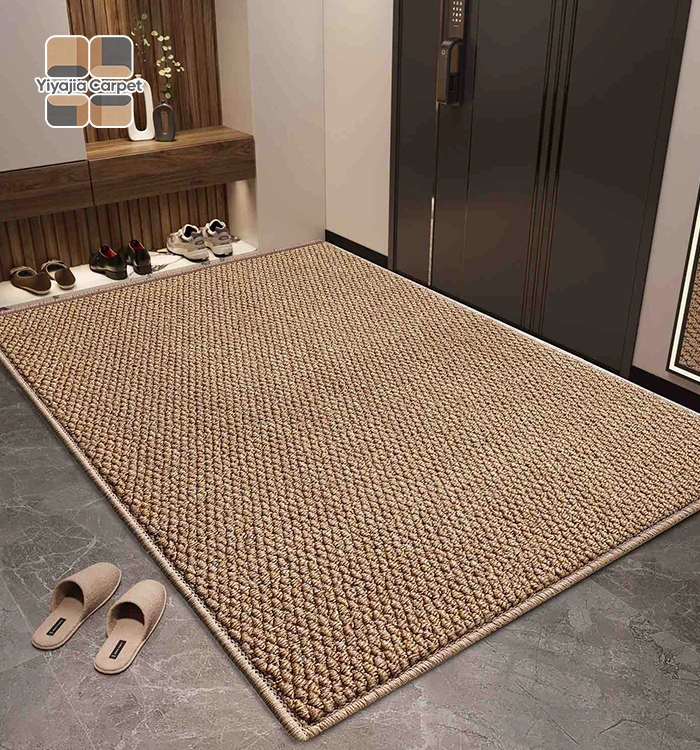
Understanding the features of the material is the first step in choosing a carpet for a hallway. The look of fine fake cashmere surfaces is luxurious, and they are easier to clean than real fibers. While still looking soft, this synthetic option doesn't stain like wool mixes. The backing system is just as important—TPR thermoplastic rubber is very stable in terms of size and doesn't slip, so you don't need to use different support systems. The machine-woven design and edge locking keeps the fabric from tearing even when it's being used for a long time, which is a common problem with lower-quality goods. Environmental approvals, such as CE and ROHS compliance, make sure that the product meets the rules in all foreign markets and is safe for use in sensitive areas.

Safety Features and Compliance Standards
Fire safety is important for long corridor carpet because corridors are the main ways to get out of a building in an emergency. The carpets you choose must have the right flame spread ratings and key radiant flux values that meet building code standards. Anti-slip backing systems help people who have trouble moving around and lower your risk of responsibility when it's wet. In addition to following the law, smart buyers check the amounts of VOC emissions and allergen tolerance, especially when they are in the healthcare or education sectors, where the quality of the air inside directly affects the health of the people who live or work there.
Customization Capabilities and Design Flexibility
The great thing about custom runners is that they can be changed to fit your needs. With heat transfer printing, you can make copies of any pattern, from company logos to wayfinding signs, without having to pay for expensive tools like you would in traditional manufacturing.
Laser cutting can handle both irregular forms and exact sizes, so there's no need to make changes in the field that hurt the look or performance. Look at possible suppliers based on how many customized items they require as a minimum order. Manufacturers that allow size and color changes starting at 50 pieces show flexibility that works well for small projects and staged growth. Logo integration with quick turn-around times helps with brand promotion projects that don't need long wait times.
Types and Materials: Matching Solutions to Specific Use Cases
Different operating situations call for different material tactics. When you know the performance range of your choices, you can avoid expensive mismatches between what the product can do and what the setting needs.
Synthetic Versus Natural Fiber Systems
For business purposes, faux cashmere and other fake materials have a lot of benefits. These materials keep their color better when exposed to UV light, don't let water in, which can cause bacteria to grow, and keep their look even when they're being used a lot. Although natural wool mixes naturally avoid fire and feel soft and luxurious, they need more care and are more expensive because of it. These qualities are tried to be balanced by blended systems, but they often lose some of the strengths of pure compositions.
Backing Technologies and Installation Compatibility
With TPR thermoplastic rubber backing, you don't need separate carpet covering because it cushions and absorbs sound. This unified method makes installation easier and lowers the overall system width, which is important in places where doorways aren't very wide. The non-slip properties of the material work reliably on concrete, tile, and vinyl floors that are already in place. Some backing systems have moisture barriers that are necessary for installations on the ground floor or in areas that are likely to get spills. However, these barriers may make it harder for the material to breathe in places where vapor transfer is important.
Aesthetic Considerations and Pattern Engineering
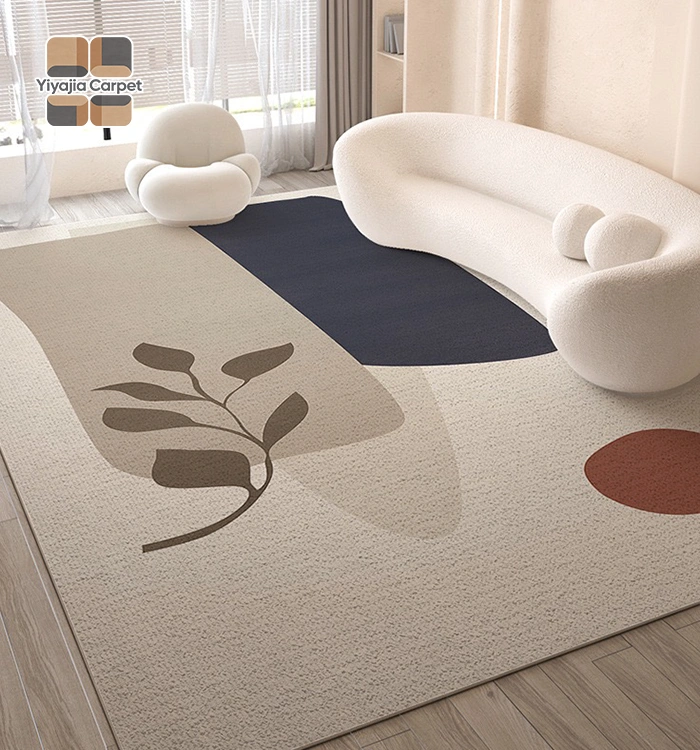
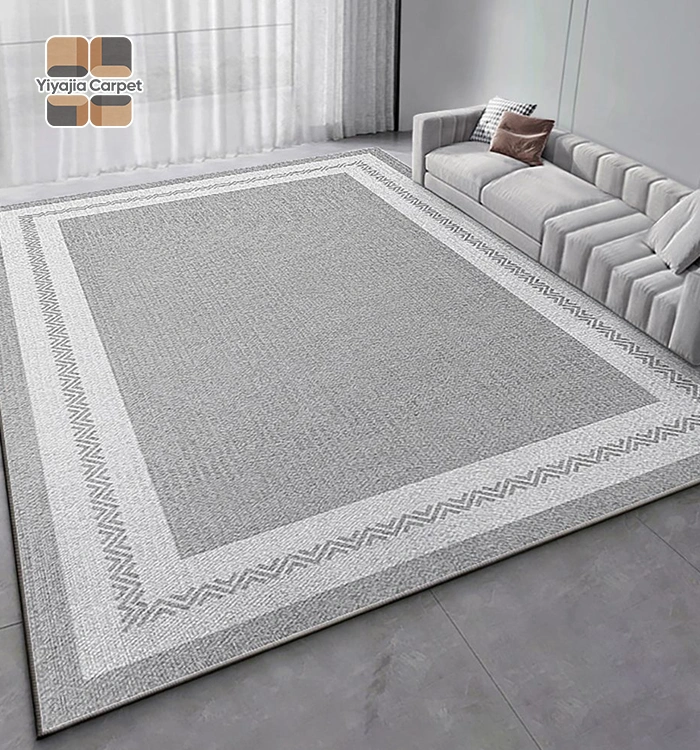
Pattern choice affects how long a hallway seems and how the space feels. Directional designs can help with circulation or create a rhythm in the visuals, and abstract textures can hide dirt that builds up between maintenance rounds. Custom images help with branding goals, but they need to be carefully scaled so they don't look too big in small areas. Color psychology plays a small but measurable part. Neutral color schemes for long corridor carpet always look good, while saturated colors make an impact that lasts, but they may make it harder to change the design when the building needs to be renovated in the future.
Practical Considerations: Installation, Maintenance, and Cost Efficiency
As part of a successful procurement process, factors that affect the total cost of ownership and operating efficiency over the course of a product's lifecycle are also taken into account.
Installation Methods and Professional Requirements
Double-stick installation methods offer better dimensional stability, which is important for high-traffic areas. They stop stretch-in installations from buckling and spreading when heavy loads are applied. If you plan the seams correctly during the takeoff phase, the joints will fall in doors or alcoves instead of in the middle of traffic tracks. Pattern matching at corners requires skilled work and extra materials to keep the look consistent, which is something that isn't always taken into account when budgets are made. Products that are easy to install cut down on labor costs and project timelines, which makes them appealing to writers who are working on multiple projects at the same time.
Maintenance Protocols and Durability Expectations
Commercial corridor rugs get a lot of use, which speeds up wear along the main tracks. Solution-dyed fibers don't turn gray over time like traffic lanes do, which makes the surface look worse. Also, dense pile building better spreads load forces. Instead of standard hot water extraction, which can damage backing systems and make drying times longer, maintenance plans should focus on encapsulation cleaning systems that stop dust from coming back. Edge-locked design stays together even after many cleaning cycles without threads coming loose. By setting clear care standards with facility management teams during the specification process, you can avoid replacing things too soon because they look bad instead of because they are structurally failing.
Financial Analysis and Procurement Strategy
Price per square meter offers partial cost visibility without considering installation difficulty, upkeep needs, and replacement intervals. Buying in bulk can save you money, which is important for groups of properties or phased projects. Manufacturers with a daily production capacity of 2,000 square meters or more show that their operations are mature enough to handle tight project deadlines. Options for packaging, such as foldable forms, make the best use of containers, which lowers the cost of shipping for foreign orders. Payment terms and sample policies show how confident a seller is in you. For long corridor carpet, makers who cover the cost of samples or offer quick turnaround show that they want to work with you as a partner instead of just as a customer.
Trusted Brands and Supplier Selection for Bespoke Long Corridor Carpets
When choosing a supplier, there are effects on more than just the quality of the product. These effects include stability, support infrastructure, and strategy alignment. Due diligence stops partnership fails that mess up project plans and hurt relationships with clients.
Evaluating Manufacturer Credentials and Capabilities
Leading carpet makers set themselves apart by using certified quality management systems, such as ISO 9001, which show that they are committed to process control and ongoing growth. Environmental approvals like OEKO-TEX back up claims about chemical safety and pledges to sustainability that institutional buyers are asking for more and more.
Investing in production technology like heat transfer printing and laser cutting shows that manufacturing has become more advanced, allowing for real customization instead of just changing standard goods. Clear quality control methods and pre-shipment inspection plans lower the number of defects and the costs of fixing them.
Supply Chain Reliability and After-Sales Support
Delivery success has a direct effect on the key paths of the project and on how happy the client is. When suppliers keep specific business liaisons for return customers, they can be sure of their schedules and communicate with them ahead of time when capacity is limited. Bulk order quality assurance policies that cover manufacturing flaws with free repair and freight reimbursement show that you trust that the production will be consistent.
Large or small projects can be handled by mature export shipping companies with lead times that can be controlled for both full and empty containers. Professional help with paperwork and customs declarations makes foreign trade easier. This is especially helpful for buyers who do business in multiple places with different rules and regulations.
Case Study: Hospitality Sector Deployment
A mid-sized hotel management business is looking for corridor flooring to update its collection. This is an example of a good supplier relationship. The procurement team gave priority to makers who could make samples quickly. Stakeholders could review 1:1 prototypes within 48 hours, which didn't slow activities that were on the critical path. The ability to customize meant that small brand features could be added to designs that met franchise standards.
The chosen seller could integrate logos in just seven days, which allowed for gradual rollouts across all sites without the risk of inventory going out of date. After the carpet was installed, facility teams were trained on care protocols to make the carpet last longer and keep its good looks between replacement rounds.
Conclusion
When looking for the right custom hall runner or long corridor carpet, you have to weigh the pros and cons of performance, looks, price, and functionality. When procurement professionals carefully look at material requirements, sourcing abilities, and lifecycle factors, they put their companies in a better position to create great built settings while keeping costs and risks under control. Modern business projects are very complicated, so manufacturing partners need to show that they are technically skilled, reliable, and truly committed to the success of their clients, rather than just being there to make a sale.
FAQ
What distinguishes bespoke hall runners from standard corridor carpets?
Instead of picking from a set collection, bespoke hall runners let you change the sizes, patterns, and functions to suit your needs. This includes exact measurements for odd-shaped rooms, brand integration with custom images, and performance tuning for certain traffic patterns or weather conditions. While standard corridor rugs are cheaper for general uses, they aren't flexible enough for the unique needs of business settings.
How do I verify fire safety compliance for corridor carpeting?
For egress route use, corridor rugs usually need to pass Critical Radiant Flux tests according to ASTM E648 standards, getting Class I ratings of more than 0.45 watts per square centimeter. Ask for test records from approved labs and make sure they are in line with local building rules, which may have requirements above and beyond the minimum standards. Certifications like EN 1350 give European market projects even more proof that they are real.
What minimum order quantities should I expect for customized products?
Modern makers let you change the size and color of an item starting at 50 pieces, so small projects can get unique solutions. Logo integration may have different requirements, but it should still be possible with enough orders. Suppliers who set too high of minimums usually don't have a lot of manufacturing options or are trying to make up for inefficient operations by requiring too much volume.
Partner with Yiyajia Carpet for Your Custom Corridor Solutions
Yiyajia Carpet offers complete custom hall runner options backed by cutting-edge production technology and service that is focused on the customer. We can print with heat transfer and cut with a laser in any shape or pattern, so you have complete freedom in your design without sacrificing output speed. As an experienced long corridor carpet seller, we keep our daily production capacity at 2,000 square meters and make sure that all of our bulk orders get the same quality results by inspecting them carefully.
Our approvals, such as CE, ROHS, ISO 9001, REACH, OEKO-TEX, and EN 1350, give customers trust in our products in foreign markets. We can work with projects of all sizes because our MOQ for customizing size and color starts at just 50 pieces. Sample production gives you 1:1 samples in 24 to 48 hours, which shortens the time it takes to make a choice. You can email our team at sale@yyj-carpet.com to talk about your specific needs and get quotes that are suited to your buying criteria.
References
1. Commercial Carpet Standards and Testing Protocols. Carpet and Rug Institute Technical Bulletin Series, 2022.
2. Henderson, M. & Thompson, R. Flooring Solutions for High-Traffic Commercial Environments. Architecture Press, 2021.
3. Textile Fire Safety Regulations in International Building Codes. International Fire Safety Council, 2023.
4. Patterson, L. Acoustic Performance of Interior Finishes in Hospitality Design. Journal of Architectural Acoustics, Vol. 18(3), 2022.
5. Rodriguez, C. Sustainable Material Selection for Commercial Interiors. Green Building Institute, 2023.
6. Best Practices in Commercial Carpet Procurement and Lifecycle Management. Facility Management Association White Paper, 2022.