_1774494554973.webp)
How long do stair floor mats typically last?
August 11, 2026


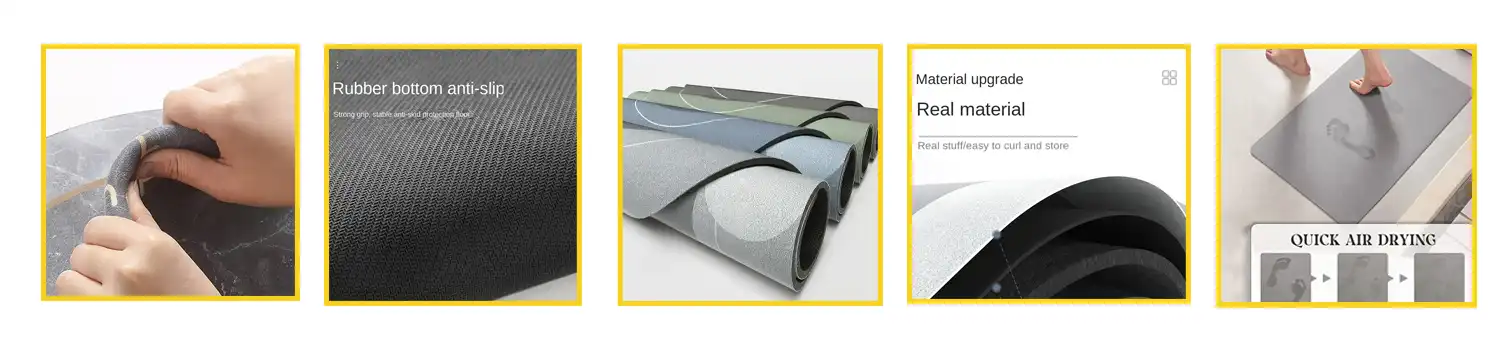
Stair floor mats generally last between 1 to 5 years depending on material composition, traffic intensity, and maintenance practices. Rubber-backed mats with high-density construction typically outlast lighter carpet alternatives by 30-50% in commercial environments. Diatom mud technology mats, featuring a three-layer construction with rubber backing and 1600g/m² weight, demonstrate exceptional longevity even under heavy foot traffic conditions. Their laser-cut precision edges prevent premature fraying, while the anti-stain surface treatment resists common wear patterns that shorten mat lifespan in hospitality and retail settings.
Understanding Stair Floor Mats and Their Lifespan
Stair floor mats are an important part of safety structures in homes, businesses, and factories. These special protective treads work differently than regular area rugs because they are made to fit the unique shape of staircase floors. In addition to being decorative, their main uses are to lower risk through higher friction coefficients, protect substrates from contact damage, and reduce noise in buildings with multiple floors.
Material Composition Determines Baseline Durability
The lifespan calculation starts with the choice of material. Traditional carpet mats look nice, but when a lot of people walk on them at once, the pile gets crushed faster. Different types of rubber are more durable and won't slip even after thousands of runs. New diatom mud technology uses mineral compounds that are absorbent and give surfaces the comfort of textiles and the durability of synthetics. Traditional stair floor mats often break down when they get wet, but this new material doesn't break down when it gets wet.
Traffic Patterns Shape Realistic Lifespan Expectations
Different performance standards are needed for commercial spaces with 500 or more stair trips per day compared to homes. The nosing ends of a hotel stairs get worn down the fastest because that's where people's feet hit them the most. During work hours, office buildings get a steady flow of moderately heavy traffic. In retail settings, things like wheeled carts and cleaning tools can make things more complicated. Knowing these patterns of use helps buying pros set correct budgets and replacement plans.
Environmental Conditions Accelerate or Extend Service Life
Exposure to moisture is the main environmental threat to mat longevity. In humid places, entryway stairs are always wet, which helps mold grow and causes the backing to wear down. In stairwells that get a lot of sun, UV light breaks down some types of rubber. In the workplace, chemicals can damage fiber systems and adhesive ties. High-quality mats with surfaces that dry quickly and materials that don't fade when exposed to UV light work well against these environmental stressors.
Key Factors Influencing the Longevity of Stair Floor Mats
Durability isn't just about the material you choose. If mats last for months or years, it depends on a lot of interconnected factors. This is why thorough evaluation is important for decisions about big purchases.
Material Quality and Engineering Standards
The best mats are made with high-density technological velvet fabric structures that don't compress. The 3mm thickness gives enough padding without making the surface dangerous to trip on, and it keeps the structure's integrity even after being stressed over and over again. Stair floor mats must also be evaluated for their backing methods, which are very important. Thermoplastic rubber (TPR) works better than regular latex because it stays sticky on finished stairs without leaving a film. The weight standard of 1600g/m² means that the material is very dense, which stops it from moving and bunching, which can be dangerous and speed up wear.
Installation Method Impact on Performance
When installation is done wrong, the possible usefulness is cut by a huge amount. When you step on a loose-lay mat that doesn't have enough backing, it slips a little bit, which causes the edges to curl and the mat to fail early. Peel-and-stick types depend on how well the surface is prepared. Dust, wetness, or leftover cleaning products can stop adhesive from working right, which causes it to come off quickly. Professional fitting that includes cleaning the surface well and making sure the mats are lined up correctly extends their useful life by making sure they work the way they were meant to from the start.
Usage Intensity and Maintenance Protocols
A mat that was made for 200 daily passes quickly breaks down when 800 people walk on it at once. By matching product specs to actual use, you can avoid having to pay for replacements too soon. Maintenance habits have a direct effect on how long someone lives. When you clean every day, you get rid of the rough grit particles that rub against fibers like sandpaper. Stains that get embedded in the pile structures can be avoided by damp cleaning once a week. Deep cleaning every three months brings back surface treatments that keep them slip-resistant. Industry maintenance studies show that ignoring these rules can cut the expected lifespan by 40–60%.
Comparing Durability: Carpet, Rubber, and Diatom Mud Stair Floor Mats
For procurement teams in charge of large-scale projects, choosing the right materials is the most important decision they make when it comes to longevity. Each group has its own set of performance traits that meet the needs of different operations.
Rubber Mats in High-Traffic Commercial Settings
Pure rubber treads work best in industrial settings where resistance to chemicals and long life are more important than how they look. Their coin-top or diamond-plate textures keep friction coefficients above 0.6 even when they're wet, which means they meet OSHA standards for fall protection. Vulcanized rubber can stand up to extreme temperatures and UV rays that would destroy carpets in just a few months. Warehouses and factories can expect things to last between 3 and 5 years with little upkeep. On the other hand, there aren't many ways to customize it, and it looks too formal for use in dining settings.
Carpet Mats for Aesthetic Applications
Traditional carpet stair treads provide unmatched visual warmth in high-end homes and businesses. Natural wool is more likely to fade and damage than solution-dyed plastic fibers, but neither is as durable as rubber. In areas with moderate traffic, these mats should last between one and three years before they start to show signs of wear. Their softer surface is better for sound because it lowers noise from footsteps by 20 to 30 decibels. When buying carpet, people tend to put looks and comfort ahead of durability, so they're willing to change it more often.
Diatom Mud Technology Bridges Performance Gaps
Modern diatom mud mats are an example of engineering innovation that gets around the problems that traditional materials have. The mineral-based top layer soaks up water right away, getting rid of the slip dangers that carpet and rubber both have when it's wet. This ability to dry quickly stops the mold growth that shortens the life of carpets while keeping the flexibility that rubber lacks in terms of looks. The high-density technological velvet fabric structure makes the floor comfortable to walk on without sacrificing the durability that businesses need. Three-layer construction with a rubber backing gives stability similar to pure rubber mats and lets you choose colors and patterns that aren't possible with regular materials.
Procurement Considerations for Long-Lasting Stair Floor Mats
When you buy in bulk, it's important to compare more than just the unit price. You should also look at the total cost of ownership, which includes installation, upkeep, and repair schedules. For stair floor mats, this long-term view is especially critical because their durability directly affects replacement frequency and maintenance labor. When making strategic procurement choices, people know that the lowest starting cost doesn't always mean the best long-term value.
Total Cost of Ownership Analysis
A $30 mat that lasts 18 months costs more each year than a $50 mat that lasts 36 months. Think about the cost of installation labor, the cost of disposal, and the downtime that will be needed during the replacement. Clear price systems that take into account the need for customization are good for commercial projects. OEM and ODM services let you match specifications without sacrificing style. Flexible minimum order quantities allow for phased rollouts across multiple properties while keeping the price benefits of buying in bulk.
Supplier Reliability and Support Infrastructure
Quality and delivery performance must be consistent for supply partnerships to last. When manufacturers use 100% pre-shipment checking methods, they get rid of the costly defects that cause projects to be late. Certifications like OEKO-TEX, ISO 9001, and REACH compliance show that the product meets standards for manufacturing that make sure that each batch is the same. Comprehensive warranties that come with replacement guarantees lower the risk of buying something. Quick technical support helps choose the right products for different uses, avoiding mistakes that cause them to fail too soon.
Customization Capabilities for Complex Projects
Standard sizes don't always work for all stairs configurations. Laser cutting technology makes it possible to match exact measurements without having to buy a minimum number of items, which drives up the cost of smaller projects. Heat transfer printing lets you use any pattern you want, so you can use color coding to help people find their way around business sites or integrate your brand into the design. Shipping costs are lower per unit for foreign orders when the packing is export-standard and designed to fit into containers. Professional help with paperwork and customs makes buying things across borders easier and faster, avoiding delays in clearance.
Recommendations and Best Practices to Maximize Stair Floor Mat Lifespan
Systematic approaches are needed for mat selection, installation, maintenance, and planning ahead for replacement in order to extend mat service life. With these steps, stair safety goes from being a regular cost to being a controlled advantage.
Matching Specifications to Application Requirements
For residential renovations with hardwood stairs, you need a mat with a non-marking rubber backing that won't damage the finish over time. Industrial stairs that are outside need to be able to drain water and be made of UV-stabilized materials. Older people's homes need low-profile builds that allow for walker stability and high-contrast nosing separation. By matching these specific needs to product specs, performance problems that need to be replaced early can be avoided. Before making a procurement choice, the application setting should be carefully evaluated.
Installation Best Practices for Maximum Adhesion
Surface preparation affects how well the fitting goes. Use degreasing agents to clean the stairs, let them dry completely, and make sure the room temperature is right for activating the adhesive. When putting stair floor mats down for the first time, be careful not to move them because it can damage the adhesive bonds. To get rid of air spaces, apply hard pressure across the whole backing area. Give structures the required amount of time to cure before putting them in use. These small steps have a big effect on how well stair floor mats stay in place over the course of their useful life.
Maintenance Schedules That Preserve Performance
Set up cleaning procedures that are right for the type of material and the amount of traffic. For carpet-topped mats, daily dry cleaning gets rid of rough particles. Weekly damp mopping with pH-neutral cleaners keeps diatom mud surface treatments in good shape without affecting its ability to absorb water. Deep cleaning your pile once a month improves its strength and gets rid of any buried dirt. If the maker doesn't say to use strong chemicals or steam cleaning, don't do it. These can damage the backing or surface treatments. Keep track of when repair is done so that trends can be found if there is premature wear.
Proactive Monitoring and Strategic Replacement
Check mats every three months for signs of wear like fraying edges, backing coming apart, traffic paths getting narrower, or less slip resistance. Fix small problems by fixing them one at a time before they ruin the whole mat. Instead of waiting for complete failure, set replacement levels based on safety standards. By ordering replacement mats in bulk when the old ones reach 70–80% of their expected lifespan, you can avoid having to make expensive emergency purchases. This strategic method makes sure that safety standards are always met while also making the best use of procurement funds.
Conclusion
Anti-slip stair mat is a critical component in high-traffic commercial environments. Stair floor mats last between 3 and 5 years in tough business settings. For procurement to go well, you need to look at the total cost of ownership instead of just the initial price, and you should choose sources with quality systems that have been proven to work and the ability to make changes as needed. Slip resistance and structural integrity are maintained throughout the span of a product by making sure it is installed correctly and maintained regularly. Strategic replacement planning based on tracking wear keeps long-term costs low for properties with multiple stairs setups and stops safety issues.
FAQ
How do backing materials affect mat lifespan on different stair surfaces?
Thermoplastic rubber backing keeps things in place on wood, brick, and concrete without using chemical glues that leave behind dust or damage finishes. This type of backing uses molecular surface tension instead of sticky compounds, so it doesn't break down as quickly as mats that depend on sticky compounds. If you choose the right backing for the base type, it can last 40% longer than if you choose the wrong mix.
What maintenance mistakes most commonly reduce stair mat durability?
When you use harsh chemical cleaners, they destroy surface treatments that make things stain-resistant and dry quickly. When you steam clean, you create too much wetness, which soaks into the backing layers and causes them to separate. When you don't vacuum regularly, grit builds up and wears down fibers from the inside out. These mistakes that can be avoided can cut in half the expected life of even high-end products.
Can damaged mats be repaired or must they be fully replaced?
People who work with textiles can re-sege carpet-topped mats with minor edge fraying. Specialty adhesive application can sometimes fix isolated backing separation. When traffic ways are crowded or worn out all over, they need to be replaced completely because spot fixes can't make them slip-resistant again. When it comes to safety, a full replacement should always be chosen over minor repairs.
Partner with Yiyajia Carpet for Reliable Stair Floor Mats Supply
Yiyajia (Tianjin) Carpet Co., Ltd. makes high-quality stair floor mats that are designed to last for a long time in business settings. They do this by using advanced heat transfer printing and precise laser cutting technologies. Our diatom mud mats are made of 1600g/m² high-density material and have rubber backing systems that keep their grip without damaging the ground. Full OEM and ODM customization lets you get exactly what you want in terms of size, pattern, and performance. Every order is inspected before it is shipped to make sure that the quality is the same across all bulk volumes.
Our manufacturing standards meet international compliance standards as shown by our CE, OEKO-TEX, ISO 9001, and REACH certifications. Dedicated account management lets you get samples quickly (within 24 to 48 hours) and makes it easy to plan your orders so they arrive on time every time. Email our purchasing team at sale@yyj-carpet.com to talk about volume pricing for your commercial stair floor mats supplier needs and to get product suggestions that are tailored to your specific application environment.
References
1. National Floor Safety Institute. "Walkway Auditing Guidebook: Slip Resistance Testing and Standards." 2019 Edition.
2. American Society for Testing and Materials. "ASTM D2047: Standard Test Method for Static Coefficient of Friction of Polish-Coated Flooring Surfaces." Annual Book of Standards, Volume 15.04.
3. Occupational Safety and Health Administration. "Walking-Working Surfaces and Personal Protective Equipment (Fall Protection Systems)." Federal Register, Volume 81, Number 223, 2016.
4. Textile Research Journal. "Durability Assessment of Stair Tread Coverings Under Simulated Foot Traffic Conditions." Volume 88, Issue 12, 2018.
5. Building and Environment Journal. "Acoustic Performance of Floor Covering Materials in Multi-Story Residential Buildings." Volume 142, September 2018.
6. International Journal of Industrial Ergonomics. "Slip Resistance Degradation of Safety Flooring Materials in Commercial Settings." Volume 64, March 2018.