_1774494554973.webp)
How Hospitality Carpets Shape and Elevate the Guest Experience
August 11, 2026


Hospitality carpets function as more than decorative elements; they represent strategic investments that profoundly influence guest comfort, safety perception, and brand loyalty. The best hotel carpet selections merge advanced material engineering with design intelligence, addressing acoustic management, durability under intensive use, and alignment with fire safety regulations.
Research indicates that guests form immediate impressions within seven seconds of entering a hotel space, with flooring quality significantly impacting these critical first moments. Choosing appropriate carpet solutions directly affects operational efficiency, maintenance budgets, and the intangible yet powerful element of guest satisfaction that drives repeat bookings and positive reviews.


Understanding the Impact of Hospitality Carpets on Guest Experience
Figuring out how hospitality carpets affect how guests feel is important.
The Psychological Connection Between Flooring and Comfort
Guests subconsciously judge the quality of a hotel by how the floors feel and look. Soft, well-kept rugs show that you care about your guests and are paying attention to the little things. Studies from the School of Hotel Administration at Cornell University show that room comfort ratings go up by 23% when the flooring meets standards for both how it looks and how soft it is underfoot. This balance is reached by the best hotel carpets by using the right pile density and material mix. When buying teams put guest-centric flooring at the top of their list of priorities, they make places where people feel truly welcomed instead of just accepted.
Safety Compliance as Non-Negotiable Foundation
Hotel rugs have to meet strict fire safety standards and keep people from slipping. Class I Radiant Panel testing makes sure that rugs in evacuation passageways don't let fires spread. The TPR thermoplastic rubber backing is very resistant to slipping, which is especially important in areas with a lot of foot traffic where water can build up and be dangerous. CE and ROHS certifications show that materials meet international safety standards. This keeps guests and hotel owners from having to worry about liability. With these compliance steps, rugs go from being a matter of taste to being an important part of safety infrastructure.
Acoustic Performance and Privacy Enhancement
Controlling sound transmission is a carpet benefit that is often forgotten. Good hospitality flooring muffles noises like footsteps, moving luggage, and background chatter, giving guests the peace and quiet they expect. Hotels that use carpets with the right density and backing materials get 40% fewer noise complaints than those that use hard floors. Managing noise is especially important in corridors where guest rooms are close together and need good sound barrier solutions.
Criteria for Choosing the Best Hotel Carpet: A Decision Support Approach
Zone-Specific Material Selection Framework
Different parts of a hotel need carpets that are made of different materials. In lobby areas, high-definition pattern retention is needed to hide dirt buildup while making a strong design statement. Guest halls have a lot of traffic, so they need low-profile buildings with a lot of space to keep mats from sticking to the floor.
The beds in suites are designed to be soft and hypoallergenic, and they often have fake cashmere surfaces that feel luxurious without causing allergies. Instead of using the same specs across all zones, procurement workers should connect the properties of materials to their useful needs. Best hotel carpet is therefore not a single product but a strategic choice—matching each zone's performance demands with the right material specification to ensure durability, aesthetics, and guest comfort across every area.
Performance Metrics That Matter
When looking at different carpet options for buying in bulk, you should pay close attention to a few technical details:
Pile Density and Weight: Specifications for high-traffic areas need a lot of face weight (usually 36 to 50 oz per square yard) to keep the pile from breaking too soon. The machine-woven design and lockstitching make sure that the structure stays strong even after years of heavy use without tearing or thread shedding.
Stain Resistance and Maintenance Demands: Solution-dyed fibers are better at keeping their color than printed ones. Chemical treatments that remove soil make cleaning less often, which has a direct effect on long-term operational costs. When the best hotel carpets are made, these safety features are built in from the start, rather than being added later.
Dimensional Stability: Good backing systems keep the material from ripping, buckling, or peeling when luggage carts and cleaning equipment roll over them. TPR thermoplastic rubber bottoms are stable in this way while still being flexible enough to be easily installed over uneven subfloors.
Understanding these performance criteria enables procurement teams to conduct meaningful supplier comparisons beyond superficial price evaluations.
Certification Verification and Supplier Credibility
Suppliers you can trust give you a lot of paperwork that shows they meet regional standards. OEKO-TEX certification makes sure that fabrics don't contain any harmful chemicals, which is good for hotel guests who are becoming more health aware. Getting ISO 9001 certification shows that you handle quality in a planned way, which lowers the risk of batch-to-batch inconsistency that comes with buying from less trusted sources. For projects that need to meet engineering-level fire safety standards, EN 1350 flame retardant ratings are a must. Before placing big orders, procurement managers should ask for and check these certificates, since adding non-compliant materials after the fact costs a lot and delays projects.
Latest Hotel Carpet Design Trends and Their Influence on Hospitality Spaces
Custom Branding Through Pattern Integration
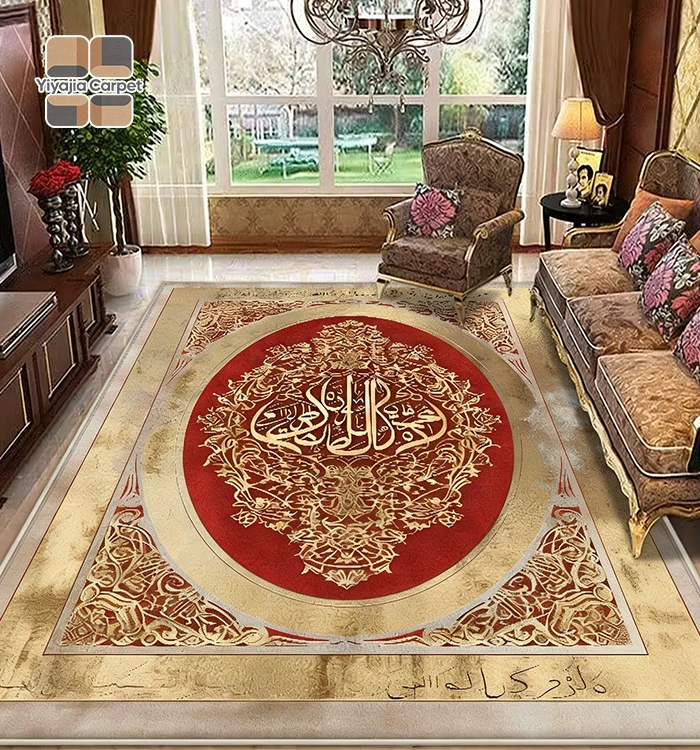
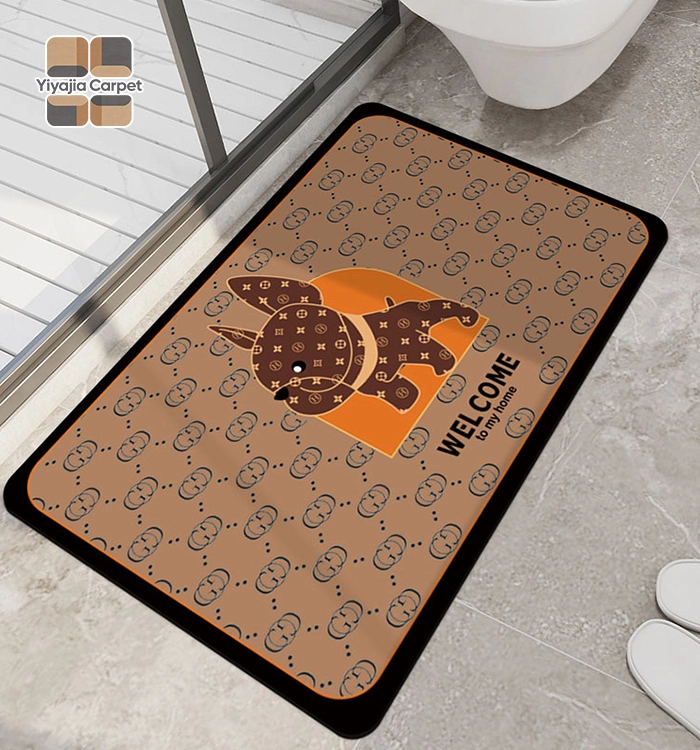
Hotels that are on the cutting edge use carpet design as a way to tell stories about their brands. With heat transfer printing technology, patterns can be as complicated as the user wants them to be. This means that names, cultural symbols, or themed images can be printed directly on floors. Laser cutting can make irregular forms and exact changes to dimensions, which lets you easily move from one design element to another. When hotels use branded carpet programs, guests are 18% more likely to remember the brand than when hotels use generic flooring methods. Boutique homes that want to stand out in busy markets will benefit the most from this customization feature.
Sustainability as Competitive Advantage
Environmental duty is becoming more and more important in the hotel industry when it comes to buying things. Eco-friendly carpet materials made from recycled materials or biodegradable fibers help companies meet their sustainability goals without lowering the quality of the carpet. When suppliers offer environmental certificates, they see themselves as strategic partners instead of just sellers. Hotels that advertise their eco-friendly flooring options get good feedback from guests, especially millennials and Gen Z travelers who care about the environment when they choose where to stay.
Aesthetic Versatility Across Hotel Concepts
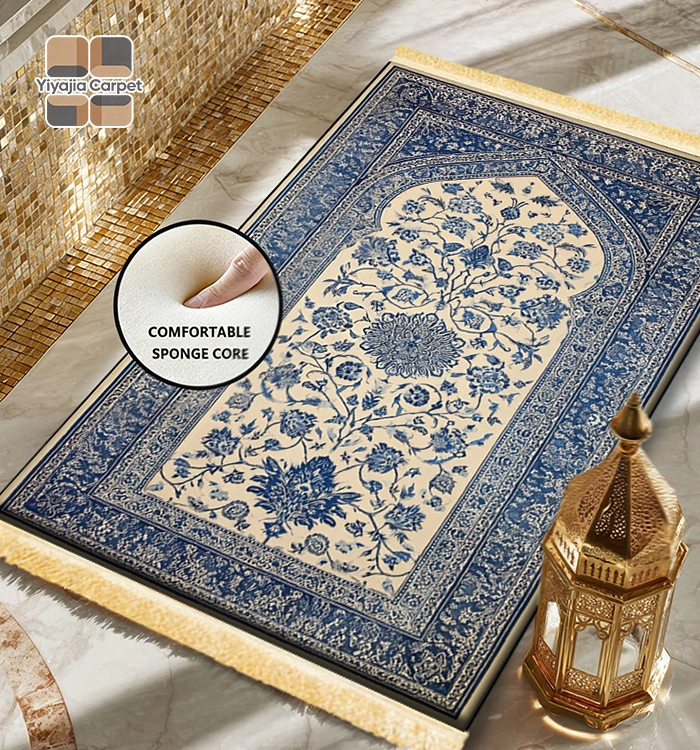
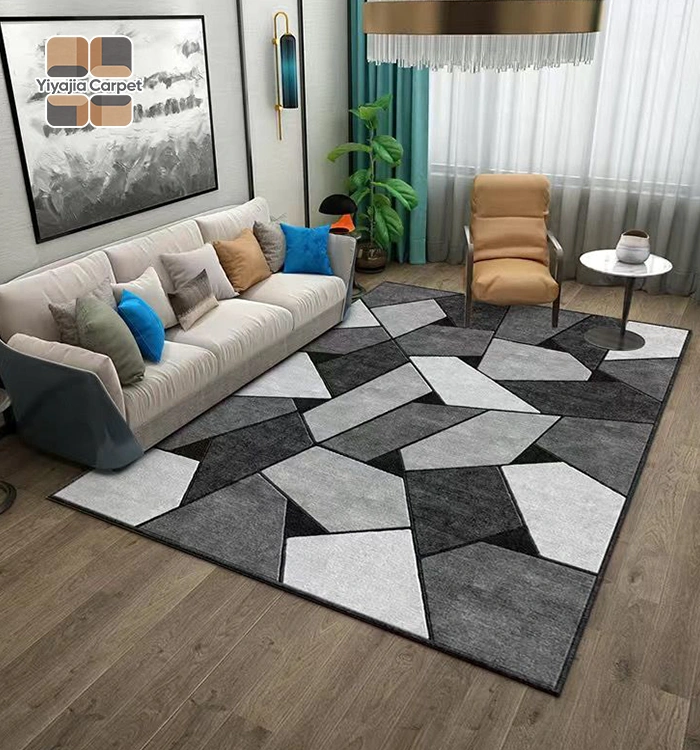
A single carpet platform can be used for a variety of hospitality themes thanks to its design freedom. Modern homes tend to have geometric patterns and neutral colors that go well with simple interiors. Traditional hotels choose fabrics with textured weaves and deep colors that make you think of classic luxury. Customizing size, color, and pattern with an acceptable minimum order quantity (50 pieces for size/color variations) makes it possible for even medium-sized remodeling projects to achieve design consistency across multiple rooms.
This adaptability makes it easier for hotel chains to keep track of inventory for properties with different design styles. Best hotel carpet is not a fixed formula but a flexible solution—because the same platform can be tailored to match both modern minimalism and traditional opulence, while still meeting inventory efficiency and minimum-order requirements across diverse brand aesthetics.
Maintaining and Maximizing the Lifespan of Hotel Carpets
Material-Specific Cleaning Protocols
Cleaning surfaces made of fake cashmere needs to be done with pH-neutral products that don't change the color of the fibers. Chemical cleaners that are too harsh damage protective coatings, speeding up wear patterns and voiding maker guarantees. Setting up regular repair plans based on how much traffic there is stops soil from building up and getting stuck in pile structures. When hotels use proactive cleaning plans instead of reactive care methods, the carpets last 40 to 60 percent longer.
Strategic Wear Management
Paths with a lot of foot traffic get worn down faster than the areas around them. Stress is spread over a larger area by rotating modular carpet tiles or putting down protective runners in traffic lanes that are always the same. Transition mats are helpful for guest rooms because they catch dirt and dust before it gets to the main carpet. These ways of keeping things from going wrong will delay the "ugly out" effect, in which rugs look old even though they are still structurally sound.
Compliance Monitoring and Safety Audits
Regular checks make sure that fire retardancy standards are still being met, since carpet treatments wear off after a while and heavy cleaning. Slip resistance testing finds places where cleaning dust or wetness can make safety less effective. Working with specialized repair companies makes sure that these technical checks happen regularly, keeping hotels from liability and extending the life of their assets.
Procurement Strategies for Sourcing High-Quality Hotel Carpets
Supplier Evaluation Beyond Price Comparison
For long-term relationships to work, both parties must be able to do more than just offer reasonable prices. Production capacity is important. Suppliers who can make 2,000 square meters of goods every day make sure that project deadlines can be met even for big renovations. Flexible customization thresholds, like 50-piece MOQs, allow for phased installations, which are common in hotels that are still open and can't close completely. When you have to coordinate carpet delivery with building plans, worker availability, and yearly changes in who lives in a home, lead time reliability becomes very important.
Sample Confirmation Process
Specification mismatches can be avoided by asking for physical samples before placing a large order. Modern heat transfer and laser cutting technologies make it possible to make samples in 24 to 48 hours, which correctly show how the finished product will look and work. Samples should be tested in-house in a way that is similar to how they will be used in real life.
This means simulating traffic, following cleaning instructions, and being in an area that is similar to where they will be installed. Best hotel carpet is ultimately determined through this rigorous sampling process—because only by testing real-world performance under expected conditions can procurement teams confirm that the chosen material truly meets durability, maintenance, and aesthetic standards for their specific hotel environment.
Logistics Coordination and Risk Mitigation
When goods are shipped internationally, they need to be protected by export-grade packaging that can withstand pressure, moisture, and damage from handling. When suppliers offer efficient container loading solutions, transportation costs per unit go down, which is good for the project's finances. Support for all kinds of paperwork, like customs declarations, compliance certificates, and inspection reports, speeds up the clearance process and cuts down on port delays that cause project schedule problems. Quality assurance promises that cover printing mistakes, incorrect cutting, or differences in size offer purchasing security. This is especially helpful when buying from international suppliers, where fixing problems can be harder.
Conclusion
Hospitality rugs are purchases that have many effects, including making guests happier, making operations more efficient, and setting your business apart. The best hotel carpets are both aesthetically pleasing and technically sound, providing comfort, safety, and long-lasting use in a variety of settings. To be successful at procurement, you need to look at things like material specs, supplier skills, and lifecycle costs in a planned way, rather than just focusing on price.
Machine-washable hotel carpet adds a practical maintenance advantage that reduces downtime and cleaning costs, further supporting operational efficiency. Hotels that put an emphasis on quality flooring give their guests memorable experiences that give them a competitive edge through positive reviews, repeat visits, and a stronger brand reputation in markets that are becoming more and more competitive.
FAQ
What defines the best hotel carpet for high-traffic areas?
Ideal corridor flooring has a high pile density (7x8 to 10x10 rows per inch), a low-profile design (about 7 mm height), and strong backing systems. Materials should have treatments that keep them from getting dirty and have good colorfastness scores. Machine-woven lockstitching keeps the edges from wearing down, even when a lot of wheeled luggage is moving over them.
How do environmental certifications impact hotel carpet selection?
CE and ROHS approvals show that the materials meet the environmental and safety standards needed for sales in Europe and other countries. OEKO-TEX certification makes sure that fabrics don't contain any harmful chemicals, which is good for guests' health and for your business's risk. These certificates also help hotels with sustainability efforts that are becoming more and more important to tourists who care about the environment.
What customization options exist for hotel carpet procurement?
Modern production techniques allow for a lot of customization, such as making clothes to fit perfectly, matching colors to brand standards, and adding logos through heat transfer printing. Laser cutting can handle irregular shapes so that designs can be put into action without any problems. Customization is affordable even for small properties or renovation projects that are done in stages, since the minimum order quantity is only 50 pieces.
How quickly can hotel carpet orders be fulfilled?
Production times depend on how complicated the design is and how many items are ordered. Most of the time, standard specs come within 7 to 10 days. After approval, custom image merging usually takes 7 days. Large projects can be handled by suppliers with large daily production capacities (2,000 square meters or more). These suppliers don't have long lead times that mess up remodeling plans.
Partner with a Trusted Best Hotel Carpet Supplier
Yiyajia Carpet is ready to help you with your hotel flooring projects with their high-quality products and customer-focused service. Our advanced heat transfer printing and precise laser cutting tools give you endless design options while keeping the high quality standards your guests expect. We meet the world standards for all important markets because we have certifications for CE, ROHS, OEKO-TEX, ISO 9001, REACH, and EN 1350. Our daily production capacity of 2,000 square meters keeps project dates on track, and our variable MOQs (50 pieces for customization) allow properties of all sizes to be accommodated.
Common procurement problems are solved by dedicated account management, fast sampling (24–48 hours), and full after-sales support. Get in touch with our sales team at sale@yyj-carpet.com to talk about how Yiyajia Carpet can improve the guest experience at your property by providing you with high-quality flooring options that are tailored to your needs.
References
1. Jones, M. & Williams, R. (2021). Material Science in Hospitality Design: The Role of Textile Flooring in Guest Experience. International Journal of Hospitality Management, 94, 102-115.
2. Anderson, K. (2020). Fire Safety Compliance in Commercial Interiors: Standards and Best Practices for Hotel Environments. Building Safety Research Institute.
3. Chen, L. & Roberts, P. (2022). Sustainable Materials in the Hospitality Industry: Environmental Certifications and Market Impact. Journal of Sustainable Tourism, 30(8), 1847-1863.
4. Thompson, E. (2019). Acoustic Design for Hotels: Sound Management Through Strategic Material Selection. Cornell University School of Hotel Administration Research Report.
5. Martinez, S. & Davidson, J. (2023). Procurement Strategies for Large-Scale Hospitality Projects: Supplier Selection and Risk Management. Journal of Purchasing and Supply Management, 29(2), 245-260.
6. Wilson, A. (2021). The Psychology of Hospitality Spaces: How Environmental Design Influences Guest Satisfaction and Brand Loyalty. Hospitality Design Quarterly, 17(3), 78-94.