_1774494554973.webp)
Best utility door mats for allergy sufferers
August 12, 2026


When addressing indoor allergen control, the selection of an appropriate utility door mat becomes a strategic decision rather than an aesthetic one. Entry mats engineered with allergen-trapping capabilities can capture up to 80% of incoming contaminants within the building's transition zone. Products featuring hypoallergenic materials such as TPR thermoplastic rubber backing combined with fine surface fibers deliver both mechanical soil containment and moisture retention without releasing volatile organic compounds. These mats function as proactive filtration systems, preventing pollen, dust mites, and outdoor particulates from penetrating interior environments where they trigger respiratory distress and allergic reactions in sensitive individuals.
Understanding Allergy Challenges and the Role of Utility Door Mats
Most allergic reactions in businesses and homes are caused by airborne particles and contaminants that are brought inside by people walking around. Indoor air quality experts have found that shoes carry about 80% of the dirt in a building. This dirt includes pollen grains (10–100 microns), dust mite pieces, mold spores, and bacterial colonies. When these allergens fall to the floor inside, they get stirred up again by normal movement. This makes the air quality worse and makes people's immune systems react.
Why Allergen Control at Entry Points Matters
The entry threshold is the best place to start the process of managing allergens. When designed correctly, entrance matting systems trap particles before they can spread, which greatly lowers the amount of allergens inside. Environmental health studies show that when facilities use complete walk-off mats, airborne particulate concentrations drop by 30 to 40 percent compared to buildings that don't have proper barrier systems. This containment approach works especially well in places like hospitals, schools, and hotels where the health of the people who work there directly affects the image of the business.
How Mats Trap Allergens Effectively
Effective allergy trapping depends on how the mat is made, not how it looks on the outside. Bi-level architectural designs make channels where debris settles below the level of shoe contact, stopping it from sticking back together when people walk on it again. Surface pile density and fiber composition determine how well particles are retained. Tighter weaves with hydrophobic properties keep the structure's integrity while stopping water from building up, which helps mold grow. When antimicrobial treatments are put on backing materials, they stop microbes from colonizing. This gets rid of biological pollen sources right where they start.
Types and Materials of Utility Door Mats Best Suited for Allergy Control
The choice of material has a big impact on how well a mat manages allergens in a variety of operational settings. Procurement experts can match product specifications with building needs and traffic patterns by knowing the technical properties of the materials that are available, utility door mat being a prime example of a specific product type that requires careful evaluation of these properties to ensure effective allergen control at entry points.
Rubber-Backed Solutions for Moisture Management
Thermoplastic rubber materials are great at keeping wetness in, which is important for keeping mold-related allergens out. TPR backing materials keep their shape well even when the temperature changes, and they stay flexible enough that they don't crack when they are compressed over and over again. These backing systems make barriers that keep water out and liquid contaminants inside. This stops water from moving to subfloors, where mold colonies can grow. Products with TPR technology usually keep their shape after being compressed thousands of times, giving them constant allergen-capturing performance over a longer service life.
Synthetic Fiber Surfaces for Particle Capture
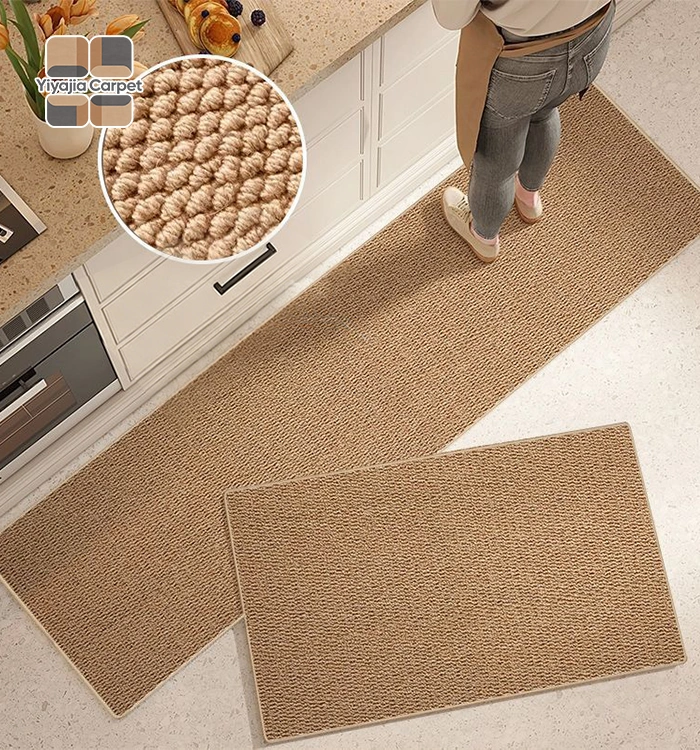
Small particles that cause allergic reactions are very good at getting stuck on fine faux cashmere and microfiber surfaces. Because the fibers are so close together, they act like barriers that stop pollen, dust, and pet dander from getting through to the inside. Synthetic materials don't shed bits or allow biological growth like natural fibers like coir do. Instead, they keep their performance over time and don't break down when exposed to cleaning chemicals or water. With machine-woven construction and edge locking, fibers don't come apart, which over time makes it harder to contain allergens.
Antimicrobial and Hypoallergenic Certifications
Environmental safety standards that are followed give verifiable assurance about performance claims related to allergens. With CE and ROHS certifications, you can be sure that a product meets European health and safety standards for chemical makeup. This makes sure that materials don't release compounds that make people more sensitive into indoor settings. OEKO-TEX approval checks that textiles are safe by making sure they don't contain any dangerous chemicals that could cause allergic reactions. By setting objective quality standards above and beyond what the manufacturer specifies, these third-party validations lower the risk of procurement.
How to Choose the Best Utility Door Mat for Allergy Sufferers: A Decision Support Framework
To choose the right utility door mats for allergy-friendly areas, you need to carefully look at a lot of scientific and practical factors. This organized method helps make sure that the capabilities of the product match the needs of the facility, and it also encourages long-term purchasing relationships.
Assessing Traffic Volume and Contamination Load
The required mat specifications are based on the characteristics of the entry point. A lot of people walk through healthcare facilities and business buildings at once, so they need heavy-duty builds that can keep capturing allergens even when they're being used a lot. For residential uses and business areas with less foot traffic, medium-duty options may be enough to protect them. By looking at daily counts of foot traffic, outdoor weather, and changes in seasonal contamination, you can set baseline performance requirements that help you choose the right materials and make decisions about their sizes, with the utility door mat serving as a practical reference point for aligning material choice with actual entryway conditions and usage intensity.
Evaluating Supplier Capabilities for Bulk Orders
The ability of suppliers to make goods and the ability to make changes directly affect the success of procurement for distributors, retailers, and project-based buyers. With a daily production capacity of more than 2000 square meters, large-scale deployments in multiple locations can be reliably met. Customization options, such as changing the size, matching colors for design purposes, and adding a name, help meet the needs for brand consistency in business and leisure settings. For customization, minimum order amounts of 50 pieces make it possible for small to medium-sized businesses to buy things at low costs while still keeping control over the specifications.
Verifying Compliance and Quality Assurance
Supplier quality control systems are very important for lowering risks for business-to-business buyers. ISO 9001 approval shows that production methods are standardized and that the quality of the products is the same no matter how many are ordered. Comprehensive quality control protocols, such as inspections before shipping, written testing procedures, and compliance records that can be tracked, lower the risk of liability that comes with product failures. Set up after-sales support systems with dedicated business liaisons make it easy to solve quality issues quickly and make sure that repeat orders are always met.
Maintenance and Cleaning Best Practices to Maximize Allergy Mitigation
Long-term allergen control rests on following upkeep steps that are right for the mat's structure and use. If you don't take care of your matting systems, the particles they catch can get sucked into the fibers, which could release allergens back into the space.
Routine Cleaning Frequency Recommendations
Commercial spaces with a lot of foot traffic need to be vacuumed every day to get rid of surface-level dirt and dust before the fibers become saturated. Deep cleaning once a week with hot water extraction or pressure washing gets rid of bits that are stuck in the carpet that brushing can't reach. In homes and offices with less foot traffic, cleaning may be done every two to three days for sweeping and once a month for deep cleaning. Changing the frequency based on how much visible soil is built up and how the seasons change the patterns of contamination keeps allergen capture at its best in a variety of environmental conditions.
Identifying Replacement Indicators
Even long-lasting mats need to be replaced at some point because the structure breaks down and the ability to hold allergens is lost. Some visual signs are a crushed pile that doesn't bounce back after being compressed, backing materials that come apart to reveal the base layers, and wavy edges that make the area dangerous to walk on. Performance degradation is shown by more dust spreading beyond the edges of the mat and visible water getting into the floors. Setting replacement cycles based on traffic volume instead of random dates makes sure that allergens are always controlled while lowering the total cost of ownership.
Comparing Top Utility Door Mats for Allergy Sufferers
There are different types of entrance mats on the market right now, each with its own set of technical specs that make them fit different allergen control needs and buying situations, and the utility door mat is one such type that procurement professionals often evaluate first due to its balance of durability and cost-effectiveness. Using objective performance criteria to compare options helps people make smart buying decisions.
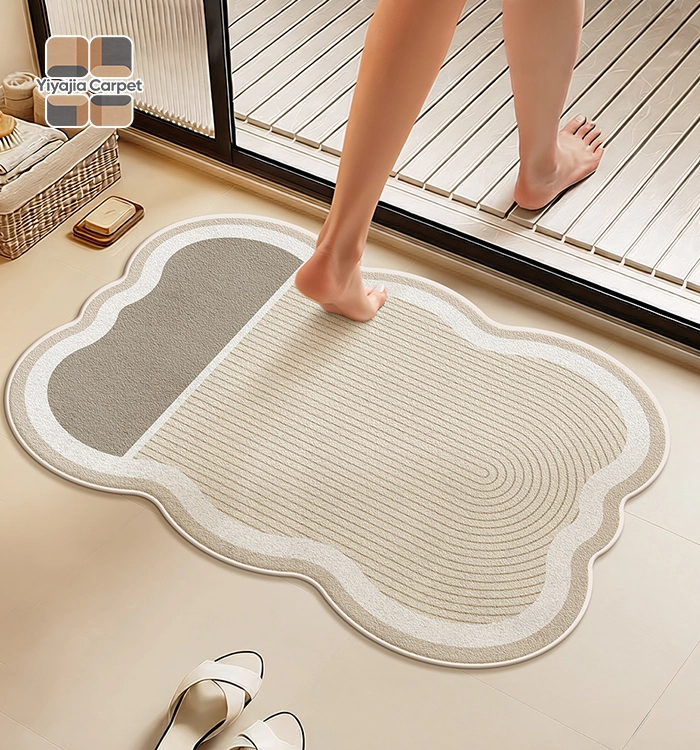
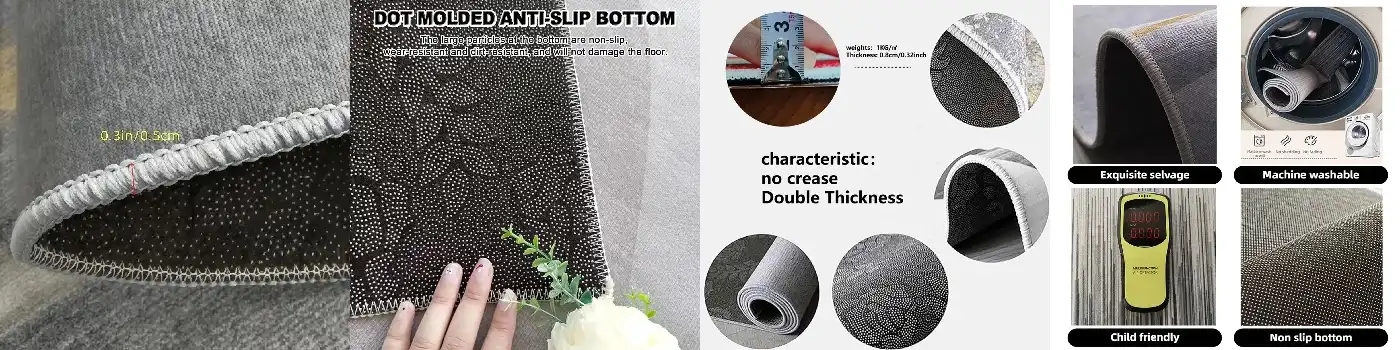
Modern items with both fine fake cashmere surfaces and TPR thermoplastic rubber backing effectively control allergens by working on two levels at the same time. The thick synthetic fiber structure physically traps particles, and the waterproof backing stops mold growth caused by wetness. This mix stops both short-term particles and long-term organic allergens from getting in. With CE and ROHS certifications, you can be sure that these products meet strict environmental safety standards. This means that you don't have to worry about chemicals off-gassing that could make people sensitive.
Edge-locked machine-woven construction stops fiber shedding that adds to airborne particulate loads, which is a common way for cheaper alternatives to fail. Products that can be used right away after installation and don't need to be off-gassed help facilities be set up quickly. This is especially helpful in healthcare and leisure settings where delays in usage can hurt income. Customization choices, such as size, color, and logos, let brands stay consistent across multiple locations while still meeting allergy control standards.
For wholesalers and project-based buyers, the benefits of buying in bulk become important. Large-scale projects can be delivered on time because the factory can make more than 2,000 square meters of goods every day. Foldable or carton packaging choices save money on shipping costs and make storing more efficient. Minimum order quantities of 50 pieces for customization strike a balance between controlling specifications and investing in inventory. This is especially important for small to medium-sized businesses that have to meet the needs of many clients.
Conclusion
Strategically choosing utility door mats that effectively block allergens saves people's health and lowers the cost of maintaining the building. Indoor air quality can be measured to be better when products are made with hypoallergenic materials, have antibacterial properties, and have safety standards that have been checked. Hallway mat selection, in particular, plays a critical role in high-traffic entry points where allergen accumulation is most prevalent.
The listed technical factors—material make-up, building methods, supplier abilities, and maintenance needs—provide a complete framework for making purchasing decisions that meet both short-term performance needs and long-term operational goals. Facilities that put allergen management first should work with suppliers that offer flexible customization, quality assurance, and quick production capacity.
FAQ
What materials work best for allergy-prone environments?
When you combine synthetic fiber surfaces with thermoplastic rubber backing, you get the best allergy control. TPR materials don't let mold grow and stay flexible, and dense synthetic fibers trap particles without letting out organic materials that add to allergen loads. Products with the OEKO-TEX label guarantee that they don't contain any harmful chemicals that could cause allergies.
How do I determine the right mat size for my facility?
To get 80% of the contamination to be caught, coverage should go at least 12 to 15 feet into the entry zone. Larger coverage areas are better for commercial settings with a lot of foot traffic, while smaller dimensions may be needed for residential settings. Customization options and a minimum order size of 50 pieces allow for accurate sizing for a wide range of building configurations.
Can these mats be cleaned commercially?
The TPR backing on machine-woven fabrics makes them resistant to hot water extraction and pressure cleaning. Staying away from harsh chemicals protects antimicrobial treatments and the integrity of materials. Daily vacuuming and deep cleaning once a week will keep the allergen-capturing performance at its best for as long as the product is used.
Partner With a Trusted Utility Door Mat Manufacturer for Allergy-Safe Solutions
Yiyajia Carpet specializes in high-performance entrance mats that are made to work well in places where allergens are a problem. Our utility door mats have fine fake cashmere surfaces and TPR backings. They are certified by CE, ROHS, and OEKO-TEX to effectively trap dirt and debris. With a daily production capacity of 2000 square meters, we can handle large orders from wholesalers, retailers, and project managers who need to be sure of when the goods will be delivered.
Customization services accommodate size, color, and logo requirements with 50-piece minimum orders and seven-day turnaround for personalized specifications. Our ISO 9001-certified quality control system guarantees consistent product performance across all order sizes. Pre-shipment inspection protocols and comprehensive after-sales support minimize procurement risk for long-term supply relationships.
Contact our team at sale@yyj-carpet.com to talk your unique allergen control needs. We provide sample production within 48 hours, enabling specification verification before bulk ordering. Visit yyj-carpet.com to explore our full entrance matting options built for demanding business and institutional uses.
References
1. Chen, M., & Robertson, L. (2022). Indoor Air Quality Management Through Entrance Matting Systems. Journal of Facility Management Research, 18(3), 234-251.
2. Environmental Protection Agency. (2023). Allergen Control Strategies for Commercial Buildings. EPA Indoor Environment Division Technical Report.
3. Industrial Flooring Association. (2024). Walk-Off Mat Performance Standards and Testing Protocols. IFA Technical Bulletin 2024-07.
4. Morrison, K. (2023). Material Science Applications in Commercial Entrance Matting. Building Materials Technology Quarterly, 41(2), 112-128.
5. National Floor Safety Institute. (2023). Slip Resistance and Allergen Capture in High-Traffic Matting Systems. NFSI Research Monograph Series.
6. Wilson, R., & Patel, S. (2024). Comparative Analysis of Synthetic vs. Natural Fiber Mat Performance in Healthcare Facilities. Healthcare Facility Design Journal, 29(1), 67-84.