_1774494554973.webp)
Cost comparison of bedroom carpeting versus hardwood flooring
July 10, 2026


When buying in bulk, the difference in cost between bedroom carpeting and hardwood goes far beyond the original purchase price. B2B buyers today, like hotel makers and online stores, need accurate cost information throughout the whole lifetime of a product. Installing bedroom carpeting usually costs between $2 and $12 per square foot, while installing hardwood flooring usually costs between $8 and $25 per square foot. These numbers only scratch the surface of how much it really costs to own a home. Buying managers can make decisions that protect profits while still meeting quality standards for end users if they know how much materials cost, how hard they are to install, how often they need to be maintained, and when they need to be replaced.


Overview of Bedroom Flooring Options: Carpeting vs Hardwood
Carpet Varieties and Performance Benefits
There is a huge range of building and material options for modern textile floors. Synthetic choices made with Nylon 6,6 are more durable and keep their look even with modest foot traffic. They also don't stain because they have molecular-level protection. Triexta rugs are hydrophobic, which means they don't let liquids stick to them. This makes them easier to clean in dining settings. Wool blends keep moisture in and naturally prevent fire, which makes them a good choice for high-end home projects.
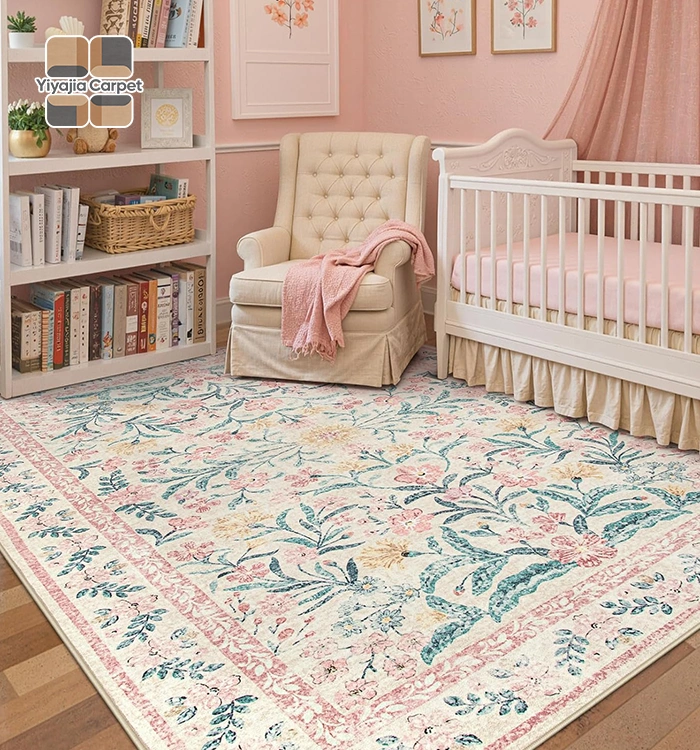
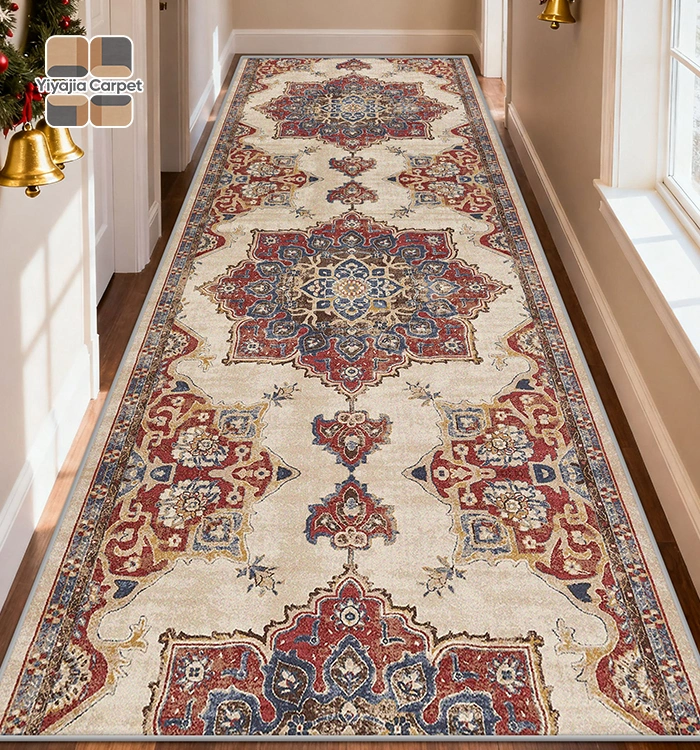
The way something is built has a big effect on how well it works. Berber loop constructions can handle more wear and tear in multifamily buildings, while plush cut-pile carpets provide a luxurious feel that is perfect for master bedroom carpeting. People are becoming more health-conscious, and hypoallergenic treatments help by catching floating particles that hard surfaces just spread out again when people walk on them. Yiyajia Carpet's high-tech products have smooth fake cashmere tops and TPR thermoplastic rubber bottoms. These products are safe for babies, CE/ROHS-certified, and come clean and ready to be installed right away.
Hardwood Species and Market Appeal
Because it looks classic and lasts a long time, hardwood flooring is considered high-end. Oak is still the standard in the business because it is very stable in terms of size and can take a variety of stains. Maple has lighter tones and minor wood patterns that make it a good choice for modern design needs. Walnut has a rich, dark character that makes high-end homes look better, but it needs to be carefully controlled to keep it from expanding.
How the installation is done affects both cost and durability. Solid oak can be refinished many times over the course of decades, while manufactured planks keep their shape even when the humidity levels change. Prefinished goods cut down on installation time and get rid of VOC emissions that happen on-site, which meets environmental standards for business projects.
Initial Cost Framework Components
To make accurate budget predictions, you need to take into account a lot of different types of spending. For carpets, material prices vary a lot depending on the type of fiber, the face weight, and the backing system. For hardwood, they change a lot depending on the species, grade, and width. The cost of installation depends on the state of the subfloor, how the room is set up, and the work rates in the area. Lifecycle factors like how often upkeep needs to be done, how long a product lasts, and how often it needs to be replaced can significantly change estimates of the total cost of ownership.
In-Depth Cost Analysis: Material and Installation Expenses
Material Cost Breakdown by Quality Tier
Cheap carpet starts at about $0.80 to $2.00 per square foot for basic olefin or polyester materials that are good for short-term installations or projects that need to stay within budget. Mid-range nylon and triexta rugs from Shaw and Mohawk cost between $2.50 and $6.00. They are durable and affordable, making them a good choice for multifamily living and modest hotel properties. Premium wool blends and heavy-density nylon goods cost $8.00 to $12.00 per square foot and are aimed at high-end domestic and business markets.
The price of hardwood is also divided into groups. Builder-grade oak strips start at about $3.00 to $5.00 per square foot, while select-grade maple and cherry cost between $6.00 and $10.00. Prices range from $12.00 to $25.00 per square foot for exotic species like Brazilian walnut or repurposed wood, which appeals to specific design needs. Most of the time, engineered hardwood is 20–40% cheaper than solid hardwood choices, but it still looks good.
Installation Labor and Preparation Expenses
Installing carpet costs about fifty cents to one hundred fifty cents per square foot when the ground doesn't need much work. This includes stretch-in techniques on top of good padding, which adds an extra $0.40 to $0.90 per square foot based on the material and density. When used in businesses, direct glue-down uses may lower the cost of padding but raise labor rates to $1.00 to $2.00 per square foot because the adhesive needs to be applied more carefully and takes longer to fix.
Installing hardwood costs more for work, usually between $3.00 and $8.00 per square foot. To add solid wood, you need to carefully level the base, put down a moisture barrier, and use precise nail-down or glue-assisted methods. Engineered planks with floating or click-lock systems cut down on work costs to $2.00 to $4.00 per square foot, but they make it harder to restore. No matter what material is used, installing something that has a complicated plan with a lot of stairs, transitions, or unique inlays will cost a lot more.
Maintenance and Durability Considerations Impacting Long-Term Costs
Carpet Maintenance Cycles and Replacement Intervals
Textile flooring needs to be maintained regularly to keep it looking good and keeping up with cleanliness standards. Professional deep cleaning costs between 15 and 30 cents per square foot and should be done once a year in homes and every three months in hotels. Stain-resistant treatments make the time between treatments longer, but they wear off over time and need to be reapplied every 18 to 24 months, which costs more.
How long a product lasts depends a lot on how well it was built and how much it is used. When used moderately, cheap polyester rugs wear out in three to five years, but heavy-density nylon items with high twist levels keep looking good for ten to fifteen years. Wool rugs can last up to 20 years in bedroom carpeting that don't get much foot traffic, but they need special cleaning methods that raise the cost of upkeep. Total ownership costs are directly affected by how often something needs to be replaced. For long-term procurement plans, it is financially smart to make beginning investments in quality.
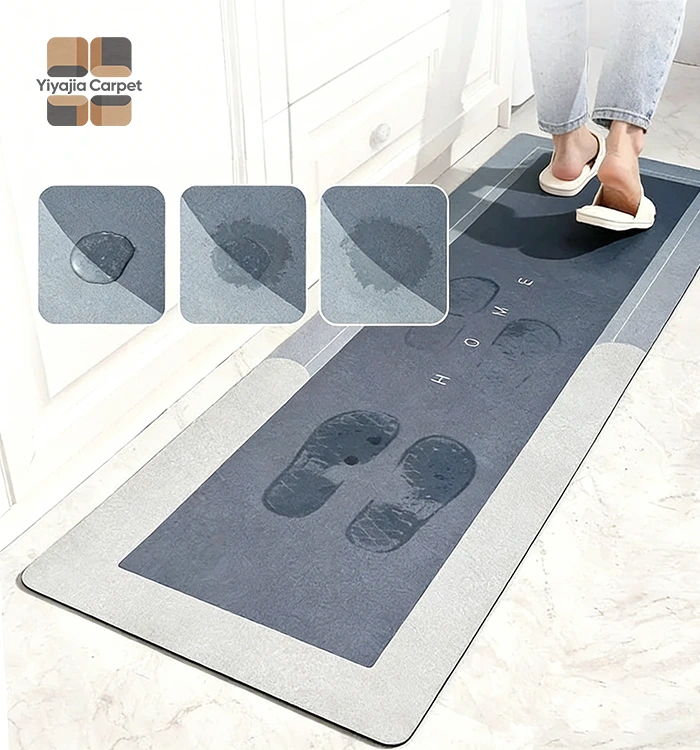
Concerns from the past are addressed by new technologies in industry. Solution-dyed fibers don't fade and are easier to clean, and machine-woven edge locking keeps the fabric from coming apart. Products with TPR backing systems get rid of smells and prevent slips without any extra treatments. This means that business buyers who manage multiple properties don't have to do as much upkeep.
Hardwood Maintenance and Refinishing Economics
Wood flooring needs to be fixed less often, but it costs more each time it does. Regular upkeep includes sweeping once a week and wet mopping once in a while, which don't cost much. Solid hardwood can be refinished three to seven times over the course of its life. Each time costs two to four dollars per square foot and gives the wood a brand-new look. This feature makes the product last 40 to 80 years longer, which greatly lowers the yearly cost of replacement.
Environmental factors have a big effect on how well hardwoods work. Too much humidity makes things expand and cup, while dry conditions make things gap and split. The ongoing costs of running climate control systems must be taken into account when figuring out the total cost. Scratch-prone surfaces require chair protectors and area mats in areas with a lot of foot traffic, which may take away from some of the aesthetic benefits. Having a pet speeds up wear and tear through scratching and accidents, which means that the item needs to be refinished more often or replaced before it's time in those areas.
Because it is stable in size, engineered oak requires less upkeep, but it usually only needs to be refinished once or twice because the wear layers aren't as thick. Because of this restriction, the useful life is cut down to 20 to 30 years, which lessens the durability edge over high-quality carpet choices while keeping the higher costs of materials and installation.
Decision-Making Framework: Choosing the Best Flooring for Your Procurement Needs
Budget and Application Alignment
Decisions about procurement must weigh the upfront cost of the purchase against the facts of operations. Hotel buyers who want to manage properties with 200 rooms have to deal with different equations than home builders who want to sell single units. The first one still has to pay for upkeep, but the carpet is long-lasting and easy to change, and it looks new every 7–10 years. The latter may value the perceived luxury of hardwood to justify higher prices, passing on the cost of upkeep to homes.
In their marketing, online stores that want to sell to people who own rented properties should stress the total cost of owning. When compared to hardwood floors that need to be refinished every so often, bedroom carpeting with 10-year performance promises and stain-resistant qualities is a clear winner. When contractors buy building supplies from stores that stock both choices, the stores can make project-specific suggestions that keep customers coming back because they show they know what they're doing.
Environmental and Compliance Considerations
Regulatory standards are having a bigger impact on procurement choices. CRI Green Label Plus approval makes sure that carpets meet strict VOC emission limits, which is important for business installations that need LEED certification or that are aimed at health-conscious customers. International distribution is made easier by CE marking and ROHS compliance. This is especially helpful for importers and trade companies that manage supply lines that cross borders.
Different uses have different flame protection limits. The EN 1350 approval meets the needs of the European market for hotel and multifamily projects, and the ASTM E648 Class I ratings meet the needs of North American business rules. Because hardwood is naturally flammable, it needs extra fire-retardant treatments in some places. This adds cost and complexity compared to carpet systems, which are already compliant because of how they are made.
Buyers who care about the environment like sustainable sources. FSC-certified hardwood shows that the trees were cut down in a responsible way, and carpet companies are increasingly making goods with recycled material and backing systems that can be recycled. Yiyajia Carpet's OEKO-TEX certification ensures textile safety by testing textiles thoroughly for harmful substances. This addresses health and environmental issues with third-party proof that makes buying more convincing to stakeholders.
Vendor Reliability and Customization Capabilities
Stability in the supply chain is a major issue for business-to-business buyers. Quality problems, late shipping, and bad communication all hurt profits and hurt relationships with customers. Well-known names like Shaw, Mohawk, and Stainmaster are reliable, but they don't let you change much and require larger minimum orders. Smaller sellers may give you more options, but they also come with delivery risks.
Modern production technologies make mass tailoring possible at prices that most people can afford. Any design can be used with heat transfer printing, and irregular forms and exact measurements can be used with laser cutting. Customized goods can be made for mid-sized sales because the minimum order quantity (MOQ) is only 50 pieces for size and color changes. Customizing logos and getting them delivered in 7 days lets sellers quickly meet the needs of specific projects, giving them a competitive edge when going after design-build builders and hospitality groups that manage branded properties.
A daily production capacity of 2000 square meters guarantees dependable completion for long-term relationships with buyers. Professional export packing makes the best use of containers, which lowers the cost of shipping each item for buyers around the world. These operational skills set providers that can help with growth apart from those that are only good for one-time buying.
Supplier and Brand Insights: Where to Source Quality Carpeting and Hardwood Flooring?
Leading Carpet Manufacturers and Value Propositions
Shaw Industries controls the North American home market with a wide range of products and a strong partner network. Their Lifeguard spill-proof backing systems are good for families and people with pets, and their Anso nylon fiber products are a good mix of performance and price. Mohawk Industries also offers a wide range of products, from inexpensive to high-end. Their SmartStrand triexta products, which are stain-resistant by design, are very popular in residential settings.
Stainmaster charges more for goods that meet strict certification standards because their name is well-known thanks to decades of advertising. Carpet One unions bring together private stores to offer personalized service with the buying power of a national company. These well-known platforms work well for retail-focused buying strategies, but they might not be flexible enough to adapt to the special needs of each project.
International sellers are challenging standard market players by offering lower prices and better services for skin-friendly silk and wool bedside carpet. Yiyajia Carpet exemplifies this shift with improved heat transfer and laser cutting technologies plus CE/ROHS/OEKO-TEX certifications for skin-friendly silk and wool bedside carpet. Their OEM and ODM services for skin-friendly silk and wool bedside carpet meet diverse compliance needs across European, Middle Eastern, and Southeast Asian markets. Strict quality control through full-process inspection ensures consistent skin-friendly silk and wool bedside carpet meeting different national standards.
Hardwood Sourcing Channels and Considerations
Armstrong Flooring has a wide range of engineered and solid hardwood styles, as well as strong support for dealers and training programs for installers. Their pre-finished items make the job site simpler, which is good for workers who are trying to meet tight deadlines. Lumber Liquidators, which is now called LL Flooring, markets itself as a value option, but problems with compliance in the past mean that licenses and guarantees need to be carefully checked.
Home Depot and Lowe's are easy for builders and small companies to get to, and their installation services make project management easier. The quality of their products changes a lot between collections, so they need to know a lot about specifications to avoid using low-quality materials. Direct relationships with area mills may save money for buyers who buy a lot, but they also make it harder to make sure quality and coordinate shipping.
Best Practices for Procurement Engagement
No matter how well-known a seller is, sample review is still important. To make sure that the specs match the real performance, carpet samples should be tested in-house for colorfastness, tuft bind strength, and backing delamination resistance. Hardwood samples need to have their moisture content checked and their finish's stability checked with controlled scratching tests.
When you buy in bulk, you should talk about more than just the price per unit. You should also talk about payment terms, delivery dates, and quality promises. Contracts that say flaws must be fixed or replaced protect against packages that aren't up to par messing up project schedules. Long-term supply deals that include volume pledges guarantee better prices and make sure that production capacity is used during times of high demand.
Common mistakes that cancel guarantees and hurt relationships with suppliers can be avoided by having a professional coordinate the installation. To keep carpet from buckling, the subfloor needs to be properly prepared, given enough time to get used to the floor, and stretched in by a skilled professional. To avoid problems after installation, hardwood needs to be carefully managed for moisture and given enough space for growth gaps. Suppliers who offer construction help or training show that they care about the success of the project in more ways than just selling products.
Conclusion
When you compare the costs of bedroom carpeting and hardwood flooring, you can see that the math is more complicated than just the initial buy price. Carpets are cheaper up front—usually $2 to $12 per square foot installed—and easier to take care of, but they only last 5 to 15 years. Hardwood costs $8 to $25 per square foot at first, lasts 40 to 80 years with multiple refinishing processes, but needs to be kept in a controlled environment and requires more complex care. When making a purchase decision, you need to think about things like the amount of traffic, the surroundings, your personal taste in style, and when you want to fully own the item. For business-to-business buyers in the hospitality, residential construction, or retail industries, it's helpful to know about both the performance traits of the materials and the capabilities of the suppliers. This way, buyers can be sure of consistent quality, reliable delivery, and quick service over the course of long-term partnerships.
FAQ
Does Carpet Padding Significantly Affect Overall Cost and Comfort?
Quality padding raises the price of carpet by $0.40 to $0.90 per square foot, but it makes the carpet much more comfortable and lasts longer. Density values between 6 and 8 pounds give the best support, keeping the pile from breaking and extending the time it looks good. Adding padding improves acoustic dampening, which is very important in places like residential and hotels where noise can make people unhappy. Cheaper foam choices save money at first, but they lose their shape quickly, meaning that the carpet has to be replaced too soon, which gets rid of the fake economy.
Is Hardwood More Cost-Effective Than Carpet in Pet-Friendly Environments?
Having a pet makes both types of floors more difficult in different ways. Hardwood doesn't absorb smells, but cats' claws can leave scratches that can be seen. This means that it needs to be refinished more often, which costs $2 to $4 per square foot. Bedroom carpeting tends to hold smells and stains, but current stain-resistant treatments and antibacterial backing systems make these problems a lot less of a problem. In high-pet-activity areas, replacing broken hardwood floors costs more than replacing new carpet over a 10-year period. This means that textile choices are cheaper, even though most people think that hard surfaces are better.
How Do Eco-Friendly Carpet Options Compare to Hardwood in Cost and Performance?
Sustainable carpets made from recycled materials or natural fibers usually cost 15–30% more than regular synthetics, but the price difference between them and hardwood is getting smaller. If you buy OEKO-TEX approved rugs from companies that make compliance a normal part of their production, you can be sure that they are safe for chemicals without having to pay more. The environmental prices for FSC-certified hardwood are similar. When you compare high-quality goods in each area, there aren't many differences in how well they work. This means that environmental goals can be met without losing durability or drastically raising purchase budgets.
Partner with Yiyajia Carpet for Your Bedroom Carpeting Supply Needs
Yiyajia Carpet has everything that procurement managers looking for trusted bedroom carpeting wholesalers need. Our modern laser cutting and heat transfer technologies allow us to make customized goods that meet CE, ROHS, and OEKO-TEX standards, which are necessary for foreign shipping. A daily production capacity of 2000 square meters makes sure that large orders are filled on time, and a MOQ of just 50 pieces means that smaller projects that aren't always met by larger makers can be taken care of. Strict full-process quality control gets rid of the uneven output that many suppliers have, which protects your customers' trust in you. You can email our team at sale@yyj-carpet.com to get samples that show off our machine-woven edge locking, TPR backing systems, and customization options that make buying carpet easier.
References
1. National Floor Covering Association. (2023). Installation Standards and Cost Guidelines for Residential Flooring Systems. Dalton, GA: NFCA Publications.
2. Carpet and Rug Institute. (2022). Lifecycle Cost Analysis: Comparing Soft and Hard Surface Flooring. Dalton, GA: CRI Research Division.
3. Timber Products Inspection. (2023). Hardwood Flooring: Material Properties, Installation Methods, and Maintenance Economics. Conyers, GA: TP Inspection Services.
4. Green Building Council. (2022). Sustainable Flooring Materials: Environmental Impact and Cost-Benefit Analysis. Washington, DC: USGBC Press.
5. International Textile Manufacturers Federation. (2023). Technical Standards for Commercial and Residential Carpet Systems. Zurich: ITMF Publications.
6. National Wood Flooring Association. (2022). Hardwood Flooring Cost Guide: Materials, Installation, and Long-Term Maintenance. St. Louis, MO: NWFA Educational Foundation.