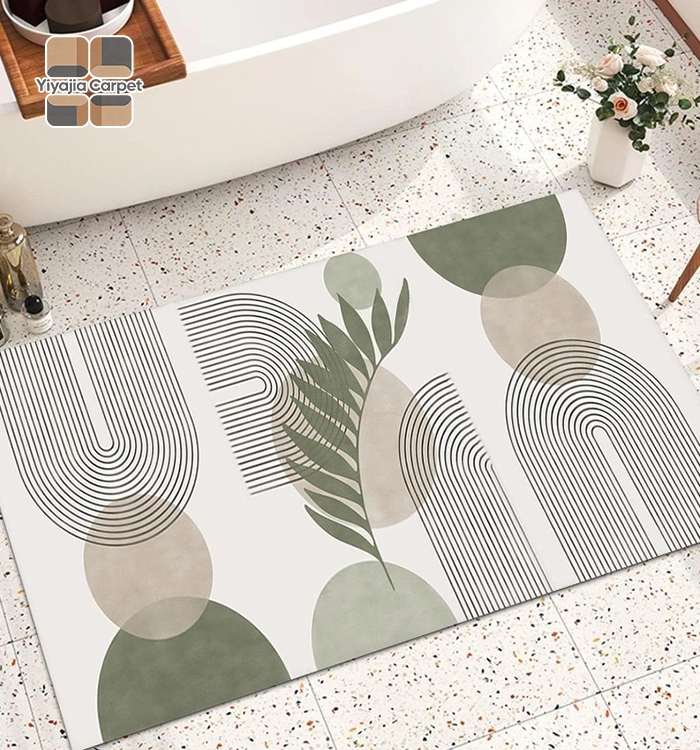
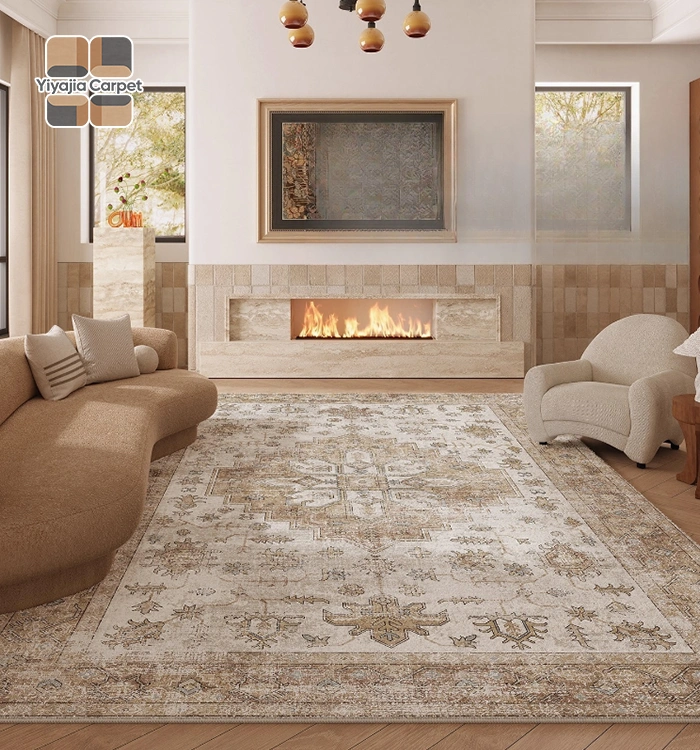
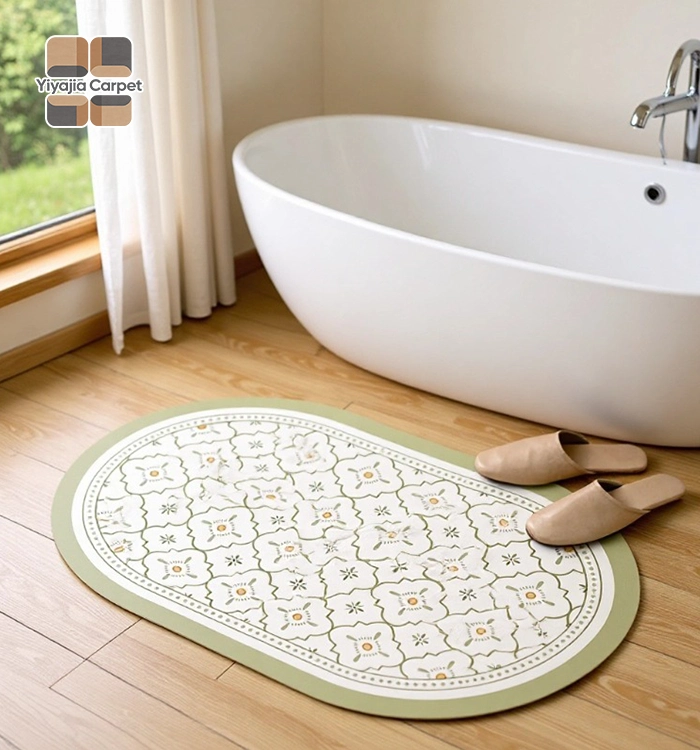
_1774494554973.webp)
How to source long corridor carpets suitable for commercial office buildings
July 10, 2026


Sourcing the right long corridor carpet for commercial office buildings requires balancing durability, safety, aesthetics, and cost-efficiency. Office corridors endure constant foot traffic, rolling equipment, and varied environmental stresses, making material quality and design critical. B2B buyers—including purchasing managers, project coordinators, and facility planners—need suppliers who deliver consistent quality, competitive pricing, flexible customization, and reliable delivery schedules. This guide walks you through essential considerations to help you make confident procurement decisions that enhance workplace functionality and brand identity.
Understanding the Unique Requirements of Long Corridor Carpets in Commercial Offices
There are different kinds of rugs that are better for commercial office halls than for home hallways. A lot of people walk through these places, which connect offices, meeting rooms, and open areas. A lot of people walk along these paths every day. This kind of wear and tear can be handled by a good hallway runner, which also helps cut down on noise, keeps floors safe, and keeps a professional look.
Functional Roles Beyond Aesthetics
Many things are better with carpets in the halls of an office building. They soak up sound, which keeps it from moving from one place to another and makes offices quieter. People who have to move around a lot won't get tired because the soft floor is nice to walk on. Backings that don't slip, like TPR thermoplastic rubber, keep people from slipping on smooth floors, which makes them safer. These helpful traits have a direct effect on how fast things get done and how healthy and happy the workers are.
Heavy Foot Traffic and Maintenance Demands
Business routes, on the other hand, have a lot of one-way traffic, which wears down the center paths faster than residential areas. This "traffic lane graying" needs rugs with thick, strong fibers. Surfaces made of solution-dyed cotton or fake cashmere don't get worn down and look good even after years of use. Edge fixing on machine-woven mats stops fraying and thread loss, so they don't need as much care and last longer.
Regulatory Compliance and Safety Standards
For business office buildings, there are strict rules about fire safety and the environment. A lot of the time, rugs in halls need to be CE, ROHS, and flame resistant grades that follow local building rules. It's important for businesses to follow these rules so that people inside are safe in case of an emergency. Buyers should make sure that sellers can show proof that their goods meet safety standards before agreeing to big orders.
Key Factors to Consider When Sourcing Long Corridor Carpets
There are a lot of technical and aesthetic things to think about when choosing carpet for a hallway. It is easier for procurement teams to match product standards with budget and functional needs when they know how materials work, what their qualities are, and how they can be changed.
Material Types and Durability Performance
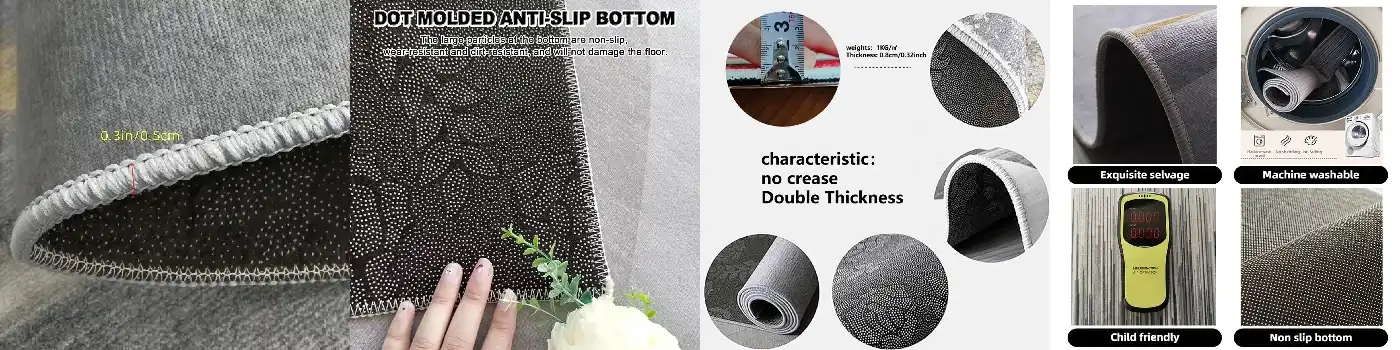
When it comes to business, different kinds of fibers are better than others. Nylon is very durable and doesn't lose its shape even after being used a lot. Polyester is a cheap fabric that doesn't stain easily and works well in places with mild foot traffic. The softness and strength of faux cashmere surfaces make them look expensive while still meeting the needs of a business. It's also the layer at the bottom that matters. They don't move around and keep their shape, which is very important for safety in busy halls made of TPR thermoplastic rubber.
Understanding pile construction makes a difference in how long piles last. Loop pile rugs are great for places where a lot of people walk because they well hide cleaner and shoe marks. Cut-pile types are soft and comfy, but they might get worn out faster. These features are matched in hybrid designs, which means they can be used in hallways of different lengths and for different amounts of time.
Eco-Friendly and Certified Materials
When people decide what to buy for corridor long runner carpets, sustainability is becoming more and more important. People want corridor long runner carpets made from recyclable materials with low VOC emissions to help businesses reach environmental goals. Textiles approved by OEKO-TEX for corridor long runner meet high safety standards for extended indoor exposure. These requirements are essential for companies seeking LEED certification or demonstrating ESG commitment to clients through their corridor long runner choices.
Products that are known to be clean and safe for babies have better air quality and don't give off gases like some lower-quality flooring does. There is peace of mind for facility managers that everyone, even sensitive guests, can stay healthy inside thanks to this feature.
Customization for Brand Identity and Practical Needs
In business settings, custom hallway rugs with names, color schemes, and patterns that match the personality of the brand are useful. People can choose sizes that are exactly the same as the hallway. This cuts down on waste and issues with being able to see joints. With heat transfer technology, you can print any picture, and laser cutting can work with both curved shapes and exact numbers.
Low editing limits let you add your own touch to even the smallest projects. When you place an order for at least 50 pieces, you can use it for both small office makeovers and large-scale company campus sets. This means that companies can use the same patterns on all of their sites without having to keep too much stock on hand.
Comparing Popular Commercial Long Corridor Carpet Brands and Solutions
The industrial carpet market features established brands offering varied product lines tailored to different budget levels and performance requirements. Understanding these options helps buyers identify suppliers aligned with specific project needs.
Established International Brands
The industrial flooring market is run by big companies with lots of goods, such as Mohawk, Shaw, Interface, and Karastan. These companies make sure their goods are always available by giving full warranty programs, getting approvals for sustainability, and setting up well-established transport networks. They charge more for their top lines because they use cutting-edge fiber technologies and new design ideas. However, the longer life and ease of maintenance make it worth it.
There is a good balance between performance and price in these brands' mid-range products. This makes them good for projects that need to stay within budget but still need good quality. The picture of a brand and quick customer service after the sale make people more likely to buy big things.
Emerging Specialized Suppliers
Carpet makers who specialize work with small groups of customers. You can make changes quickly, there is no minimum long corridor carpet order size, and they offer direct factory prices. This gives them an edge over other carpet makers. Cutting-edge production technologies, like high-definition heat transfer and exact laser cutting, are used by companies like Yiyajia Carpet to make products quickly and to order. These sellers can quickly fill big orders with high-quality goods because they can make up to 2000 square meters of goods every day.
Once you work with the maker, you can skip the markups that wholesalers add. People can save money this way without lowering the standard of the goods. You can buy things in this way if your business buys things often and wants to build long-term relationships with sellers based on trust and mutual benefit.
Evaluating Warranty and After-Sale Services
There are big differences in what guarantees cover from one company or product line to the next. Problems with the way the product was made, wear and tear before its time, and problems with the fit are all covered by full warranties. This protects the buyer's investment. When you buy something, services like care tips, specialized account management, and faster reorder handling make the connection more valuable in the long run.
If there are quality issues, suppliers who offer free repair or replacement, which includes paying for the shipping to send the item back, show that they are sure of the quality of their products. This lowers risk, which is very important for businesses that are in charge of more than one building or that have repair plans that need a steady supply of products.
Procurement Process and Ordering Tips for B2B Buyers
Efficient procurement requires strategic planning across sourcing channels, logistics coordination, and supplier relationship management. Understanding these operational elements streamlines purchasing workflows and minimizes project disruptions.
Sourcing Channels and Supplier Verification
There are a number of places where business-to-business buyers can get long corridor carpets, such as directly from the manufacturer, authorized dealers, online B2B platforms, and flooring companies who specialize in this type of work. You can often get better prices and more ways to customize when you work directly with the maker. This is especially true for big orders that go over the MOQ. Buyers should look at certificates, visit production sites, and call current clients for references to make sure that providers are qualified.
You can easily look at product specs and compare prices on the web, but you need to be very careful to make sure the sellers are real. If you ask for samples of the goods before you place a big order, you can see for yourself how good the materials, colors, and work are and make sure they meet your standards.
Sample Confirmation and Quality Assurance
Using the same methods that are used to make big amounts, leading suppliers can make samples fast, generally in 24 to 48 hours. People who want to buy a product can look at pictures or specs of it and decide for themselves what its real traits are. Samples should all be the same size, shape, design, and backing material when they are finished so that stakeholders can check that they fit and give their approval before production begins.
There are many ways to make sure that every batch is the same during the manufacturing process. Two of them are strict full-process QC and strengthened backing checks. Buyers should ask for review records that show that the safety standards and specs that were agreed upon have been met.
Logistics Management and Installation Coordination
When rugs are shipped abroad, they need to be professionally wrapped in export-grade paper. This is also the best way to load containers to save money on shipping costs. Cross-border transportation experts take care of the paperwork, getting goods through customs, and planning transfers, so buyers don't have to. Setting up at the right time helps the business run easily by preventing problems at work during off-hours or stages.
Work more efficiently on large projects that take place in several locations when you hire transportation service providers who can help you with everything in one place. To keep project plans and budgets on track, it's important to be clear about release times and plan for delays.
How to Make the Final Decision: Evaluation Criteria for Long Corridor Carpets?
Arriving at optimal purchasing decisions requires structured evaluation frameworks balancing technical performance, aesthetic alignment, and financial considerations. Tailoring criteria to specific organizational contexts ensures selections meet both immediate needs and long-term objectives.
Defining Project-Specific Requirements
Beginning by writing down the corridor's length, width, expected foot traffic, and the state of the area. Places with a lot of foot traffic, like near elevators or main doors, need buildings that are denser and more durable than secondary travel paths. Think about the tools and resources that are available for upkeep. Having long corridor carpets that need special tools to clean or regular professional maintenance may put a strain on the funds available to building management.
Aesthetic requirements should reflect corporate brand guidelines and interior design schemes. Patterns can make it hard to tell when something needs to be cleaned. Heathered yarns and designs with many tones hide dirt better than plain colors, so you can wait longer to do a deep clean.
Durability Ratings and Certification Verification
Face weight, pile density, and wear rates are listed in the precise data. Rugs made for heavy-duty industrial use usually have face weights of more than 36 ounces per square yard. Check to see if the fire safety approvals meet the requirements of the building code in your area. For example, rugs in halls need to be more resistant to fire than mats in offices.
It is the promise of environmental license holders that their goods will be safe for the earth. When production rules for products that meet ISO 9001 quality control standards are followed, there is less chance that batches will be different from one order to the next.
Supplier Reputation and Partnership Potential
Review from past customers, links with other businesses, and the number of years they've been in business are all good ways to find out about a supplier's track record. If a supplier has been around for a while and has stable export operations, there is less chance that production will be held up or quality will vary. See how quickly you can get in touch with the seller and how willing they are to meet your needs. People who buy things from other people should be treated as partners instead of customers in the long run.
Think about the total cost of ownership, which is different from the price you paid for the item. Lifetime costs are cheaper when sellers offer longer warranties, maintenance tips, and faster handling of reorders, even if the unit prices are higher.
Conclusion
When shopping for long corridor carpets that can be used in business office buildings, it's important to think about the safety standards, the ease of making changes, and how reliable the company is. Putting durability, compliance with regulations, and good looks at the top of the list when choosing flooring will save money in the long run by lowering maintenance costs and making offices better. When an organization buys something, it can be more successful if they work with responsive providers who allow open customization, offer a clear quality promise, and offer full help after the sale. When you use organized criteria that are made to fit the needs of the project to compare different options, you can make an informed choice that meets performance standards and stays within your budget.
FAQ
What distinguishes corridor carpets from standard hallway carpets in commercial buildings?
An industrial long corridor carpet has a higher density, better wear resistance, and more safety features than a home hallway rug. In places with a lot of people, they need to meet stricter fire safety standards. They have special backings that keep them from moving when rolling loads are put on them. Also, industrial hallway carpets use solution-dyed fibers, which make them more durable than regular home carpets when it comes to fading and spots.
How should I measure long corridor spaces for accurate carpet ordering?
Spread out along the hallway and measure its length and width at different points. Make note of any bumps or alcoves you find. Think about pattern copies when you buy printed designs, and add a little extra to make sure the joints are lined up right. Professional fitters say to buy 5–10% more material than the square footage you measured so that you don't waste any when you cut and sew the pieces together. Taking the right steps will keep you from having expensive gaps that slow down production or make parts that don't fit together right.
What maintenance protocols extend carpet life in high-traffic corridors?
Every day, clean with high-filtration, and pay extra attention to the middle lanes of traffic, which show the most wear. Cleaning with low wetness should be done every three months so that too much water doesn't damage the backing materials. Place walk-off mats at the hallway entrances to catch dirt before it gets to the paved floors. Moving tools and things around every once in a while will help spread out wear patterns. Use the cleaning products that the manufacturer suggests to get rid of spills right away so that the stains don't last.
Partner with Yiyajia Carpet for Your Commercial Corridor Flooring Needs
Yiyajia Carpet has the best production skills and customer service in the business, and they're ready to help you with your industrial office carpet jobs. It is a well-known fact that our company sells long corridor carpets. To make sure that all of your needs are met, we use state-of-the-art heat transfer printing and accurate laser cutting. Our items that are CE and ROHS certified are safe and good for the environment. You can use our customized MOQs, which begin at 50 pieces, for any size project. We offer stable product standards and on-time delivery. Our factory can make up to 2,000 square meters of products every day, and quality control is done at every step of the way. You can email our team at sale@yyj-carpet.com to tell us what you need, request samples, or get personalized buying tips for the office projects you have coming up.
References
1. Carpet and Rug Institute. (2022). Commercial Carpet Selection and Specification Guidelines for High-Traffic Environments. Dalton: CRI Publications.
2. National Floor Safety Institute. (2021). Slip Resistance Standards and Testing Protocols for Commercial Flooring Applications. Southlake: NFSI Technical Press.
3. U.S. Green Building Council. (2023). LEED v4.1 Interior Design and Construction: Sustainable Flooring Material Requirements. Washington: USGBC.
4. International Interior Design Association. (2022). Corporate Office Design Trends: Flooring Solutions for Modern Workplaces. Chicago: IIDA Research Publications.
5. Building Owners and Managers Association. (2021). Life Cycle Cost Analysis of Commercial Flooring Systems in Office Buildings. Washington: BOMA International.
6. American Society for Testing and Materials. (2023). ASTM E648 Standard Test Method for Critical Radiant Flux of Floor-Covering Systems. West Conshohocken: ASTM International Standards.