_1774494554973.webp)
Best eco-friendly carpet options used by hotels
July 10, 2026


When picking the best hotel carpet, sustainability is now one of the most important things that buyers, project managers, and people in charge of making decisions look at. The other two are durability and appearance. Being eco-friendly is smart for hotels because it is better for guests' health, better for the environment, and cheaper in the long run. Modern sustainable flooring options use advanced fiber technology, recycled materials, and low-emission production to meet the strict needs of dining areas with a lot of foot traffic. There are global trends toward sustainability that hotels that focus on green flooring choices follow. These hotels also improve their brand's image among tourists who care about the environment and expect more responsible behavior from the places they stay.


Understanding Eco-Friendly Carpet Materials for Hotels
Finding out about eco-friendly materials for hotel carpet? Sustainable hotel rugs are different from other types of floors because they meet certain environmental standards. When buying teams know about these materials, they can make smart decisions that are good for the world and get things done.
What Makes a Carpet Truly Eco-Friendly?
It is true that eco-friendly rugs are made from recycled materials that come from consumer or corporate garbage. These rugs also give off few volatile organic chemicals over time and are made from base materials that can be recycled or broken down naturally. With labels like OEKO-TEX, REACH, Cradle to Cradle, and Green Label Plus, you can be sure that something is real. These rules from a third party make sure that products meet strict standards for chemical safety, fumes, and being good for the environment. Hotels should ask for proof of approval status before they finish large orders. These steps stop greenwashing and make sure that rules are followed in all foreign markets.
Common Sustainable Fiber Options
Fibers for best hotel carpet include plant-based wool, sisal, and jute which are biodegradable and renewable. Natural wool in best hotel carpet resists stains and fire with excellent acoustics. Recycled nylon from fishing nets works for high-traffic best hotel carpet in hallways and entrances. PET from plastic bottles offers colour retention for best hotel carpet. Wool suits guest rooms for softness, recycled nylon for high-traffic areas. Procurement teams must match the best hotel carpet fiber to specific hotel locations for optimal performance.
Certifications That Matter for Bulk Purchasing
When looking at sources for big hotel projects, it's very important to make sure that the sources have been approved. It has CE marking, which means it is safe for the European market, and ROHS approval, which means it doesn't have any dangerous materials in it. With ISO 9001, you can be sure that your quality control methods work. This is very important for people who buy from you again and again. If hotels in the EU want to avoid trouble with customs, they need to make REACH compliance their top concern. EN 1350 and other rules about flame retardancy protect both people and property. Trustworthy suppliers, like Yiyajia Carpet, have a lot of certifications and offer full paperwork packages that make it easier to get project approvals and meet artistic needs.
Benefits of Choosing Eco-Friendly Carpets in Hotels
Choosing flooring choices that are good for the environment is good for more than one reason. Hotels have to deal with a lot of problems in order to stay in business. These perks help them deal with those problems and stay competitive in a market that is always changing.
Environmental and Health Advantages
The carbon footprint of eco-friendly rugs is much smaller because they are made from recycled materials and require less energy to make. It's better for your guests' health and happiness when there are low-VOC fumes inside. This has a direct effect on online reviews and repeat bookings. In their sustainability reports, hotels can go into more depth about these benefits. This helps businesses meet their CSR goals and brings in people who care about the environment. Properties that want to get LEED certification can get extra points for using eco-friendly flooring. The health benefits are great for places that cater to families with children or people who are sensitive to chemicals, which makes them more valuable.
Operational Cost Savings Over Time
A lifecycle study shows that even though the first payment might seem higher, it saves a lot of money in the long run. Eco-friendly fibers that last a long time can handle being packed and cleaned a lot without wearing out too fast. This means that you may not have to replace them every five years but every eight years or more. The cost of cash goes down over time because of this longevity. Good rugs that last a long time are treated to be stain-resistant, which lowers the cost of maintenance work and cleaning materials. Better insulation means you don't have to heat or cool as much, which saves energy. When hotels buy the same things over and over, they should build long-term relationships with providers that offer discounts for buying in bulk, ways to make sure samples are correct, and reliable shipping plans that keep projects from being late, which can cost a lot.
Brand Reputation and Guest Expectations
These days, guests choose eco-friendly hotels. When businesses use sustainable best hotel carpet, it helps their brands stand out. Eco-friendly best hotel carpet features can be highlighted in marketing, websites, and social media, attracting corporate clients with sustainability mandates and younger eco-conscious travellers. Hotels using green best hotel carpet before regulations require it save on compliance costs and position themselves as industry leaders in hospitality sustainability.
How to Choose the Best Eco-Friendly Carpet for Hotels?
When you're in the hotel business, you have to think about a lot of things that are specific to your business. Procurement teams need to look at both technical specs and long-term qualities to make sure that customers are happy in the long run.
Assessing Hotel-Specific Needs
In a hotel, different rooms need rugs that are made for those places. For guests to be relaxed, guest rooms need floors that are soft, easy, and quiet. The floors should also look warm. Wheeled bags are always going through hallways, so they need floors that are thick, low-pile, and very durable. People need ways to clean lobbies and meeting rooms that don't stain and look good even after being touched by food and drinks. Managers who are in charge of buying things should plan out how people walk on the floor and mark spots that are likely to get dirty or worn down. Then, they should match the fiber type to those spots. High-quality materials are only used where they are needed in this zone-based method, which makes the best use of both price and performance.
Evaluating Quality and Performance Standards
Quality assurance for anti-slip hotel carpet goes beyond visual inspection to performance tracking. Tuft bind strength for anti-slip hotel carpet shows if fibers will separate under stress. Delamination resistance keeps anti-slip hotel carpet backing intact during heavy cleaning. Colorfastness ratings ensure anti-slip hotel carpet doesn't fade in sunlight, extending lifespan. Suppliers offering thorough quality documentation and sample verification for anti-slip hotel carpet reduce buying risk. Yiyajia Carpet's strict full-process quality control and enhanced backing technology address inconsistent quality and premature failure issues common with sketchy anti-slip hotel carpet sources.
Balancing Budget and Long-Term Value
Good buying teams look at more than just the buy price. They also look at the total cost of ownership. The extra money spent on better eco-friendly rugs that have been tried and shown to last longer is well spent because they don't need to be changed as often. How much will it cost to clean, fix, and keep things over time? This is how you can find their lifecycle costs. When shopping around, you should be very clear about the pile level, backing material, and cleaning methods so that you can get the best deal. The minimum order number should be based on the size of the job. Yiyajia's 50-piece MOQ for tailoring, for instance, can be used for both large and small properties. When deliveries are on time, projects don't get held up, which costs a lot because it means more work and later starts.
Top Eco-Friendly Hotel Carpet Options and Brands
Hotel flooring comes in a lot of different environmentally friendly types, and each one is good for different kinds of operations. When buying teams know about these options, they can pick things that are good for both the environment and the economy.
Products from well-known companies have been made to solve problems that hotels have. Because recycled nylon rugs last a long time and keep trash out of landfills, they are great for halls and public spaces where a lot of people walk by. Blends of wool naturally keep fires out and feel luxurious, which makes them great for high-end guest rooms. But they need to be cleaned with things that don't change the pH. Made from recycled PET, these mats don't stain easily and come in bright colors that look good in dining rooms and meeting rooms. You should think about how much a service can make when you look at them. Things that can be made every day on an area of 2,000 square meters will make sure that big projects are finished on time. To set a business apart, it needs flexibility that is easy to change. Hotels can reach their design goals if their suppliers let them change the size, color, and picture a fair number of times. Advanced heat transfer technology at Yiyajia Carpet can handle any design need, and its laser cutting can fit into odd forms to make building features that are one of a kind. This helps ease the stress that hotel buyers often have about products that look too much alike.
You can tell the difference between professional buyers and people selling the best hotel carpet by looking at certification accounts. Find businesses with CE, OEKO-TEX, ISO 9001, REACH, and flame retardancy certifications for best hotel carpet, showing they can reach international markets without making different product variants. Export-grade moisture-proof wrapping and container-optimised packing for best hotel carpet lower shipping costs. Suppliers who handle freight and customs paperwork prevent port delays for best hotel carpet projects with tight deadlines.
Eco-Friendly Hotel Carpet Maintenance Tips for Longevity
Taking care of things in the best ways will save you money and help you reach your environmental goals. When you take care of your rugs regularly, they last longer and look good, which directly affects how happy your guests are.
Sustainable Cleaning Practices
Cleaning tools that are good for the environment keep the air inside clean and the fibers germ-free. Solutions that are biodegradable and pH-neutral get rid of dirt well without hurting eco-friendly fibers or putting harsh chemicals in places where guests will be. Encapsulation cleaning methods use a lot less water than regular extraction methods. This means that they dry faster and use less energy. Particles don't get stuck in the pile fibers because they are cleaned regularly with HEPA filters. This stops too rough of wear. To make sure the hotel dries properly, deep cleaning should only be done when it's not full of people. When your housekeepers know how to clean rugs the right way, they won't damage them by getting them too wet or using strong spot treatments, which makes them wear out faster.
Preventive Measures for High-Traffic Areas
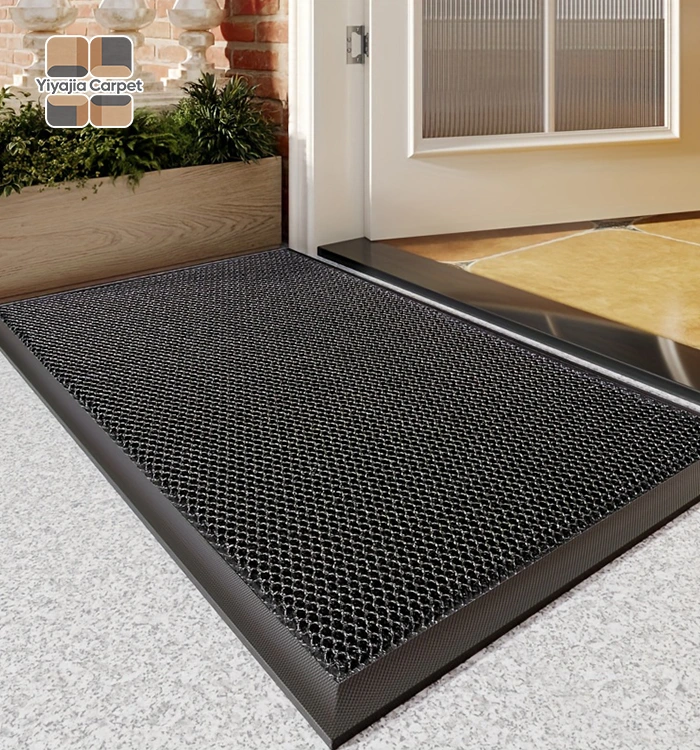
By carefully putting walk-off mats at exits, water and dirt are caught before they reach the main flooring. This keeps it looking great for a much longer time. Pads for furniture keep things from getting crushed in set spots by spreading the weight out. When room furniture moves around, it changes the flow of traffic every so often. This keeps pathways from having single wear tracks. New problems are found before they get worse and cost a lot to fix. One way to stop damage from getting worse is to fix loose seams or worn edges right away. People who take these steps will waste less because things will last longer between replacements and use less chemicals because they won't have to be cleaned as often. These two things will help the hotel meet its general goals for being environmentally friendly.
Conclusion
When hotels choose eco-friendly carpet, they balance sustainability with high performance standards. Recycled nylon, wool, and PET in the best hotel carpet offer durability for high-traffic areas while improving indoor air quality. Procurement teams must verify trusted best hotel carpet suppliers, check certifications, and analyse lifetime costs before purchasing. Proper best hotel carpet maintenance maximises investment returns and meets sustainability goals. Eco-friendly best hotel carpet enhances brand image, meets guest expectations, and positions hotels ahead in markets where environmental considerations increasingly matter.
FAQ
Are eco-friendly hotel carpets more expensive than traditional options?
If you look at the total cost of a rug, you can see that certified sustainable rugs will save you money in the long run. With better longevity, you can go longer between replacements, and because it needs less maintenance, it costs less to run in the long term. Because of these things, eco-friendly options generally pay for themselves in three to five years, which makes them a better deal for hotels that have to buy things all the time.
Can sustainable carpets withstand heavy hotel foot traffic?
Eco-friendly fibers like recycled nylon and wool mixes are made to work well in business and hospitality settings as long as they are used properly. These materials meet or go beyond the standards needed in halls and doors with a lot of foot traffic when it comes to abrasion resistance, tuft bind strength, and physical stability. When looking at different suppliers, getting detailed information and test results from a third party is a good way to make sure the products you choose are useful.
How do I verify authentic sustainability claims?
For proof to be valid, it needs to be certified by a third party instead of just claims from the seller. Cradle to Cradle, Green Label Plus, OEKO-TEX, and LEED compliance papers all show that a product is good for the earth. Make sure you get full certification packages with test results and expiry dates before you place a big order. This will keep you safe from the common greenwashing scams that happen in markets with a lot of competition.
Partner with Yiyajia Carpet for Your Sustainable Hotel Flooring
Yiyajia Carpet is the best hotel carpet supplier specializing in leisure projects that are good for the environment. The TPR thermoplastic rubber backing and fine fake cashmere top give you a high-end look that lasts for a long time. Safety and compliance are guaranteed by CE and ROHS norms. Keeping supply lines stable, making sure quality is always high, and letting you change the size, color, and brand of items starting at just 50 pieces are some of the problems that people often have when they buy things. We can make samples quickly (in 24 to 48 hours) and can handle 2,000 square meters of work every day. This makes sure that jobs are finished on time. We want to hear about your needs and show you how committed we are to quality, sustainability, and trust in our partnerships. Email us at sale@yyj-carpet.com.
References
1. Green Building Council. "LEED Certification Standards for Sustainable Building Materials in Commercial Hospitality Applications." Green Building Research Institute, 2023.
2. Textile Industry Association. "Performance Standards for Commercial Carpet in High-Traffic Hospitality Environments: A Comprehensive Technical Guide." International Flooring Standards Board, 2022.
3. Environmental Protection Agency. "Indoor Air Quality Impacts of Low-VOC Flooring Materials in Commercial Buildings." EPA Commercial Building Research Division, 2023.
4. Sustainable Hospitality Alliance. "Lifecycle Cost Analysis of Eco-Friendly versus Conventional Flooring in Hotel Properties." Hospitality Sustainability Research Group, 2022.
5. International Organization for Standardization. "ISO 9001 Quality Management Systems: Application to Textile Manufacturing and Supply Chain Operations." ISO Technical Committee, 2021.
6. Hotel Industry Research Foundation. "Guest Preference Trends: Environmental Sustainability Factors in Accommodation Selection Decisions." Hospitality Market Analysis Report, 2023.