_1774494554973.webp)
Long corridor carpet options featuring fade-resistant dyes
July 9, 2026


When procurement managers choose flooring for long hallways in hotels, office buildings, or healthcare facilities, they have to deal with a constant problem: making sure the floors look good even though they are exposed to light and traffic all the time. Long corridor carpets with dyes that don't fade solve this problem by being durable and keeping the color bright for a long time. These special cloth floor covers are made to survive weather stressors while keeping their good looks. This makes them very useful for buildings that want to cut down on replacement cycles and lifetime costs. When buying teams understand the technology behind fade-resistant treatments and match product specs to operational needs, they can make confident, strategic decisions that improve branding and the customer experience in commercial spaces.
Understanding Long Corridor Carpets and Fade-Resistant Dyes
Standard area rugs and broadloom installations serve very different purposes than long corridor carpets. These products are made to work in high-aspect-ratio transitional spaces where traffic patterns concentrate wear along narrow paths, causing accelerated degradation known as "traffic lane tracking." Unlike residential applications, commercial corridors need materials that don't crush, keep their shape, and reduce noise in small spaces by dampening sound.
What Makes Fade-Resistant Dyes Essential?
Advanced chemical bonding processes hold pigments deeper within carpet strands in fade-resistant dye technology. Solution-dyed production adds colorants directly to the polymer structure before extrusion. This makes the color more stable and lasts longer than treatments that are added to the surface. This method gives better protection against ultraviolet light, oxidation, and cleaning chemicals, which are the three main reasons why colors fade quickly in business settings.
The useful benefits have a direct effect on the value of purchase. According to studies in textile engineering, facilities that use fade-resistant long corridor carpets change them 40–60% more often than those that use traditional dyeing methods. Visual stability over years of service saves the look of the brand and gets rid of the budget problems that come with last-minute renovations.
Key Performance Characteristics
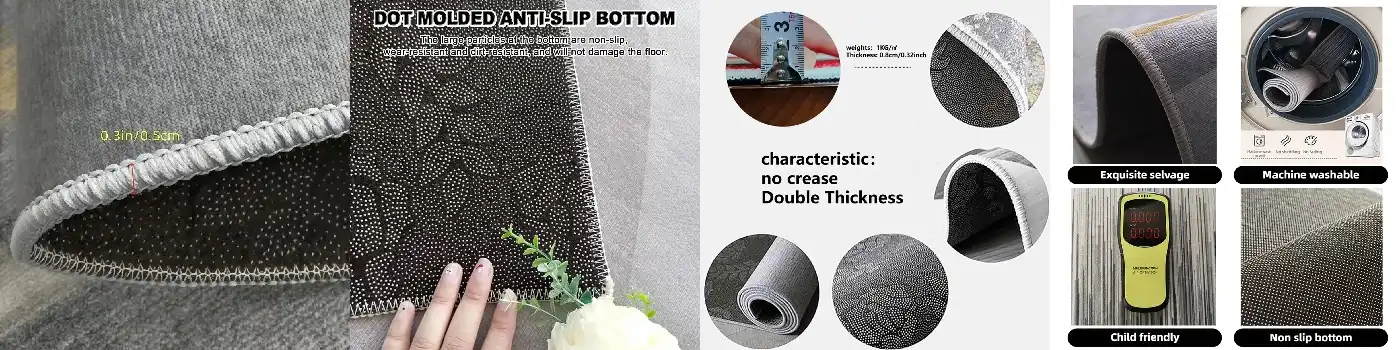
Commercial-grade long corridor carpets that don't fade usually have engineered fiber mixes, high-density pile construction, and reinforced backing systems. Yiyajia Carpet's corridor options have fine faux cashmere surfaces and TPR thermoplastic rubber backings. This makes the carpets comfortable, long-lasting, and non-slip. The machine-woven design with edge locking stops fraying even when moving suitcase carts are used, which is a common way for things to go wrong in hotel settings.
When buying from other businesses, environmental certificates are very important. Products with CE and ROHS certifications meet both European safety standards and global environmental rules. This makes it easier for international projects to specify what they need. The fact that it is silent and safe for babies means that it can be used in more places, like schools and hospitals, where worries about air quality affect the choice of material.
Types of Long Corridor Carpets Featuring Fade-Resistant Dyes
The choice of material has a direct effect on both how well it works and how well it resists fade. Knowing the pros and cons of each type of fiber helps buying teams match product requirements with the amount of traffic, the ease of upkeep, and the budget.
Fiber Material Comparison
Solution-dyed nylon is the standard for heavy-duty industrial use because it is very durable and keeps its color. The chemical nature of the fiber doesn't allow it to be compressed, so the pile height stays the same even in places that get over 1,000 passes per day. Polyester alternatives are less expensive and work well in areas with mild traffic, like the hallways of an executive office.
Blends of wool and nylon offer both natural luxury and man-made sturdiness, which makes them perfect for high-end hospitality projects where the way something feels affects how guests feel about it. Soil-hiding properties are built into wool fibers because they naturally twist, hiding dirt buildup between cleaning processes. Our faux cashmere surface treatments have the same high-end looks as the real thing, but they are easier to clean and come from the same supplier, which are both very important for procurement managers who are in charge of installing things at multiple properties.
Construction Methods and Pattern Integration
Commercial carpets are mostly made with the tufting method because it saves money and lets designers be creative. For hallways, high-density tufted long corridor carpets (36–48 oz/sq yd face weight) are the best choice because they keep the carpet's shape and don't crush the pile, which can show wear patterns. Needle-punched designs are very durable for industrial settings, but they don't look as nice.
Pattern recognition is useful for both practical and mental reasons. When you look down long halls, geometric designs with directional elements make them seem shorter. This stops the tunnel effect that makes you feel uncomfortable in space. Heathered yarns and multi-tone patterns are used to hide dirt and light fading, which means that you don't have to clean them as often. Yiyajia's heat transfer printing technology can handle any pattern complexity, so it can be used to make brand-specific designs and navigation elements without the minimum order requirements that come with weaving.
How to Select the Best Long Corridor Carpet with Fade-Resistant Dyes?
When making purchasing choices, operating needs must be systematically compared to product capabilities. Structured criteria screening keeps specs from not matching up with real-world performance needs, which can be very expensive.
Assessing Operational Requirements
Classifying traffic volume is the basis for choosing the right long corridor carpet. Hotels have heavy check-out and check-in times in the morning and evening, so they need rugs that are rated for heavy business use (Class 33 under EN 1307 standards). Most of the time, office hallways have steady, middling traffic that is good for medium-duty items. Healthcare facilities need to think about more things, like how well they prevent infections and how easy it is for wheelchairs to move around.
The environment has a big effect on the fade resistance needs. UV light is increased in hallways with lots of windows or skylights, so solution-dyed fibers are needed instead of piece-dyed ones. Moisture levels are affected by how well the HVAC system works, which in turn affects how stable the dye is and how much microbes can grow. During site reviews, procurement teams should write down these factors so that they can use them in their conversations with suppliers.
Evaluating Supplier Credentials and Customization Capabilities
Certifications are concrete proof of the quality of the product and compliance with regulations. ISO 9001 certification shows that quality management is being done in a planned way, which lowers variation from batch to batch. This is especially important for phased setups that need to match colors across delivery dates. OEKO-TEX approval makes sure that harmful chemicals are not present, which meets the needs of stricter environmental purchasing rules.
Customization options have a direct effect on how feasible a project is and how well the brand fits in. Yiyajia's low MOQ of 50 pieces for customizing size and color works for small hotel projects and phased rollouts without making customers commit to too much inventory. Customizing a mark only takes seven days, which lets you make quick prototypes and run yearly refresh programs. Our daily production capacity of 2,000 square meters makes sure that there is a steady supply for large-scale deployments on multiple sites.
Sector-Specific Recommendations
Patterns that use company color palettes and minor direction cues that help people find their way around the office are helpful. In professional settings, pile weights in the middle (28 to 36 oz/sq yd) are a good mix between comfort and ease of upkeep. To deal with guests' different habits, hospitality apps need higher pile thicknesses and treatments that don't stain. Healthcare long corridor carpets need installation methods that don't leave gaps and surfaces that are compatible with antimicrobials. Smooth-surface designs make disinfection easier.
Installation, Maintenance, and Troubleshooting for Fade-Resistant Long Corridor Carpets
Using the right installation method saves both the product's performance and its guarantee coverage. Even high-end long corridor carpet that doesn't fade fails early if the backing isn't properly installed or if moisture gets trapped inside.
Installation Best Practices
For corridors, the double-stick method is the best because it bonds the cushion pad to the base and the carpet to the pad in two different steps. This method stops rippling under rolling loads, which happens a lot when stretch-in installation isn't done right for wheeled traffic areas. Preparing the subfloor by checking for moisture and applying leveling powder stops telegraphing and adhesive failure.
The seam placement technique reduces the amount of visible interference and structural weakness. Professional workers put seams inside opening steps or alcove changes instead of in the way of main traffic lanes. Drop-match techniques mean that pattern matching at T-junctions needs to buy more material, which usually adds 10-15% to the base square footage estimates. Yiyajia ships products with full installation instructions, which makes it less likely for contractors to make mistakes during the installation process.
Maintenance Protocols for Color Preservation
Fade-resistant colors make upkeep easier, but they don't get rid of the need for it. High-filtration cleaning (HEPA-rated systems) every day gets rid of rough dirt particles before they damage the machine. Once a week, spot cleaning takes care of spills right away, which keeps stains from setting in and lowers the need for deep cleaning. Cleaning the coating every three months with low moisture keeps the look without adding too much water, which can damage the glue on the back.
Choosing the right cleaning products is very important. Cleaners with an alkaline pH of more than 10 can change the way dyes work, even in solution-dyed fibers, which can lead to small changes in color over time. Our scientific documentation lists pH-neutral formulations that work with TPR backing materials, keeping the slip-resistance qualities and stopping delamination.
Troubleshooting Common Issues
Finding speed problems early on lets you fix them before you have to replace a lot of things. Graying in traffic lanes is usually a sign of not enough upkeep rather than dye failure. This cosmetic issue can be fixed by using zone-based cleaning plans that focus on cleaning the main traffic paths. Edge fraying means that the pile density isn't high enough for the job. To stop development, use transition strips or clean around openings more often.
Most of the time, intense UV radiation through windows causes fading that can be seen in certain areas. Architectural solutions, such as UV-blocking window films, go well with the choice of material because they make the long corridor carpet last longer across the whole hallway instead of having to be replaced in patches.
Procurement and Supplier Insights for Fade-Resistant Long Corridor Carpets
Strategic buying methods lower the cost of purchases and improve the dependability of the supply chain. Creating relationships with skilled makers lowers the problems that come up when you need to place multiple orders.
Bulk Purchasing and Logistics Optimization
Optimizing the load of containers has a big effect on the supplied unit costs. Depending on the pile weight and the way the long corridor carpet is packed, standard 40-foot barrels can hold between 3,000 and 4,000 square meters of rolled carpet. Yiyajia's export-grade container can handle moisture and handling pressures and makes the best use of space. Our transportation team figures out the best ways to load items, which cuts shipping costs by 15–25% per unit compared to ad hoc methods.
To handle lead times for passageway carpet, you need production planning and shipment tracking. Our established passageway carpet production lines usually turn orders around in 21 to 28 days from deposit to port exit. For urgent passageway carpet projects, we can expedite. Clear passageway carpet order tracking and early delay warnings give buying teams confidence to plan installation schedules for passageway carpet.
Warranty and After-Sales Support Structures
Full guarantee coverage lowers the risk of buying things when they are being installed on a big scale. If there are quality problems like printing flaws, wrong measurements, or premature wear within certain limits, the long corridor carpet will be replaced for free, including the cost of shipping. This safety is especially helpful during the initial qualification phase, when working with a new provider is inherently risky.
Having dedicated account management for return customers makes it easier to reorder and makes sure that production stays consistent. Our technical support team is always available to talk about how to improve processes and styles. They help buying teams make changes to specs based on data from real-world performance. With this collaborative method, relationships with suppliers go from being transactional to being strategic partnerships that help site managers reach their long-term goals.
Conclusion
When choosing fade-resistant passageway carpet, you must weigh technical requirements, practical needs, and supplier capabilities. Solution-dyed fibers and heat transfer technologies for passageway carpet protect colour investment even after years of heavy commercial use. Successful passageway carpet procurement requires analysing traffic patterns, environmental factors, and customisation needs, then matching these with supplier certifications and production capabilities. Proper long corridor carpet installation and maintenance schedules ensure continued performance, while partnerships with capable long corridor carpet suppliers maintain quality consistency across project phases. These considerations help procurement managers select long corridor carpet with clear lifecycle value.
FAQ
How do fade-resistant dyes actually work in corridor carpets?
Solution-dyeing adds dyes to the polymer melt before the fiber is extruded. This gives the fiber color all the way through instead of just coating the outside. Piece-dying methods used after manufacturing are not nearly as good at protecting molecules from UV damage, chemical exposure, and mechanical wear in long corridor carpets.
Can fade-resistant carpets handle exposure from skylights and windows?
Yes, but the amount of UV light still matters. Our solution-dyed nylon and faux cashmere long corridor carpets stay the same color in normal business lighting, even when they are exposed to some natural light. Extra window covers can help extend the life of things in places with very high UV levels.
What kind of care keeps fade protection the best?
Daily sweeping gets rid of rough particles, weekly spot treatment quickly fixes spills, and low-moisture cleaning every three months keeps the look without exposing chemicals to too much water. This balanced method keeps both the dye's stability and the backing's integrity for the 7–10 years that most commercial long corridor carpets are used.
How quickly can custom corridor carpet orders ship?
Yiyajia keeps a stock of base materials that lets them make samples in 24 to 48 hours. Production orders for long corridor carpets usually ship 21–28 days after deposit, but we can meet tight deadlines with our 2,000-square-meter daily capacity if we talk to account managers ahead of time.
Partner with Yiyajia Carpet for Your Corridor Flooring Needs
Yiyajia (Tianjin) Carpet Co., Ltd. is the only company that can offer consistent quality, quick tailoring, and full support for procurement professionals looking for a reliable long corridor carpet provider. Our advanced heat transfer printing and precise laser cutting technologies give you endless design options while still meeting the high quality standards that B2B buyers demand. CE, ROHS, and OEKO-TEX approvals make sure that products sold in global markets follow the rules. This makes the design process easier for projects that involve people from different countries. Email our sales team at sale@yyj-carpet.com to get examples that show how fade-resistant our long corridor carpet is, to talk about bulk prices, or to look into custom design options that match the look of your brand's corridors. Our established freight partnerships and export-friendly packing make it possible for us to offer predictable wait times and low logistics costs for all orders, no matter how big or small.
References
1. Textile Research Journal, "Solution-Dyed Fiber Performance in Commercial Applications," Volume 89, 2019.
2. Building Owners and Managers Association International, "Lifecycle Cost Analysis of Commercial Flooring Systems," Technical Report, 2021.
3. American Society for Testing and Materials, "ASTM E648: Standard Test Method for Critical Radiant Flux of Floor-Covering Systems," 2020 Edition.
4. Indoor Air Quality Association, "Impact of Flooring Materials on Commercial Building Air Quality," White Paper, 2022.
5. International Facility Management Association, "Flooring Specification Guide for High-Traffic Commercial Spaces," 2023.
6. Carpet and Rug Institute, "Green Label Plus Certification Standards for Commercial Carpet Products," Technical Documentation, 2022.