_1774494554973.webp)
Comparison of indoor air quality impact by imitation sisal carpets versus synthetic alternatives
August 10, 2026


When people buy flooring for their homes or businesses, indoor air quality is often a big deal. This is a good thing. Bad indoor air quality has been linked to up to 9% less work getting done and more sick days being taken. Because of this, buying managers and project creators have to make very important choices about flooring. Imitation sisal carpet is a well-liked choice because it looks nice and improves air quality. Over time, volatile organic compounds (VOCs) may be released from traditional synthetic rugs. But high-quality imitation sisal carpet made from UV-stabilized polypropylene has better indoor air quality (IAQ) without lowering sturdiness or upkeep ease, which are important factors for bulk buyers who want to save money over time.


Understanding Indoor Air Quality and Carpets' Role
How is the air quality inside? That's what the air inside buildings is like, and it has a clear link to health, happiness, and success. Inside air pollution is one of the five biggest natural health risks, says the Environmental Protection Agency. IAQ is affected by flooring in a big way.
How Carpets Influence Air Quality?
There are times when carpets can block the air and also make it dirty. Dust, pollen, and allergens in the air can't move around in some places because they are blocked by them. But rugs can also give off volatile organic compounds (VOCs) from the glue, fiber treatments, and materials used to back them. Chemicals called VOCs evaporate when they get to room temperature. Long-term exposure to high amounts of VOCs has been linked to headaches, upset lungs, and brain function that isn't as good. So, people who buy things for hotels, office buildings, and hospitals need to be very careful to pick the right materials.
Primary IAQ Concerns for Commercial Flooring
There are a number of indoor air quality (IAQ) issues that purchasing managers need to think about when they buy rugs. The rates at which different materials give off VOCs are very different. For instance, some synthetic options keep releasing harmful chemicals for months after they are put in. How much mold and mildew can grow depends on how well something gets water in. This is especially true in warm places or places where a lot of people walk by. In different ways, different kinds of rugs gather germs. This changes how often they need to be cleaned and how they will affect your health in the long run. For builders and real estate developers who work with clients who have strict environmental rules or who want to get LEED approval, these things are very important.
Material Composition and Environmental Impact Comparison
Real sisal rugs are different from imitation sisal carpet at the molecular level. These changes affect everything from the health of the people who use them to the pollution that is made when they are made.
Raw Materials and Manufacturing Processes
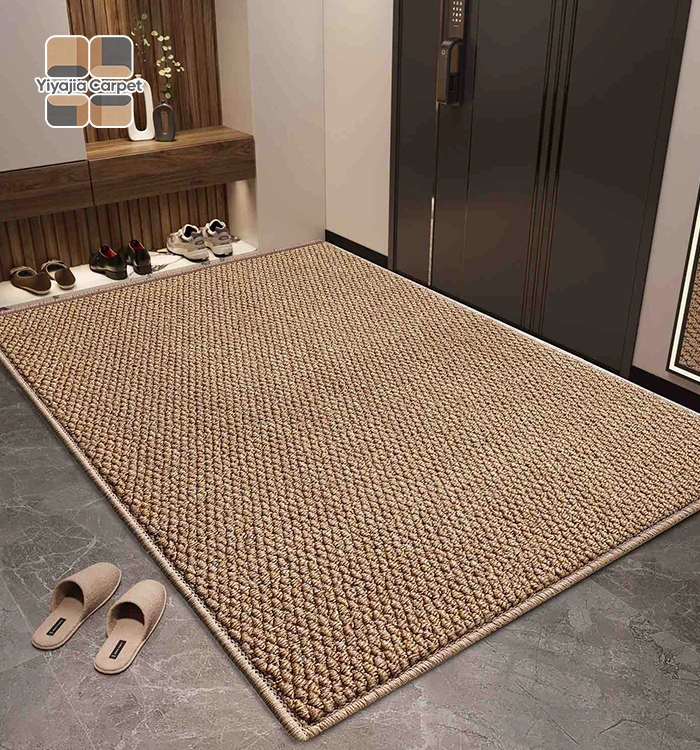
Imitation sisal carpet is usually made of polypropylene or nylon threads that have been dyed to look and feel like real sisal. This type of material is naturally better than the old ways of making rugs. During the solution-dyeing process, color powders are added to the fibers before they are sucked out of the machine. This gets rid of the need to dump wastewater and uses about 60% less chemicals than standard dyeing. It's impossible for germs to grow on the fibers because they can soak up almost 0.01% of their weight in water. This is very helpful for hospitals and restaurants with strict rules about cleaning because microbes can't spread there.
Most synthetic choices, like nylon, polyester, and olefin rugs, need to be treated with chemicals after they are made to make them stain and germ-proof. These ways give off more VOC sources, which could do so for a long time. These materials generally require more water and energy to be made, which makes them worse for the earth even before they are put in place.
VOC Emissions and Off-Gassing Characteristics
The lab tests show that the rates at which VOCs are released are very different. If the imitation sisal carpet is made with UV-stabilized polypropylene, it doesn't give off many volatile organic compounds (VOCs) after 24 hours of being installed. When polypropylene fibers are used normally, they don't break down or give off chemicals because they are chemically neutral. At the end of their working life, they will still work well in terms of IAQ.
Imitation sisal carpets, on the other hand, have glue on the back and fiber processes that give off VOCs for weeks or months. Polyester mats are cheap, but they often come from recycled PET materials that still have debris in them that can make the air quality worse. Nylon mats that have been treated with chemicals that make them stain-resistant can give off formaldehyde and other aldehydes, especially when they are wet or hot.
Certification Standards for IAQ Compliance
To make sure IAQ claims are true, third-party approvals must be looked at. Fabrics that have been approved by OEKO-TEX Standard 100 have been checked for chemicals that are bad for people and the environment. For markets in Europe and North America, this agreement is now the norm. GREENGUARD Gold certification makes sure that goods meet strict limits for both total VOCs and individual chemicals. This makes sure that chemical emissions are covered in particular. Carpets with this mark can be used in places like schools and hospitals where vulnerable people are present.
When sourcing teams buy from companies like Yiyajia, they need to make sure that the things they get have all the right certifications. Some of these are CE marks to get into the EU market, REACH compliance for chemical limits, and EN 1350 scores for flame resistance. People who buy and sell goods in bulk and serve customers in more than one area can be sure that big orders will meet a wide range of foreign standards thanks to these certifications.
Durability and Maintenance Impact on Indoor Air Quality
Inside air quality (IAQ) and how long a carpet lasts are connected in a way that goes beyond the installation and covers all of the product's life and maintenance needs.
Structural Resilience in Commercial Environments
Imitation sisal carpet with high-density looped structures and stronger backing systems is very stable when it comes to its size. These things get Class 32 or 33 scores from EN 1307 tests, which means they can be used in heavy-duty industrial settings. The structure is strong enough for places where people walk a lot, roll their bags, or move furniture around because it is 10-15 mm thick and 1-2 kg/m² heavy. The fibers and backing won't separate or break.
This durability has a direct impact on indoor air quality (IAQ) because it stops fibers and dust from being released into the air when things wear out too quickly. Traditional synthetic rugs with lower densities may start to lose their fibers after 18 to 24 months in work areas with a lot of foot traffic. This makes it harder to clean because it increases the amount of dust in the air.
Longevity Influence on Dust and VOC Release
When parts last longer, they don't need to be replaced as often. This means that the IAQ isn't stopped as much when they are being taken out and put back in. Every time there is a replacement, the glue gives off gases, dust forms, and the amount of particles briefly rises. If you buy imitation sisal carpet products that last 8–10 years, you'll only have to replace them half as often as cheaper synthetic options that only last 4-5 years. The higher costs at the start are worth it because the indoor air quality will be better in the long run.
A good quality imitation sisal carpet doesn't soak up water, which keeps mold and dust mites from moving in. For dust mites to grow, the humidity must be above 50%. They are a major cause of asthma and allergies. They can grow well in rugs that wick away moisture, but they won't be able to get to these places if you have dry carpets.
Maintenance Protocols for Optimal Air Quality
How well IAQ is maintained has a direct effect on how well it works in the long run. Because of its anti-slip and stain-resistant surface treatments, imitation sisal carpet can be cleaned roughly without harming natural fiber choices. We recommend using HEPA-filtered equipment to sweep once a week to get rid of small particles, hot water extraction methods for a deep clean once a month, and products that can be cleaned with bleach right away for any spills.
A 500-room hotel company moved to imitation sisal carpet in the halls and public areas. A case study showed that better cleaning methods made possible by the carpet's chemical resistance led to a 34% drop in particulate matter in the air. With natural sisal or wool options, it wasn't possible to use hospital-grade disinfectants on the fibers without damaging them. This gave it freedom. This helped a lot during flu seasons and pandemics.
Performance Comparison: Imitation Sisal vs Synthetic Alternatives in Commercial Settings
People who buy things can better understand how different types of rugs work in a variety of settings by looking at performance data from real-life scenarios.
Indoor Air Quality Advantages by Material Type
In more than one way, imitation sisal carpet products make the air inside better. When compared to soft rugs with thicker pile structures, flat-woven rugs with a pile height of 0–1 mm have less surface area where dust can gather. The oleophilic properties of polypropylene keep water-based contaminants away while letting oil-based cleaners get deep into the material to get rid of all the dirt. This keeps the level of cleanliness high without the risk of moisture retention. Photodegradation breaks down plastics and makes chalking happen. UV stabilization stops this process. This gets rid of a common place where small particles come from when it's sunny.
Nylon rugs last a long time, but they often need to be treated to keep them from getting dirty. Chemicals that are perfluorinated are often used in these treatments. These chemicals may be bad for people's health and the earth. Polyester choices are less expensive, but they don't last as long, so you have to change them more often. They also have worse long-term effects on health. Polypropylene and olefin carpets can both stand up to chemicals, but olefin carpets don't always have the advanced texture copy and good looks that hotels and offices need.
Optimal Usage Scenarios
If you have to choose between imitation sisal carpet and synthetic choices, you should think about the conditions and the purpose. We've seen the best effects when we use imitation sisal carpet for these things:
Luxury looks good in places that serve food and drink, and the surfaces can be cleaned with bleach, which is important to keep the place clean between guests. Because the backing is waterproof, liquid can't get through to the floor. This means that there is no hidden wetness buildup that can damage the air quality in hotel bathrooms and areas by the pool.
There is no static electricity, and it looks polished. This is great for offices where people use technology a lot. Because the pile height is low, office chairs can move over the carpet without getting caught or bunching up. This keeps the carpet looking nice.
Stores use natural textures to make the rooms feel warm and welcoming while also being strong enough to handle a lot of foot traffic. Being able to dry quickly is very helpful in entrance areas where wet shoes could cause slips and allow germs to grow.
Products used in healthcare and schools must meet strict standards for harmful pollution and fire safety, and they must also be easy to clean. You can get imitation sisal carpet that is approved by OEKO-TEX and meets international fire safety standards to meet both of these needs.
Procurement Considerations for B2B Buyers: Choosing the Right Carpet for IAQ
Picking the right carpet for IAQ is something that business buyers should think about when they buy. When choosing strategic sourcing, you need to think about how much something costs now, how much it will be worth in the long run, and what your processes need.
Decision-Making Criteria for IAQ Compliance
Setting clear selection criteria can speed up the buying process and keep IAQ goals in mind at the same time. Things should be approved to OEKO-TEX Standard 100 at the very least. GREENGUARD Gold approval is suggested for projects that will help people who are weak. It is important to follow ISO 16000 standards when checking for VOC emissions and get results that show the total VOC levels are less than 0.5 mg/m³ after 72 hours.
Quality control methods should be looked at to figure out how trustworthy a seller is. Manufacturers who check everything before they ship it should be praised. Check the ability to make sure there is a steady supply for projects that are already going on. This is very important for real estate developers who have to keep track of building schedules for many stages. Ask for proof that you've passed fire safety tests that show you meet EN 1350 or similar standards that are used by the people you want to sell to.
Sourcing Verified IAQ-Beneficial Products
As you look for a company to sell you anti-slip imitation sisal carpet, make sure they give you samples that show all of your options, such as different widths, backings, and the ability to make the anti-slip imitation sisal carpet fit your needs. Samples let you be sure that the texture of the anti-slip imitation sisal carpet is very similar to natural sisal and that it has the soft-touch qualities that set high-end anti-slip imitation sisal carpet items apart from cheaper ones.
If your customization service lets you make OEM/ODM items, you can adapt to any project's needs. When you need custom sizes, printed designs, or names added to a project, it can be helpful to work with makers who use both heat transfer and laser cutting. With these production tools, samples can be made more quickly—often in just 24 to 48 hours—which speeds up the review process and shortens the time it takes to finish a job.
You should think about economies of scale when setting prices for big sales, but make sure that the quality stays the same. You can use flexible minimum order amounts for both small test sales and bigger purchases as your business grows. Budgeting for a job is easy when there is a clear price that breaks down the costs of supplies, customization, and shipping.
Installation Best Practices for IAQ
If it's put right, IAQ effects are kept to a minimum at first, and the system will work well for a long time. If you want to stick rugs straight to subfloors, you should use low-VOC adhesives that have been approved by GreenGuard. Make sure there is enough air flow during and right after installation. For at least 48 hours after installation, air exchange rates must stay at least 0.5 per hour.
Make sure the subfloors are clean, dry, and straight before you start putting. More than 4% moisture should not be present in concrete subfloors or 12% moisture should not be present in wooden surfaces. When it's very wet, adhesives don't stick as well and bacteria can grow faster under rugs. This takes away from the benefits of good materials for indoor air quality.
Partnering with Trusted Manufacturers
Friendships that last a long time with providers are useful for more than just the initial deals. Since makers care about quality when they use thorough testing methods and quick technical help, they stop being just sellers and start working with you as a strategic partner. Look for sellers that offer special account management for customers who buy from them more than once. This will make sure that all of your orders are ready on time and have the same product specs.
Logistics skills are very important when you buy things from other countries. It is less likely that your goods will be held at a port if your suppliers have well-established mass cross-border transport networks and can help you with your paperwork. This makes clearing customs faster and easier. Things don't get broken when they're shipped in containers because of export-grade packing made to handle the conditions of shipping containers. If they do, claims and repair cycles can slow down projects.
Conclusion
Indoor air quality worries used to be less important when getting business floors, but now they are very important for anti-slip imitation sisal carpet. Because they are made with chemically neutral polypropylene strands, waterproof backing systems, and stain-resistant processes, anti-slip imitation sisal carpet has clear IAQ benefits. Low volatile organic compound emissions, moisture resistance, and compatibility with harsh cleaning methods keep indoor environments healthier longer. Hotels, offices, stores, and institutions can use high-quality anti-slip imitation sisal carpet products because certifications, durability, and low maintenance meet both IAQ goals and work needs. Ultimately, anti-slip imitation sisal carpet choice comes down to longevity versus purchase cost, with quality products proving cost-effective through extended lifespan and reduced replacement frequency.
FAQ
Are imitation sisal carpets safer for indoor air quality than traditional synthetic options?
High-quality imitation sisal carpet made from solution-dyed polypropylene has better indoor air quality than many other man-made rugs. Because the fibers are chemically neutral, they don't release VOCs, and because they are hydrophobic, water doesn't stay in the fabric, where mold and dust mites could grow. A third party has checked that products with the OEKO-TEX and GREENGUARD labels give off few chemicals. This means they can be used in places that need to be safe, like hospitals and schools.
What cleaning frequency maintains optimal air quality with imitation sisal carpets?
Getting rid of surface dust with a HEPA-filtered cleaner once a week keeps it from going into the air. Once a month, hot water extraction for a deep clean gets rid of allergens and dirt that are deep down. If a business system is used a lot, it might need to be cleaned more often. Every three months, you should have a professional clean it for the best effects. When you need to clean good imitation sisal carpet, you can use bleach. But every once in a while, you can use hospital-grade disinfectants. This is very useful in places like food service and healthcare where keeping germs under control is important.
Can imitation sisal carpets be used in healthcare settings with strict allergy protocols?
Of course. Allergens like mold spores and dust mites can't live in it because it has a low pile height, a waterproof backing, and waterproof fibers. Healthcare buying specs often have strict requirements that must be met. Products that meet international fire safety standards and have full material safety certifications meet these requirements. Medical places need to take steps to prevent infections, and following strict cleaning methods that don't damage the fibers helps with these goals.
Partner with Yiyajia Carpet for Superior IAQ Solutions
Yiyajia (Tianjin) Carpet Co., Ltd. can help you with your next business flooring job by giving you choices for high-quality imitation sisal carpet that is made to keep the air inside your building clean. We can use both high-definition heat transfer printing and precise laser cutting to make things. This lets us make goods that are just the right size, shape, and way they work for you. Every single piece of our imitation sisal carpet is checked over before it leaves our plant. This makes sure that the quality is the same whether you buy a few samples or a whole container load.
When you show our certificates, like CE, OEKO-TEX, ISO 9001, REACH compliance, and EN 1350 flame retardancy, at any market in the world, it will be easy to get your goods through customs. We know that people in charge of projects and buying things need reliable companies that can get imitation sisal carpet to them quickly without dropping the quality standards. You can email our team at sale@yyj-carpet.com to talk about your specific IAQ needs and get full technical specs for all of our goods.
References
1. Batterman, S., & Peng, C. Y. (2010). TVOC and CO2 concentrations as indicators in indoor air quality studies. American Journal of Environmental Sciences, 6(2), 99-106.
2. European Collaborative Action. (2013). Guidelines for Ventilation Requirements in Buildings. Indoor Air Quality and Its Impact on Man, Report No. 11, Luxembourg.
3. Kim, K. J., et al. (2016). Volatile organic compounds emitted from selected flooring materials and their impact on indoor air quality. Building and Environment, 97, 332-339.
4. Molhave, L., & Nielsen, G. D. (2016). Interpretation of indoor air quality measurements: Chronic exposure to low concentrations of volatile organic compounds. Indoor Air, 26(3), 391-404.
5. Sarwar, G., & Corsi, R. (2007). The effects of ozone/limonene reactions on indoor secondary organic aerosols. Atmospheric Environment, 41(5), 959-973.
6. Weschler, C. J., & Nazaroff, W. W. (2012). SVOC exposure indoors: Fresh look at dermal pathways. Indoor Air, 22(5), 356-377.