_1774494554973.webp)
Area Rugs for Small Spaces: Making Rooms Look Larger
August 10, 2026


It's not just about decorating the floor when you look for the right small living room carpet. It can also be used as a tool for space planning that changes how buyers and end users think about how big a room is. You can make a small room look bigger by putting carpets in the right places and picking the right material and colour. Carpets can also improve sound quality and separate functions. Making small areas more liveable without giving up style or comfort is the main problem that many real estate developers, interior designers, and people who buy business space have. This method solves that problem. When procurement managers understand these design rules, they can choose flooring options that are safe and offer good value for money in home improvements, hotel renovations, and small business spaces.


Understanding the Impact of Carpets in Small Living Rooms
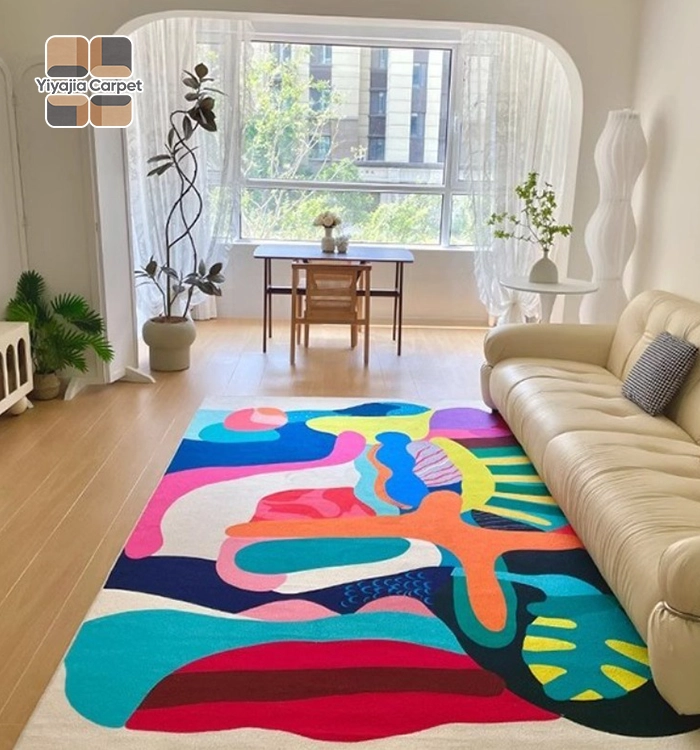
You should really think about how the carpet will make people feel and look when you choose it for a small room. Studies in the field of environmental psychology have found that the way people see space is greatly affected by the types of flooring used. It's possible for area rugs of the right size to make the floor look bigger. The effect is caused by the deliberate contrast between the floors that are covered and those that aren't. This difference makes the eye move outward and makes visual boundaries that don't feel as limiting as real walls.
The Psychology Behind Spatial Expansion
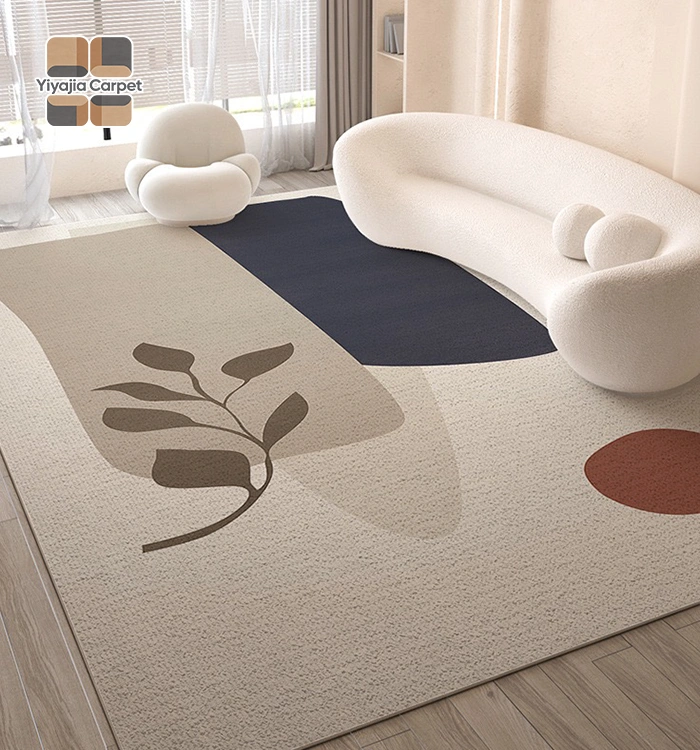
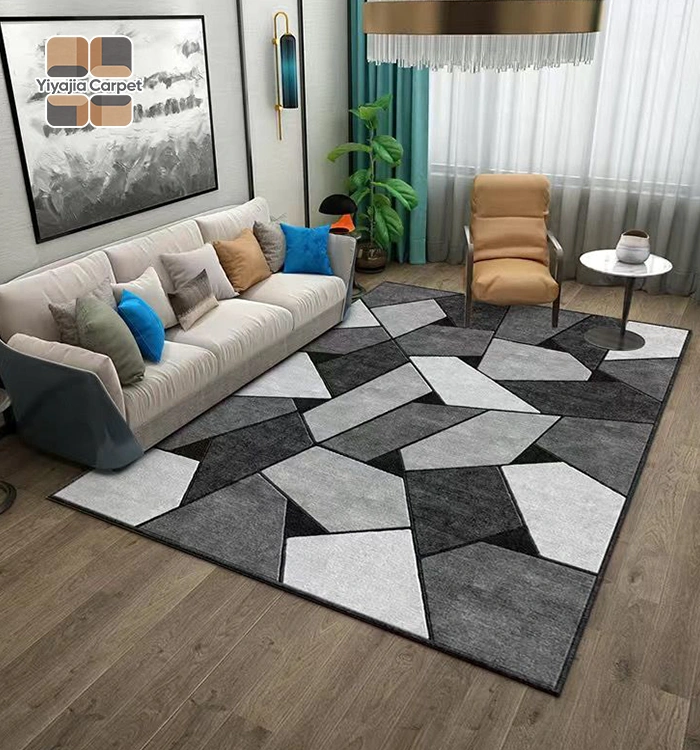
How people feel about the size of a space is directly linked to the heat and complexity of the patterns. Neutral-colored light-reflective fibres, such as soft greys, warm brown, and muted ivories, spread light around the room. This makes rooms look bigger than they really are. Small geometric shapes, on the other hand, can help the eye move without being too much. This is helpful in studio apartments where the living room is used for more than one thing at the same time.
Functional Benefits Beyond Aesthetics
Not only do good floor coverings look nice, they also make people more comfortable in ways that can be measured. Sound echoes more in city flats that are too small, so sound dampening is very important. Homes and areas are quieter for everyone when carpets have a dense pile and a TPR thermoplastic rubber backing. This is because impact noise doesn't pass through carpets. It's also important to insulate the ground floor of apartments and buildings that don't have good climate control. It costs less to heat a home with carpets because they keep heat in longer.
Addressing Common Buyer Misconceptions
A lot of procurement managers don't like rugs in small rooms because they think they will make the room look smaller or be too hard to clean. Thanks to new ways of making things, these worries are no longer necessary. Older wool options aren't as good at keeping their colour and not getting stained as solution-dyed synthetic fibres. The edges don't fray even when there is a lot of foot traffic because the edges are locked in place by machines. Instead of staying away from carpets all together, it's important to know how different materials work and how to arrange rooms.
Choosing the Right Carpet Materials and Styles for Small Living Rooms
The first step in making good buying decisions is picking the right materials. This is especially true when you need to balance long-term needs with limited funds. People who buy flooring for hotels or builders need floors that can handle a lot of foot traffic and still look good for the length of the guarantee. It's important to know a lot about fibres and how to use them to make things.
Synthetic Versus Natural Fiber Comparison
It makes sense that most of what businesses buy is synthetic, like solution-dyed nylon and polyester. Nylon 6,6 is very elastic, so when furniture presses against it, it bounces back instead of leaving marks that won't go away. Polypropylene doesn't soak up water, which makes it perfect for places like entryways and dining rooms where spills happen a lot. These days, small living room carpets are made from fake cashmere mixes that feel soft and rich like real fibres but are better at staying clean and not staining. Because these materials are approved by CE and ROHS, installations are safe for babies and don't smell bad, which makes eco-friendly buyers happy.
Natural wool is more prestigious, but it costs more and takes more work to keep up. Because it soaks up water more quickly, wool is more likely to get mildew in damp places. But buyers of high-end hotels who care more about the quality of the material than how much it costs over its lifetime like that it is naturally fireproof and strong.
Pile Height and Visual Weight Considerations
Low to medium pile heights, which are between 0.25 and 0.5 inches, are best for small rooms because they don't make the room look too big. When there is traffic at pivot points, loop-pile or tight-twist cut pile styles don't get squished, so they keep their smooth look longer than soft styles. The floor will last because it is made of dense piles that weigh at least 2000 ounces per cubic yard. The extra thickness might make rooms feel smaller, though. There should be these technical details in RFQs for buying to make sure that sellers send the right goods.
Strategic Color and Pattern Deployment
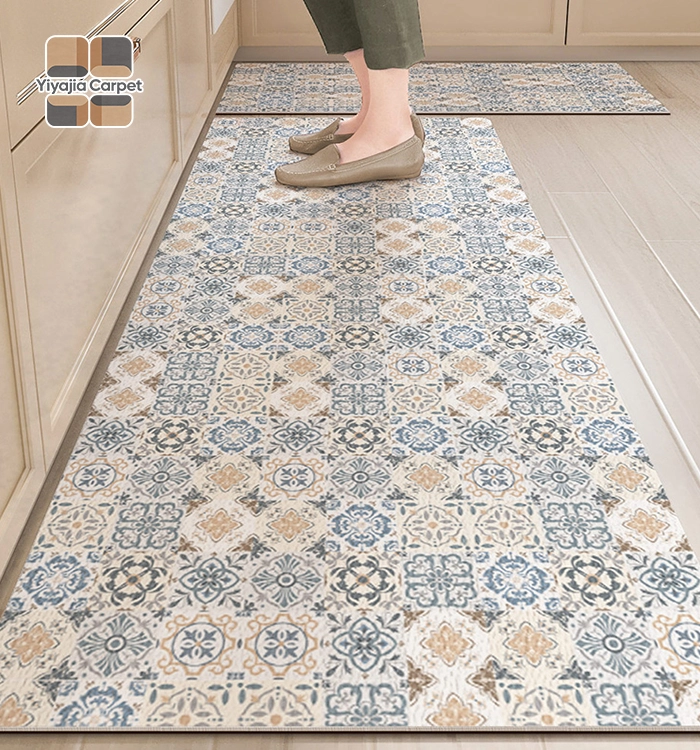
The safest way to make a room look bigger is still to use light and neutral colours. Designs with a lot of different tones hide dirt better than plain colours because they keep the brightness that plants need to grow. When customers ask for more dramatic designs, sourcing teams might suggest putting accent rugs in certain places instead of full-coverage installations, like under coffee tables or groups of chairs. This doesn't take up too much room but makes the place look interesting.
Comparing Area Rugs and Carpets: What Suits Your Procurement Needs?
Installing area rugs and wall-to-wall carpets is very different, and the costs will be different in the long run. This choice is very important for the project's budget and schedule. Area rugs are versatile, which is why web shops and stores that stock a lot of different items like to use them. But wall-to-wall setups work well for new building projects where the builders have full control over how the inside is set up.
Installation Logistics and Cost Analysis
Area rugs like a small living room carpet don't need to be put down by hand because they are already put down when the covering is. It takes less time to finish a project and is simple enough that the layout of a room can be changed quickly when style preferences change. Standardised export packing keeps things safe while they're being shipped across borders and makes the best use of containers. It is easier to move things when the packaging is foldable or in a carton. Suppliers that can make 2000 square meters of goods every day make sure that wholesalers can always restock their shelves when demand goes up during certain times of the year.
Performance Features for High-Demand Applications
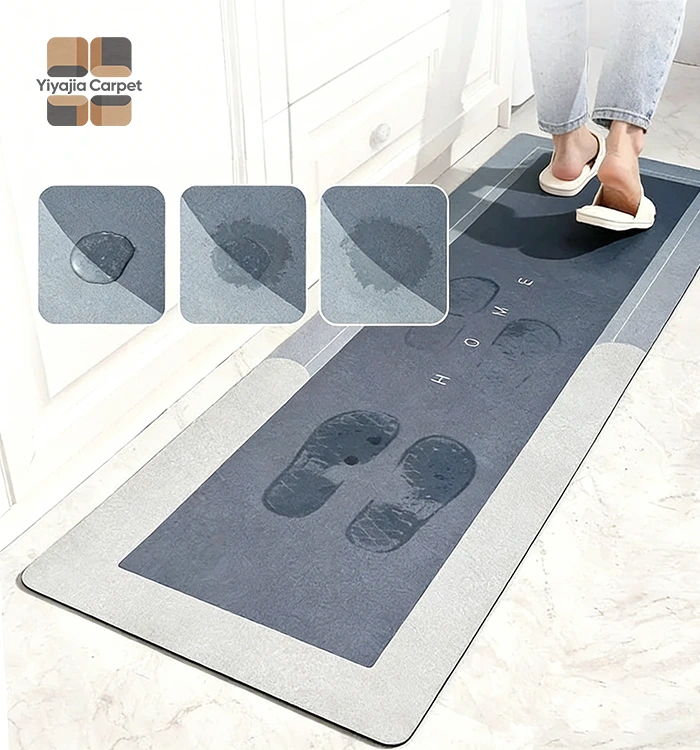
Synthetic carpet is no longer useful in business settings because of new technologies that make it waterproof and stain-resistant. Modern backing systems made of TPR thermoplastic rubber don't slip on hard surfaces and don't need to be glued down. This makes establishments that serve food safer. The cloth won't come apart even if suitcase wheels or cleaning tools hit it because the edges are locked in place by machines. Also, it costs less because it doesn't need to be changed as often.
Recognized Brands and Supply Chain Reliability
Companies with a long history, such as Stainmaster, Mohawk, Shaw, and Karastan, set the standard for quality stability in the business. But new businesses that use cutting edge heat transfer printing and laser cutting technologies have more options at better prices. Buying managers should look at a supplier's CE, OEKO-TEX, ISO 9001, and REACH certifications, as well as how open they are about how much they can make and how ready they are to make changes based on a fair minimum order quantity.
Maintenance and Longevity: Keeping Small Space Carpets Looking Their Best
Lifecycle management has a direct effect on total ownership costs. This is why planning for upkeep is so important during the purchase phase. It will cost you more in the long run if you buy something that needs to be cleaned by pros or replaced often. This is especially important in business settings where downtime costs money.
Daily Upkeep and Traffic Management
It wears down faster in places that get a lot of use because people walk along path that is easy to remember. A vacuum with a HEPA filter should be used at least twice or three times a week to get rid of the rough grit that cuts the fibres and makes the carpet look dull. Putting entrance mats in strategic places at doorways will catch water and dirt before they get to the main carpet areas. This will make it a lot longer between deep cleanings. These easy rules will protect carpet investments without a lot of work if they are made clear to end users or facility managers.
Professional Versus DIY Cleaning Approaches
Hot water extraction, also known as steam cleaning, is still the best way to get things really clean. Based on how much business there is, you should do it every 12 to 18 months. Companies that are bigger and have their own construction teams may buy extraction equipment, but small companies would be better off hiring qualified service providers. Commercial-grade cleaners won't change the colour of solution-dyed synthetic fibres, so they can be used to get rid of spots better when needed. People who work in the hospitality industry and are in charge of places with a lot of guests will benefit the most from this chemical resistance.
Replacement Indicators and Upgrade Opportunities
It's time to get a new Luxurious Living Room rug if you see mats, stains that won't go away, or smells that won't go away. There are procurement managers who are smart enough not to see upgrades as failures. Instead, they see them as chances to add new technologies and make the inside look better. Newer materials often work better and cost less than the ones that were first put in because fibre engineering and backing systems have gotten better. Buyers can get discounts from sellers who want to work with them for a long time if they keep track of when properties need to be changed.
How and Where to Procure the Best Area Rugs and Carpets for Small Living Rooms?
You can change the quality of the product and the buying experience as a whole depending on the supplier you pick. This includes how easy it is to make changes, how reliable the delivery is, and how much help you get after the sale. Buyers who work with a lot of different markets, from European distributors to Middle Eastern hotel groups, need partners who can work with them even though the work needs to meet different regional standards and look good to everyone.
Customization Capabilities and Market Adaptation
Thanks to flexible OEM and ODM services, retailers and importers can make their goods stand out without having to spend money on manufacturing equipment. Heat transfer can print any image you can think of, and precise laser cutting can work with odd forms and exact measurements. One company can make goods that fit the simple styles of Scandinavia, the transitional styles of North America, and the bright colours of Southeast Asia all at the same time because this technology is versatile. As little as 50 pieces are needed to make changes to the size and colour of an item, small and medium-sized businesses that are trying out new market segments can use specialised production.
Bundled Service Offerings and Logistics Support
Cross-border transport networks that are well-developed separate service providers who can do their job from those who can't. This keeps shipments on time and keeps customs problems to a minimum. A lot of manufacturers keep in touch with reliable goods forwarders who know how to load containers in a way that makes the best use of space and cuts down on the cost of shipping each unit. Customs declarations are easy for professional paperwork teams to handle, so there is less chance of being held at the target port. It is very helpful to be able to do these things when selling to places like the European Union that have strict rules about imports, such as REACH compliance and EN 1350 flame retardant ratings.
After-Sales Commitment and Partnership Value
As a way to show suppliers that they can be trusted, quality assurance policies promise free rework or replacement for printing, cutting, or measurement errors, with the makers covering all logistics costs. Customers who buy from the company more than once are given a specialised business liaison who makes it easy for them to reorder and gives them style tips based on new trends. Transactional relationships are turned into strategic partnerships with this method, where sellers help buyers succeed instead of just taking orders.
Conclusion
To pick the right area rugs for small rooms, you need to think about both good space design and how the room will actually be used. The right small living room carpet is made of materials that reflect light, has the right pile density, and is built to last. This will make the room look bigger while still being able to handle a lot of foot traffic. Synthetic fibres today are easy to clean and don't stain, which lowers the cost of ownership without dropping the quality. To get what you need, you need to work with suppliers who can make changes easily, keep an eye on quality, provide reliable shipping, and offer helpful support after the sale. Buyers can be sure that these things will help them choose flooring options that will increase property values and make people happier in residential developments, hotel renovations, and business projects.
FAQ
Q1: What size area rug works best in a compact living room?
A: The "front legs rule" says that the front legs of a sofa or chair should sit on the carpet, but the back legs should not. This will help you choose the right size. In other words, you should be able to see 10 to 18 inches of flooring around the edges. It stops the room from looking too small when walls are next to each other. A 5-by-8-foot or 6-by-9-foot rug can usually fit in a 10-by-12-foot room, but the exact size will rely on how the furniture is set up and the shape of the room.
Q2: How do I prevent slipping on hard floors without permanent installation?
A: The backs of good area rugs are made of materials that don't slip, like TPR thermoplastic rubber, which sticks to flat surfaces naturally. Extra rug pads add extra padding and make it even harder to move. Sticky tapes shouldn't be put directly on the backing of carpet because the dust will make it harder to clean later and could hurt the floor below. In the long run, non-slip pads that are cut to fit work better.
Q3: Can dark-colored carpets work in small spaces?
A: Many people like dark colours because they let in more light and make rooms feel more stable. This can make small rooms feel even smaller. You could use heathered patterns that mix darker and lighter colours as a middle ground, or you could place them under groups of furniture instead of covering the whole room. This way of doing things adds depth to the design without taking up too much room.
Q4: What certifications matter most when sourcing for international markets?
A: Products with a CE mark can be sold in the EU, and materials with an OEKO-TEX mark are safe and good for the environment, which is important for people who care about their health. REACH registration deals with rules for chemicals on European markets, and ISO 9001 shows that quality control is always the same in production. For business and hotel buildings, fire safety grades like EN 1350 are needed. Not only should sellers say they are compliant, but they should also show full proof of these certifications.
Partner With Yiyajia Carpet for Your Small Living Room Carpet Supply Needs
Yiyajia Carpet is ready to help wholesalers, importers, dealers, and project managers who need reliable small living room carpet providers who have a track record of making high-quality carpets. Our precise laser cutting and high-definition heat transfer technologies let you make any design you can think of. Strict full-process quality control makes sure that every package meets CE, OEKO-TEX, ISO 9001, and REACH standards. We can easily handle both large orders and specific needs because we can make up to 2000 square meters of goods every day and customise as few as 50 pieces. We offer professional export-grade packaging, ways to load containers more efficiently, and experienced customs clearance support that takes the guesswork out of shipping, which is good for purchasing managers. Email us at sale@yyj-carpet.com to find out how our OEM and ODM services can help you with your supply chain issues and help your business grow in the long term.
References
1. Anderson, M., & Thompson, R. (2021). Interior Design Psychology: Spatial Perception and Floor Covering Selection. New York: Architectural Design Press.
2. Chen, L. (2022). "Textile Engineering in Residential Flooring: Performance Standards and Manufacturing Innovations." Journal of Applied Textile Research, 14(3), 187-203.
3. Global Carpet Manufacturing Association. (2023). Industry Standards and Quality Benchmarks for Commercial Floor Coverings. Brussels: GCMA Publications.
4. Harrison, P., & Williams, K. (2020). Procurement Strategies for Building Materials: A Guide for Commercial Buyers. London: Construction Industry Press.
5. Martinez, S. (2022). "Acoustic Properties and Thermal Performance of Synthetic Floor Coverings in Compact Urban Housing." Building Science Quarterly, 29(2), 76-91.
6. Reynolds, J. (2023). Sustainable Textiles and Environmental Certifications: Meeting International Compliance Standards. Chicago: Trade Publishing Group.