_1774494554973.webp)
Best Carpet Options for Bedrooms in 2026: Tips & Recommendations
August 10, 2026


When choosing bedroom carpeting for a home or business, the quality of the materials used and how well they were put together affect both how nice they look and how well they work over time. Modern sleeping mats use high-tech fibers like Nylon 6,6 to make them strong, PTT (Triexta) to make them stain-resistant, and eco-friendly materials like recycled polyester or natural wool. With their CRI Green Label Plus certifications, these innovations make the ground more comfortable while also meeting strict indoor air quality standards. As the market moves toward eco-friendly, customizable solutions, procurement professionals put more weight on suppliers who offer flexible MOQ thresholds, quick sampling, and consistent batch quality. This is exactly what the competitive B2B market needs today.

Understanding Bedroom Carpeting: Key Materials and Benefits
Core Material Options and Their Distinct Properties
The world of carpet fibers has changed a lot over the years. Nylon is still the most durable material available. Its high chemical memory lets crushed pile bounce back quickly after being walked on. This fiber type works great in master bedrooms because it lasts a long time and is worth the original investment. Polyester, especially PET versions made from recycled plastic bottles, is very soft and doesn't stain easily at a reasonable price, which makes it appealing to developers who are working with limited funds.
Wool is still popular for high-end residential and boutique hotel projects because it naturally keeps moisture in and prevents fires. It makes a comfortable microclimate in sleeping areas because it can soak up up to 30% of its weight in moisture without feeling damp. Olefin (polypropylene), on the other hand, is a cheap material that doesn't absorb water, but its lower melting point means it can't be used in rooms that get direct sunlight.
Fine faux cashmere surfaces with TPR thermoplastic rubber backing are what we do best at Yiyajia. This mix gives the luxurious feel that customers want while also providing useful benefits like slip resistance and stable dimensions. The machine-woven design and edge-locking technology keep the fabric from fraying even after years of use, which is a problem that often happens with cheaper imports.
Functional Advantages Over Hard Surface Flooring
Bedroom carpeting improves sound levels in ways that hard surfaces can't match. If you install carpeting correctly, it will have a Noise Reduction Coefficient (NRC) between 0.35 and 0.55, which is much lower than laminate flooring's NRC of about 0.05. This soundproofing quality is especially useful in apartment buildings with more than one floor or hotels where keeping guests happy depends on keeping noise levels low between floors. Insulation against heat loss is another strong benefit. Carpeting adds a useful R-value to a room's insulation, which helps keep temperatures stable and lowers the amount of energy used by the HVAC system. The Carpet and Rug Institute has done studies that show rooms with carpeting need less heating in the winter. This means that property managers can save money on operational costs.
Contrary to old beliefs, research from groups like Airmid Healthgroup shows that well-kept carpets actually improve the quality of the air inside by trapping dust particles until they can be vacuumed up, instead of letting them keep moving around like hard surfaces do. Products with the OEKO-TEX label make sure that fabrics don't contain any dangerous chemicals. This makes them safe for people with sensitive skin, like babies and people with allergies.
Contemporary Design Trends Shaping 2026 Selections
Earth tones and soft neutrals have become more popular as color schemes that go with biophilic design ideas. Mostly used in home projects are terracotta, sage green, and warm grays. In the hotel industry, patterned loop constructions that hide wear patterns in high-traffic guest rooms are becoming more popular. People who like different textures tend to like low-profile frieze styles and textured cut-pile constructions that are both aesthetically pleasing and easy to clean. Knowing about these material traits and design changes helps buying teams make smart choices that meet the needs of both the current market and future performance needs.
How to Choose the Best Carpet for Bedrooms: A Decision Support Approach
Differentiating Project Requirements and Use Cases
For commercial hospitality uses, the requirements are very different from those for private setups. As required by ASTM E648 standards, hotel guest rooms must have Class I fire ratings and be able to withstand the harsh cleaning agents used for sanitation. Direct glue-down installation methods work well in these places where stability in size under rolling luggage loads is more important than comfort underfoot.
There is more freedom in residential projects, especially in master rooms that are meant to be luxurious and comfortable, where heavy Saxonies or high-twist frieze rugs are the right choice. Stretch-in installation over good padding gives residents the most plush experience they want. When building multi-unit properties, real estate developers find a balance between these factors by choosing mid-range bedroom carpeting solutions that give the impression of value without sacrificing durability. Every specification choice you make is based on what your end-client values, whether that's a high-end tactile experience, low maintenance costs, or a tight budget.
Critical Evaluation Metrics for Procurement Teams
Face weight and pile density are the main ways to tell if something is of good quality. For bedroom flooring in a home, aim for face weights of 40 to 80 ounces per square yard, and make sure the pile density is higher than 3000 to avoid premature breaking. Twist levels above 5.0 turns per inch keep the appearance from fuzzing and last for long use cycles. Technologies that resist stains have gotten a lot better. Solution-dyed fibers add color all the way through the strand instead of just treating the surface. This makes the fibers less likely to fade and easier to maintain. When working on projects with kids or a lot of dirt, PTT fibers that protect against stains at the molecular level work better than regular nylon that has treatments added to it.
Different markets have different certification needs for a Super soft silk and wool bedside carpet, but most of the time, they include the CRI Green Label Plus for low VOC emissions (less than 0.5 mg/m³ per hour), the CE marking to sell in Europe, and REACH approval for chemical limits. Carpets with Cradle to Cradle or similar environmental standards are good for projects that want to get LEED or a similar green building certification. We keep our CE and ROHS certifications as standard at Yiyajia to make sure that our goods meet international standards for safety and the environment. Our formulas are safe for babies and don't have any smell, so you can move in right away without worrying about off-gassing. This is especially important for residential developers who have to meet tight turnover schedules.
Navigating Bulk Purchase Decisions and Supplier Capabilities
Large buyers should judge sellers by how easy it is to make changes, how quickly they can send samples, and how much of an order they need to place. Sophisticated manufacturers are different from commodity producers because they can specify exact sizes, colors, and even the integration of a brand's logo. Our heat transfer printing technology can handle any pattern, and laser cutting can handle odd shapes and custom sizes without having to wait for tools to be made. Sample accuracy determines how well a project does. Ask for a 1:1 copy of the production in samples to avoid expensive mistakes when the bulk is delivered. We make samples in 24 to 48 hours using the same methods as full production runs. This gets rid of the cycle of trial and error that many buying relationships have.
Product quality is important, but production capacity and delivery reliability are also very important. With a daily output of 2000 square meters and clear order scheduling, we help our clients avoid the container delays and schedule slippages that hurt the profitability of their projects. Because the minimum order quantity (MOQ) for customizing size and color is only 50 pieces, even smaller dealers can afford to test out new designs.
Maintenance and Longevity: Best Practices for Bedroom Carpeting
Professional and DIY Cleaning Methodologies
Using the right vacuum equipment is the first step in routine maintenance. Commercial-grade vacuums with rotating brushes and adjustable height settings get rid of embedded dirt and dust without hurting the pile fibers. Set up routines so that areas with a lot of foot traffic get attention three times a week, and beds with less foot traffic get attention once a week.
Professional hot water extraction, also known as steam cleaning, should be done once a year for home setups and every three months for commercial ones. Do not wet the backing pieces too much, as this could cause them to separate. To stop mold growth, extraction equipment must get rid of all the moisture within 12 hours, especially in humid places. How to treat spots depends on the type of carpet fiber. When it comes to cleaning solutions, nylon can handle a wider pH range than wool, which needs neutral pH solutions to keep the fibers from getting damaged. Always test cleaning products in a place that won't be seen before using them on surfaces that people will see. If you don't want to spread spills deeper into the pile structure, blot them instead of rubbing them in.
Carpet Padding Selection and Its Impact on Performance
The type of padding you choose has an equal effect on comfort, noise reduction, and carpet longevity. Foam cushions are very soft at first, but they lose their shape over time, especially when they weigh less than 8 pounds per cubic foot. Rubber padding lasts longer and doesn't shrink even when heavy furniture is on it, which makes it perfect for master beds with lots of heavy furniture.
Fiber padding made from recycled textiles is a good compromise between price and performance, but it needs to be replaced more often than rubber alternatives. Specifications for thickness are important—padding that is thicker than 7/16 inch lets the carpet bend too much, which speeds up the backing coming off and seams failing. When it comes to protecting carpet investments, dense, thinner padding works better than soft, thick ones. In many situations, our TPR thermoplastic rubber backing can be used instead of separate padding. This is especially true when physical stability and slip resistance are more important than maximum comfort. This unified method makes installation easier and lowers the overall cost of the system.
Extending Service Life in Demanding Environments
Scheduled deep inspections are helpful in bedrooms that get a lot of use, like hotel guest rooms. Gently pull at the seams and look for separation between the backing layers to find the first signs of delamination. Fix problems right away with professional repair services so that small issues don't get so bad that they need to be replaced completely. Rotate area rugs every so often to make sure that wear patterns are spread out evenly across the pile surfaces. Strategic placement of furniture in guest rooms keeps traffic lanes from getting too crowded. Consider putting transition mats at places of entry to keep dirt out. This will extend the time between professional cleanings and keep the bedroom carpeting looking its best throughout its service life.
Innovative and Eco-Friendly Bedroom Carpeting Solutions for 2026
Sustainable Materials and Environmental Certifications
Technologies for recycled fiber have come a long way. Carpets made from used PET bottles now perform as well as carpets made from virgin polyester. This keeps plastic waste out of landfills. Some makers use recycled fishing nets and other ocean plastics, which is attractive to developers who care about the environment and hospitality brands that are trying to build sustainability stories.
In premium eco-lines, natural dyes from plants are used instead of colorants made from petroleum, but it's still hard to keep the colors the same across large production runs. The Green Label Plus certification makes sure that VOC emissions stay below levels that could harm the quality of the air inside homes. In today's market, this is more of a standard than a way to set products apart. Cradle to Cradle certification is the highest environmental standard. It checks the health of materials, their ability to be recycled, their use of renewable energy in production, and how fair the supply chains are for everyone. Products with this label cost more, but they help you get LEED points and meet company green reporting standards, which is important to institutional buyers.
Advanced Soundproofing and Comfort Technologies
Integrated padding systems that fuse cushioning directly to the carpet backing make installation easier and improve soundproofing. These composite structures get Impact Insulation Class (IIC) ratings that are higher than carpet and pad combinations used alone. This is especially helpful in condo projects where rules about noise transmission can have legal consequences. New inventions include covering systems with phase-change materials that actively control temperature by taking and releasing thermal energy as the day and night cycles. Because it's so expensive right now, this technology can only be used in high-end homes, but it solves a common problem: bedrooms with concrete subfloors are cold in the morning.
Real-World Implementation Case Studies
A small hotel company in the Pacific Northwest recently asked for carpets made from recycled materials for 120 rooms that are being remodeled. The installation got LEED Gold certification and cut the cost of materials by 15% compared to alternatives made from virgin fiber. Guest happiness polls showed that better soundproofing led to better sleep quality, which proved that the money spent on improving acoustics was worth it. A Florida senior living community chose bedroom carpeting that has been treated with antimicrobials to stop germs and mold from growing in damp conditions. Two years after installation, upkeep costs have gone down by 22% because deep cleaning isn't done as often. Also, fewer respiratory complaints have been reported by residents compared to the hard-floored part of the building.
Procurement and Installation: Navigating Costs, Suppliers, and Services
Budget Planning and Cost Driver Analysis
In commercial projects, installation costs are usually the same as or higher than material costs. Labor costs vary by region, but for residential stretch-in installations, they are usually $3 to $6 per square yard, and for commercial glue-down methods, they are $2 to $4. Preparing the subfloor can add 30 to 50 percent to the quoted installation costs if the existing surfaces need to be leveled or moisture is removed.
When you order more than 1,000 square yards, discounts for buying in bulk become useful. Instead of taking standard pricing schedules, try to negotiate percentage cuts based on the total scope of the job. Payment terms are just as important as unit prices. Suppliers who offer net 60–90 day terms are better for project cash flow than those who need fees of more than 50% of the order value. Transportation is becoming a bigger cost factor as fuel prices change. Check out suppliers based on how close they are to ports and how well they can load containers. We figure out exact loading configurations that make the best use of containers. This lowers shipping costs by up to 18% per unit compared to less organized packing methods.
Evaluating Supplier Reliability and Risk Mitigation
One of the most common B2B problems in bedroom carpeting procurement is inconsistent quality. Ask for inspection records from a third party that show the tuft bind strength (at least 6.0 lbs per ASTM D1335), delamination resistance (at least 2.5 lbs per inch width), and the carpet's ability to keep its look after simulated traffic testing. If suppliers can't provide these metrics, they put too much risk in project budgets.
Verifying production ability keeps you from being disappointed. Virtually or through third-party agents, visit factories to make sure the output rates given are correct. When a supplier can't keep their delivery promises, it throws off construction schedules, which hurts your relationships with end clients and hurts your profits through delay penalties. Geographic sourcing decisions weigh the benefits of lower costs against the need for longer lead times and better quality control. Asian makers can save you money, but you need to plan ahead more and follow stricter quality control rules. These worries can be lessened by building relationships with providers and keeping inventory in regional delivery centers. This keeps prices competitive.
Leveraging Samples and Custom Services Effectively
Instead of idealized prototypes, demand samples should be real production runs. Samples should go through the same steps in production as bulk orders, such as dyeing, backing application, and finishing treatments. If there are differences between the samples and the given goods, the shipments should be rejected, and the seller should pay for the replacements.
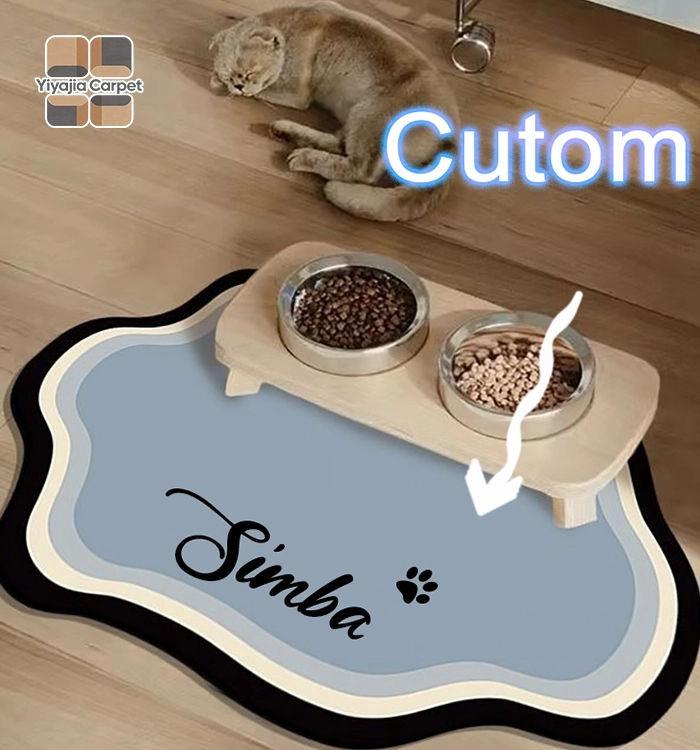
Custom services set high-end suppliers apart from basic converters. By using heat transfer or tufting to add logos, hospitality brands and home builders can add signature design elements that make projects stand out. Custom size gets rid of waste from field cutting and the labor costs that come with it, and it makes sure that things fit perfectly in oddly shaped areas. We can customize logos in seven days and take orders for size and color changes as low as fifty pieces. This fills the gap in the market between fully custom programs that need huge minimums and off-the-shelf goods that don't stand out. This gives distributors the freedom to try out new ideas without taking on too much inventory risk and still keep unit economics reasonable.
Conclusion
To find the best bedroom carpeting for projects in 2026, you have to balance material science, sustainability standards, price facts, and the supplier's abilities. Modern fiber technologies offer comfort, resilience, and environmental responsibility that have never been seen before. At the same time, production innovations make customization possible, which used to be only possible in high-end markets. When procurement professionals put quality metrics that can be checked, supplier production capacity, and flexible customization options at the top of their list of priorities, their projects are more likely to succeed. The coming together of eco-friendly certifications, better soundproofing, and easier logistics makes it possible for distributors and developers to set their products apart in crowded markets while also meeting the higher expectations of end users.
FAQ
Q1: What fiber type offers the best longevity for hotel bedroom installations?
A: Nylon 6,6 is more durable and resilient than polyester options, which makes it perfect for commercial hospitality applications experiencing daily housekeeping and guest traffic. Solution-dyed nylon adds colorfastness to aggressive cleaning agents while maintaining the molecular memory that allows pile fibers to recover from compression. Lifecycle analysis consistently shows lower total ownership costs due to longer replacement intervals and less maintenance requirements over multi-year service periods, even though the initial costs are 20–30% higher than polyester.
Q2: How do environmental certifications impact procurement decisions?
A: CRI Green Label Plus certification verifies low VOC emissions essential for indoor air quality compliance, particularly in jurisdictions with strict building codes. REACH compliance remains mandatory for European market access, while OEKO-TEX certification addresses growing consumer demand for chemical-free textiles. Projects pursuing LEED or WELL Building Standard accreditation require documentation of these credentials, making them practical necessities rather than optional features. Distributors serving institutional clients should verify supplier certification currency annually, as expired credentials can halt project approvals during final inspection phases.
Q3: What causes carpet delamination and how can buyers prevent it?
A: Delamination occurs when secondary backing separates from primary structure due to insufficient adhesive penetration during manufacturing or excessive moisture exposure post-installation. Specifying products for bedroom carpeting that meet ASTM D3936 standards with minimum 2.5 lbs per inch width delamination strength reduces risk. Proper installation over appropriate padding (maximum 7/16 inch thickness, minimum 8 lb density) prevents excessive flexing that stresses adhesive bonds. Request manufacturer warranties explicitly covering delamination, as this indicates confidence in production quality and provides recourse if problems emerge during typical service life.
Partner with Yiyajia Carpet for Your Bedroom Carpeting Supply Needs
Procurement managers searching for a reliable bedroom carpeting manufacturer will find Yiyajia Carpet uniquely positioned to address common supplier pain points. Our advanced heat transfer printing and precision laser cutting technologies deliver any pattern or custom shape you specify, with samples produced in 24-48 hours using identical processes as full production. Daily capacity of 2000 square meters ensures on-time delivery even for large-scale projects, while our MOQ of just 50 pieces for customization makes testing new designs economically viable. CE, ROHS, and OEKO-TEX certifications provide the compliance documentation your clients require, backed by comprehensive quality inspection preventing the inconsistency issues that plague many overseas suppliers. Contact our team at sale@yyj-carpet.com to discuss your specific requirements and request samples that accurately represent our bedroom carpeting production capabilities.
References
1. Carpet and Rug Institute. (2025). Annual Fiber Performance and Indoor Air Quality Standards Report. Dalton: CRI Technical Publications.
2. ASTM International. (2024). Standard Test Methods for Carpet and Rug Performance Metrics: D1335, D3936, D5252. West Conshohocken: ASTM Standards Division.
3. Airmid Healthgroup Ltd. (2024). Comparative Study of Indoor Air Quality: Carpeted vs. Hard Surface Flooring in Residential Environments. Dublin: Airmid Research Publications.
4. U.S. Green Building Council. (2025). LEED v5 Material Credits: Textile Flooring Requirements and Certification Pathways. Washington: USGBC Press.
5. Werner, K. & Patterson, M. (2025). Sustainable Flooring Solutions: Environmental Impact Analysis of Carpet Manufacturing Technologies. Journal of Commercial Interior Design, 47(3), 112-129.
6. International Sleep Products Association. (2024). Acoustic Performance of Bedroom Flooring Materials: Impact on Sleep Quality and Occupant Satisfaction. Alexandria: ISPA Research Series.