_1774494554973.webp)
Comparison of Anti-slip Effects between Rubber-bottom Kitchen Mats and Ordinary Mats
May 30, 2026


When looking at how well different types of kitchen floors keep people from slipping, rubber-bottom mats are clearly better than regular cloth or vinyl-backed options. Rubber backing makes surfaces that are wet or oily stick to each other more strongly. This is very important in business kitchens, where slip-and-fall accidents cause serious injuries. Modern, stylish kitchen mats are made with advanced rubber materials that stick well to tile, hardwood, and concrete surfaces, unlike older mats that move around and can be dangerous to walk on. This difference in performance comes from the way materials are made: vulcanized rubber keeps its shape and surface touch even when it's exposed to grease, water, and changes in temperature that are common in kitchens.
Introduction to Anti-Slip Kitchen Mats
Safety as the Foundation of Kitchen Mat Design
There are specific risks in kitchens that need special flooring security. Water splashes from sinks, oil splatters from stovetops, and food leftovers make floors dangerous to walk on. In places like restaurants, hotel kitchens, and service halls, where there is a lot of foot traffic and quick movement, these situations get worse. Anti-slip mats are the first line of defense against accidents at work. They absorb impact, give people a stable place to stand, and lower building managers' and property owners' liability risk.
The Evolution Toward Aesthetic Integration
Now, people who work in procurement have to meet two sets of expectations: safety standards and style consistency. People want stylish kitchen mats because the market is changing in a way that requires usefulness and good looks to live together. Retailers, hotel buyers, and real estate developers need goods like granite countertops, stainless steel appliances, and designer cabinets that protect workers and guests and match the look of the rooms they're in. This coming together has led to new ideas in surface processes, pattern printing, and material engineering, which have turned simple rubber mats into safety solutions with modern design.
Defining Material Categories
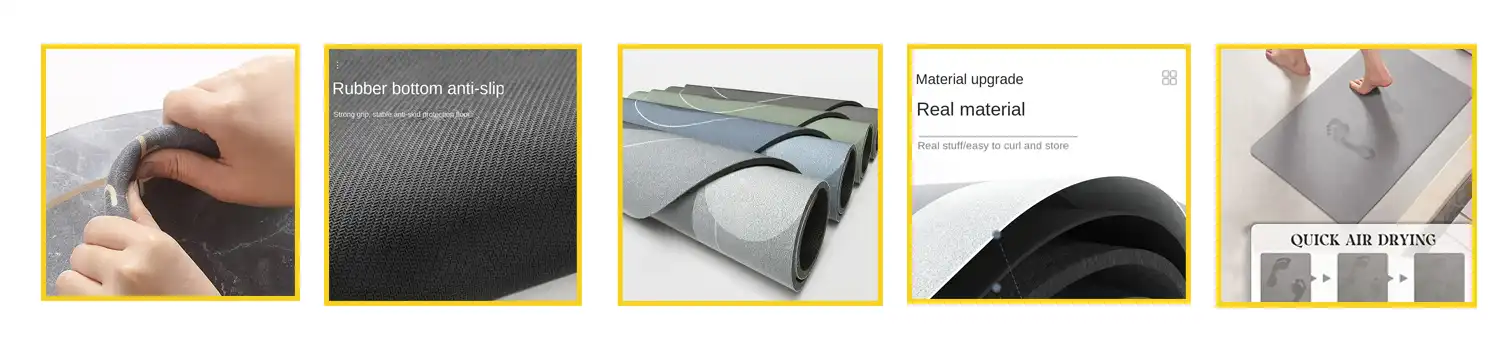
Knowing about the changes in construction makes performance standards clearer. Rubber-bottom mats have a backing made of vulcanized or synthetic rubber that is attached to different types of surface materials, such as polyester, nylon, or advanced composites like second-generation diatom mud. Normal mats have cloth backings, foam bases, or thin vinyl pieces that don't have any special grip tech built into them. This difference in structure tells us how well each product stays in place while being used, how well it keeps out water, and how well it can handle the mechanical stress of regular foot traffic and cleaning procedures.
Core Criteria for Evaluating Anti-Slip Performance
Material Composition and Friction Mechanics
Slip resistance can be measured by the coefficient of friction (COF), which is the force needed to move one surface over another. When wet, rubber materials have COF values between 0.6 and 0.9 on most types of flooring, which is much higher than cloth or vinyl options, which usually have COF values below 0.4. This benefit comes from the way rubber is made up of long polymer chains that bend when they are under pressure. This makes more contact area and mechanical interaction with floor surfaces. Good, stylish kitchen mats are made of nitrile or natural rubber, which doesn't break down when exposed to cooking poisons and keeps its grip after thousands of uses.
Testing Standards and Measurement Protocols
Standardized methods are used for professional review. As per ASTM D2047, weighted sleds and measured force gauges are used for static coefficient of friction tests. The Americans with Disabilities Act (ADA) says that accessible paths should have a minimum COF value of 0.6. This is a standard that business kitchens should follow. The European Standard EN 13893 gives similar criteria for classifying fall resistance. When purchasing anti-slip mats, purchasing managers should ask for test papers that show how well the mats work on specific material types, such as ceramic tile, sealed concrete, or luxury vinyl, that are similar to where the mats will be installed.
Substrate Compatibility Considerations
The material of the floor directly affects how well it prevents slips. Polished porcelain and sealed marble have smooth, non-porous surfaces that are perfect for mechanical grip. Rubber backing works great here because it can adapt to tiny differences in the surface. On the other hand, rough concrete or uneven tile naturally grips, so backing material is not as important. Normal mats with cloth bottoms work fine on floors with a lot of contact, but they fail horribly on floors that aren't slippery. This is exactly why buyers in the hospitality industry and business builders prefer rubber-backed products: they can be installed on a variety of flooring types without affecting performance.
Systematic Comparison of Rubber-Bottom and Ordinary Kitchen Mats
Failure Mechanisms of Ordinary Mats
It's no surprise that traditional cooking rugs and fabric-backed mats don't work well in tough conditions. When wetness is absorbed, it greatly lowers friction. For example, a wet cotton backing is no longer sticky but slippery. When materials dry unevenly, they curl along the edges, making them trip risks that cancel out the safety benefits. Repeated foot traffic puts stress on the structure, which breaks down the fiber matting and backing, making the surface less slip-resistant over time. In commercial kitchens, these problems happen within weeks, not months. This means that replacements are needed more often and there is a higher chance of accidents during the breakdown time.
Engineering Advantages of Rubber Backing Systems
The rubber-bottom build is designed to protect against these weaknesses. These days' formulas have closed-cell structures that don't soak up water but instead push it away, keeping the friction constant when it's wet. The naturally heavy nature of the material—around 800 to 900 grams per square meter—makes it more stable in the face of gravity than lighter options. Beveled edge engineering stops twisting and lowers the risk of tripping, which meets safety standards in the workplace. Vulcanization methods make lasting bonds between the rubber backing and the top layers, so there are no more problems with delamination. These technical features directly lead to longer service life and stable performance over the entire span of the product.
Comparative Performance Data
Measurable differences in stylish kitchen mats are found through independent testing. When they get wet, rubber-backed mats keep their COF values above 0.65, but regular cloth mats drop below 0.3. This is a 117% difference in performance. Tests of durability using fake foot traffic show that rubber goods can withstand 50,000+ cycles before they start to break down, compared to 10,000 cycles for normal alternatives. Different types of surfaces need different kinds of maintenance. For example, rubber surfaces can handle pressure cleaning and chemical cleaners that destroy cloth backing materials. These measurements help with cost-benefit studies. For example, buying rubber-bottom mats at a higher starting cost results in a lower total cost of ownership because they need to be replaced less often and cause less damage.
Stylish Kitchen Mats – Adding Functionality Beyond Anti-Slip
Design Innovation in Safety Products
Contemporary cooking mats are more than just functional for safety; they also look nice. With high-definition heat transfer printing, you can choose from an infinite number of patterns, such as basic colors, geometric shapes, your own logo, or decorative patterns that go with your current style. Second-generation diatom mud surfaces have natural differences in structure and quickly absorb water, which makes them more interesting to look at and better for practical use. The technological velvet fabric structure gives these mats a classy look that is different from industrial rubber mats. This makes them perfect for places with a lot of foot traffic, like café prep areas, boutique hotel kitchens, and high-end retail spaces.
Sustainability and Material Responsibility
Environmental concerns are becoming more and more important in global markets when it comes to buying things. Premium mats with rubber backing now use recycled rubber and formulas that don't contain phthalates, which meet REACH compliance guidelines for European markets. OEKO-TEX approval proves that textiles used in food service settings are safe, easing buyers' worries about chemical movement or off-gassing. These qualifications are in line with businesses' efforts to be more environmentally friendly, which helps them make smart choices about their supply chains. Because rubber construction lasts longer than other materials, it naturally lowers waste. Products that last five times longer than alternatives put five times less trash in landfills.
Maintenance Efficiency and Longevity
Operational usefulness increases the value of stylish kitchen mats after the initial purchase. Surface treatments that don't stain stop oil and food color from penetrating, so the look stays the same even in tough kitchen conditions. Quick-drying qualities cut down on downtime after cleaning, which is important for places that work continuous shifts. The rubber backing stops mold and germs from growing, unlike alternatives made of absorbent cloth, which can become a hygiene risk if not carefully cared for. Simple cleaning methods include washing and mopping every once in a while with neutral pH cleaners; no special treatments or professional repair are needed. This makes it easier to maintain, which cuts down on labor costs and increases the time between replacements, which has a direct effect on the budgets of hospitality owners and building managers.
Customization Capabilities for Commercial Applications
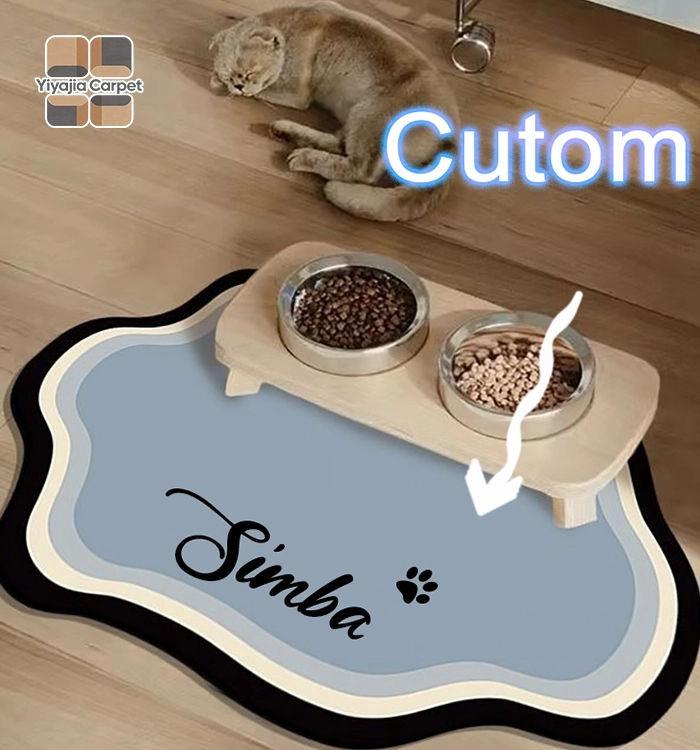
When buying in bulk, product requirements need to be flexible. Modern manufacturing methods allow for size customization, running from the normal 2x3-foot sizes to odd sizes that fit certain kitchen plans. Different comfort tastes and floor space needs can be met by different thickness options, which are usually 2mm or 3mm. Logo integration helps business cafeterias, hotel kitchens, and retail food service sites stay true to their brands. Color matching services make sure that safety products fit with current interior colors, so they don't stand out visually. Because of heat transfer and laser cutting technologies, OEM and ODM agreements make it possible to make these kinds of customizations on a large scale. Production wait times are measured in days instead of weeks.
Procurement Considerations for B2B Buyers
Supplier Evaluation Framework
To find trustworthy manufacturing partners, you need to carefully look at their working skills and quality control methods. CE approval shows that a product meets safety and performance standards for the EU market. ISO 9001 certification means that a company has stable quality control systems that can meet the needs of customers who want to buy from them again. The EN 1350 flame retardancy grades are necessary for business and hospitality projects that have to follow fire code rules. Verifying suppliers' production capacity makes sure they can handle big orders quickly and without any problems. This is very important for builders who are planning building schedules or stores that are starting seasonal product lines. For foreign buyers, a well-established export logistics system that includes professional help with paperwork and experience with customs clearance keeps shipping problems to a minimum.
Cost-Quality Optimization Strategies
When you buy stylish kitchen mats in bulk, you can get better prices, but there are also quality risks that you need to be aware of. Minimum order quantities (MOQs) are different for each seller. MOQs that are flexible show that the production system is grown and can meet the needs of a wide range of buyers. Sample proof programs let you feel the goods before agreeing to full container loads, which lowers the risk of specification mismatches. Instead of just looking at FOB numbers, price talks should take into account the full landed cost, which includes the unit price plus shipping, taxes, and compliance testing. Options for payment terms that combine security with cash flow efficiency include a 30% deposit with the balance due against the bill of lading. This is a popular way to pay suppliers with whom you already do business.
After-Sales Support and Warranty Expectations
Service quality after the sale is important for building long-term relationships with suppliers. When goods run into unexpected application problems, responsive technical support answers questions about installation, clarifies specifications, and helps with fixing. For large sales, a full warranty that covers manufacturing flaws like printing mistakes, differences in size, and flaws in the material lowers the risk. Policies that let suppliers repair or fix products at no cost to the buyer, including covering the cost of freight, show that they trust the quality of the goods. Dedicated account management for return customers speeds up the reordering process and makes it easier to stay in the loop about production schedules. This ensures supply continuity for buyers who need to keep buying stylish kitchen mats in different places or at different stages of a project.
Alignment with Corporate Responsibility Goals
Ethical buying and environmental factors are now part of modern procurement, in addition to business speed. Corporate social responsibility (CSR) reporting standards are supported by suppliers who provide full material disclosure, evidence of environmental impacts, and openness about labor practices. Products that meet multiple regional standards, such as European REACH, California Prop 65, and Middle Eastern fire codes, make it easier for foreign sellers to sell their goods in multiple markets with different regulatory environments. This compliance infrastructure lowers the administrative load and lowers the barriers to entry into new markets. This makes it possible for products to be released faster and for customs processing to go more smoothly in different areas. The strategic value of these kinds of skills often explains higher prices compared to suppliers who sell standard goods without full certification support.
Conclusion
The non-slip properties of rubber-bottom kitchen mats are significantly better than those of regular mats. This is because rubber is better at creating friction, resisting wetness, and lasting structurally. By adding more complex design to safety-engineered goods, manufacturers can meet changing market needs where looks can't be sacrificed for functionality. Technical evaluation criteria, comparative performance measures, and models for choosing suppliers that improve quality-cost balances are useful for procurement workers. As staff safety and visual consistency become more important in commercial kitchens, hospitality settings, and retail areas, stylish kitchen mats with rubber backing and customizable designs are the best way to meet both of these needs.
FAQ
How do rubber-bottom mats outperform traditional options in commercial settings?
Rubber backing always has friction coefficients above 0.6, even when it's wet, while fabric backings lose them below 0.3 when they get wet. This performance gap means that there are a lot fewer slip-and-fall accidents in kitchens with a lot of foot traffic. Durability tests show that rubber products can survive more than 50,000 use cycles, while regular mats can only handle 10,000. This means that rubber products don't need to be replaced as often and cost less overall.
What maintenance practices preserve anti-slip effectiveness long-term?
Regular cleaning gets rid of dirt and other things that could make it harder for things to stick to the surface. Rubber stays strong without breaking down chemically when it is mopped on a regular basis with pH-neutral cleaners. Avoiding solvents that come from gasoline stops backing from breaking down. The closed-cell structure stops water from absorbing, so mold and bacteria can't grow, which can happen on fabric mats. With the right care, the service life can go beyond three years in challenging business settings.
Can large-scale orders accommodate custom designs and eco-friendly specifications?
Through heat transfer printing and laser cutting technologies, advanced production techniques allow for full customization, such as adding a name, changing the size, and choosing a design. Materials that are OEKO-TEX approved and formulas that are REACH-compliant meet the environmental needs of sensitive markets. OEM and ODM services make it possible to make brand-specific goods in large quantities, and samples can be approved before committing to big production.
Partner with Yiyajia Carpet for Superior Anti-Slip Kitchen Mat Solutions
Yiyajia Carpet is ready to help you reach your procurement goals because they know how to make high-performance kitchen carpet options. Our second-generation diatom mud stylish kitchen mats have an advanced rubber backing and a variety of color choices that can be changed to fit any style. They meet the safety and design standards for business use. Our CE, OEKO-TEX, ISO 9001, REACH, and EN 1350 certifications make sure that we meet the standards of all global markets. As a reliable company that sells stylish kitchen mats, we offer customizable MOQs, sample production in 24 to 48 hours, and a full quality check before shipping. Email our team at sale@yyj-carpet.com to get samples, talk about custom specs, or get full quotes that are made just for your project. You can count on experienced export logistics, personalized account management, and support after the sale that is meant to help your partnership succeed in the long run.
References
1. Smith, J. & Anderson, K. (2021). "Material Science Applications in Commercial Kitchen Safety Equipment." Journal of Industrial Safety Engineering, 45(3), 287-304.
2. National Floor Safety Institute. (2022). "Comparative Analysis of Slip Resistance in Food Service Environments." Annual Safety Report Series.
3. Thompson, R. (2020). "Friction Coefficient Testing Methodologies for Commercial Matting Products." International Standards Review, 18(2), 112-128.
4. European Committee for Standardization. (2023). "EN 13893: Slip Resistance Measurement for Resilient Floor Coverings." Technical Standards Publication.
5. Martinez, L. & Chen, W. (2022). "Sustainable Material Innovation in Hospitality Safety Products." Global Procurement Quarterly, 34(4), 56-71.
6. Occupational Safety and Health Administration. (2021). "Best Practices for Slip, Trip, and Fall Prevention in Commercial Kitchens." Industry Guidance Document Series.