_1774494554973.webp)
Best Entrance Mats 2026: Top Choices for Winter Weather
August 14, 2026


When harsh winter conditions threaten your facility's safety and cleanliness, selecting the best entrance floor mat becomes a critical decision. The right mat system doesn't just capture moisture and debris—it protects flooring investments, reduces slip hazards, and maintains professional appearances throughout the coldest months.
According to facility management research, properly designed entrance matting can remove up to 98% of tracked-in contaminants when meeting the industry's "Rule of 15," which requires at least 15 feet of matting coverage. This comprehensive guide examines the most effective entrance mat solutions for 2026, helping purchasing managers and facility planners make informed decisions that balance performance, durability, and cost-effectiveness.


Understanding the Importance of Entrance Mats in Winter
Winter weather brings its own problems that go far beyond how things look. During the winter, snow, slush, road salt, and water are always a threat inside buildings. Good door mats are your building's first line of defence against these natural threats.
Protecting Your Flooring Investment
Particles that get tracked in on shoes are like sandpaper for expensive floor coverings. Studies of the industry show that it costs about $500 in labour and cleaning materials to get rid of one pound of dirt that gets into a building. Stopping that contamination at the threshold cuts down on upkeep costs by a huge amount and adds several years to the life of internal flooring. Based on this cost-benefit analysis, entrance mats are one of the best purchases that building managers can make.
Reducing Liability and Safety Risks
According to data from the International Sanitary Supply Association (ISSA), about 85% of workers' compensation claims are for slip-and-fall accidents. These risks go up a lot when the floors are wet in the winter. This risk issue is directly addressed by door mats that soak up moisture and have non-slip backing technology. When you combine moisture capture with stable positioning, you get better transitions between indoor and outdoor areas. This protects workers and guests and lowers property owners' insurance costs.
Enhancing Indoor Air Quality
People tend to keep their windows closed in the winter, which cuts down on natural airflow. This makes managing the quality of the air inside even more important. Particulates, allergens, and outdoor pollutants are caught by entrance mats before they get into HVAC systems. Fine particles that would otherwise be in the air are successfully trapped by high-quality matting systems with thick fibre structures. This makes indoor settings healthier and reduces respiratory irritation among building users.
Top 5 Best Entrance Mats for Winter in 2026
To choose the right matting option, you need to know how different building materials and ways deal with different winter problems. The following choices are the best ones that are currently available for a range of facility kinds and traffic amounts.
Heavy-Duty Rubber Scraper Mats
Rubber-based entry mats are great at getting rid of snow and ice quickly. These mats have raised patterns, like fingertip, cleated, or chevron shapes, that remove dirt and grime from shoes automatically. Extreme weather changes don't break them or make them less flexible because of how they're made. When made with high-density compounds, these mats can handle truck traffic and big loads of more than 1,000 pounds per wheel. This makes them great for use in industrial settings and outside.
Carpet Mats with Waterproof Backing
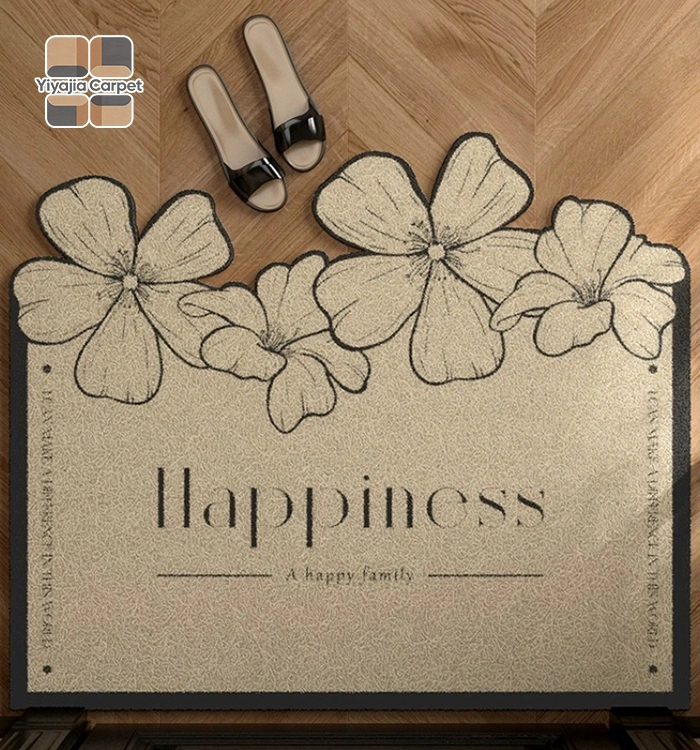
Textile-based door mats are better at absorbing water, which is important for stopping wetness from spreading to floors inside. Solution-dyed nylon fibres with pile heights between 3 and 5 mm are usually used in modern carpet mats made for winter weather. For the best performance in high-traffic entrances, the best entrance floor mat should combine absorbency with durability—and Yiyajia's fake cashmere doormats are a great example of this type of item because they have a soft, welcoming texture and can also be used to keep your feet warm in the winter.
The fake cashmere surface is very good at keeping dirt away and still looks good in business settings. With a total thickness of 9 mm and a 5 mm sponge layer in the middle, these mats provide cushioning that keeps your feet from getting tired after long periods of walking. The dotted plastic backing makes it stable on different types of floors so you don't have to keep moving it, which is a common problem in places with a lot of foot traffic. With an 800g weight per square metre, these mats are dense enough to absorb water well while still being easy to handle for regular upkeep.
Eco-Friendly Recycled Materials
Sustainability factors are becoming more and more important in purchasing decisions. Recycled rubber tires or textile fibres can be used to make entrance mats that are good for the environment without sacrificing performance. These choices are especially good for LEED-certified buildings and businesses that want to be more environmentally friendly. When looking at eco-friendly options, make sure that the recycled materials meet the necessary sturdiness standards and don't lose their ability to fight slips or absorb water.
Customizable Branded Entrance Mats
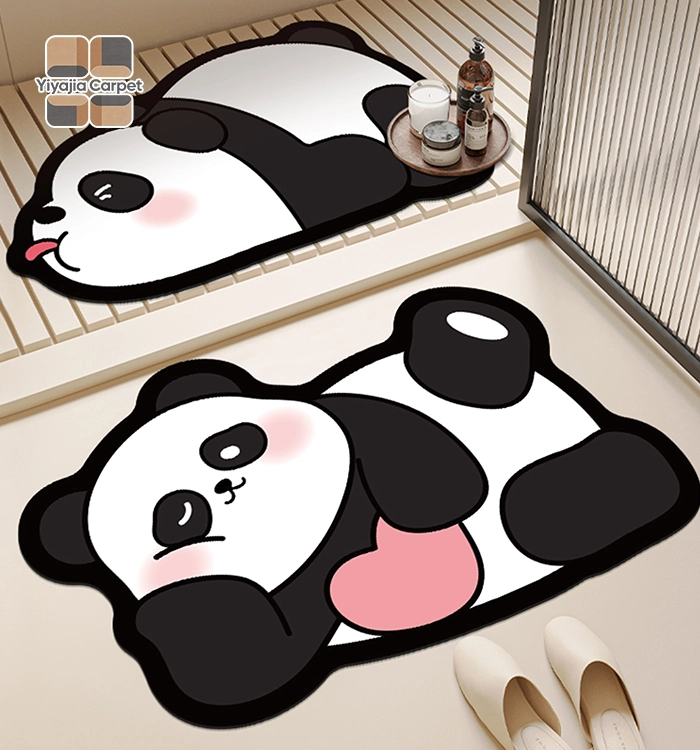
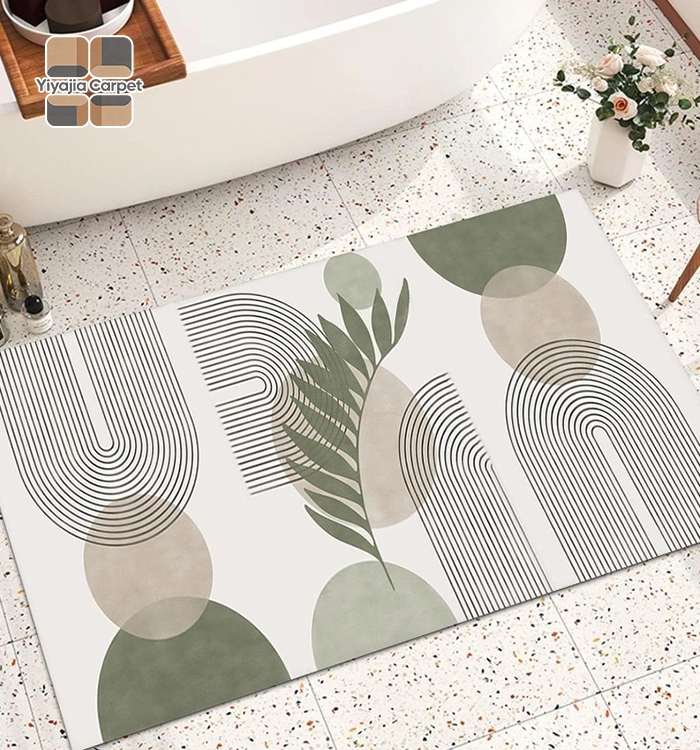
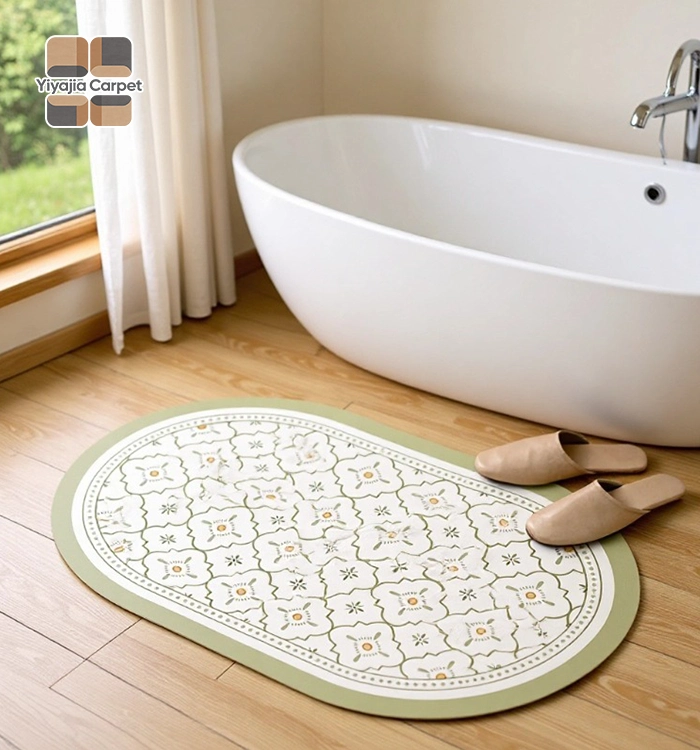
Customisable matting options are good for commercial areas that want to combine usefulness with brand presentation. Modern heat transfer printing technology makes it possible to print logos, patterns, and custom designs on mats without affecting how well they work. These branded entrance mats do two things: they protect your feet in the winter and help your company stand out. Laser cutting lets you get exact sizes and even strange shapes that fit into specific architectural features. Customisation is especially useful in places like hotels, stores, and business offices where first impressions are very important.
Washable High-Traffic Models
For healthcare places, food service businesses, and schools, mats need to be able to be cleaned often without wearing down. Commercial-grade materials are used to make washable door mats that keep their shape through many washing cycles. Look for specifications that say it can be used with commercial washing machines and that it dries quickly so that there is little downtime between washes. Antimicrobial treatments add another level of health protection, which is especially important in places that need to be clean.
How to Choose the Best Entrance Floor Mat for Your Business
To make the right choice, you need to look at a number of interconnected factors that affect how well it works and how much it costs in the long run.
Assessing Traffic Volume and Usage Patterns
The amount of foot movement each day directly affects the need for mats. Facilities that handle fewer than 100 entries every day have different needs than transport hubs that handle thousands of crossings every hour. Mats with pile weights of more than 30 ounces per square yard and backing systems that are stronger are needed for areas with a lot of foot traffic. Lighter options can be used in places with less foot traffic without losing enough protection. Think about both normal traffic and peak times, like when it's raining and more people need to get into buildings.
Indoor Versus Outdoor Placement
Outdoor entry mats need to be able to handle direct weather, which means they need to be made of UV-resistant materials and be able to drain. These mats are designed to scrape hard and get rid of moisture right away. By absorbing and catching fine particles, indoor matting completes the process of getting rid of soil.
The most effective method uses a zoned system that includes both outdoor scraper mats and indoor absorption mats, and for the indoor stage, the best entrance floor mat should prioritize high water uptake and easy cleaning to complement the outdoor scraper function. This creates multiple layers of protection against winter contaminants. Best practices for property management say that the total coverage should be between 15 and 20 feet to get rid of as much dirt as possible.
Material Comparison for Winter Conditions
Rubber mats are very durable and don't get damaged by the weather. This makes them perfect for use outside and in industrial settings where chemicals or oils are present. Their ability to scrape effectively gets rid of heavy debris. Carpet-based mats are better at absorbing moisture and looking nice, but they work best in climate-controlled indoor spaces. A lot of the time, the zone in your entrance system will determine which material you choose. Some places are better off using both types of flooring at the same time, with rubber mats outside and carpet mats right inside the opening.
Procurement Considerations for B2B Buyers
Buying in bulk can save you a lot of money, but you need to be sure that your source is reliable and that the products you get are always the same. When looking at possible providers, check out their quality control methods, certifications, and client references. When setting up work times or getting ready for the season, lead time promises become very important. Businesses with multiple locations need standard solutions that work at all of their places, and flexible minimum order numbers can help them do that. Customisable sizes keep mats from having awkward gaps or overlaps that make them less useful.
Maintenance and Cleaning Tips for Winter Entrance Mats
Maintaining your mat properly affects both how long it lasts and how well it works during the harsh winter months.
Daily and Weekly Maintenance Protocols
Vacuuming is the most basic maintenance job and should be done every day in places with a lot of foot traffic. Use a hoover with strong suction and beater bars that are the right height for the mat's pile. This keeps dirt from getting into the fibres and causing them to wear out faster than they should. As part of your weekly maintenance, you should use cleaning products allowed by the maker to spot-clean any stains that you can see. Do not use harsh chemicals that could damage the backing or make the colours fade. The treatments that make high-quality door mats stain-resistant make this process a lot easier.
Deep Cleaning Procedures
Deep cleaning your mat once a month or every three months will make it last longer and look better. Hot water extraction methods are good for carpet-style mats because they flush out particles that are embedded in the fibre base. When you use a power washer with modest pressure, rubber mats do well. After a deep clean, make sure the mats are completely dry before putting them back to use. Damp mats can grow mildew and stop being slip-resistant. Usually, it takes 24 to 48 hours of well-ventilated time for something to dry properly.
Seasonal Storage and Rotation
Some buildings use mat rotating systems that switch between different sets of mats to even out wear and allow for thorough cleaning without leaving doors open. When putting away mats during the off-season, roll them instead of folding them to keep the backing materials from getting lasting folds. High-elastic sponge faux cashmere doormat models, in particular, benefit from this rolling method because their soft pile and synthetic backing are prone to creasing if folded. Keep things in dry places that are out of direct sunlight and away from extreme temperatures. When companies keep different mat supplies for winter and warmer months, this method works especially well.
Trusted Brands and Suppliers for Entrance Mats in 2026
Working with dependable manufacturers guarantees stable product quality and easy purchasing methods that meet long-term business needs.
Evaluating Manufacturer Credentials
Suppliers of good entrance mats keep up-to-date internationally recognised certifications that show they are committed to safety and quality standards. Look for OEKO-TEX approval, which proves that the product does not contain any dangerous chemicals. This is especially important in places where children or sensitive people often go. If a company has ISO 9001 certification, it means that they have well-established quality management systems that give the same results every time they make something.
REACH compliance shows that a company follows the European Union's rules on chemicals and the environment. This is very important for companies that do business internationally or export goods. Ratings for flame retardancy in EN 13501 are very important for commercial settings where fire safety rules apply. When a manufacturer has more than one certification, it shows that they are fully committed to meeting the different legal standards in each area.
Yiyajia Carpet: Reliable Manufacturing Partner
As a result of using cutting-edge production technologies, Yiyajia Carpet has become a well-known provider around the world. Operating from a 2,000-square-meter factory in Tianjin, the business focuses on providing door mats that help B2B clients with specific winter problems. Their production process uses both high-definition heat transfer printing and precise laser cutting, which lets them make products that are exactly what their customers want. Before it is shipped, every product is carefully checked for any problems. This lowers the chance that a faulty product will reach customers. This focus on quality control is especially helpful for stores and distributors whose names depend on products that work well.
Production and Delivery Capabilities
Rapid sampling is what sets good providers apart from average competition. Samples can be made in 24 to 48 hours, which lets purchasing managers look at real goods instead of just reading specs. This speeds up the process of making decisions and cuts project timelines by a large amount. It doesn't matter how efficient bulk production is—reliable suppliers can finish big orders in 7–10 days while keeping quality high. Whether you use container loads or less-than-container-load setups, export-grade packaging keeps your goods safe during foreign shipping. Optimising how containers are loaded efficiently lowers the cost of moving each unit, which is important for markets that care about price.
After-Sales Support and Long-Term Partnership
Business liaisons make it easier to talk to people about repeat orders and make sure that production schedules match what clients want. This relationship-based method works well for dealing with changes in seasonal demand or taking advantage of sudden project possibilities. Warranty coverage that covers problems with the way the product was made gives customers even more trust, and reputable providers will offer replacement products and pay for the shipping costs. Technical support helps facility managers get the most out of their mats by giving them advice on how to install them correctly and fixing them in a way that works best for their business.
Conclusion
Finding the right entrance mats for winter 2026 means balancing a lot of different factors, such as the material's durability, its ability to absorb water, how often it needs to be maintained, and how easy it is to get them. For your building, the best entrance floor mat will rely on how people use the space, the weather, and your practical goals. High-quality choices, like fake cashmere mats, look nice and protect your floors, while heavy-duty rubber options are best for industrial uses that need to last a long time.
For execution to go well, the right products must be chosen and strong relationships with suppliers must be built to ensure uniform quality and on-time delivery. As the winter weather gets worse, investing in door mats ahead of time protects flooring assets, lowers lawsuit risks, and keeps professional looks that show how well the organization runs.
FAQ
What thickness should winter entrance mats be?
Depending on the use, winter door mats are usually between 6 mm and 12 mm thick all the way through. Thick mats with 9mm profiles that have sponge layers in the middle are better at absorbing moisture and providing cushioning. The extra thickness makes it more comfortable to stand for long amounts of time and better traps dirt. Extremely thin mats (less than 5 mm) often can't soak up enough water for heavy winter loads.
How often should commercial entrance mats be replaced?
Good entry mats made of solution-dyed nylon on nitrile rubber backing usually last three to five years in places with a lot of foot traffic (500 to 1000 daily crossings). Crushed pile that doesn't bounce back after being compressed, sides that are wrinkled and pose a trip hazard, or backing that can be seen breaking down are all signs that it's time to replace it. Proper maintenance greatly extends the useful life, so following cleaning protocols on a regular basis is a good investment.
Can entrance mats handle wheelchair and cart traffic?
When properly built, door mats can handle wheelchair and cart traffic while still meeting ADA standards that say mats must have bevelled edges and a maximum thickness of 0.25 inches for mats that are not attached to anything. Heavy-duty industrial mats can hold more than 1,000 pounds per wheel without permanently deforming. To make sure accessibility, healthcare centers and stores should ask for ADA-compliant choices when they are buying things.
Partner with Yiyajia Carpet for Your Winter Matting Needs
B2B buyers seeking a dependable best entrance floor mat provider will find that Yiyajia Carpet has a wide range of options that can be adjusted to specific needs. Our customisation services are flexible enough to work with both OEM and ODM arrangements, meeting specific needs for branding, size, and function. Competitive pricing is available for bulk orders, and strict quality standards are maintained through a full inspection before shipping. Our product certifications, such as CE, OEKO-TEX, ISO 9001, REACH, and EN 13501, make sure that they are legal in all international markets. This makes it easier to buy things across borders.
We know that buying managers are constantly under pressure to keep costs down while also making sure quality standards are met. Our clear communication, dependable delivery times, and quick after-sales support take away some of the problems that come with working with foreign providers. Our team has the technical know-how and production capacity to help your business reach its goals, whether you're an importer starting new product lines, a retailer getting ready for seasonal demand, or a contractor choosing materials for commercial projects.
Email our team at sale@yyj-carpet.com to talk about your specific needs and ask for samples that show how well we can make things. You can look at our whole selection of products at yyj-carpet.com and learn how our door mats can help you get ready for winter.
References
1. International Sanitary Supply Association. (2025). "Facility Maintenance Cost Analysis: The Economics of Entrance Matting Systems." ISSA Technical Report Series.
2. National Floor Safety Institute. (2025). "Slip and Fall Prevention in Commercial Environments: Winter Weather Considerations." NFSI Annual Safety Review.
3. American Society for Testing and Materials. (2024). "ASTM D3884-20: Standard Test Method for Abrasion Resistance of Textile Fabrics." ASTM International Standards.
4. Building Owners and Managers Association. (2025). "Indoor Air Quality Management: The Role of Entrance Matting in Commercial Buildings." BOMA Environmental Guidelines.
5. Carpet and Rug Institute. (2024). "Commercial Entrance Matting Performance Standards and Selection Criteria." CRI Technical Bulletin 25-A.
6. Green Building Council. (2025). "Sustainable Entrance Systems for LEED-Certified Facilities: Material Selection and Performance Metrics." USGBC Resource Manual.