_1774494554973.webp)
How to clean and maintain stair floor mats
August 17, 2026


Maintaining stair floor mats involves establishing systematic cleaning protocols tailored to material composition and usage intensity. Effective maintenance extends product lifespan, preserves slip-resistant properties, and ensures regulatory compliance in commercial environments. This comprehensive guide addresses the specific challenges procurement managers face when selecting, cleaning, and maintaining tread protectors across diverse industrial and hospitality applications, directly impacting operational costs and workplace safety outcomes.
Understanding Stair Floor Mats and Their Maintenance Needs
Tread protectors have very different performance characteristics depending on the material they are made of and where they are going to be used. These days, anti-slip solutions for stair floor mats are made of high-tech materials that are made to last in tough business settings while also making things safer.
Material Composition and Performance Characteristics
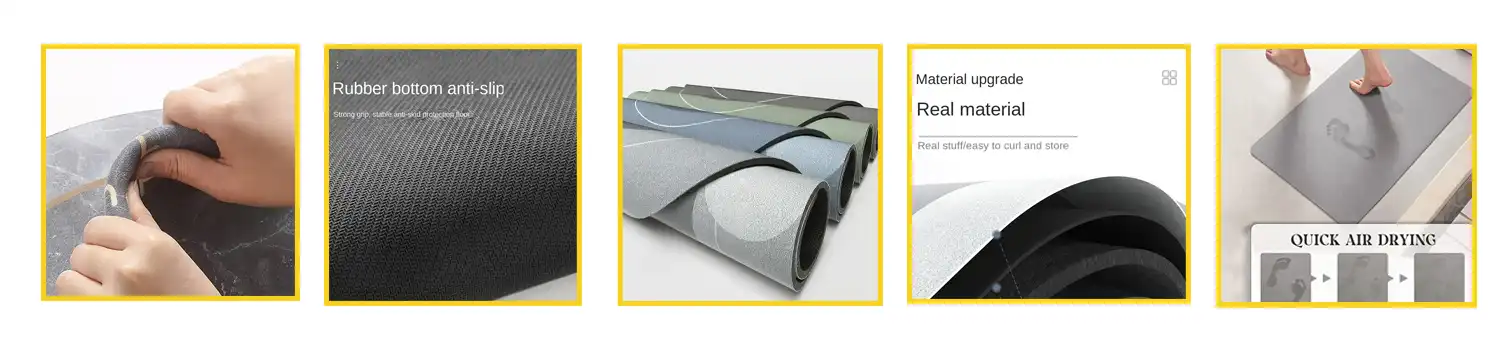
Cleaning methods and external factors have different effects on different types of material platforms. Rubber-backed products are very good at keeping their shape and grip, especially when they are made with high-density backing systems that weigh more than 1600g/m². When there is a lot of foot traffic, these heavy structures don't move, and they keep their shape through multiple cleaning processes.
New technology called diatom mud surfaces are being used to control moisture in places with a lot of vertical traffic. This naturally porous material soaks up fluids quickly—up to three times its own weight—while keeping its grip on the surface. The ability to dry quickly keeps wetness from building up, which can make it harder to grip and speed up the growth of microbes. When combined with 3 mm thick high-density technological velvet fabric structures, these systems provide balanced performance in terms of safety, comfort, and maintenance efficiency.
Why Proper Maintenance Matters for Commercial Applications
When tread protectors aren't used, they become liability magnets in business settings. Particulate matter that builds up under shoes works like ball bearings, lowering the Static Coefficient of Friction below the 0.6 SCOF level set by ASTM D2047 guidelines. This degradation happens slowly, and people don't usually notice it until stories of incidents come out.
Maintenance discipline has direct effects on repair funds, in addition to having effects on safety. High-quality tread guards with laser-cut sides and strengthened backing systems can last for five to seven years if they are taken care of properly. Without regular cleaning, this item's lifespan drops to eighteen months because embedded grit wears away at fibre structures and chemical exposure weakens the backing's adhesion. Teams in charge of buying things for portfolios with multiple locations see these maintenance tasks as ways to cut costs, not as operational costs.
Common Issues and Challenges in Cleaning Stair Floor Mats
Maintenance problems for stair floor mats aren't caused by problems with the products themselves, but by using the wrong cleaning methods. Knowing the weaknesses of a certain material stops replacement processes from happening too soon and keeps safety standards up to date.
Dirt Accumulation and Its Impact on Safety Performance
Particulate infiltration happens at regular times that are related to the amount of foot traffic and the conditions of the environment. When tracked-in waste materials get into manufacturing buildings close to loading docks, they get contaminated more quickly. In hospitality settings, organic waste and drink spills leave behind sticky residues. In both cases, the textured surfaces that were made to improve grip are compromised.
The practical effect goes beyond making things look worse. Particles that are embedded in anti-slip surfaces fill up the micro-valleys, making smooth contact planes that work against designs that increase friction. This problem is worse with rubber-backed mats because particles get stuck between the backing and the substrate, making pivot points that let the mat move around while it's being used.
Material-Specific Cleaning Challenges
Rubber backing systems can handle rough washing, but petroleum-based detergents are bad for them because they weaken the plasticiser and make the surface sticky. Fabric-topped options can easily soak up water, but they need longer drying times to keep mildew from growing in their thick fibre structures. Stair floor mats add another layer of complexity: when cleaning methods use too much water, the 3mm profile that is common in commercial-grade products traps it in the layers.
Extremes of temperature during cleaning processes make things even more difficult. Cold-water methods can't get rid of oils and greases, but hot water methods can break apart adhesive binds in multi-layer designs. To get rid of soil effectively while also protecting the material, the process needs to be changed based on the makeup.
Step-by-Step Guide on How to Clean Stair Floor Mats
Systematic ways of maintaining stair floor mats strike a mix between being thorough and being quick. The following protocols are best practices in the industry that have been changed to fit the needs of businesses.
Daily Maintenance Protocols for High-Traffic Installations
Regularly removing surface debris stops particles from getting embedded and keeps the friction properties stable between deep cleaning sessions. Commercial-grade vacuums with beating bars can remove particles from high-density silk structures without changing the way the fibres are arranged. Setting this servicing up for times when there isn't much traffic lets the tools work better while causing the least amount of trouble.
Spot treatment goes on spills right away, stopping stains from setting and moisture from getting into the backing layers. Diatom mud surfaces can be easily cleaned by blotting them with absorbent cloths, which work well because the cloths naturally wick away moisture. Do not rub the surface because it can spread dirt or damage the structure of the surface. For installations with a rubber back, lifting the mat's edge makes sure that no water has collected below, which could cause people to slip or damage the floor finish.
Weekly Deep Cleaning Procedures
In places where cleanliness is important, thorough cleaning processes can restore look and sanitise surfaces. The process starts with a thorough brushing to get rid of any loose dirt. Next, the right wet cleaning methods are used based on the material's requirements.
Mild cleaning solutions used with soft-bristle brushes are good for protecting rubber-backed treads. Use rolling motions to work cleaning products into rough surfaces, paying special attention to the edges where dirt tends to gather. Rinse well with clean water to keep detergent residue from building up and making films that are slippery and dirt-attracting. If you put mats upright to dry them in the air, gravity will pull wetness away from the backing materials. Direct heat sources that can change the shape of things should never be used.
Techniques for controlling moisture are needed for products with fabric surfaces. Enzymatic cleaners that are sprayed on break down organic soils without getting the backing layers too wet. Let the carpet sit for the amount of time recommended by the maker before extracting it with a shop vacuum or industrial carpet cleaning equipment. Because good diatom mud compositions dry quickly, mats are usually back to normal use in two to four hours when the humidity is normal.
Addressing Stubborn Stains and Odor Control
In industrial settings, pollution problems can be tricky and need specific solutions. Citrus-based degreasers can get rid of oil-based spots without damaging the flexibility of the rubber backing. Use little product, work it in mechanically with brushes, and rinse well to keep residue from building up. Stair floor mats require the same careful approach, as their textured surfaces trap grime easily, so applying the degreaser with gentle mechanical action ensures both cleanliness and slip resistance without breaking down the rubber compound.
Biological smells are signs that microbes have taken up residence in fibre structures or backing materials. Treatments with enzymes break down organic matter that bacteria need to grow, and quaternary ammonium compounds clean the area. Products that meet EPA licensing standards for antibacterial effectiveness kill microbes in a way that can be measured and don't leave behind strong chemical smells. Always make sure that the cleaning product is safe for the mat material before using it so that the guarantee doesn't get voided or the material gets damaged.
Best Practices for Maintaining Stair Floor Mats for Longevity and Safety
When you use strategic maintenance planning for stair floor mats, you can turn reactive replacement processes into planned lifecycle management. These practices keep compliance levels high while extending service intervals.
Establishing Inspection and Cleaning Schedules
Frequency factors match the amount of traffic and the amount of exposure to the surroundings. Hospitality installations in places where guests can see them need to be checked every day to keep them looking good and find any potential dangers right away. Industrial facilities may change the frequency of inspections to once a week while still following strict deep cleaning procedures once a month.
Documentation tools keep track of maintenance tasks and find patterns in how well setups are doing across all of them. Seeing areas with a lot of wear and tear could mean that traffic flow needs to be changed or that product specs need to be improved. This method is based on data, which helps with budgeting and stops unexpected capital expenditures from happening because of early mistakes.
Repair, Replacement, and Reinstallation Considerations
Even high-end tread protectors have service life limits after which it's no longer cost-effective to fix them. Edge fraying, backing delamination, and lasting compression of padding layers are all signs that the item needs to be replaced. If these failure points are crossed, continued use creates a liability risk that is much higher than the cost of replacement.
Quality of installation has a direct effect on how long something works. Complete substrate touch is needed for rubber-backed patterns to stay in place and keep the edges from moving. Thoroughly clean the installation surfaces, getting rid of any dirt or grime that could make them less gripping. Check the right size to avoid gaps that could cause someone to trip or too much covering that bunches up when it's being used. Custom-cut solutions can work with stairs that don't have a straight edge, which standard sizes can't do well with.
Compliance with Safety Standards and Certifications
Minimum performance standards for fall avoidance systems are set by regulations that guide safety in the workplace. When it comes to slip resistance, flammability, and size requirements, OSHA rules refer to ANSI standards. Stair floor mats must also meet these same ANSI benchmarks, especially for slip resistance on stepped surfaces, so their compliance should be verified alongside other fall protection equipment. Instead of depending only on what the manufacturer says, procurement requirements should require testing by a third party.
Certificates showing that the building meets the requirements of ASTM E648 Critical Radiant Flux show that the fire resistance is good enough for escape routes. OEKO-TEX approval makes sure that textile parts don't contain any dangerous chemicals, which helps with indoor air quality issues in stairwells that are closed off. The EN 1350 ratings are in line with what the European market needs for sites that support activities in other countries. Keeping up with current paperwork helps with liability defence and meets the requirements of insurance underwriting.
Selecting the Right Stair Floor Mats for Easy Cleaning & Maintenance
The cost of maintenance and replacement parts are based on the choices made about materials for stair floor mats during the procurement process. The best total cost results happen when the initial acquisition price is balanced against operational needs.
Material Selection Based on Maintenance Requirements
Rubber backing technology makes upkeep easier and gives better anti-slip performance in both dry and wet situations. The surface doesn't have pores, so stains can't get through it. It can also handle rough cleaning without breaking down. Adding diatom mud to solutions makes them better at managing wetness, which is especially helpful in places with a lot of humidity or where rain is tracked in.
Specifications for high-density buildings at 1600g/m² show that they are more durable when business traffic loads are applied. This heavy weight keeps the mat from moving around without using adhesives, which make removal harder and damage floor finishes. The 3mm profile thickness cushions the joints by lowering the impact forces on them as you walk up and down the stairs, and it stays low enough that it doesn't create trip hazards at transitions.
Partnering with Reliable Suppliers for Bulk Orders
For procurement to work well, suppliers need to be able to do more than just make good products. Bulk buying programs with flexible minimum order amounts can be used for a wide range of project sizes, from retrofits in a single site to efforts to standardise the whole company. OEM and ODM customisation services let brands be integrated by placing logos, matching colours, and giving exact measurements that meet the needs of each architectural design.
Implementing full screening methods before shipment as part of quality assurance programs lowers the number of defects received and the costs of shipping them back. Export-standard packaging keeps goods safe while they're travelling across foreign borders and makes it easier to load containers. Suppliers who keep certificates like CE, OEKO-TEX, ISO 9001, REACH, and EN 1350 show that they are committed to following rules in all global markets. Full help after the sale, along with personal account management, makes sure that technical questions are answered quickly and that reordering is easy for long-term supply relationships.
Conclusion
To keep stair floor mats in good shape, you need to find a balance between following strict cleaning instructions and choosing the right materials and suppliers. Professionals in procurement who work with commercial, hospitality, and industrial portfolios know that maintenance needs have a direct effect on the total cost of ownership, which goes beyond the initial purchase price.
High-quality items made with diatom mud surfaces, high-density backing systems, and precise manufacturing give clear benefits in how well they clean, how long they last, and how well they keep up their safety performance. Set up written inspection schedules, use the right cleaning methods for the material, and work with certified suppliers to make vertical traffic safety management strategies that last, including the use of an Anti-slip stair mat as a critical component for high-friction entry points. These strategies protect the organization's assets and meet duty-of-care obligations.
FAQ
How often should commercial stair mats be cleaned?
How often you clean stair floor mats depends on how much traffic there is and the conditions of the area. Commercial spaces that get a lot of foot traffic should be vacuumed every day and deep cleaned once a week. Deep cleaning can be done every two weeks in places with less foot traffic without affecting safety or look. No matter when the scheduled maintenance is, spills can be stopped from staining right away by treating them on the spot.
Can harsh chemicals damage tread protectors?
Strong chemicals and cleaners made from petroleum break down rubber backing materials, making them sticky and ageing them faster. Bleach solutions change the colour of cloth surfaces and weaken the structure of fibres. Mild soaps with a pH of neutral or enzymatic cleaners made just for business floors clean well without damaging the material. Always make sure that a product is compatible before using it.
Are eco-friendly mats difficult to maintain?
Natural antimicrobial qualities and fast drying properties of modern sustainable materials like diatom mud make upkeep easier. Mould and mildew can't grow on these products, and they only need to be cleaned in a basic way. It is both environmentally responsible and operationally efficient to specify green products that are properly engineered and meet commercial performance standards.
Partner with Yiyajia Carpet for Superior Stair Floor Mat Solutions
Supply chain managers looking for dependable stair floor mats suppliers can gain a competitive edge from Yiyajia Carpet's wide range of production and support services. Our advanced heat transfer printing can handle any custom design needs, and our precise laser cutting can meet the exact size needs of difficult installations. Before it is shipped, every product goes through a thorough review. All of this is backed by quality guarantees that cover production flaws with free replacement and logistics cost coverage.
We sell to wholesalers, distributors, business developers, and hotel buyers all over North America. Our large order minimums are flexible, and we can make samples quickly (within 24 to 48 hours). Our certificates, such as CE, OEKO-TEX, ISO 9001, REACH, and EN 1350, make sure that we follow all rules and regulations. Dedicated account management offers ongoing technology help and the best times to reorder for programs that encourage repeat purchases. Get in touch with our team at sale@yyj-carpet.com to talk about your unique needs and get full product specifications that match your maintenance plans and performance standards.
References
1. American National Standards Institute. (2019). ANSI A1264.2 Standard for the Provision of Slip Resistance on Walking/Working Surfaces. Washington, DC: ANSI Publications.
2. Johnson, M. R., & Patterson, K. L. (2020). Commercial Flooring Maintenance: Best Practices for Safety and Longevity. Facilities Management Journal, 45(3), 112-128.
3. National Floor Safety Institute. (2021). Slip and Fall Prevention in Commercial Environments: A Comprehensive Guide. Southlake, TX: NFSI Press.
4. Occupational Safety and Health Administration. (2018). Walking-Working Surfaces and Personal Protective Equipment (Fall Protection Systems). Federal Register, 83(91), 21891-21985.
5. Thompson, D. A., & Williams, S. P. (2022). Textile Floor Covering Performance: Material Science and Maintenance Engineering. Journal of Applied Polymer Science, 139(8), 51765-51779.
6. Zhang, H., Chen, L., & Kumar, R. (2021). Diatomaceous Earth Applications in Moisture Management Systems. Materials Science and Engineering Reports, 144, 100591-100608.