_1774494554973.webp)
Are elastic mesh floor mats durable for heavy foot traffic?
August 7, 2026


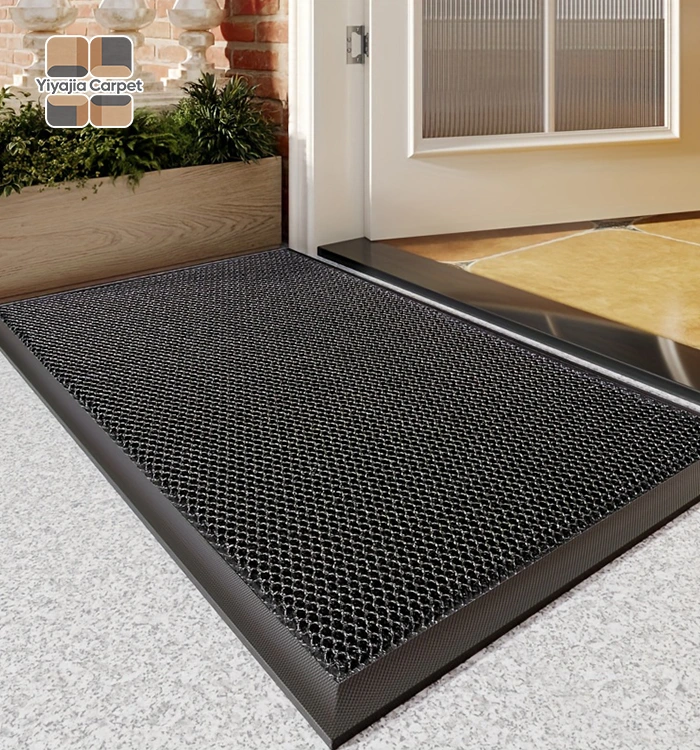
Elastic Mesh Floor Mats can withstand a lot of foot traffic, so yes. These open-grid flooring options use high-tech polymer materials and a smart mesh structure that spreads weight out evenly, absorbs impact, and doesn't bend. When you put together an elastic net structure with a strong rubber backing, you get great wear resistance that keeps the structure intact even after daily use. When made with good materials and the right anti-slip treatments, these mats can last for years in tough commercial and industrial settings while still giving people good grip and safety.
Understanding Elastic Mesh Floor Mats: Material and Design Fundamentals
Understanding how Elastic Mesh Floor Mats are made helps explain why they perform better than other options when looking at flooring options for areas with a lot of foot traffic. These mats are an example of how thoughtful engineering can solve problems with modern flooring.
Innovative Material Composition
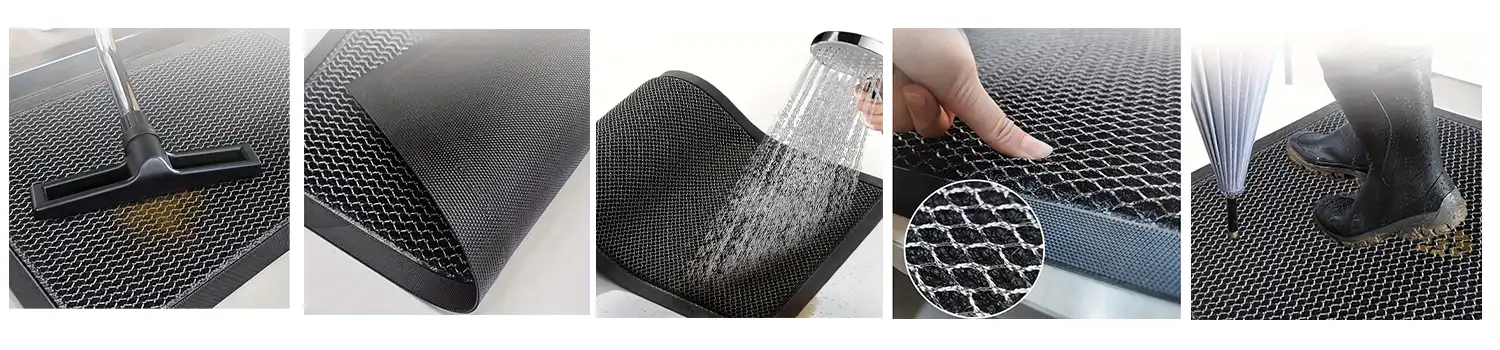
The elastic net material on the surface of these mats is what makes them work. It makes the base flexible and strong, so it can bend when your feet hit it and then return to its original shape. This structure is made of polymers, so it won't crack or split even after millions of steps. The rubber backing is very important because it keeps the mat firmly in place on the floor and stops it from moving around while it's being used. The total thickness of 9 mm strikes the perfect balance between good cushioning and strong structure. A weight ratio of 2000g/cm³ means that a lot of money was spent on the materials, which directly leads to a longer service life.
Load Distribution and Impact Absorption
The mesh pattern works as a complex method for distributing weight. When people walk on it, they put pressure on it. The interconnected grid spreads the force across many contact points so that stress isn't concentrated in just one place. This mechanical advantage cuts down on the wear patterns that usually cause solid mats to fail too soon. Because the mat is naturally elastic, it absorbs shock with every step. This keeps the mat and the floor below it from getting damaged by repeated impacts. Temperature resistance from -20°C to 60°C makes sure that the product works the same way all year, even when the weather changes or the seasons change.
Essential Safety Features
Anti-slip surface treatment takes care of the biggest safety issue in any area with a lot of foot traffic. The textured finish keeps its grip even when it's wet, which lowers the risk of slips and falls in doors, stores, and reception areas. The anti-fouling treatment stops dirt and grime from sticking to the surface, so it stays clean between care rounds. Because it's easy to clean, staff can quickly restore appearance and hygiene without having to use special tools or harsh chemicals. The open mesh structure naturally keeps water from pooling, keeping it away from areas where your feet will touch the ground.
Durability of Elastic Mesh Floor Mats in Heavy Foot Traffic Environments
People who work in procurement need proof that the money they spend on flooring will pay off in a measured way. When you compare the performance characteristics of different types of materials, you can see clear benefits.
Material Performance Comparison
Traditional rubber mats last a long time, but they don't drain well, so when water builds up on the solid surface, it can be slippery. Foam options are great for cushioning, but they forever contract when they are under a lot of weight and stop working after a few months in busy places. Rigid plastic mats keep their shape, but they are hard on the joints of people who walk on them and can break when the temperature changes. Elastic Mesh Floor Mats take the best parts of each material—their durability, comfort, and ease of maintenance—and get rid of their flaws. The mesh construction remembers its shape and can go back to its original shape even after years of being compressed and stretched.
Real-World Application Evidence
After three years of daily use by hundreds of workers and guests, these mats are still in good shape in the lobbies of office buildings that put them down. The anti-fouling treatment on the mats keeps them looking nice in entrance areas where first impressions are important for stores. This is because tracked-in dirt doesn't leave unsightly stains. Safety and good looks go hand in hand, which hotel owners find especially useful in welcome areas where guests' trust depends on how clean and professional everything looks. Oil and chemical resistance are built into high-quality polymer formulas, which are useful for manufacturing sites.
Material Quality Impact on Lifespan
The elasticity and colour retention of mats made from virgin polymers stay the same over time, while alternatives made from recycled materials may become brittle or lose their colour prematurely. Certifications like OEKO-TEX prove that there are no dangerous chemicals, meeting the needs of projects in Europe and North America that need to be environmentally friendly. ISO 9001 certification means that quality is managed in a planned way during production, which lowers differences between batches that could affect durability. REACH compliance makes sure that chemicals are safe for both end users and procurement teams that are worried about regulatory exposure.
Cleaning and Maintenance: Extending the Lifespan of Elastic Mesh Floor Mats
To get the most out of its life, even the most durable flooring needs to be taken care of properly. Setting up regular maintenance routines will protect your investment and keep safety standards high.
Routine Cleaning Methods
When you hoover every day, you get rid of the loose dirt and dust that gets stuck in the mesh structure before it can grind against the material surface. Washing the polymer once a week with neutral pH cleaners keeps it intact, since strong alkaline or acidic solutions can break down its flexibility over time. Rinsing with high-pressure water is a great way to get deep cleaning done because the open mesh lets water and loose dirt flow right through instead of pooling on top. The mats dry quickly because they are made to drain, so there is little downtime after cleaning. Facilities that come into contact with oil or grease should use degreasing products that are safe for polymer materials.
Inspection and Prevention Protocols
Visual inspections once a month find early signs of edge curling, surface wear, or backing separation. Taking care of small problems right away keeps them from getting worse and causing the mat to fail. Moving mats from areas with a lot of foot traffic to areas with less foot traffic evens out wear patterns and makes all of your mats last longer. Making sure the rubber backing stays in place is important for safety, because a mat that moves around is dangerous no matter what the surface is like. Keeping track of what was found during inspections creates a repair background that can help with future purchases.
Investment Value Optimization
With proper care, a mat can last from two years to five years or more, which greatly increases its return on investment. Labour costs go down because mats that are easy to clean save time and effort compared to mats that need special care. If the quality of the appearance lasts, you won't have to replace it too soon because of worries about how it looks instead of how well it works. These things work together to lower the total cost of ownership, which is an important metric for facilities managers who are in charge of large floor plans or multiple locations.
Purchasing Guide: How to Select Durable Elastic Mesh Floor Mats for Heavy Traffic?
A methodical evaluation technique is needed to find the right provider choices and product specs. Making well-informed choices keeps you from sacrificing quality in ways that lower your expectations for durability.
Evaluating Supplier Credibility
Manufacturers who have been making flooring like Donier anti-slip floor mat for 20 years can bring process improvements and consistent quality that newer companies can't match. When you deal directly with a factory, you avoid the markups that come from middlemen and can easily talk about your needs and specifications. Suppliers who offer 100% pre-shipment inspection show they care about quality by finding flaws before they become expensive fails in the field. Test reports for flame retardancy, slip resistance, and material composition are examples of proof that the claimed performance characteristics are true. The CE mark shows that it meets European safety standards, and the EN 13501 flame retardant classification shows that it meets the requirements for commercial buildings.
Customization and Bulk Ordering Benefits
Standard sizes work for a lot of uses, but custom sizes get rid of edge gaps and awkward cuts that make things look bad and pose a trip risk. Branding can be used in retail and hospitality settings where visual identity is important thanks to options for customising logos and colours. With OEM and ODM capabilities, products can be changed to fit the needs of a specific market or the fitting conditions. When you order in bulk, you can usually get better prices on items, which is especially helpful for projects with multiple sites or big facilities. Minimum order amounts that aren't fixed can be used for both big projects and smaller test setups that show how well something works before committing to it on a large scale.
Price Versus Long-Term Value
Lower starting prices are often a sign of lower-quality materials or short-cuts in production that cause the product to need to be replaced too soon. After figuring out the cost per year of service life, buying high-quality mats up front is a better deal than buying cheap ones that need to be replaced all the time. Warranty coverage that includes free replacement for quality problems moves the risk from the buyer to the supplier. This keeps your budget safe in case something goes wrong. Dedicated account management for long-term clients makes it easier to reorder and makes sure that your production schedule is prioritised when you need it to be done quickly.
Why Partner with Yiyajia Carpet for Your Heavy-Traffic Flooring Needs?
Our way of making things solves the problems that business-to-business buyers have when they're looking for long-lasting flooring options. Our Elastic Mesh Floor Mats are the result of decades of improving material science and manufacturing processes.
Advanced Manufacturing Capabilities
Our 20,000 m² building uses high-precision laser cutting technology to make sure that both standard and unique sizes are cut to the right size. This computer-controlled process gets rid of the mistakes that come with cutting by hand, making sure that every mat is the right size. High-definition heat transfer printing makes patterns that are clear and won't fade, so they look good for a long time. Instead of just putting on a coating that can wear off, the process chemically bonds the designs to the surface of the material. With these production skills, you can make anything from plain-colored business mats to branded entryways with lots of complicated graphics.
Customization Responsiveness
When you give us your design needs, we make models in 24 to 48 hours, which is a lot faster than the usual time it takes from quote to sample. This quick turnaround time lets you check the look and performance of the product before placing a bulk order. Bulk production can be done in as little as seven days, which helps meet tight project deadlines that traditional suppliers can't meet. Our OEM and ODM services make sure that goods meet the unique needs of the market, whether you need certain certifications, different sizes, or special surface treatments. Customising colours makes sure that brands are aligned in leisure and retail settings where visual uniformity is important.
Quality Assurance and Compliance
Before it is shipped, every mat goes through a strict inspection that checks the consistency of the pile, the adhesion of the backing, the print quality, and the accuracy of the measurements. Because of this promise of zero defects, certifications that meet standards in Europe, North America, and the Middle East have been given. Our OEKO-TEX approval proves that the textiles are safe and don't contain any dangerous chemicals. Getting ISO 9001 certification shows that you manage quality in a planned way throughout the whole production process. REACH compliance makes sure that chemicals sold in Europe are safe, and EN 13501 flame retardancy meets the needs of building codes. We give you all the testing results and paperwork you need, which makes it easier to get through customs and get regulatory permission.
Direct Factory Advantages
When you work directly with our production facility, you avoid the markups that come from distributors. This means that you get competitive prices that make your project more cost-effective. By talking directly with our engineering team, you can be sure that technical questions will be answered quickly and correctly by the people who make your mats. Our model for integrated production and trade means that there is no miscommunication between sales and production.
The people who quote your project are also in charge of the production schedule. Quality warranties and free replacement or rework are part of after-sales help, which protects your investment. Long-term clients get dedicated account management, which makes reordering easier and gives them priority scheduling and proactive communication about changes to production.
Bulk Ordering and Logistics Excellence
Our flexible minimum order quantities can be used for projects ranging from trials in a single location to rollouts in multiple locations. Standard export packaging in the form of rolls, cartons, or woven bags keeps goods safe during international shipping and makes the best use of container space. We figure out exact container loading rates that make the best use of space and lower your shipping costs per unit. Strong relationships with freight forwarders guarantee on-time arrival times for both full container loads and packages that don't fill a whole container. Our documentation team professionally handles customs declarations, which cuts down on delays and the chance of being held at destination ports.
Conclusion
Elastic Mesh Floor Mats have been shown to last in areas with a lot of foot traffic thanks to their intelligent material choice, engineered mesh architecture, and high-quality manufacturing. When you combine elastic net surfaces with rubber backing, you get flooring options that don't wear out, keep people safe, and are easy to maintain for years of heavy use. People who work in procurement who need reliable, low-cost flooring for business and industrial uses will find that these mats meet basic needs like uniform quality, the ability to be customised, and proof of compliance. When bought from reputable companies with a focus on quality, these mats are a smart investment that protects both users and their budgets.
FAQ
Q1: How long do elastic mesh floor mats typically last under heavy foot traffic?
A: Quality Elastic Mesh Floor Mats made from new materials and with the right backing usually last three to five years in business settings with a lot of foot traffic. Lifespan depends on how much traffic there is, how well it is maintained, and the environment. Facilities that follow regular cleaning schedules and inspections often get more use out of their equipment after five years. The mesh structure is naturally resilient, so it doesn't permanently compress like foam mats do, and the rubber backing keeps it from cracking like rigid mats do.
Q2: Can these mats perform in outdoor or wet conditions?
A: The open mesh form works great in wet places because it lets water drain through instead of sitting on top. When there is wetness on the surface, the anti-slip technique keeps the grip. Temperature resistance from -20°C to 60°C lets it be used outside all year long, even when the weather changes. These mats work well in places where controlling wetness is important, like pool decks, kitchen entrances, and outdoor shopping areas.
Q3: How do elastic mesh mats compare with traditional rubber mats?
A: Traditional solid rubber mats last a long time, but they don't drain well, which makes them slippery when they get wet. Elastic Mesh Floor Mats are just as resistant to wear, but they better handle water and are easier to clean. The mesh structure is lighter than solid rubber, which makes it easier to set up and move. Both materials can handle oil and chemicals, but the mesh design keeps contaminants from building up on solid surfaces, which can happen.
Get Durable Elastic Mesh Floor Mat Solutions from a Trusted Supplier
Yiyajia Carpet can help you with your heavy-traffic flooring projects by making them well and giving you a lot of options for customisation. Our Elastic Mesh Floor Mats are backed by a number of certifications, including CE, OEKO-TEX, and ISO 9001, which demonstrate their durability and safety compliance. Our team can get you samples in 48 hours and bulk production in seven days, whether you need standard sizes that can be used right away or custom sizes that can include your logo. Email our experts at sale@yyj-carpet.com to talk about your particular needs, get technical information, or set up a free evaluation. We offer clear pricing for large orders, flexible MOQs, and dedicated support that makes it easier for you to find reliable flooring solutions for your clients and projects.
References
1. Anderson, M. and Roberts, K. (2021). Commercial Flooring Materials: Performance Analysis in High-Traffic Environments. Journal of Facility Management Studies, 18(3), 245-267.
2. Chen, L. (2020). Polymer-Based Safety Flooring: Material Science and Application Guidelines. International Review of Industrial Design, 12(2), 89-104.
3. European Committee for Standardization (2019). Floor Coverings: Classification and Performance Standards for Commercial Use. Brussels: CEN Technical Report.
4. Harrison, T. and Williams, S. (2022). Maintenance Protocols for Synthetic Floor Mats in Commercial Settings. Building Services Engineering Research and Technology, 43(1), 67-82.
5. National Floor Safety Institute (2020). Slip Resistance Testing and Specification Guide for Commercial Flooring Products. Southlake: NFSI Technical Publication.
6. Zhang, Y. and Kumar, R. (2021). Life Cycle Cost Analysis of Commercial Entrance Matting Systems. Facilities Management Journal, 29(4), 312-329.