_1774494554973.webp)
Affordable utility door mats for outdoor use
July 6, 2026


When procurement managers are looking for reliable entrance solutions, a well-designed utility door mat is a must-have. It keeps outdoor dirt and moisture out of business areas. These designed floor covers catch up to 80% of the dirt that comes in through the entryway. This lowers the cost of cleaning the inside of the building and makes it less likely that someone will slip. Unlike decorative floor accessories, outdoor entrance mats provide a measured return on investment (ROI) by increasing the life of indoor flooring and lowering legal risks. With the right provider relationship, businesses can get high-quality goods that are both affordable and effective, meeting the needs of high-traffic areas while staying within their budgets.
Understanding Utility Door Mats and Their Benefits
The main way to keep natural pollutants out of business buildings is with outdoor entrance systems. The technology behind walk-off mats has come a long way, and now they offer real practical benefits as well as nice looks.
The Engineering Behind High-Performance Entrance Mats
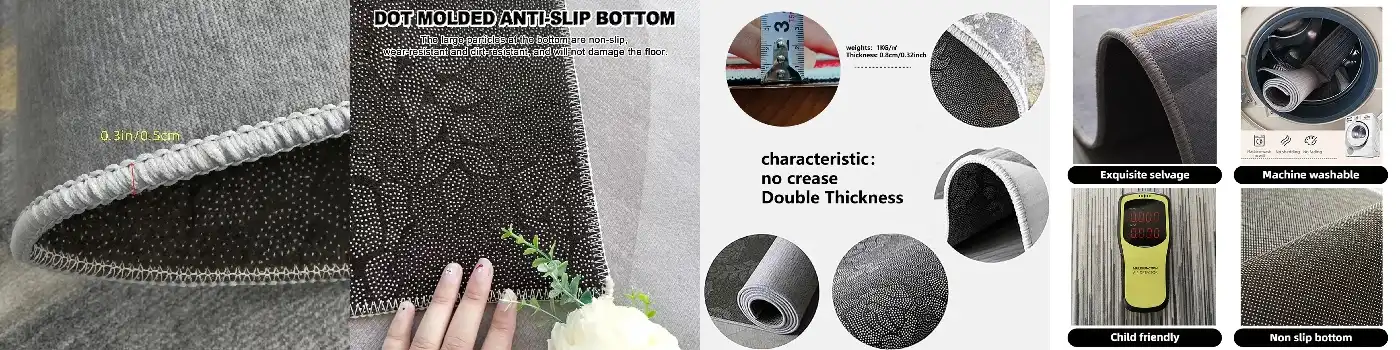
Modern options for door floors combine cutting-edge science about materials with useful design ideas. The two-level design collects particles below the walking area, so they don't get spread again when people walk on them again. The TPR thermoplastic rubber backing sticks better to different types of substrates and stays in place even when delivery carts or mobility aids roll over it. This backing material doesn't curl when the temperature changes, which is a common problem with cheaper options made from PVC compounds.
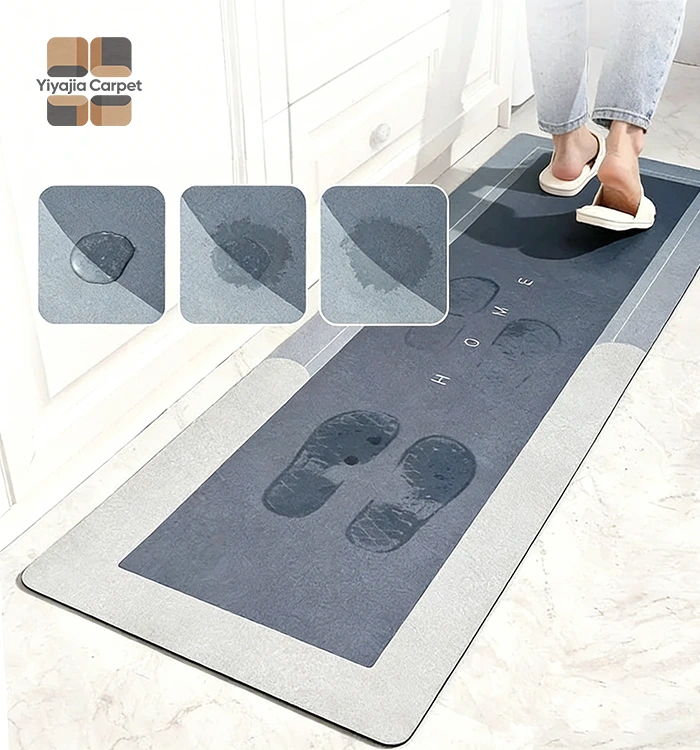
The choice of materials has a direct effect on the total cost of ownership. The fine strands on the surface of faux cashmere are very good at catching dirt and drying quickly, which stops bacteria from growing. The machine-woven design and edge locking prevent tearing, a common problem with cut-edge mats that makes them trip risks and needs to be replaced too soon. CE and ROHS approvals show that a product meets foreign safety standards. This lowers the risk of buying for companies that sell in more than one market.
Quantifiable Benefits for Commercial Operations
When businesses put in the right entrance mat solutions, they see measurable results. When abrasive bits can't get to the inside of a building, successful dirt containment cuts upkeep costs by 30 to 40 percent. When smooth floors stay dry during bad weather, the number of slip-and-fall accidents goes down by a lot. Insurance companies know this lowers the risk, and they might change rates for buildings that show they have good entrance control methods.
Environmental safety is becoming more and more important in buying choices. Materials that don't smell and are safe for babies meet the rising demand for better indoor air quality. This is especially important for healthcare facilities, schools, and hotels where vulnerable people spend a lot of time. Customizing sizes gets rid of waste from products that are too big and need to be changed in the field, and customizing logos turns useful items into chances to build your brand at building doors.
How to Choose the Best Affordable Utility Door Mat for Outdoor Use?
To do strategic buying, you need to fit technical requirements with real-world operations. When making decisions, models that look at more than one factor at once produce better results than price-focused methods.
Material Durability Assessment
The makeup of the surface fibers in a utility door mat affects how well they scrape and how long they should last. Different types of polypropylene are very good at resisting wetness and keeping their color when exposed to UV light, so they look good in open entryways. Composite designs that use both manmade fibers and natural materials are good for both the environment and performance needs.
The backing base has to be able to handle changes in temperature, chemical exposure from de-icing substances, and mechanical stress from heavy wheels. Thickness standards are related to the amount of traffic they can handle. For heavy-duty uses, 10-15 mm designs that keep their shape even when they are constantly compressed are best. Delamination can be avoided by treating the edges. Heat-sealed borders work better than stitched ones in wet places where moisture can cause glue to fail.
Functional Properties Evaluation
Drainage design tells the difference between good items and great ones. Channeled designs let water run away from the areas that touch, which keeps the grip even when it rains. Around the edges of the mat, scraper zones remove heavy soil manually before finer fibers soak up any remaining wetness. This zoned method stretches the time between cleanings, which lowers the cost of labor in places that get a lot of people every day. Long-term survival is affected by maintenance ease. Products that support pressure washing allow for thorough cleaning on a regular basis without having to replace anything. This is especially helpful in industrial settings where oil or chemicals are present. Machine-woven materials can survive harsh cleaning methods that destroy tufted materials, saving purchases made over many years of service.
Size and Customization Considerations
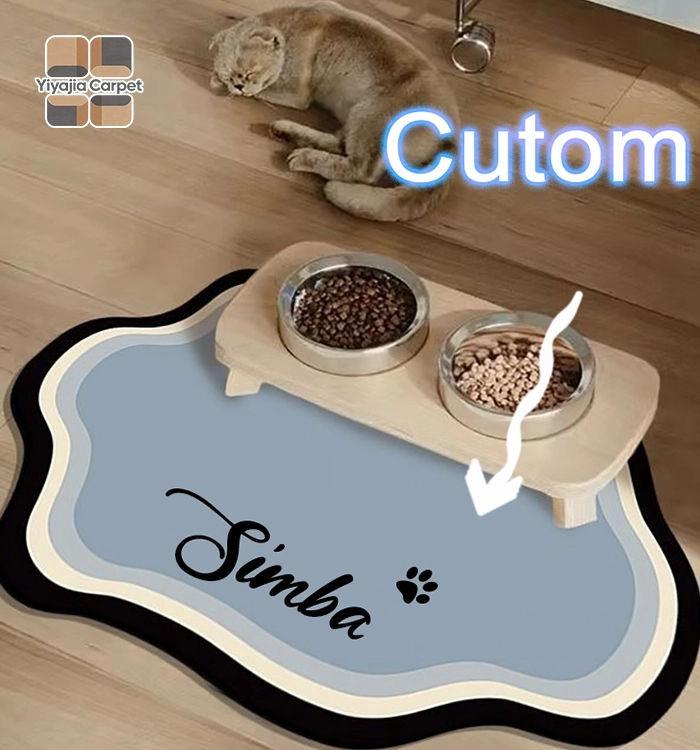
Standard sizes don't always match up with how buildings are built. Customization options become important selection factors because they allow for an exact fit that stops gaps where soil can get around the matting system. Minimum order quantities (MOQs) affect the flexibility of buying. Suppliers with 50-piece MOQs can meet the needs of specific projects without making too many inventory promises. Laser cutting makes it possible to make irregular forms that fit into curvy doors, wells that are set back, or building features. Heat transfer printing can be used for company branding, wayfinding images, or safety messages without affecting the way the product works. With these skills, value-added partners who can handle complex building needs can be told apart from commodity providers.
Top Affordable Utility Door Mats for Outdoor Use in 2026
As facility funds get smaller and quality standards rise, the market is currently favoring options that strike a balance between low cost and high technical performance.
Premium Composite Solutions
Advanced TPR-backed mats with fine faux cashmere surfaces offer the best value for money when it comes to a utility door mat. With daily production levels of up to 2,000 square meters, prices can be kept low while quality is closely monitored. The machine-woven design gives it commercial-grade durability that was only offered at higher price points before. Customization options allow for a wide range of uses, from stores that need branded entrances to industrial loading docks that need extra-large covering. Environmental approvals meet the needs of environmental requirements without charging more. CE compliance ensures entry to the European market, and ROHS approval gets rid of worries about dangerous substances. These badges make it easier to get things bought, especially for companies with centralized rules for buying things that are good for the earth.
Weather-Resistant Outdoor Performers
UV-stabilized materials keep their shape and look even when they are directly exposed to sunlight. Color-locking heat transfer methods stop fading that makes the doors to a building look different. Reinforced backing systems don't let moisture in, which can cause bending when temperatures change. This keeps the installation flat, which is important for ADA compliance and avoiding trip hazards. Quick-dry surface treatments stop bacteria from growing, which is good for cleanliness in healthcare, food service, and leisure settings. The silent installation ready gets rid of the off-gassing delays that slow down operations, so the system can be put to use as soon as it arrives.
Maintenance and Usage Tips to Maximize Utility Door Mat Lifespan
Proactive care practices increase the time between services, which maximizes purchase investments by delaying the need for replacements.
Regular Cleaning Schedules
Maintenance schedules are based on how much traffic there is. Daily cleaning removes collected particulates before they get stuck in fiber structures, which is good for places with a lot of foot traffic. Deep cleaning with pressure washing once a week improves draining, especially when it's rainy and the dirt loads are higher. The smooth edges make it easier to use cleaning equipment and keep mats and equipment from getting caught. Care guidelines that are specific to the material improve results. In contrast to rubber materials, which break down when cleaned with petroleum-based cleaners, TPR backing can handle being extracted with hot water and light detergents. Keeping away from harsh chemicals protects the integrity of the fibers, which keeps the scraping power that provides dirt containment performance.
Seasonal Adjustments
In the winter, de-icing salts are exposed, which speeds up wear if they are not managed properly. During the snowy months, cleaning more often gets rid of acidic leftovers before they crystallize and damage the fibers. During the summer heat waves, it's important to keep drainage channels clear because dried plants and animals can stop water flow during sudden rains. Mat sections should be rotated every three months in warehouses where forklifts are used so that wear patterns are spread out over the whole surface. This method increases the useful life by 40–60%, which delays the need to spend a lot of money on a full replacement.
Staff Training Protocols
Maintenance teams need clear instructions on how to clean a Hallway mat properly. Showing the right way to vacuum—by making multiple passes at a modest speed—will get rid of all the dirt. Setting written cleaning plans makes people responsible and stops them from ignoring them, which leads to failure too soon. Training materials given by the vendor add value beyond the sale of the product. Manufacturers that give troubleshooting help and documents on cleaning protocols show that they care about their customers' success, which is a trait that makes a seller a preferred partner.
Trusted Suppliers and Procurement Options for B2B Clients
Picking the right supplier is just as important as specifying the right products when it comes to successful buying. The best results come from evaluation systems that take into account multiple partnership aspects.
Manufacturer Reliability Assessment
Production capacity has a direct effect on how reliably deliveries happen. Facilities that work 2,000 square meters of space every day can handle large orders without having to wait for long lead times that throw off project plans. Transparent order ordering tools let you see what's in the production lines, which lets you plan installations more accurately. Protocols for quality assurance tell the difference between trustworthy makers and commodity providers. Full-process QC checking finds problems before they are shipped, so there are no expensive refunds or project delays. Free repair promises for mistakes in manufacturing put the risk of quality on the sellers, which protects the interests of the buyers.
Customization and Flexibility
Low MOQ levels make it possible to customize products for specific uses at a low cost. Suppliers who require at least 50 pieces can handle small projects and trial programs without committing to too much inventory. The seven-day turnaround time for customizing logos helps with quick deployment needs, which is especially helpful for franchise rollouts and holiday sales. Heat transfer and laser cutting make it possible to meet complicated requirements that would not be possible with traditional manufacturing. When sellers can meet any design or irregular shape need, they are seen as problem-solving partners instead of just business vendors.
Pricing and Value Optimization
When you buy in bulk, you save money, and the savings grow as your order number does. Long-term, stable relationships with suppliers can get better prices, which makes the project more cost-effective than partnerships that last more than one year. Clear prices with no secret fees builds trust and encourages customers to come back. Export-grade packing makes the best use of containers, which lowers the cost of shipping per unit. Calculated packing solutions increase the number of items that can be shipped at once, which is especially helpful for international purchases that cross countries. Professional help with paperwork speeds up customs clearing and keeps you from having to pay holding fees that take away from the benefits of a lower landing cost.
After-Sales Support Infrastructure
Dedicated business liaisons make it easy for customers to place repeat orders, which speeds up the production schedule for returning customers. Regular talks on style and process improvement show that the seller cares about the success of the customer beyond the original transactions. Exclusive service programs for big buyers understand the worth of partnerships and help to keep them strong over time.
Conclusion
When procurement teams use strict selection criteria for a utility door mat, inexpensive outdoor entrance mats offer measured practical benefits. The total cost of ownership, which includes more than just the original unit price, is based on material engineering, the ability to customize, and the dependability of the provider. When advanced manufacturing technologies and competitive market dynamics come together, they create value possibilities that have never been seen before. These include high-performance goods that are easier for more people to afford. Strategic buyers who use supplier relationships, customization options, and best practices for upkeep to get the most out of door systems while also meeting requirements for safety, appearance, and the environment in a variety of business settings.
FAQ
Q1: What makes a utility door mat suitable for heavy-traffic commercial environments?
A: Commercial-grade door mats need to be machine-woven and have edges that lock together so they can be constantly compressed without breaking. When it comes to grip and temperature protection, TPR backing is better than PVC options. Surface materials need to have a rough roughness that can scrape and the ability to hold on to water so that they can catch soil before it moves inside. Certifications that prove safety standards lower the risk of being sued, which is especially important for public-access sites.
Q2: How does customization affect procurement lead times and pricing?
A: Modern technologies for making things allow for quick modification without big price increases. Heat transfer printing and laser cutting can make custom orders in 7 to 24 hours at sources who offer combined production. Minimum order quantities (MOQs) that start at 50 pieces make cheap tailoring possible for unique projects. When you buy more than 200 pieces, the cost per unit goes down a lot, which is called economies of scale.
Q3: What maintenance practices extend mat lifespan in outdoor installations?
A: Regular cleaning gets rid of rough particles before they get stuck in fibers, and once a week pressure washing returns the ability to drain. Using cleaners that are based on gasoline helps keep the backing in good shape. Seasonal changes—more cleaning in the winter to get rid of salt, and clearing out the drainage channels in the summer—keep wear from speeding up. By rotating high-wear areas every three months, traffic stress is spread out and repair times are increased by 40 to 60 percent. When added to building maintenance plans, vendor-provided care routines improve outcomes.
Partner with Yiyajia Carpet for Your Entrance Matting Needs
Yiyajia Carpet offers complete door options that combine high-tech production with helpful customer service. Our TPR-backed mats with fine faux cashmere surfaces work well for businesses at a reasonable price, and they are backed by CE and ROHS standards that make sure they are safe for use around the world. Our daily production capacity of 2,000 square meters lets us quickly fill large orders, and our 50-piece MOQ lets us meet specific design needs.
Any design or size can be made with heat transfer and laser cutting technologies, and image customization can be done in seven days. Professional utility door mat providers know that a successful purchase isn't just about getting a good product. Our dedicated business teams offer sample production within 24 to 48 hours, full after-sales support, and clear shipping schedules. Contact sale@yyj-carpet.com to talk about your unique needs and find out how our entrance matting options can help your building run more efficiently while staying within your budget.
References
1. National Floor Safety Institute (NFSI), "Commercial Entrance Matting Systems: Impact on Interior Maintenance Costs and Slip Resistance," 2023.
2. Building Owners and Managers Association International, "Best Practices for Facility Entrance Design and Soil Containment," BOMA Technical Standards, 2024.
3. International Sanitary Supply Association, "Walk-Off Mat Performance Specifications for Commercial Applications," ISSA Cleaning Industry Research Institute, 2023.
4. American Society for Testing and Materials, "Standard Specification for Rubber Floor Mats and Matting," ASTM F1637-18, 2022.
5. Carpet and Rug Institute, "Environmental Certification Programs for Commercial Floor Coverings," CRI Green Label Standards, 2024.
6. Occupational Safety and Health Administration, "Walking-Working Surfaces and Fall Protection Requirements for General Industry," OSHA 29 CFR 1910 Subpart D, 2023.