_1774494554973.webp)
Where to find long corridor carpet collections featuring durable, stain-proof fibers
July 21, 2026


When looking for reliable flooring options, procurement managers and project planners often ask where they can find high-performance corridor rugs that are both long-lasting and stain-resistant. Teaming up with specialised makers that make long corridor carpet collections designed to work in high-traffic business areas is the answer. The modern fibre technology in these designs includes TPR thermoplastic rubber backing and fine faux cashmere surfaces, which make the fabrics look good and last a long time. Companies like Yiyajia Carpet have created complete product lines to meet the specific needs of hotels, office buildings, healthcare facilities, and public areas with long hallways that need flooring that can be used all the time and still looks good.
Understanding Long Corridor Carpets and Their Benefits
When compared to area rugs or mats for homes, long corridor carpets are used for very different things. These unique floor covers are used in long transitional areas where people tend to walk in predictable patterns, causing wear patterns that need designed solutions.
Specialized Design for Extended Passageways
Extended hallway flooring is different from standard runners because it is made with engineering specs that are specific to business needs. Residential runners are usually less than 15 feet long, but hallway options can cover more than 50 meters when installed all at once. The way the building was done takes into account the "traffic lane greying" effect, which happens when 90% of all foot traffic goes through the middle three feet of paths. High-density pile designs keep the fibres from breaking under this heavy load, so the installation looks the same all over. Because of their aspect ratio, these products can be noisy in small rooms. To solve this problem, makers have come up with special backing materials that block impact sound up to 25 decibels better than hard surface floors.
Key Performance Advantages
Modern flooring in corridors has many operational benefits that have a direct effect on the prices of building management. Solution-dyed fibres are stain-proof because the colour is built into the fibre structure instead of being added on top. This keeps spots from getting through the material. Studies on building management have shown that this method cuts down on the need for emergency cleaning by about 40%. Acoustic insulation features turn echoing halls into comfortable transitional spaces. This is especially helpful in healthcare settings where lower background noise helps patients recover. When rolling loads like luggage carts, service trolleys, or medical equipment hit the standard installations, they buckle and ripple. The TPR thermoplastic rubber backing keeps the dimensions stable, so this doesn't happen.
Material Selection Considerations
In commercial settings, the efficiency results for a Corridor long runner depend on the fibre composition in a basic way. Alternatives made of synthetic materials, like solution-dyed nylon, are very strong and don't lose their colour even after thousands of washings. There is a fine layer of fake cashmere on top that gives it a classy look without losing sturdiness; it won't mat even after heavy use. More and more, buying choices are based on environmental factors. CE and ROHS licenses show that products meet international safety standards. These certifications make sure that goods don't contain any harmful chemicals. This means that they can be used in places like hospitals, schools, and hotels where the safety of the people who work there is regulated.
Where to Find High-Quality Long Corridor Carpet Collections?
B2B buyers need ways to find a good long corridor carpet collection that combines good quality with quick and easy ordering, reliable shipping, and expert help during the whole process of setting up and specifying the products.
Direct Manufacturer Partnerships
Working directly with carpet makers is much better than using a multi-tier marketing approach in many ways. Manufacturers give buying managers access to all the information they need to make smart decisions, such as the fibre makeup, backing materials, and performance testing results. Yiyajia Carpet is a good example of this direct-source method because they can make 2000 square meters of carpet every day and can turn around special orders quickly.
This production scale lets you customise the size and colour of your orders starting with as few as 50 pieces, which is a lot less than the usual bulk needs of over 500 units in the industry. Direct relationships get rid of the markups that come from middlemen and give you access to engineering help during the specification phase. This way, you can be sure that the goods you choose meet the needs of your project before you make a purchase commitment.
Online B2B Procurement Platforms
Digital platforms have changed how business flooring is bought by bringing together suppliers and standardising the criteria used for comparison. Building materials platforms connect verified producers with purchasing managers who want to compare prices from several sources at the same time. These tools make it easier to ask for samples, download specifications, and talk about prices before the official conversations to buy start. Online tools make it easy for buying teams to quickly check a supplier's credentials, production capabilities, and delivery times. Consolidated logistics choices are good for buyers because many platforms offer combined freight forwarding that makes foreign shipping and customs paperwork easier.
Industry Trade Shows and Direct Outreach
Trade shows are still a good way to check the quality of a product by touching it and talking to the supplier in person. The newest fibre technologies and assembly methods are shown off at events that focus on business spaces, building materials, and hospitality design. These places let people who work in buying look at the quality of the backing, the density of the piles, and the ability to customise things directly with technical reps.
In addition to trade shows, talking to makers directly, like Yiyajia, can help with custom talks that are based on the needs of the project. Within 24 to 48 hours, sales teams can send material samples, which speeds up the process of validating designs and getting approval from stakeholders. Traditional request-for-proposal processes can take several weeks, but this flexible approach cuts down on that time.
Installation Tips and Maintenance Guide for Long Corridor Carpets
The right way to put long corridor carpets has a direct effect on how well they work, how long they last, and how much they cost to own over their whole time.
Preparation and Installation Methods
Evaluation of the substrate is the first and most important step in a good fitting. Concrete subfloors need to be tested for wetness to make sure that results stay below 3 pounds per 1000 square feet for 24 hours. This keeps the glue from failing and the backing from coming off. If the surface isn't level over a 10-foot span, it needs to be levelled with levelling powder so that it doesn't show through the carpet. When installing carpet in a hallway, the double-stick method works best because one layer of glue sticks the padding to the subfloor and the second layer sticks the carpet to the padding.
This method stops the sideways movement that happens with rolling loads, so the seam stays intact over long installations. Pattern matching needs careful planning during the layout phase, with seams placed in opening thresholds or alcoves instead of across main traffic lines, where they are more likely to be seen and get worn down quickly.
Maintenance Protocols for Stain-Resistant Fibers
When done regularly, routine repair keeps things looking good and significantly extends the time between replacements, compared to industry standards. Daily high-filtration cleaning gets rid of rough dirt particles before they damage fibre surfaces. Commercial-grade vacuums have better suction than home models. Fibres that don't stain make emergency spot treatments easier. Most problems can be fixed by washing them with clean water in the first 10 minutes.
Deep cleaning every three months with low-moisture encapsulation technology stops the backing materials from getting too wet, which harms them, and gets rid of embedded dirt that sweeping can't reach. This method turns dirt into dry bits that can be vacuumed up afterward, instead of waiting for a long time for the carpet to dry and possibly mildew to grow, which can happen with steam cleaning. Manufacturers like Yiyajia give thorough care instructions that are specific to the fibres they make. This makes sure that the cleaning methods meet guarantee requirements and performance standards.
Comparing Popular Long Corridor Carpet Types for B2B Needs
Knowledge of different types of long corridor carpet for business use helps purchasing teams match technical requirements with practical needs and price limits for a range of project types.
Corridor Carpets Versus Standard Runners
Size is the main thing that sets these product groups apart. Standard runners are usually made in widths of 2 to 4 feet and lengths of less than 20 feet. For installs in corridors, custom widths that match exact wall-to-wall measurements are needed to get rid of seams that aren't needed and make upkeep harder. The ways they are put together are also different. For example, corridor goods use heavier piles that weigh an average of 40 ounces per square yard, while home runners only weigh 28 ounces.
This rise in density is closely linked to higher traffic ratings. This means that replacement cycles will last 7–12 years in business settings, compared to the usual 3–5 years for residential ones. The level of difficulty of installation also goes up. For example, hallway projects need professional layout planning to handle pattern repeats, seam placement, and transition strips at doors and elevator lobbies.
Synthetic Versus Natural Fiber Options
When choosing a material, you have to weigh the performance traits against the cost and environmental goals. Solution-dyed nylon and other synthetic fibres are commonly used in business settings because they are better at resisting stains and keeping their colour even after many washes. The fine fake cashmere construction used in high-end synthetic options makes them look as luxurious as natural fibres while also having useful benefits, such as drying faster after washing and not growing mildew in humid places.
Natural wool options are naturally resistant to dirt and flame, but they need to be cleaned in a certain way and cost 30–50% more than similar manufactured goods at first. When figuring out the total cost of ownership, you should think about things like upkeep, how often you need to replace something, and how to get rid of it. Synthetic options often show lower costs over 10-year lifetime studies, even though natural fibre options perform better.
The Role of Backing Technology
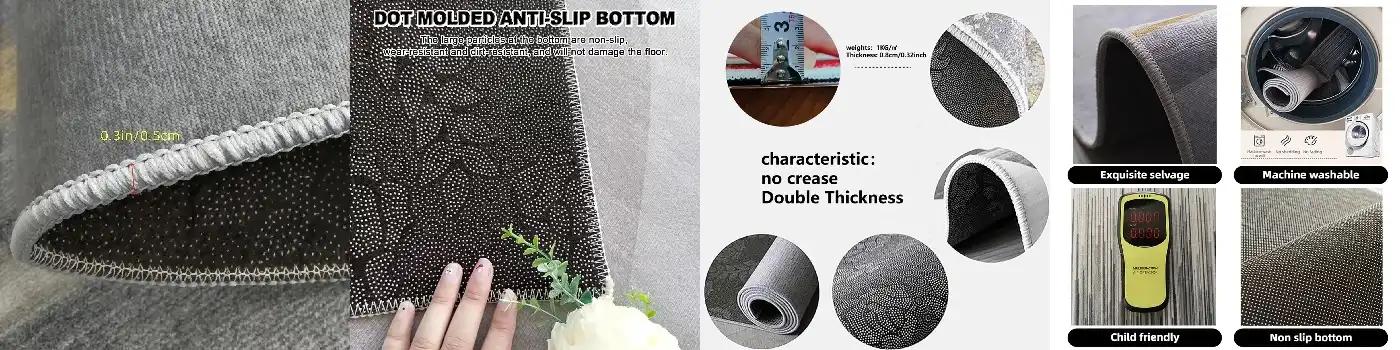
Backing materials have a big effect on how well a project works and how stable the dimensions are over time. The TPR thermoplastic rubber backing sticks very well to surfaces, so less adhesive is needed during installation. The bond stays strong even when the temperature changes, which is common in business buildings. This type of material is better at resisting moisture than traditional jute or synthetic rubber backings.
It keeps the backing from breaking down in high-humidity places like coastal homes or places that are cleaned a lot. Because TPR is flexible, rugs can fit over small imperfections in the subfloor without making surface flaws that can be seen. This lowers the cost of preparation during installation. Manufacturers who use strengthened backing structures stop edges from breaking and delaminating, so the carpet's look stays the same even in high-traffic areas where it meets hard surfaces.
Procurement Considerations and Brand Trust for Long Corridor Carpets
When making strategic sourcing choices for long corridor carpets, it's not just about unit price; supplier reliability, expert help, and the possibility of a long-term relationship are also important factors that affect the success of the project.
Evaluating Supplier Capabilities
Production capacity has a direct effect on delivery reliability, especially for big projects that need to be installed in stages across several buildings or for renovations that need to be done quickly. Suppliers whose daily output is more than 2000 square meters can handle rush orders without changing the lead times for current customers. Another important thing to look at is how customisable the product is. Low minimum order amounts let you change the design for different building zones without having to keep too much inventory on hand.
With logo integration, hotel chains and business sites can put branding elements right into the flooring of hallways, making visual identity programs stronger. Premium sellers offer technical help during the specification process, which sets them apart from commodity vendors. Before a purchase is made, engineering talks make sure that the product choices match the expected traffic, upkeep needs, and aesthetic goals.
Certification Verification and Quality Assurance
International approvals give a product's claims about safety, effect on the environment, and performance quantitative support. The CE marking shows that a product meets the safety standards of the European Union. This makes it easier to sell on foreign markets and shows that the quality of the production goes beyond the base requirements set by the EU. OEKO-TEX approval makes sure that textiles don't contain any harmful chemicals. This helps address growing worries about indoor air quality and how building materials can affect people's health.
ISO 9001 quality management certification shows that there are structured controls in place to make sure that differences between batches are kept to a minimum. This makes sure that large orders are given consistently over long periods of time. Instead of relying on what a website says, purchasing managers should ask for copies of current certification papers, check the expiration dates of certificates, and make sure that the goods mentioned fit the requirements for the procurement. Manufacturers with a good reputation keep their paperwork clear and will provide full test results and third-party verification upon request.
Building Long-Term Supplier Relationships
Repeat purchases are easier to make when you already have a relationship with a seller that makes it easy to reorder and gives you better price. Dedicated account managers for high-volume customers make sure that technical questions are answered quickly, samples are made quickly, and production schedules are prioritised during times of high demand.
Flexible payment terms that are based on project-based cash flow patterns make it easier for contractors and developers to plan their finances when they are handling multiple projects at the same time. Strategic partners are different from transactional sellers because they offer after-sales help, such as installation troubleshooting, upkeep training, and processing warranty claims. Manufacturers like Yiyajia offer full support throughout the lifespan of their products. They address quality concerns by offering replacement warranties that cover production flaws, shipping damage, and standard mismatches found during installation.
Conclusion
To get the best project results, you need to find the right balance between technical requirements, supplier skills, and lifetime costs when looking for high-quality long corridor carpets. Durable and stain-proof sets made by specialised companies meet the specific needs of business settings with long passages that see a lot of foot traffic and heavy use. Direct manufacturer partnerships give you access to technical support, customisation choices, and low prices that you can't get through other routes of distribution. Choosing the right materials, having a professional install them, and following regular care procedures will make your product work better and last longer, which will lower your total cost of ownership compared to generic options. Having good relationships with providers makes sure that buying things is quick, that the quality is always the same, and that you can get help quickly for many projects and locations.
FAQ
Q1: How do you prevent wear concentration in the center of corridor installations?
A: Choosing high-density pile builds with solution-dyed fibres keeps the greying of the traffic lanes to a minimum. Regular care, like sweeping every day and deep cleaning every three months, also helps the look last longer. Patterns with colours and textures that hide dirt buildup can be chosen strategically to keep the look consistent in areas with a lot of foot traffic.
Q2: What delivery timeframes should procurement managers expect?
A: Standard product choices usually ship within 7–10 business days. Custom orders with special sizes, colours, or logos take 14–21 days, based on the production queue. When project plans call for faster delivery, manufacturers with a lot of daily capacity can handle rush orders with shorter lead times.
Q3: Can corridor carpets accommodate irregular hallway configurations?
A: With precision laser cutting technology, the dimensions of hallways with alcoves, column extensions, or curved walls can be perfectly matched. Custom fabrication gets rid of the waste and installation problems that come with field-cutting standard goods. This makes sure that even the most complicated building plans look professional when they're finished.
Partner with Yiyajia Carpet for Your Corridor Flooring Needs
When you find a reliable long corridor carpet provider, buying becomes less of a problem and more of an opportunity for your projects. Using both modern heat transfer printing and precise laser cutting, Yiyajia Carpet is an expert in finding solutions for high-traffic corridors. Our daily production capacity of 2000 square meters makes sure that we can stick to delivery dates for both big business installations and project rollouts that happen in stages. Our products are certified by organisations like CE, ROHS, OEKO-TEX, ISO 9001, REACH, and EN 1350. They meet the strict standards of foreign markets and are very durable and stain-resistant.
Customisation starts at just 50 pieces, and our 7-day express service lets you add your brand. This level of flexibility isn't popular among traditional makers. Our rework guarantee and specialised account management back up our full quality assurance, making sure that the goods we give meet the highest standards. Get in touch with our technical team at sale@yyj-carpet.com to talk about your hallway flooring needs and get samples that show off our fine fake cashmere construction and TPR backing technology.
References
1. Carpet and Rug Institute, "Commercial Carpet Maintenance Guidelines for High-Traffic Environments," Facilities Management Technical Report Series, 2022.
2. Anderson, M. & Roberts, J., "Fiber Technology Innovations in Commercial Flooring Applications," Journal of Interior Design and Building Materials, Vol. 18, No. 3, 2023.
3. International Association of Hospitality Designers, "Corridor Design and Material Selection Standards for Hotel Properties," Industry Best Practices Manual, 2021.
4. Thompson, S., "Life-Cycle Cost Analysis of Commercial Flooring Systems in Institutional Settings," Building Operations Research Quarterly, Vol. 12, No. 4, 2023.
5. European Flooring Association, "Installation Methods and Performance Outcomes for Extended Corridor Carpeting," Technical Standards Publication, 2022.
6. Williams, D., "Acoustic Performance of Textile Floor Coverings in Healthcare Facilities," Environmental Design Research Journal, Vol. 15, No. 2, 2023.