_1774494554973.webp)
How to clean and maintain a utility door mat
July 21, 2026


The right way to clean and care for your utility door mat will make it last longer and keep catching dirt, water, and trash well. You can get rid of loose particles by cleaning or shaking the rug often. Every once in a while, wash the surface fibres with water and light soap to make them feel brand new. TPR thermoplastic rubber is the back of your mat. Strong chemicals that break down the material should not be used on it. When things are dried right, mould and smells don't grow on them. Mats made of rubber, synthetic fibres, or a mix of the two need to be taken care of so they stay in good shape and keep working well. For business buildings, home doors, and other high-traffic areas, it's important to keep the mats clean and in good shape. How long the mats last and how well they work are directly related to safety and efficiency.


Understanding Utility Door Mats and Their Maintenance Needs
Find out what utility door mats are and how to keep them in good shape.
Walk-off mat systems are very useful in business buildings, living complexes and industry sites. These floor coverings keep dirt and grime from getting tracked in. This keeps surfaces inside from wearing out faster and saves money on cleaning. When people who work in procurement and building management know what makes an entrance mat work well, they can make better decisions.
What Defines a High-Performance Entryway Mat?
The transition zone is usually six to fifteen feet from the door. A well-designed floor mat in this area can catch up to 80% of the dirt that comes in through the door. These things, unlike attractive mats, are useful because they keep dirt and water in and lower the risk of falling. In current styles, nitrile rubber or TPR thermoplastic rubber backing is mixed with solution-dyed nylon or polypropylene threads. The shoes will last longer and still grip well because of this.
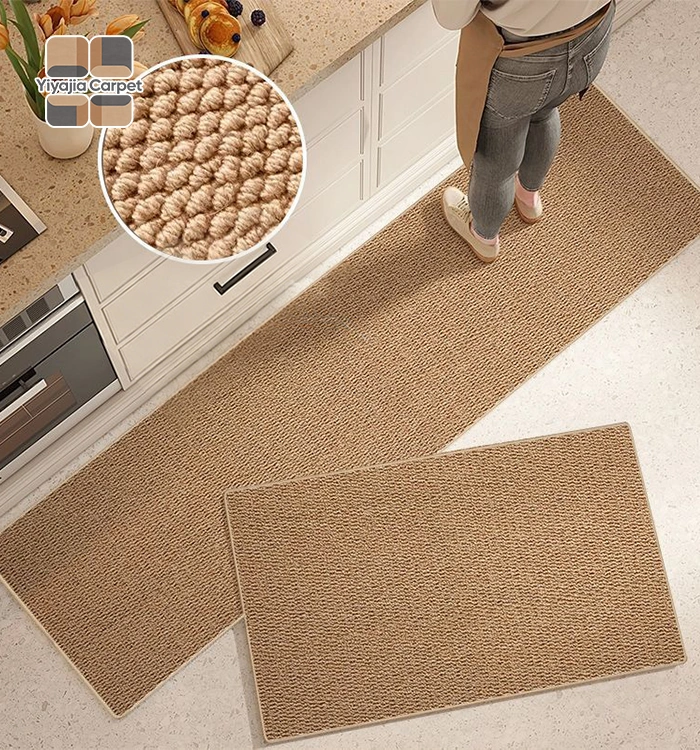
A lot of what determines how much maintenance is needed is the build. On the outside, it has fine strands that look like cashmere, and the back is made of TPR, which makes it soft but strong enough to handle a lot of foot traffic. This mix doesn't smell bad and is safe for kids. Because it doesn't break any safety rules, it can be used in places that have to follow strict safety rules.
Why Regular Cleaning Directly Impacts Performance?
If you don't clean your mats, dirt will get stuck in the fibres and make them less effective at catching dirt. When the pile height is dropped too far for recovery, the digging action is less strong, which lets dirt get deeper into facilities. This kind of damage can be avoided with regular maintenance. It also takes care of cleaning problems in places like hospitals, restaurants, and hotels, where cleanliness standards directly affect how a business is seen.
If you take good care of it, the non-slip properties will last too, which is very important if you want to avoid duty. Things get slippery when dirt and water build up on them. This raises the risk of slip-and-fall accidents and costs businesses a lot of money every year in claims and insurance costs. It is clear that maintenance plans that include both obvious safety issues and obvious cleanliness issues are worth the money because they cut down on accidents and make things last longer.
Common Issues with Cleaning Utility Door Mats and Their Causes
Facility managers often run into problems when they try to set up cleaning processes for door matting systems. Once you know what these issues are and how they happen, you can make better plans for fixing them.
Dirt Buildup and Fiber Compaction
When a lot of people walk on the utility door mat, dirt gets deep into the fibres, past what a normal cleaner can reach. Because the pollution is built into the pile, it is heavy and can't hold as much new trash. The weather is making things worse. When it rains, dirt turns into mud that sticks to man-made fibres very strongly. When it dries, fine dust gets into materials used for covering. Being aware of material things is very important. Some cleaning products don't work well with rubber compounds, which can cause the backing layers and top fibres to crack or come apart. It breaks down faster if you use the wrong cleaners or water that is too hot, especially for things that are glued or manually connected.
Stubborn Stains and Odor Retention
Porous materials can get oily spots that are hard to get rid of with regular cleaning methods. These spots can be caused by car exhaust, food service spills, and industrial oils. These substances also trap bacteria that cause smells inside fibre structures, which makes smells worse in damp places. Often, smelly things happen because things aren't dried properly. When mats stay wet for a long time, microbes grow faster, which spreads musty smells around the area. It mostly happens with mats that are put in entryways that are closed off and don't get much air flow. This is because water dries slowly in these places.
Step-by-Step Guide: How to Clean Your Utility Door Mat Effectively?
Cleaning methods that are made for each material work better and keep things from getting ruined. This full guide talks about all the different types of mats that are used at home and in businesses.
Identifying Your Mat Material and Selecting Proper Tools
Before you start to clean the mat, find out how it's put together. Look at the tags or the directions that came with the item to find out what kind of fibre and backing material are used. You should be rougher with industrial-grade nylon than with fine faux cashmere surfaces. Also, TPR thermoplastic rubber backing can handle different cleaners than regular PVC or vinyl compounds. Get the right tools, like stiff-bristled brushes for rough surfaces and soft brushes for delicate fibres. Also, make sure you have a big enough drying area with good air flow. Businesses can use hot water extraction tools to get rid of hidden dirt without making the backing materials too wet.
Routine Cleaning for Synthetic Fiber Mats
First, shake or beat the thing hard outside to get rid of any broken parts. This will get rid of the mechanical dirt. After that, wash it with water. Connect the beater bar to fully clean. These move the fibres in the pile around and bring trash to the top. It takes less water to do this step before washing because dry dirt doesn't mix with cleaning products to make mud.
Warm water should be used to make a light cleaning solution for the utility door mat. The water should not go over 40°C to protect the fibres and backing from damage. Use a spinning cleaner or deck brush to spread the solution out evenly. Work in sections to make sure you cover the whole area. Lightly press down on the rug so that the bristles can reach all the way to the backing without hurting the fibres. Use clean water to rinse the mat well until there is no more soap on it. When the mat is used again, any soap that is still on it will quickly pick up dirt.
When you dry things the right way, mould doesn't grow and the structure stays strong. In places with good air flow, mats should be hung straight or put flat on racks that are raised off the ground. This way, air can flow under and above the mats. UV rays fade colours and break down synthetic fabrics, so stay out of direct sunshine for long periods of time. Edge locking and machine-woven construction keep the edges clean over the life of the item, which keeps the threads from coming free.
Specialized Treatment for Stubborn Contaminants
There is specialised care for contaminants that just won't go away. Spot treatments that are based on solvents need to be used right on oil-based stains. Do not rub the cloth; instead, gently blot it. When you rub, the dirt goes deeper into the threads. In the end, use clean, absorbent cloths to wipe up the oil after the solvent has worked on it for a while. Do it again and again until the spots are gone. Then wash as usual to get rid of the solvent. Cleansers with enzymes that break down organic molecules that germs need to grow will get rid of smells. These biological treatments work best on wet mats so that enzymes have time to break down smelly stuff before the last rinse. If a building has smell issues all the time, it should clean more often and check the drains near where the mats are put.
Seasonal Adjustments and Frequency Recommendations
A deep clean should be done once a week in commercial areas that get a lot of foot traffic. Every day, the floors should be brushed or shaken. In the winter, you need to wash your clothes more often to keep them from getting wet. In the summer, if it's dry, you might be able to wait a little longer between deep cleanings. Depending on the size and amount of use of the house, private uses only need to be vacuumed and washed every two weeks or once a month. Doors that lead to mudrooms or pet areas should get extra attention during the spring thaw, when trash is tracked in the most.
Choosing the Right Utility Door Mat for Easy Maintenance and Longevity
The things you buy have a big impact on how long they last and how much they cost to fix. If you want mats that work well and are easy to clean, there are a few key things you should keep in mind.
Material Durability and Contamination Resistance
Materials that are meant to be used for heavy work must be able to be cleaned many times without breaking. Surface-printed fabrics lose their colour over time if they are cleaned too hard, but solution-dyed yarns used to make machine-woven fabrics stay coloured longer. It's better for TPR moulded rubber backing to be used in hot places than regular vinyl. During the freeze-thaw processes that happen a lot in the north, it doesn't break.
It's also important that the environment is right. Mats that will be used near saltwater need materials that won't rust, and places that work with oil products need chemicals for the backing that won't get greasy. Products that have CE and ROHS approvals are safe for the earth. This is very important for companies that want to sell their goods in Europe or stay up to date with ISO 14001 environmental management systems.
Safety Features and Compliance Considerations
Surfaces that don't slip can keep people from getting hurt, and ADA-compliant curved edges take away the chance that wheelchair users will trip. Mats with profiles higher than 0.25 inches need edge changes that are smooth enough for mobility aids to go through but deep enough to trap dirt so they can be cleaned well. Some places and types of buildings need to be flame retardant. Products that meet DOC-FF-1-70 standards have to pass strict tests to see if they can catch fire. This is needed in places like hotels, hospitals and apartment buildings with multiple units where fire rules are very strict about the furniture inside.
Customization Options for Operational Needs
The different sizes make it easy for a Hallway mat to fit different building plans, and the matting method doesn't have any holes that dirt can get through. Having colour schemes that can be changed helps with branding. This helps a lot in places like business offices and stores, where people can see the name right away. Because logos can be changed and the minimum order quantity is as low as 50 pieces, with delivery in seven days, small and medium-sized businesses can now get customised solutions that were once only available to big buyers.
This tailoring isn't just about how things look. Based on study into how people move, customised sizes make sure that all transition zones are covered, which makes dirt collection more effective. Operations that have certain problems with pollution can benefit from fibre mixes that were made just for them. These mixes work well in clean rooms to get rid of small particles, and they work well in business kitchens to deal with heavy grease.
Best Practices and Case Studies from Leading Suppliers
New flooring technologies are always being made that make maintenance easy and make floors last longer. Looking at successful projects can teach procurement experts a lot when they are looking for ways to work with suppliers.
Advanced Manufacturing Techniques Reducing Maintenance Burden
Laser cutting and high-definition heat transfer printing work together to make lines that are smooth and won't break even after being cleaned roughly. With this method, edges that were finished by hand don't come apart when they are put under mechanical stress. This cuts down on how many parts are needed and how long it takes to get them. Technology that locks in the colour keeps the dyes from moving around when the item is cleaned. This means that the bright look lasts longer.
With multiple-layer strengthened backing systems, moisture shields stay away from traction surfaces, so they can be cleaned well without losing their grip. These planned solutions fix common failure modes where water gets into layers of material and weakens the ties that hold them together. This causes the layers to separate, which is dangerous and useless.
Real-World Implementation Success Stories
When a hotel chain in the area moved to machine-woven mats with stronger TPR backing, the cost of replacement mats went down by 40%. Once a week, hot water extraction was used to clean the buildings, which was too much for the old vinyl-backed mats to handle without breaking. Because of this change in material and standard upkeep, the mat now lasts three years instead of eighteen months. Guests also gave better marks for safety in the entrance.
Companies that take care of commercial properties like office buildings want mats that can be bought in large quantities and keep their quality during large deploys. One portfolio manager would only work with service providers that had strong backing and strict full-process quality control. In this way, there was less difference between runs of the product. This consistency made it easier for cleaning staff who work in more than one building to learn about care. Standardising processes also made cleaning 25% more effective.
There are several ways that a connection between a wholesaler and a well-known maker can save you money when you buy things. The project can go faster if you can get help from experts in picking materials, making custom upkeep plans, and making models quickly (within 24 to 48 hours). Once a day, suppliers who work on 2,000 square meters make sure that the supply chain is stable. This is important for making building deadlines and adjusting to changes in seasonal demand.
Conclusion
Plans for cleaning and maintenance that work will keep utility door mat units in good shape and protect your investment in the building's infrastructure. By using methods that are designed to work with the material, you can keep it from wearing out too fast. Safety and health standards are also kept high by checking regularly for hidden dirt and moisture retention. It is easier to run a business and get things done if you choose mats that are made to be easy to clean and keep. These are mats made of strong materials like fine fake cashmere with TPR backing, machine-woven construction, and safety certifications. Focusing on reliable suppliers, high-quality production, and the ability to make changes can save you money in the long run by lowering the total cost of ownership and the number of repairs you need.
FAQ
Q1: How Often Should Commercial Facilities Clean Entryway Mats?
A: Every day vacuuming should get rid of surface dirt in places that get a lot of foot traffic. Once a week, hot water extraction or pressure washing should be used for a deep clean. Seasonal changes happen more often when it's raining because more water and pollutants are tracked in.
Q2: Which Cleaning Agents Work Best for TPR Backing Materials?
A: PH-neutral cleaners that are safe for synthetic materials keep the structure of flexible rubber without breaking it down too fast. Do not use cleaners that contain oil or strong acids, as these can damage the backing's ability to bend and grip.
Q3: Can Mats With Logo Customization Withstand Frequent Washing?
A: If you do things the right way, heat transfer printing with image fixing technology will keep your logo clear even after being cleaned hundreds of times. Because the edges are machine-woven, the product doesn't come apart around the writing, so the way the brand looks stays the same over time.
Q4: What Drying Methods Prevent Mold Growth Most Effectively?
A: If you hang it upright in a room with good air flow, the threads on the front and the materials on the back will dry out completely in four to six hours. When there isn't enough space vertically, drying on a raised rack works just as well.
Partner with Yiyajia Carpet for Superior Utility Door Mat Solutions
Yiyajia Carpet makes designed door mats that are made to last in tough business and industry settings where the cost of maintenance is directly linked to how much money the company makes. We are a company that sells utility door mats. We use modern heat transfer printing, accurate laser cutting, and strict quality control methods that meet standards set by CE, ROHS, and OEKO-TEX. When you buy in bulk, it's easy to make changes as an OEM or ODM, and the minimum order number (MOQ) is as low as 50 pieces. With a daily production capacity of up to 2,000 square meters, shipping plans can be planned ahead of time, which is important for meeting project targets, and technical support is available throughout the procurement cycle through dedicated business liaisons. Send us an email at sale@yyj-carpet.com to tell us about your specific needs and get custom prices that come with full service contracts after the sale.
References
1. Carpet and Rug Institute (2021). Commercial Maintenance Guidelines for Walk-Off Matting Systems. Dalton, Georgia: CRI Technical Standards Publication.
2. National Floor Safety Institute (2020). Friction Coefficient Standards for Commercial Entryway Surfaces. Houston, Texas: NFSI Technical Bulletin Series.
3. American Society for Testing and Materials (2022). ASTM D1335-18: Standard Test Method for Tuft Bind of Floor Coverings. West Conshohocken, Pennsylvania: ASTM International.
4. Building Owners and Managers Association (2021). Operational Cost Analysis: Impact of Entryway Matting on Interior Maintenance Expenses. Washington, DC: BOMA Research Report.
5. Textile Research Journal (2019). Comparative Durability Study of Thermoplastic Rubber Versus Traditional Vinyl Backing in High-Traffic Applications. Volume 89, Issue 12, pp. 2443-2458.
6. International Sanitary Supply Association (2020). Best Practices for Commercial Mat Cleaning and Maintenance. Lincolnwood, Illinois: ISSA Educational Resource Guide.