_1774494554973.webp)
Where can I find pet mats designed for travel with portable and foldable features?
September 7, 2026


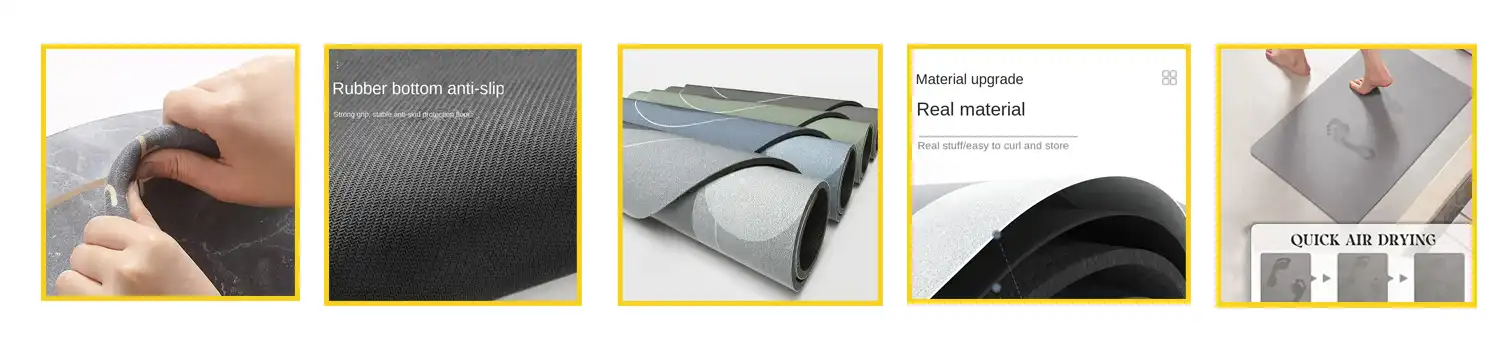
Sourcing the right travel-friendly pet mats starts with identifying suppliers who prioritize portability, durability, and hygiene. As a procurement professional, you can connect with manufacturers specializing in lightweight, foldable designs through established B2B platforms, direct factory partnerships, and industry trade shows. Pet mats are the core product in this category, and companies like Yiyajia Carpet offer second-generation diatom mud pet mats engineered with high-density tech velvet surfaces, rubber backing, and quick-drying capabilities—ideal for travel scenarios requiring compact storage and rapid deployment. These solutions balance quality with bulk order flexibility, meeting the demands of wholesalers, e-commerce sellers, and hospitality purchasers seeking reliable, customizable products.
Understanding the Need for Portable and Foldable Pet Mats
Pet items have to deal with special problems when traveling. Because of limited room in vehicles, changing temperatures, and frequent moves, goods need to be able to change without losing their usefulness. Pet owners are looking for mats that are easier to store, don't get damaged by water, and keep their shape after being used a lot.
Why Portability Matters in B2B Procurement
Portability has a direct effect on shipping costs and inventory efficiency for business-to-business buyers. Shipping costs are lower for mats that aren't heavy, especially when you order a lot of them. Foldable designs make the best use of warehouse space, so dealers can store more without having to build bigger facilities. The best balance between durability and portability is found in a mat that weighs 800 to 900 grams per square meter and has a thickness profile of 2 to 3 mm. This standard makes it easy to load containers quickly and makes sure the product can handle being handled while it's in foreign transit.
Addressing Pet Comfort During Travel
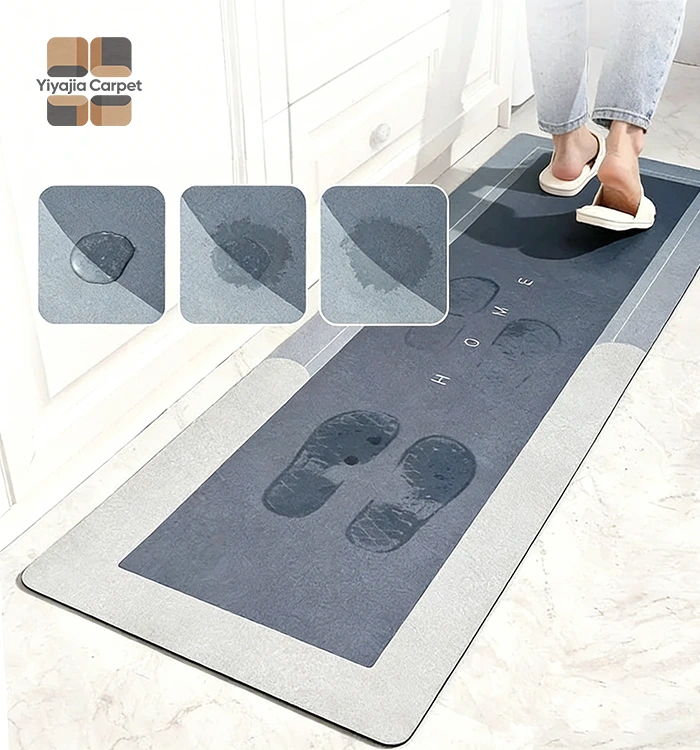
When pets are taken away from places they are used to, they get stressed. A mat with soft tech plush surfaces can help you feel better, which can help you relax in the car or while staying in a hotel. The high-density cloth structure keeps the cushioning even when it's packed in a bag, so it's always comfortable when it's time to use it. Having clothes that dry quickly is very important for long trips where laundry facilities might not be available. Parts of diatomaceous earth soak up messes in seconds and dry out completely in hours, stopping the growth of germs that could be bad for your pet's health.
Simplifying End-User Experience
These days, people want to buy things that don't need much upkeep. Anti-stain treatments and laser-cut ends keep the fabric from fraying, so it lasts longer than most cloth options. Double-layer anti-slip systems work on tile, hardwood, and vinyl floors, which are common in hotels and rental homes. These features make customers happier, which leads to more sales for stores and good reviews for online sellers.
Key Features to Look for in Travel Pet Mats – A Criteria Screening Approach
To properly judge travel mats, you need to look at their performance measures, the materials they are made of, and how well they are put together. The following things set commercial-grade products apart from alternatives for consumers.
Material Science and Durability
Modern travel mats are made of multiple layers that work together to balance flexibility and durability. The top layer should have textiles that don't dirty easily and can handle pet claws without breaking. Second-generation diatom mud is better at managing wetness than regular fabrics because it can soak up to three times its own weight in liquid and still keep the surface dry. A textured rubber backing gives you grip without leaving behind sticky residue that damages floors, which is a common problem in hospitality settings.
Customization Capabilities for Market Differentiation
B2B clients serve a wide range of customers with different stylistic and functional needs. With OEM and ODM services, you can change your brand's look by adding your own name, choosing colors, and making patterns. Heat transfer printing can handle complicated graphics without damaging the material, so stores can offer unique designs. Custom sizing lets you use pet mats in specific ways, like small ones for airline carriers or bigger ones for the inside of an RV, while also allowing you to tailor other features such as thickness, edge finishing, and absorbency to match diverse travel or household environments.
Performance Testing and Quality Assurance
Manufacturers with a good reputation do 100% of the inspections before they ship the goods. They check for things like accurate measurements, consistent colors, and proper functionality. Tensile strength tests make sure that mats can handle the pulling forces that come from pets moving around. Waterproofing tests make sure that the backing is strong under water pressure. Color fastness tests stop dye from transferring to car seats or hotel carpets, which could lead to expensive damage claims.
These quality control measures are in line with what buying managers and project managers need to do their jobs to keep the brand's image in good shape. Product performance that stays the same across shipments makes managing inventory easier and cuts down on returns that cut into profits.
Comparing Popular Travel Pet Mat Solutions – Rational Choice Approach
There are many types of travel mats on the market, and each one is best for a certain purpose or budget. Understanding comparative benefits helps people make smart decisions about what to buy.
Diatomaceous Earth Versus Traditional Fabric
Traditional fabric mats soak up water, but they take a long time to dry, which can be bad for hygiene when traveling. Diatomaceous earth mats dry quickly, so mold and smells don't build up. Fabric mats, on the other hand, often offer more comfort for older pets that need physical support. The best solution depends on the type of customer you want to reach. For example, active travelers want clothes that dry quickly, while high-end buyers want clothes that are soft and comfortable.
Foldable Memory Foam Versus Thin Rubber
Memory foam mats are great for long trips where pets need to rest for a long time because they distribute pressure better. Because they are thick, they are harder to fold and need bigger storage spaces. Rubber mats that are only 2 to 3 mm thick can be folded into small squares that can fit in a bag. Companies that make automotive supplies often choose thin formats that can fit under car seats. On the other hand, hotels often choose thicker formats for guest room amenities.
Supplier Evaluation: Direct Manufacturer Versus Trading Company
Direct ties with manufacturers can save you money and give you more freedom to customize. Factories like Yiyajia Carpet offer clear output schedules, facility audits, and direct discussion about technical requirements. Trading companies combine many product lines into one, which makes it easier to find what you need but adds costs for markups. Direct relationships that guarantee a steady supply of goods and stable prices are good for construction contractors and real estate owners in charge of big projects.
Evaluating production capacity proves essential when projecting seasonal demand. Manufacturers with well-established production lines keep extra inventory on hand and can change their schedules as needed, which keeps delays to a minimum during times of high demand. This dependability is especially important for pet mats, as online sellers who have to deal with short delivery windows around the holidays rely on consistent supply to meet urgent orders for travel-friendly and portable pet bedding solutions.
Where to Find and How to Procure Portable and Foldable Pet Mats
Strategic sourcing combines platform research, screening of suppliers, and negotiation strategies that work best for buying in bulk.
Leveraging B2B Marketplaces and Trade Networks
Established platforms give buyers access to providers who have been checked out, and the transactions are safe. You can use advanced search filters to narrow your results based on certifications, production capacity, and customization services, among other things. But platform fees and markups for middlemen make unit costs go up. Trade shows let people meet in person, which lets them look at products in person and build relationships that can help with future negotiations.
Direct Supplier Engagement Strategies
When you contact makers directly through company websites like yyj-carpet.com, you skip the middleman and can have more in-depth technical conversations. Before committing to bulk orders, you can test the manufacturing agility and quality standards by asking for samples to be made within 24 to 48 hours. As far as heat transfer patterns and laser-cut dimensions go, samples should be exact copies of the final product.
Timing and Logistics Considerations
Knowing how long it takes to make something keeps you from running out of stock during times of high demand. Standard orders take between 15 and 30 days, while special orders can take up to 45 days. When you order from more than one product line, combining containers lowers the cost of shipping each unit. Suppliers who offer export-standard roll packaging, box packaging, or weaved bag packaging make the best use of container space, which lowers the cost of freight.
Partnering with providers who keep cross-border logistics networks up to date lowers the risk of being held at a port and makes sure that customs paperwork is correct. Professional freight forwarders plan shipping times and offer cargo insurance to protect goods against damage during travel that could make them less marketable.
Practical Tips for Using and Maintaining Travel Pet Mats
The right way to care for a mat will make it last longer and keep its performance qualities that are important to customers.
Cleaning and Stain Management
Stains don't get deeper into the cloth if you clean them right away. Wiping with damp cloths gets rid of dirt on the surface without getting the inside materials wet. For a deeper clean, gentle machine washing keeps the structure intact—the rubber backing can handle many cycles without coming apart. These care practices are particularly effective for pet mats, as their multi-layer construction benefits from prompt spot cleaning and careful drying; high-heat dryer cycles can damage plastic parts, but air drying keeps the dimensions stable better, ensuring that travel-friendly mats retain their shape and quick-dry performance over repeated uses.
Storage Best Practices
Permanent deformation can be avoided by folding mats along their natural flex points instead of random folds. Putting things away in bags that let air pass through them keeps moisture from building up, which can lead to mildew growth during the off-season. Temperature-stable settings keep rubber backing from breaking down. Extreme heat makes materials rigid, and freezing temperatures make them less flexible.
Enhancing Travel Comfort
Moving anxiety can be lowered by combining mats with familiar-smelling items like pet blankets. Regularly placing mats in cars or other places cats stay creates a routine that helps them get used to new places. These extra steps make the product seem more valuable, which leads to good reviews from customers that lead to more sales.
Conclusion
Find compact and foldable travel pet mats by weighing the quality of the materials, the dependability of the suppliers, and the need for customization based on the market. Pet anti-slip mat designs, especially those using second-generation diatom mud constructions with high-density velvet surfaces, rubber backing, and the ability to dry quickly, solve basic journey problems and meet the needs of B2B buyers for stability and scalability.
Supply chain risks can be reduced by checking providers' certifications, trying samples, and figuring out how much they can produce. Distributors and retailers can take advantage of the growing pet travel market demand by forming strategic partnerships with manufacturers that offer flexible MOQs, quick samples, and full after-sales support.
FAQ
Are travel pet mats suitable for all pet breeds and sizes?
Quality travel mats come in a range of sizes to fit different types of dogs. Standard sizes are good for medium-sized pets, but special orders can fit big dogs or a lot of small pets. The high-density design keeps the bag from compressing when pets sit on it, so it works for all types of pets. The density of 800-900 grams per square meter means that pets weighing up to 50 kilograms won't damage the structure.
How do waterproof features perform in outdoor travel conditions?
When used outside, the waterproof rubber backing keeps water out, protecting the inside of vehicles and tent floors. The top layer of diatomaceous earth soaks up water while keeping the structure dry, unlike cloth options that get wet. The mats are good for camping and other outdoor activities because they have a two-layer system that works well in both dry and wet situations.
Can travel mats reduce pet anxiety during trips?
Consistent physical surfaces give people comfort points in new places, which lowers stress signals. Soft tech velvet feels like home bedding, which makes it easier for pets to settle down while traveling. Quick rollout makes safe spaces right away in new places, which helps keep people's behavior stable during trip times.
Partner with Yiyajia Carpet for Reliable Travel Pet Mat Solutions
Yiyajia Carpet is a well-known and reliable company that makes pet mats. They specialize in portable, foldable designs that are made for markets around the world. Our second-generation diatom mud mats use advanced heat transfer printing and precise laser cutting to make products that can be tailored to your needs and meet CE, OEKO-TEX, ISO 9001, and REACH standards. We let you order in bulk in a variety of ways, and all of our products are inspected and packed according to export standards. We also offer fast samples within 24 to 48 hours. Email our sales team at sale@yyj-carpet.com to talk about OEM/ODM customization, bulk prices, and shipping options that are perfect for your needs.
References
1. Anderson, M. (2022). Material Science in Pet Product Manufacturing: A Technical Guide. Pet Industry Publishers.
2. Chen, L., & Rodriguez, K. (2023). Supply Chain Optimization for Home Furnishings: B2B Procurement Strategies. International Trade Journal, 47(3), 215-234.
3. Williams, R. (2021). Textile Safety Standards and Global Certification Requirements. Compliance Press.
4. Thompson, J. (2023). Pet Travel Trends and Product Innovation in the North American Market. Market Research Quarterly, 19(2), 88-105.
5. Garcia, S., & Patel, N. (2022). Moisture Management Technologies in Advanced Textiles. Materials Engineering Review, 34(4), 412-428.
6. Davis, H. (2023). E-commerce Fulfillment Strategies for Specialty Pet Products. Retail Logistics Today, 12(1), 56-71.