_1774494554973.webp)
How to Style a Kitchen Rug Like a Pro
September 7, 2026


Styling a kitchen rug professionally means balancing visual appeal with functional performance. When selecting stylish kitchen mats, focus on coordinating patterns with your cabinetry and countertops while ensuring they provide anti-slip safety, waterproof protection, and ergonomic support. Professional designers recommend placing these mats in high-traffic zones like sink areas and stove fronts, where both comfort and durability matter most. The right mat transforms your kitchen from purely functional to aesthetically cohesive, making it a space where safety meets style effortlessly.


Understanding the Role of Stylish Kitchen Rugs in Modern Kitchens
Kitchen floor covers are more than just useful. Today's business and domestic kitchens need products that fit in with the overall style of the room and provide real performance benefits. This double expectation has led to new materials, surface treatments, and ways of making things.
Why Aesthetics Matter in Commercial Environments
At the ground level, people first notice a brand. Hotels, restaurants, and workplace cafeterias are becoming more aware that floor covers affect the mood and the experience of guests. A carefully picked mat shows that you care about quality and the little things. Wholesale buyers and facility managers now look for stylish kitchen mats that match brand colors and architectural finishes, understanding that these details strengthen the company's character and leave a lasting impact on both workers and customers.
Functional Benefits Beyond Appearance
Modern stylish kitchen mats solve three important problems: tired workers, slip hazards, and getting the job done faster. High-density technology velvet fabric structures with a rubber backing provide support that keeps your muscles and bones from straining when you stand for long periods of time. Accidents don't happen in places that get a lot of water and grease because the surface is treated to not slip. Quick-drying, waterproofing properties cut down on downtime between cleaning processes, so kitchens stay clean and effective during busy service times.
Strategic Placement for Maximum Impact
Placement affects both safety and how well something looks. Mats should be put right in front of sinks where water tends to gather. Place another one near the stove, where oil splashes could be dangerous. Longer runner-style mats work well next to prep tables where people move around while they work. This planned placement keeps high-risk areas safe while creating visual continuity across the workspace. It also directs foot traffic naturally, which lowers the wear on the main flooring.
How to Choose the Best Kitchen Rug: A Decision Support Framework
When looking for kitchen floor options, procurement workers have to deal with a lot of different factors. A planned evaluation process makes sure that the choices made meet both short-term and long-term operational needs.
Assessing Space and Traffic Requirements
Material and size choices are based on the size and amount of use of the kitchen. When you correctly measure high-traffic areas, make sure to account for door swings and gadget clearances. Commercial kitchens that make more than 200 meals a day need stronger building materials than office break rooms that don't get used very often. Standard sizes range from small accent mats to larger area coverage mats, but custom sizes can be made to fit any layout. Flexible sizing options that work with a range of architectural configurations without lowering performance standards are good for buyers who serve a wide range of clients.
Material Composition and Performance Criteria
The second version of diatom mud is a big step forward in stylish kitchen mats technology. This material instantly soaks up water and dries quickly, solving the problem of damp floors that keep happening in food service areas. The weight of 800-900 grams per square meter gives it stability without being too big, and the thickness of 2-3 millimeters makes it comfortable to walk on without being dangerous for tripping. High-density construction doesn't compress over time, so it keeps its anti-fatigue properties for a long time. These details are especially important for procurement managers who are looking at the total cost of ownership (TCO) instead of just the price up front.
Compliance and Certification Considerations
Different markets have different rules about what is allowed, so certification is an important factor in choosing. OEKO-TEX certification proves that non-toxic materials are safe for food service environments, and CE marking makes sure that goods can be sold in the EU. ISO 9001 means that the quality of the products being made is always the same, which cuts down on batch-to-batch variations that make managing inventory harder.
REACH compliance handles chemical limits for European distribution, and EN 1350 flame retardant ratings meet safety rules for leisure and business uses. Distributors and stores covering multiple regions need suppliers who keep comprehensive certification portfolios, streamlining compliance verification and reducing customs approval delays.
Styling Your Kitchen Rug: Professional Tips and Current Trends for 2026
Integrating floor covers into cohesive design plans—including practical yet decorative elements like stylish kitchen mats—requires understanding color theory, proportion, and current aesthetic movements forming business interiors.
Color Coordination Strategies
Successful color matching follows three proven approaches. The complementary method pairs mats with opposite hues on the color wheel, creating lively contrast that energizes areas. Analogous coordination selects adjacent colors for harmonious, calming effects appropriate for wellness-focused environments. Monochromatic themes use varied tones of single colors, adding depth without visual disorder. Neutral tones—grays, beiges, and soft browns—offer versatility across diverse design contexts, particularly valuable for facilities undergoing periodic renovations. Custom color possibilities allow brand-specific matching, allowing hotels and restaurants to extend signature palettes regularly throughout guest areas.
Pattern Selection and Visual Impact
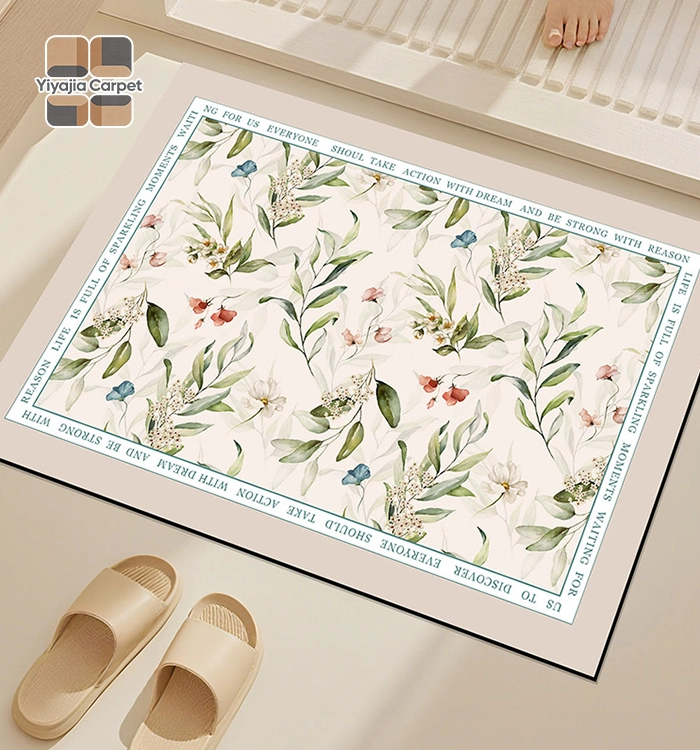
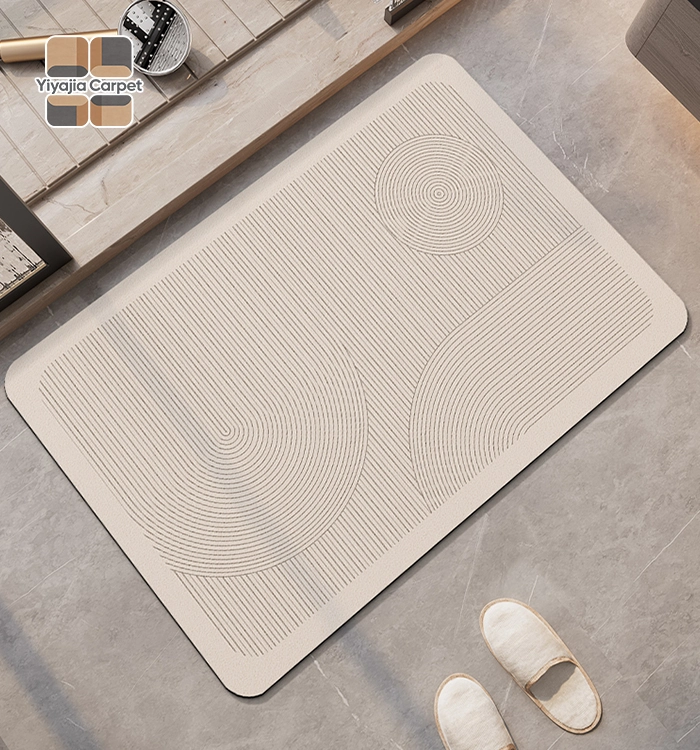
Pattern choice sends different messages. Geometric designs communicate modern professionalism, matching with minimalist and current themes common in tech schools and co-working spaces. Organic patterns with botanical or abstract motifs soften industrial environments, humanizing institutional kitchens. Solid colors make clean backgrounds that show off the architecture around them without competing with them visually. The heat transfer printing technology behind these choices lets designers use almost any style, from subtle textures to bright pictures. This means that purchasing teams can make sure that floor covers perfectly match brand rules and building requirements.
Maintenance Practices for Longevity
With the right care, things last longer and look better. Sweeping or vacuuming up loose material every day is part of routine upkeep. This keeps rough particles from wearing down surface treatments. Wet cleaning once a week with pH-neutral detergents gets rid of built-up oils without harming anti-stain coatings. Because quality mats are made of closed cells, liquids can't get through them. This means that spills can be wiped up before they soak in. Laser-cut edges stay together without fraying, so they don't curl or separate like cheaper options often do. Following these simple rules will protect the value of your investment and make sure that mats continue to provide safety and aesthetic benefits for many years to come.
Adapting to 2026 Design Trends
Biophilic design, making sustainability clear, and creating environments that focus on wellness are all current trends. Biophilic methods use natural patterns and earth tones to connect people emotionally with open spaces, which lowers stress and raises happiness. Buyers who care about the environment are asking for more and more obvious environmental credentials, which makes certifications a big part of buying choices. As a result of wellness trends, products with anti-fatigue qualities are no longer seen as extras, but as regular features that clearly lower physical strain. When forward-thinking procurement teams manage brand-aligned building upgrades, suppliers who can explain how their goods address these changes gain a competitive edge.
Practical Procurement Insights: Sourcing Stylish Kitchen Mats for B2B Clients
Quality assurance, cost management, and logistical dependability must all be balanced for sourcing stylish kitchen mats to work well. These are the things that determine the long-term success of supplier partnerships.
Identifying Credible Suppliers
The first step in evaluating a supplier is to check their manufacturing skills and quality processes. Direct makers who do all of their own production, from making the materials to inspecting the finished product, are more consistent than middlemen who use third-party freelancers. Check certification products to make sure they follow the rules for the target market.
Ask the production center for proof that it has high-tech tools like precision laser cutting technology and high-definition heat transfer systems. These tools show that the company is investing in quality rather than relying on labor-intensive human methods that can vary. Established providers offer client references and are open to facility checks, which shows that they are confident in the quality of their services.
Cost Optimization Without Compromising Quality
When you buy in bulk, you save a lot of money per unit, especially when your order amounts to more than the minimum container load. Putting together multiple SKUs into one package cuts down on freight costs and makes customs handling easier. When you buy a lot of something customized, the setup costs are spread out over a bigger quantity, making the price more affordable. Compare the total landed cost instead of just the FOB price, taking into account the costs of shipping, taxes, and any delays that might happen.
Suppliers with flexible minimum order quantities can work with smaller retailers and distributors that are trying out new markets. On the other hand, established buyers whose needs are predictable can benefit from volume discounts. Negotiating payment terms, like putting down partial deposits and due the rest when the goods are shipped, helps growing businesses better manage their cash flow.
Logistics and Quality Assurance
Export-grade packaging keeps goods safe while they're being shipped across international borders, stopping damage from water and physical abuse that makes stock useless. Reliable providers know how to load containers so that they are used as efficiently as possible, which lowers the cost of sending each unit. Clear production planning with confirmed lead times lets customers down the line know exactly when their orders will arrive, which protects reputations and avoids expensive rush freight situations.
Full pre-shipment inspection, which looks at every piece instead of just a random sample, finds flaws before they become customer complaints. This level of detail is especially important for big projects with strict installation dates that cost money. In these cases, provider dependability is more of a risk management issue than just a convenience factor—and even seemingly minor choices, such as stylish kitchen mats, can play a role in maintaining site cleanliness and worker safety, directly supporting on-time project delivery.
Case Studies and Key Takeaways
In the real world, examples show that choosing the right mat strategically can lead to measured operational changes in a wide range of business settings.
Hospitality Sector Success
A medium-sized hotel chain that replaced old rubber mats with custom-made second-generation diatom mud mats saw a 40% drop in complaints from cooking staff about being tired in the first quarter. The brand's signature colors were used in the custom designs, which created a visual flow from the front of the house to the back of the house.
Cleaning teams said that the clothes took 25% less time to clean because they were less likely to stain and dried faster. Over the next year, reports of slip-and-fall accidents dropped to zero, which cut down on insurance costs and workers' compensation claims. The project showed that spending money up front on good floor coverings pays off by lowering operational costs and making workers happier.
Common Mistakes to Avoid
Undersizing is the mistake that people make most often. When mats don't cover work areas well enough, employees have to stand on surfaces that aren't covered all the way, which isn't good for their health and can cause them to trip over the edges. Not following maintenance rules speeds up wear and tear, which means replacement before it's time, which takes away the cost savings of quality goods.
If you choose looks without checking performance specs, you'll be let down when the pretty mats don't work in real-world situations. Instead of relying only on visual samples, buyers should ask for detailed technical specifications such as the type of material used, its weight, thickness, and backing. Partnering with providers who offer application advice helps match goods correctly to use cases, avoiding mistakes that cost a lot of money.
Best Practices Summary
A few basic rules guide successful procurement. Clearly state all the needs, including ranges of sizes, performance standards, legal requirements, and design preferences. Hire more than one seller so you can compare their skills, certifications, and value offers. Before you decide to buy a lot of something, ask for samples that have been tested in real-life situations. In buying deals, make sure there are clear standards for quality and procedures for inspections.
Build partnerships with providers by communicating clearly, being open about how things work, and being willing to solve problems. When you follow these steps, buying things stops being a one-time thing and turns into a long-term relationship that helps your business grow and run smoothly.
Conclusion
For professional kitchen styling, you need mats that combine the design vision with the practical needs. Modern materials, such as second-generation diatom mud, are waterproof, safe, and comfortable to wear without sacrificing their ability to look good. Anti-slip kitchen floor mat is a critical addition to this equation, as it ensures safety underfoot while maintaining the sleek aesthetic required in high-end culinary spaces. To be successful at procurement, you need to know how much space you need, check the credentials of suppliers, and set up maintenance procedures that keep long-term value.
When choosing floor covers for restaurants, offices, or stores, it's important to do your research. The right choice improves safety, reinforces brand identity, and shows that you care about creating quality settings. Strategic relationships with qualified makers guarantee a steady supply, compliance with regulations, and the ability to make changes that meet changing business needs and design trends.
FAQ
Are stylish kitchen mats suitable for heavy commercial use?
Yes, properly made mats made with high-density technology velvet and rubber backing can handle harsh business settings. Products that weigh between 800 and 900 grams per square meter are durable for areas with a lot of foot traffic. Before buying something for heavy use, make sure it has certifications like ISO 9001 and ask for performance standards that prove it is commercial-grade construction.
How do anti-fatigue properties reduce kitchen staff fatigue?
If you stand for a long time, anti-fatigue mats can help. They are made of resilient materials that allow your muscles to move naturally, which improves blood flow and reduces joint compression. Studies show that ergonomic floor surfaces reduce lower back and leg pain by 30–50% compared to hard surfaces, which directly makes workers more comfortable during long shifts.
What materials balance durability with design appeal?
The best balance is found in second-generation diatom mud, which quickly removes wetness and can be used in a variety of ways. This material is waterproof and won't stain, and it can be printed with heat transfer printing to make an endless number of patterns. The high-density structure doesn't wear down easily and still has the high-end look that you'd expect in a business setting.
Partner with Yiyajia Carpet for Premium Kitchen Mat Solutions
Professionals in purchasing who are looking for reliable, stylish kitchen mats providers can turn to Yiyajia Carpet for their advanced manufacturing skills. Our facility utilizes high-definition heat transfer and precision laser cutting technology, producing custom designs that meet exact specifications for pattern, size, and performance. Comprehensive certifications including CE, OEKO-TEX, ISO 9001, REACH, and EN 1350 ensure compliance across global markets. We provide 100% pre-shipment inspection, export-standard packaging, and flexible minimum order quantities that accommodate both emerging distributors and established importers.
Our OEM and ODM customization services support brand-aligned solutions with logo integration and color matching. Experience rapid sample turnaround within 24-48 hours, enabling confident bulk ordering decisions. Contact our procurement specialists at sale@yyj-carpet.com to discuss your project requirements, request technical specifications, or arrange product samples. Visit yyj-carpet.com to explore our complete range of commercial floor solutions engineered for performance and style.
References
1. Thompson, M. and Richards, L. "Ergonomic Floor Solutions in Commercial Kitchens: A Comprehensive Assessment." Journal of Occupational Health and Safety, 2023.
2. Chen, Y. "Advanced Materials in Modern Floor Coverings: Performance and Sustainability." International Textiles Research Quarterly, 2024.
3. Morrison, K. "Design Integration Strategies for Commercial Interior Environments." Hospitality Design Magazine, 2023.
4. European Committee for Standardization. "Floor Covering Safety Standards: EN 1350 and Related Compliance Requirements." Brussels, 2022.
5. Patterson, D. and Wu, S. "Supply Chain Optimization in B2B Floor Covering Distribution." Global Procurement Review, 2024.
6. Anderson, P. "Color Psychology and Material Selection in Food Service Environments." Commercial Kitchen Design Annual, 2023.