_1774494554973.webp)
What styles of Christmas doormats are popular for modern home decor?
August 6, 2026


More and more, modern customers want holiday decorations that have both traditional and modern looks. When thinking about the best christmas doormats, three main trends emerge for 2026: minimalist designs with muted colour palettes and geometric snowflakes, rustic farmhouse styles with natural textures and traditional patterns like plaid, and funky contemporary designs with fun graphics like silhouettes of reindeer or funny holiday greetings. These entryway accessories do two things: they keep winter debris off of the floors inside and make seasonal statements that go with a wide range of architectural styles, from simple Scandinavian to industrial urban.


Understanding Popular Christmas Doormat Styles for Modern Homes
As interior design trends change, so does holiday decor. For example, christmas doormats are no longer just useful accessories; they are now important seasonal merchandise. The market today is split into different aesthetic groups that fit a range of architectural situations and consumer tastes.
Classic Traditional Designs
Traditional christmas doormats are still a good way to make money, especially for hotels and apartment buildings that are aimed at older people. Iconic images like Santa Claus figures, decorated evergreen trees, and bright red-and-green colour schemes are used in these designs. They will always be popular because they make people feel something and are instantly associated with a holiday. Manufacturers who use heat transfer printing can make designs with detailed Victorian-style borders and old-style lettering that still have colour fastness scores of 6+ on the Blue Wool Scale. This means that designs won't fade in the sun during the season. People who are in charge of buying things for hotel groups or stores can benefit from this style's appeal to customers of all ages.
Minimalist Contemporary Aesthetics
These days, minimalist decorations are popular in architecture, which is why people want doormats with simple geometric patterns and neutral colour schemes. Scandinavian and mid-century modern interiors look good with designs that use single-color snowflakes, abstract winter landscapes, or small amounts of metal. The technical challenge is to make the image look good while keeping the contrast high so that it can hide dirt. Advanced laser cutting lets you make edges that aren't perfectly straight, which increases the perceived value of the design. This makes these products stand out in competitive online stores where visual differentiation drives conversion rates.
Rustic Farmhouse and Natural Textures
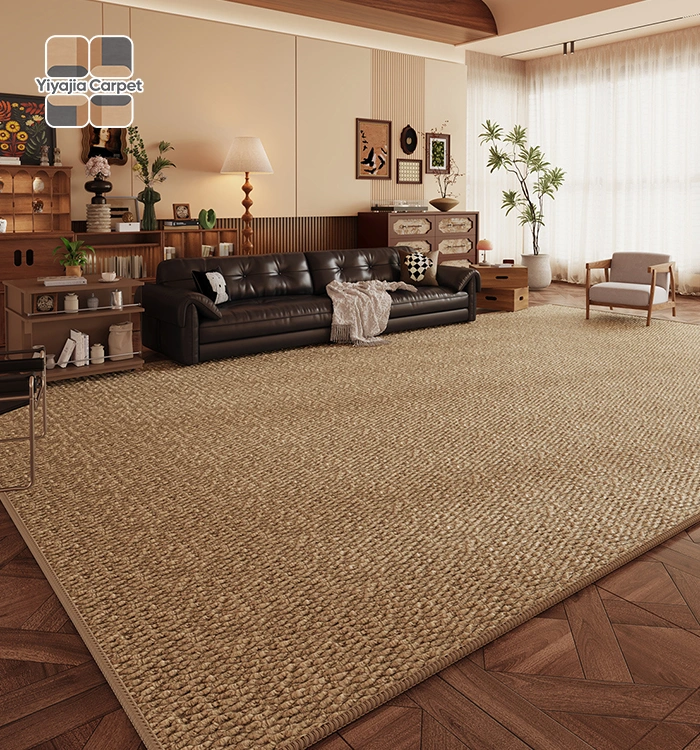
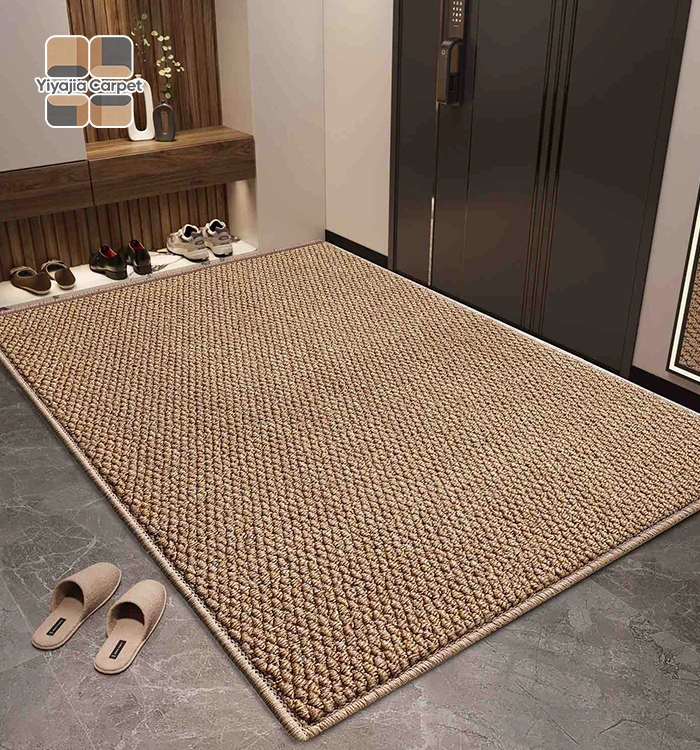
The farmhouse style is still popular in North America, which means that people will continue to want doormats that look like they are made of natural materials but have modern performance features. Designs that use buffalo plaid patterns, textures that look like hessian and hand-lettered fonts make things look real while also needing to be very precise. Solution-dyed polypropylene fibres used in the best products in this category give the impression of coir's natural look while providing better stability and moisture management. The main problem that this solves is natural fibre shedding, which leads to customer complaints and returns in B2B channels.
Materials and Performance: Selecting the Best Christmas Doormats for Durability and Style
The choice of material has a big impact on how well a product works in a wide range of climates and situations. By knowing the properties of the substrate, procurement professionals can match inventory to the needs of the market and cut down on quality-related returns.
Emerging Diatomaceous Earth Technology
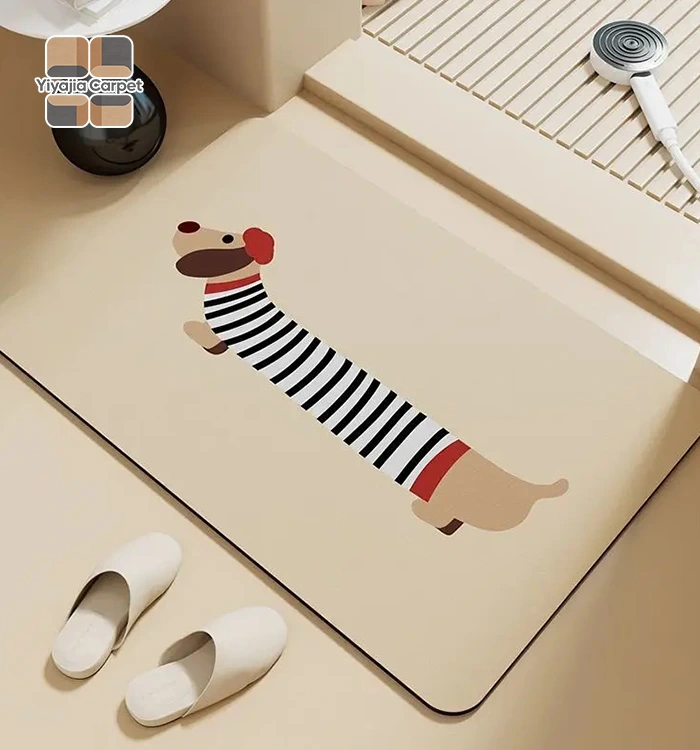
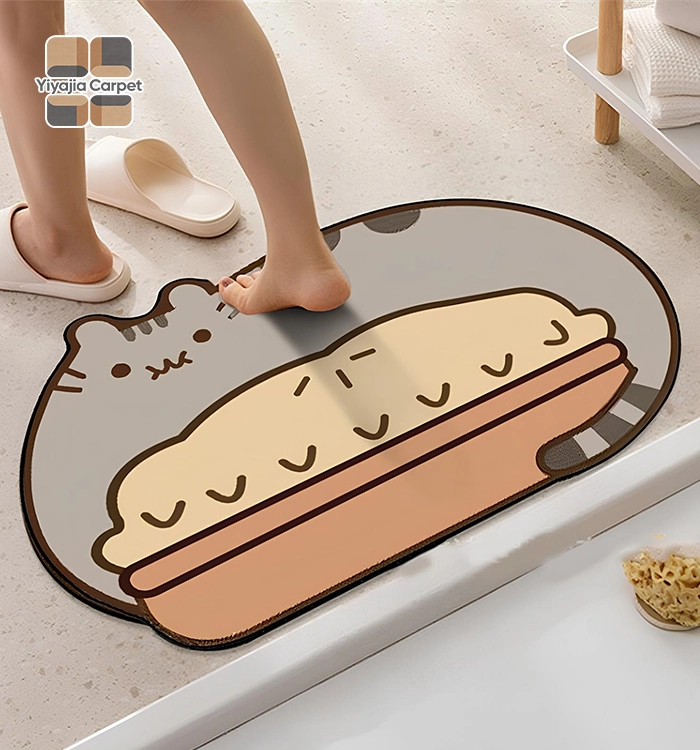
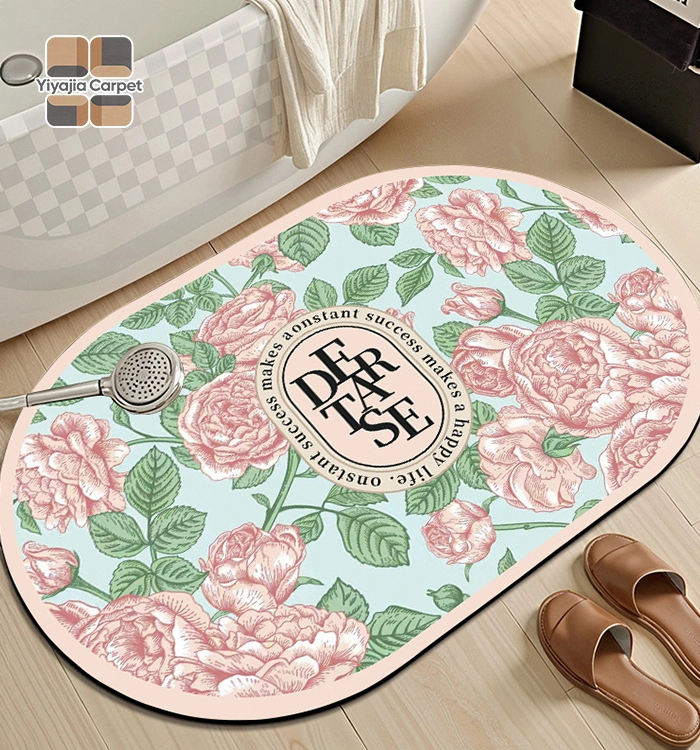
Innovative companies now sell best christmas doormats that use diatom mud technology, which is a big step forward in how well they can handle wet. These items have high-density technological velvet fabric structures bonded to diatomaceous earth absorption layers that let them soak up water right away and dry quickly. The three-layer construction has a tech fleece layer on top that is soft against bare feet, a foam rubber layer in the middle that provides cushioning and shape stability, and a textured rubber backing that keeps the non-slip performance on different surfaces.
These mats are 3 mm thick and have a weight density of 1600g/m². They can soak up a lot of water without the surface pooling, which is good for commercial settings where slip-and-fall liability is a concern. The anti-stain treatment and easy-clean surface of the material save facility managers who are in charge of high-traffic entrances to hotels and office buildings money on maintenance labour.
Traditional Material Comparison
Coir is still popular for outdoor uses that need to get rid of a lot of waste quickly because the stiff coconut fibre brushes have a natural scraping action. Best-in-class products have tufting densities of more than 4.5 kg/m² and fibres that are deeply buried in the PVC backing through cutting and sealing processes. This keeps fibres from shedding to less than 3% over the product's lifetime. Rubber-backed polyester and polypropylene alternatives offer better colour vibrancy and design flexibility through heat transfer printing, which is why they are the best choices for branded applications in stores. These synthetic options are better at keeping their shape; when they get wet, they shrink by less than 1%, which is important for keeping a professional look all season.
Sustainability Considerations
In Europe and North America, environmental approvals are becoming more and more important as a requirement for suppliers. OEKO-TEX certification makes sure that the dyeing process is safe, and REACH compliance makes sure that there are no banned chemicals. When bidding for government contracts and business contracts with environmentally friendly stores, suppliers who offer recycled content or organic backing materials have an edge over their competitors. The challenge is to find a balance between environmental credentials and performance needs, especially when it comes to freeze-thaw durability in sub-zero climates, where virgin rubber performs better than recycled options that contain impurities that weaken the structure.
How to Choose the Best Christmas Doormat: A Decision Support Guide
To do effective procurement, you need to match product specifications to specific operational constraints and end-use scenarios. Instead of optimising for a single variable like unit cost, decision frameworks should look at a number of factors at the same time.
Application-Specific Requirements
For residential applications, best christmas doormats need to look good with existing decor and have easy-to-follow maintenance instructions for homeowners. For commercial use, higher longevity standards are needed, and pile crush resistance is needed to make sure that scraping works even when more than 500 people enter each day. Buyers in the hospitality industry need products that meet coefficient of friction (COF > 0.6) standards to reduce the risk of slip-and-fall accidents and keep the products looking like they belong with the brand. Real estate developers who are staging model homes can benefit from designs that can be changed to make the project's identity stronger across multiple properties.
Critical Performance Metrics
In addition to how the seller looks, procurement managers should check a number of technical details during the review process. Colour fastness testing proves that dyes don't run when they get wet, so they don't show up on light-colored floors and look bad. Dimensional stability tests make sure that mats stay flat and don't get sides that curl up and become trip risks. Backing adhesion testing checks how strong the bond is between the pile and the base. This stops delamination problems that cause products to be thrown away too soon. Data on temperature performance confirms functionality across climate zones, especially for outdoor installations in places where the temperature changes quickly from freezing to melting.
Customization and Lead Time Factors
Seasonal deadlines for buying things make it important to be quick when planning production and shipping. When suppliers use heat transfer and laser cutting technologies to make samples quickly, design approval cycles can be sped up. This cuts down on the time it takes to go from idea to shelf-ready goods. Flexible minimum order quantities let you try out new designs without taking on too much inventory risk. This is especially helpful for online sellers who want to see how the market responds before going big. With OEM and ODM capabilities, brands can stand out with their own designs, turning common doormats into unique items that can be sold at higher prices and earn more loyal customers.
Procurement Strategies for Bulk and Custom Christmas Doormats
Strategic buying methods lower costs while keeping quality consistent and ensuring the supply chain is reliable during times of high yearly demand.
Sourcing Channel Evaluation
When compared to distributor networks, direct manufacturer relationships usually offer better pricing and more customisation options, especially for orders that are bigger than a container load. This method needs very careful checks on suppliers, like checking the facilities to see how much they can produce and their quality control systems. Online business-to-business (B2B) platforms make it easy to find suppliers, but you need to carefully check certifications and production samples before making a purchase pledge. Trading companies that have been around for a while can lower your risk by coordinating shipping and payment terms. This is especially helpful for buyers who are entering new geographic markets.
Negotiation Tactics and Order Timing
When you negotiate well for Christmas diatom mud bathroom floor mat products, you find a balance between lowering unit costs and making sure quality and delivery are reliable. Making promises to buy a lot of different designs at once lets you save money by buying in bulk and spreads out the risk of stocking different styles. Placing an order early during the off-seasons for manufacturing (Q2–Q3 for holiday goods) gets production slots and better prices before there are capacity issues. Structures for payments that include deposits, milestone payments, and final releases based on quality protect buyers' interests and show commitment, which sellers reward with faster service.
Customization Value Propositions
Personalised doormats with company logos or designs that are unique to the store make the brand stand out in a crowded retail environment. This feature is used by importing and trading companies that work with hospitality clients to offer complete branded welcome solutions for many properties. As more people use digital printing, the minimum number of customised items needed has gone down. Now, most companies only need 50 to 100 units, down from the usual 500 or more pieces. Design templates and in-house graphic design help cut down on the resources that buyers need, which speeds up the project timeline from concept approval to delivered inventory.
Maintaining and Caring for Christmas Doormats to Extend Their Lifespan
Proper care has a big effect on the total cost of ownership. It also keeps things looking nice during the holidays and lets you use durable items for more than one year.
Material-Specific Cleaning Protocols
Regular cleaning is good for diatomaceous earth and synthetic fibre mats because it gets rid of dry waste before the particles get stuck in the pile structures. Rinsing with clean water every so often gets rid of road salt and chemical ice melts that would otherwise speed up the breakdown of materials. Instead of being dried in a machine, these items should be hung upright to dry naturally. This will protect the backing glue and stop changes in size caused by heat. Advanced absorption materials dry quickly, so they can be put back into service the same day. This keeps businesses from having to shut down too often.
Seasonal Storage Best Practices
End-of-season storage has a big effect on how long a product lasts over more than one year. Before putting mats away, they should be cleaned and dried totally to stop mould growth during long periods of dormancy. When you roll backing materials instead of folding them, permanent creases don't form. Temperature changes that make rubber less flexible and dyes less stable can be avoided in climate-controlled storage areas. Professional procurement managers write down storing rules in seller deals so that everything is handled the same way across warehouse networks and franchise sites.
Performance Monitoring and Replacement Criteria
Monitoring that is done proactively finds damage before it becomes a safety risk or an eyesore. During a visual inspection, the following things are looked for: edge fraying, pile flattening beyond recovery, backing separation, and colour fading. Some quantitative metrics are weight loss due to fibre shedding and friction coefficient testing to make sure that slip resistance has not changed. Setting replacement limits based on measurable criteria instead of arbitrary dates helps property companies make the best use of their budgets while still upholding safety and brand standards.
Conclusion
Choosing the right best christmas doormats means finding a balance between how well they look with current design trends and how well they work and how much they cost. The best products use new materials, like diatomaceous earth, along with tried-and-true manufacturing methods to make sure they last in a wide range of climates and situations. Successful strategies for buying things focus on partnerships with suppliers that offer customisation options, quality systems that are certified, and flexible logistics that can adapt to changes in seasonal demand. Purchasing managers can make decisions that improve customer satisfaction and lower the total cost of ownership in residential, commercial, and hospitality settings by knowing the properties of materials, how they should perform, and how often they need to be maintained.
FAQ
Q1: What material performs best for outdoor Christmas doormats in snowy climates?
A: When it's cold outside, products with a rubber backing and solution-dyed synthetic fibres or high-density coir work best. In temperatures below zero, rubber stays flexible and doesn't slip, and solution-dyed fibres don't fade or corrode from salt. Diatomaceous earth choices are better at absorbing water, which keeps areas around them from freezing. To make sure that backing materials will work in cold weather, check that they have Shore A hardness ratings between 45 and 55.
Q2: Can I order customized Christmas doormats with company logos for bulk corporate gifts?
A: Customisation services are available through OEM and ODM production, which lets you add a brand, match colours, and make products in custom sizes. Heat transfer printing can make very clear copies of complicated graphics, which is great for corporate branding with lots of small details. Different suppliers have different minimum order amounts, but for digital printing, they are usually between 50 and 100 units. Sample production lets you check the design before committing to full production.
Q3: How frequently should commercial Christmas doormats be cleaned during peak season?
A: Commercial spaces that get a lot of foot traffic should be vacuumed every day to get rid of surface dirt and should be deep cleaned once a week using rinsing or extraction methods. Road salt that builds up needs to be removed quickly to keep the fibres from breaking down and the backing from rusting. During heavy snowfall, facilities that get more than 500 daily entries should follow cleaning procedures twice a day to keep their look and safety.
Partner with Yiyajia Carpet for Premium Christmas Doormat Solutions
Yiyajia Carpet offers great value to commercial buyers, wholesalers, and distributors who are looking for dependable best christmas doormats suppliers. Our advanced heat transfer and precise laser cutting technologies let you make intricate custom designs that set your products apart in markets where competition is high. We meet strict international quality and safety standards because we have certifications from CE, OEKO-TEX, ISO 9001, REACH, and EN 13501. Our diatomaceous earth doormats are the best at absorbing water quickly and keeping floors from slipping, making them perfect for use in restaurant and retail settings. Our 100% pre-shipment inspection makes sure that the quality of every container is the same, and our flexible minimum order quantities allow for both market testing and large-scale deployments. Contact our team at sale@yyj-carpet.com to discuss your specific requirements and receive samples demonstrating our superior construction and design capabilities.
References
1. Anderson, M. (2023). Seasonal Home Decor Trends: Consumer Preferences in Holiday Accessories. Interior Design Publishing.
2. Chen, L. & Rodriguez, P. (2024). Advanced Textile Materials for High-Performance Floor Coverings. Journal of Applied Textile Technology, 18(3), 145-162.
3. National Floor Safety Institute. (2023). Slip Resistance Standards for Commercial Entryway Systems. NFSI Technical Report Series.
4. Peterson, K. (2024). Sustainable Manufacturing Practices in the Global Textile Industry. Environmental Business Quarterly, 31(1), 78-94.
5. Thompson, R. (2023). B2B Procurement Strategies for Seasonal Merchandise: A Supply Chain Perspective. International Journal of Retail Management, 47(2), 201-218.
6. Williams, S. & Chang, H. (2024). Material Science Innovations in Moisture-Absorbing Floor Mat Technologies. Polymer Engineering Review, 12(4), 332-349.