_1774494554973.webp)
What size doormat is best for an entryway?
August 27, 2026


Choosing the best entrance floor mat size isn't just about aesthetics—it's a strategic decision that affects safety, cleanliness, and long-term maintenance costs in commercial buildings. The ideal size depends on your specific entrance width and anticipated foot traffic. Generally, commercial entryways benefit from mats that span the full door width plus an additional 12 to 18 inches on each side, while extending at least 10 to 15 feet into the entrance corridor.
This configuration allows adequate contact steps to remove dirt and moisture effectively. For high-traffic facilities like shopping malls, office towers, and hotel lobbies, larger custom-sized mats prevent tracking and reduce cleaning frequency, delivering measurable operational savings.
Understanding the Importance of Choosing the Right Entrance Floor Mat Size
One problem that all building managers have is that dirt and water don't stay where you want them to at the door. When they come inside, they damage the floors and make them more likely to slip. Choosing the right best entrance floor mat size has a direct effect on how well your entry system works.
Why Size Matters More Than You Think
According to research from facility management associations, people need about 15 feet of mat contact to get rid of up to 98% of the dirt and water on their shoes. Best entrance floor mats that are too small give you a false sense of security. When people walk on them for a short time, most of the dirt and germs stay on their shoes and spread deep into your building, where it will cost a lot more to clean up.
A best entrance floor mat that isn't the right size causes more troubles. Best entrance floor mats that don't cover the whole width of the entrance let people walk right past them, which defeats the purpose of having them there. Oversized best entrance floor mats that get in the way of doors making them easier to open and close create trip hazards and don't meet accessibility standards, which could put your business at risk of liability.
Impact on Operational Efficiency
We need to pay close attention to the link between mat size and maintenance costs. When best entrance floor mats do a good job of catching dirt, cleaning the inside of the house happens a lot less often. Floors keep their shine longer, which lowers the cost of refinishing. Less slip-and-fall accidents mean lower insurance rates and lower costs for injuries at work.
Commercial buildings in places where it rains or snows a lot have more problems to deal with. When it's wet, floors get damaged, accidents happen, and clients and renters have bad first impressions because the best entrance floor mats aren't good enough. The first thing that will protect you from these expensive problems is best entrance floor mats that are the right size.
Key Dimensions and Factors to Consider When Selecting Entrance Floor Mat Size
Choosing the right best entrance floor mat starts with getting the measurements right. In this process, you have to do more than just measure the width of the door. You also have to think about how people use the space, the architecture, and the needs of the business.
Standard Commercial Mat Dimensions
Standard sizes for commercial best entrance floor mats range from 3 feet to 6 feet in width and from 5 feet to 20 feet or more in length. Standard sizes, on the other hand, rarely meet the specific needs of architecture. Custom sizing makes sure that the whole entrance is covered, with no gaps or other problems.
When you measure your doorway, make sure to include the space for the door swing. Exterior best entrance floor mats shouldn't get in the way of the door's operation, so measurements should take into account the door's full range of motion. When putting down interior best entrance floor mats, they need to be placed so that they catch foot traffic as soon as someone walks in, without creating trip hazards at threshold transitions.
Traffic Volume Considerations
Traffic trends at different sites are very different. A regional shopping area with 10,000 daily visitors has different needs than a small office building with 200 daily visitors. When there is more traffic, you need best entrance floor mat systems that are bigger and can trap more dirt.
Figure out your daily foot traffic by watching when the busiest times are and extending across all of your business hours. Extended best entrance floor mat lengths of at least 12 to 15 feet are helpful for buildings that get more than 1,000 visitors every day. Environments with less traffic can work well with 8 to 10 feet of coverage, but 12 feet of coverage is better for safety.
Material and Construction Influence
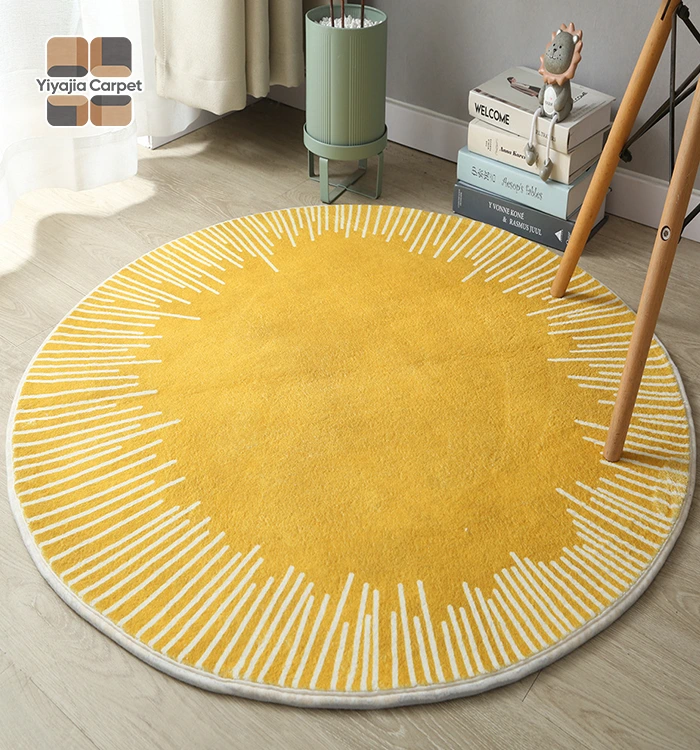
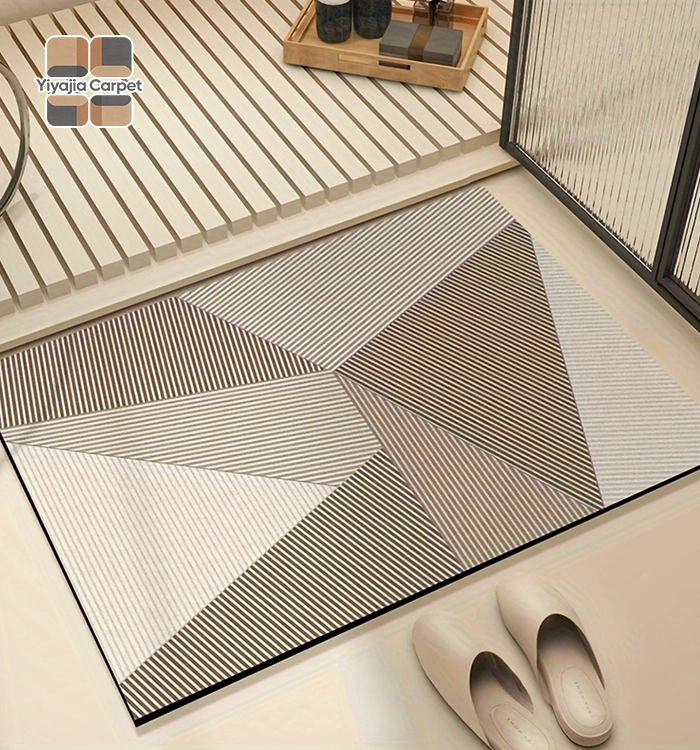
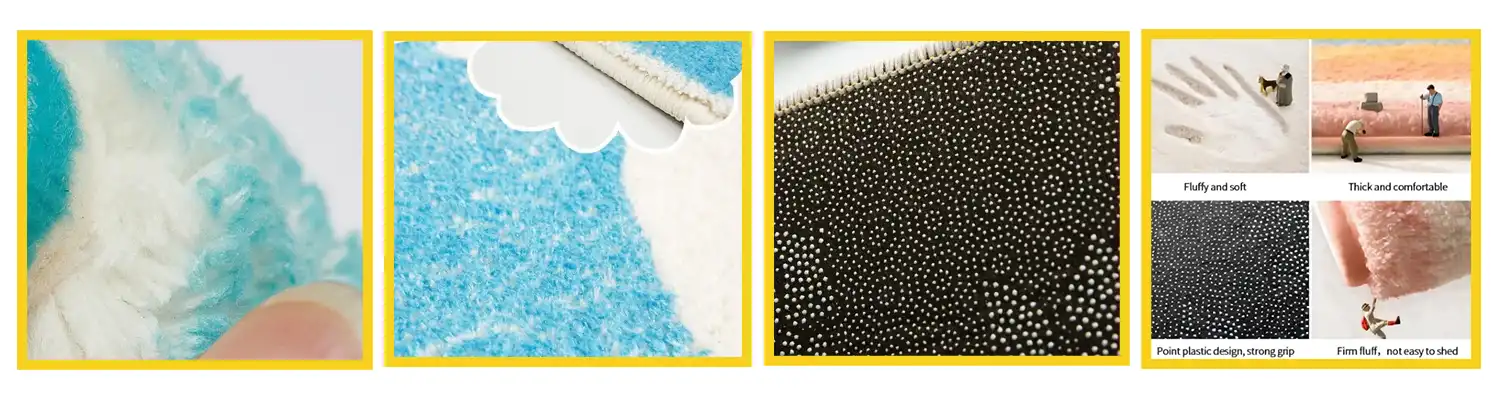
Mat materials have a big impact on size choices. Imitation cashmere rugs with densely knotted structures are great at keeping dirt in and leaving small tracks. The 6 mm thickness and dotted plastic backing make them stable without being too big, so they can be used in small entryways where heavy-duty best entrance floor mats wouldn't work.
How much something can absorb depends on what it is made of. Best entrance floor mats with 5 mm sponge layers in the middle are great at managing moisture, which is important in places where it rains a lot. Because of these building features, facilities can work well while taking up a little less space than single-layer options.
How to Choose the Best Entrance Floor Mat Size Based on Use Case and Environment
Matching the size of the best entrance floor mat to the specific needs of the job ensures the best performance and lowest costs. In different settings, problems are unique and need custom solutions.
High-Traffic Commercial Entrances
At the top level of traffic intensity are shopping malls, airports, and convention centers. For these buildings, best entrance floor mats that are 15 to 20 feet long and cover the whole width of the entrance are needed. Standard sizes don't always work with building needs and traffic flow patterns, so custom-sized options are needed.
These kinds of facilities should think about movable best entrance floor mat systems that can be set up in a variety of ways. Modular designs can be changed without having to be completely replaced when traffic patterns change or when repairs are done. When you buy in bulk from manufacturers that offer OEM and ODM customization, you save money and make sure the quality is the same at all entry points.
Office Buildings and Moderate-Traffic Spaces
Professional offices usually have between 500 and 2,000 daily entries, which means best entrance floor mats that are 10 to 12 feet long are needed. Surfaces that are stain-resistant and easy to clean keep these areas looking polished while still doing their important jobs.
Design integration is often a top priority in the workplace. Because best entrance floor mat systems can be made in any color or pattern, they can be used to match building names or interior design schemes. Laser cutting and heat transfer printing make it possible to make exact changes without affecting how well something works. Buildings that use these design-forward methods say that their tenants are happier and that their brand is seen more positively.
Indoor Versus Outdoor Requirements
The main jobs of interior best entrance floor mats are to soak up water and catch small particles. A rough scraping motion is emphasized on outdoor best entrance floor mats to get rid of bigger debris before it gets into the building. This difference in function affects the size suggestions.
Outdoor best entrance floor mats should be at least 6 to 8 feet long to give enough contact area for the first round of cleaning up. When you pair outdoor best entrance floor mats with 10- to 12-foot-long indoor setups, you get full safety. Using this two-step process helps get rid of more contaminants and makes best entrance floor mat systems and indoor floors last longer.
Custom Solutions for Irregular Entryways
When architects are creative, they can make entrances that don't follow normal best entrance floor mat sizes. Custom manufacturing is needed for curved entrances, vestibules with more than one door, and split-level entrances. Laser cutting technology can handle odd forms without affecting the strength or performance of the material.
When asking for custom sizes, you should include thorough architectural plans with exact measures and places where obstacles might be. Reliable manufacturers can make samples in 24 to 48 hours so that you can check them out before committing to large orders. This ability to take samples quickly lowers the risk of buying and guaranties a perfect fit when the product is installed.
Comparison of Popular Entrance Floor Mat Sizes and Materials
Knowing how size affects the properties of a material helps people who work in procurement make smart choices that meet operational needs and stay within budget. If the quality of the material isn't good, bigger best entrance floor mats don't always perform better. A 15-foot best entrance floor mat made of low-density materials might not work as well as a 10-foot best entrance floor mat with good backing systems and high-density tufted construction.
Size and Material Performance Correlation
Imitation cashmere rugs are a good example of this idea in action. The 800g/m² weight and non-slip dotted plastic bottom make it very stable and good at keeping dirt in. When these requirements are put into practice in 10 to 12 foot lengths, the performance is often the same as or better than with standard 15-foot best entrance floor mats made of lower-quality materials.
The choice of material also affects how often it needs to be maintained. Stain-resistant surface treatments cut down on how often you have to clean the best entrance floor mat and make it look better for longer. Easy-to-clean surfaces can be vacuumed or cleaned with a damp cloth on a regular basis without the need for special tools, which cuts down on long-term costs by a large amount.
Bulk Purchasing Advantages for B2B Clients
Building relationships with makers who offer variable minimum order amounts is very helpful for businesses that handle properties, provide building services, or develop real estate in multiple places. The cost per unit goes down when you buy in bulk, and the quality stays the same across property companies.
When discussing bulk sales, talk about ways to make things more uniform. Finding out what sizes are needed in multiple places that are similar lets you combine them into bigger production runs, which saves money. Manufacturers with modern production tools can send models within 48 hours and finish large orders within 7 days, which helps meet tight project deadlines.
International shipping costs can be cut by using export-grade packaging that is designed to fit into containers. Professional providers accurately figure out how much room to use in containers, which lowers the cost of shipping per unit. This attention to detail in the packaging is especially helpful for international purchasing teams that have to deal with complicated supply chains.
Safety Features That Scale With Size
When best entrance floor mats get bigger, there are some safety issues to think about. As the size of the best entrance floor mat gets bigger, anti-slip backing becomes more important to keep it from moving when people walk on it. Dotted plastic backing technology offers strong floor adhesion without the need for permanent installation, which makes upkeep and replacement easier.
Edge beveling keeps people from tripping around the edges of best entrance floor mats. All kinds of best entrance floor mats made by good makers have beveled edges, but bigger best entrance floor mats need extra care to make sure the sides stay stable. High-density construction keeps the edges strong even when luggage carts or delivery trucks roll over them, which is common at business entrances.
Best Practices for Ordering and Maintaining Entrance Floor Mats of Optimal Size
Strategic buying and regular repair make best entrance floor mats last longer and give you the best return on your investment. These methods are good for both small and big B2B buyers of facilities.
Precise Measurement Techniques
Start measuring by finding the main door barrier. Find the opening's full width, taking into account the door frames and sidelights. For full covering, add 12 to 18 inches on each side of the door space. This extra-wide best entrance floor mat keeps people from walking around the edges.
Find the depth from the threshold of the door all the way into the room inside. For business use, aim for at least 10 to 15 feet. Mark the places where things like door swing paths, accessibility ramps, and architectural features could get in the way. Give these exact measures to makers who can make things just for you.
Selecting Qualified Suppliers
The success of procurement depends a lot on how well and how reliably suppliers do their jobs. Give more weight to manufacturers who have the right certifications, like CE, OEKO-TEX, ISO 9001, REACH, and EN 13501. These certificates show that the product meets international safety and environmental standards. This lowers the regulatory risk for buyers.
Check the supplier's ability to produce and their quality control methods. Manufacturers who do 100% pre-shipment check show they care about quality control. Ask for details on how to keep an eye on production, how to test materials, and how to handle problems that arise. Suppliers that have been around for a while provide clear paperwork that helps buyers make smart choices.
Maintenance Practices by Size and Material
When it comes to upkeep, bigger best entrance floor mats need more attention, but new materials make this much easier. Best entrance floor mats in high-traffic areas should be vacuumed or swept every day, with the goal of getting rid of debris before it gets stuck in the fibers. Deep cleaning once a week with extraction tools or professional laundry keeps things looking good and working well.
Best entrance floor mats that are treated to prevent stains can be cleaned in spots with damp cloths and light detergents. This easier approach to maintenance cuts down on downtime and the amount of work that needs to be done. Set up plans for facilities with more than one best entrance floor mat so that they can be cleaned and dried thoroughly without leaving openings unguarded.
Record the repair work that was done and the state of the best entrance floor mat by inspecting it regularly. Watch for edge wear, backing damage, or less absorption capacity, which are all signs that the pad needs to be replaced. Regular repair stops performance loss and keeps safety standards high.
Case Studies Demonstrating Effective Implementation
A regional property management company that is in charge of 35 office buildings put in place standard 12-foot best entrance floor mats with their own logos that are used in all of them. Within six months, they saw a 40% drop in the number of times the floors inside were cleaned and a 65% drop in slip-and-fall accidents at the door. Standardized sizes made buying and maintaining things easier and saved money that could be seen.
A big shopping center got rid of undersized 6-foot best entrance floor mats and replaced them with custom 18-foot systems made to look like cashmere. After the installation, monitoring showed that there was an 85% drop in visible dirt tracking past the main foyer. Tenant satisfaction scores went up a lot, and many retailers commented on how clean the entrances were getting cleaner.
Conclusion
To choose the best entrance floor mat size, you have to think about how much traffic there is, any building restrictions, the material's qualities, and your budget. Commercial buildings benefit most from coverage that is 10 to 15 feet long and 12 to 18 inches wider on each side than the door width. Custom sizing meets the needs of each architectural design while still meeting performance standards.
Prioritizing high-density construction with good backing systems gets rid of as much dirt and moisture as possible in small spaces, and for added comfort and insulation, faux cashmere thickened floor mat options can be particularly effective in colder climates or high-end lobbies. Facility managers can set themselves up for long-term organizational success and cost savings by strategically buying from certified manufacturers that offer customization options, quick samples, and flexible order amounts.
FAQ
What length should commercial entrance mats be?
Commercial best entrance floor mats should be at least 10 to 15 feet long so that feet can touch them enough to remove dirt and moisture. 15- to 20-foot lengths work best in places with a lot of foot activity. This space lets you take all the steps needed to catch contaminants before they spread thru the building.
Do larger mats significantly improve dirt control?
When they are the right size, larger best entrance floor mats are much better at catching contaminants. According to research, people need about 15 feet of mat touch to get rid of up to 98% of the dirt and sweat on their shoes. Smaller best entrance floor mats don't cover enough ground, so contaminants can get past the opening system and go deeper into your building, where they'll be much harder to get rid of.
How do I measure my entrance accurately for mat ordering?
Add 12 to 18 inches to each side of the door opening width to get the total width. Find the distance from the doorway 10 to 15 feet into the space inside. Write down where the door swings and what gets in the way. Give makers that offer custom sizing accurate measures to make sure the right fit without interfering with operations.
Partner With Yiyajia Carpet for Your Commercial Entrance Mat Solutions
Yiyajia Carpet specializes in making high-performance best entrance floor mats that meet the needs of business buildings. With our advanced heat transfer printing and laser cutting technologies, we can precisely customize any entrance design. Our high-density fake cashmere construction and non-slip dotted plastic backing make it more stable and effective at keeping dirt in. We keep our certifications up to date, such as CE, OEKO-TEX, ISO 9001, REACH, and EN 13501, which makes sure we follow international rules.
As a provider of best entrance floor mats with a lot of experience, we can offer both OEM and ODM services. We can do samples quickly (within 24 to 48 hours), and we can finish large orders in 7 days. Email our team at sale@yyj-carpet.com to talk about your specific best entrance floor mat needs and get personalized suggestions along with cheap bulk prices for your business projects.
References
1. International Sanitary Supply Association. (2021). "Cost Analysis of Preventive Maintenance Through Entrance Matting Systems." ISSA Technical Publication Series.
2. National Floor Safety Institute. (2020). "Slip Resistance Standards and Entrance Matting Performance Metrics." NFSI Research Quarterly, Volume 14, Issue 3.
3. Building Owners and Managers Association International. (2022). "Facility Maintenance Best Practices: Entrance Systems and Interior Floor Protection." BOMA Educational Foundation Report.
4. American Society for Testing and Materials. (2021). "ASTM Standards for Commercial Matting Performance and Durability Testing." ASTM Technical Committee D13 Publications.
5. Facility Management Journal. (2023). "Quantifying ROI in Commercial Entrance Matting: A Five-Year Comparative Study." FM Journal, Spring Edition, pp. 42-58.
6. Green Building Council. (2022). "Sustainable Entrance Solutions: Material Selection and Sizing Guidelines for Commercial Properties." USGBC Technical Guidance Document Series.