_1774494554973.webp)
What is the best type of entrance mat?
August 12, 2026


When procurement managers search for the best entrance floor mat, the answer depends on specific operational requirements, traffic patterns, and environmental conditions. Premium entrance mats function as engineered soil and moisture control systems rather than simple floor coverings. Industry research demonstrates that properly selected entrance matting captures up to 98% of tracked-in debris when pedestrians walk across 15 to 20 feet of matting. The optimal choice balances material durability, anti-slip performance, maintenance efficiency, and cost-effectiveness while meeting facility-specific demands ranging from corporate lobbies to industrial loading zones.
Understanding Entrance Mats – Key Types and Materials
Modern commercial entrance mats are made from a variety of materials that are designed to work in different situations. Knowing these things about the materials helps purchasing managers choose the best entrance floor mat that meets the needs of the building and stays within the budget.
Material Categories and Performance Characteristics
Because they are more resistant to wear, synthetic fiber mats made from nylon or polypropylene are most often used in industrial settings. Solution-dyed nylon 6,6 keeps its shape even when it's crossed over 1,000 times a day by people on foot. The high-density pleated design keeps the pile resilient so it doesn't shed and makes it easier for dirt to get stuck in the fibers.
Rubber-based door mats work great as scrapers, especially in industrial settings where chemical resistance is important. When compared to PVC alternatives, nitrile rubber backing works better because it stays flexible through wide temperature ranges without curling or cracking. This material can stand up to oil, grease, and industrial solvents, and it doesn't slip.
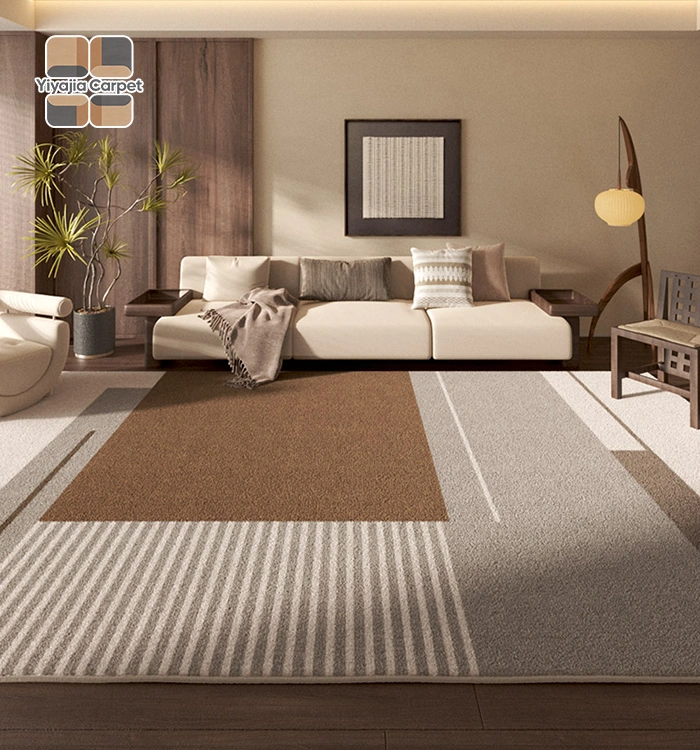
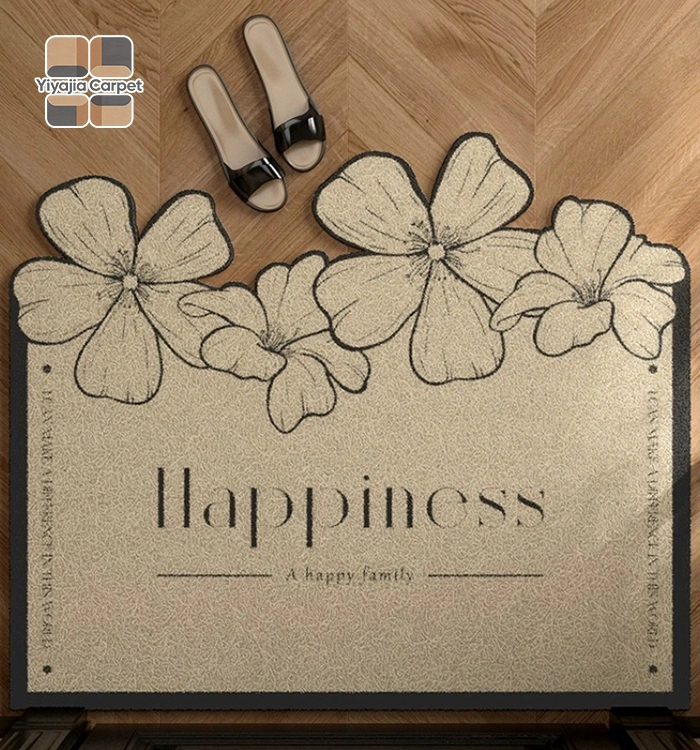
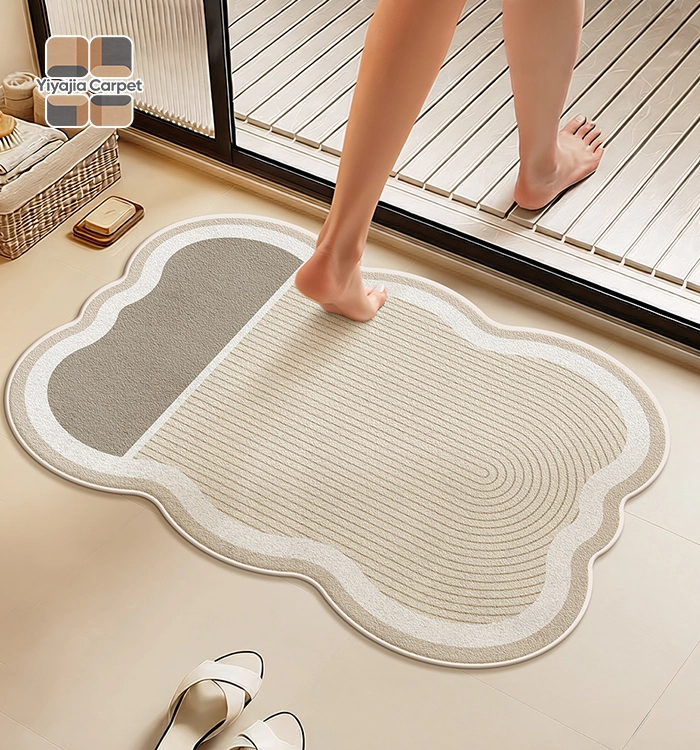
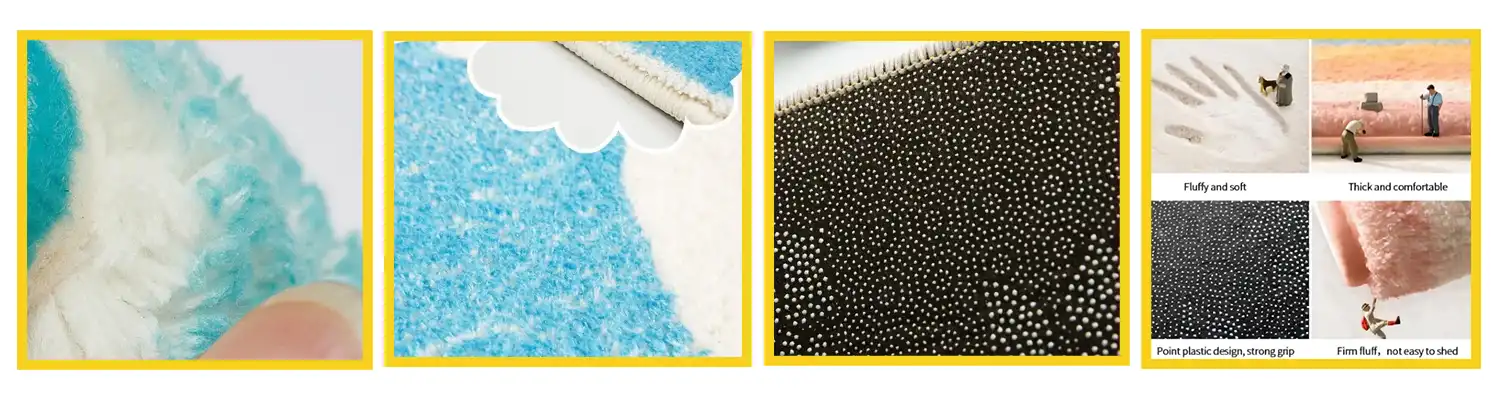
There is a new type of imitation cashmere entry mats that are both aesthetically pleasing and useful. These items have polyester fiber surfaces that are soft to the touch and have processes that make them stain-resistant. The fake cashmere material can be used in both home and business settings where how it looks is important as well as whether it keeps dirt away.
Indoor Versus Outdoor Applications
The choice of materials changes depending on how they will be used. Outdoor doormats need fibers that are resistant to UV light so the color doesn't fade and a backing that is resistant to water so it doesn't break down. Indoor mats are designed to absorb moisture, have a two-level design that traps dirt below the walking surface, and have backing systems that keep the floor from getting scratched.
Zone-based matting systems are often used in commercial buildings. These systems have three stages: aggressive scraper zones that get rid of heavy debris, combination scraper-wiper zones that clean in between, and finishing wiper zones that pick up small particles. This layered approach gets rid of as much soil as possible before it can get into the building's interior.
How to Choose the Best Entrance Mat for Your Business Needs
Structured evaluation frameworks that put criteria in order of importance based on practical context are helpful for procurement pros. Depending on the type of building, selecting the best entrance floor mat requires matching performance attributes to specific environment demands.
Evaluation Framework for Commercial Environments
When it comes to corporate office buildings, both functionality and good looks are important. Carpet-based door mats with solution-dyed fibers in colors that match the internal design are helpful in these settings. The matting should be able to soak up more than 1.5 gallons of water per square yard while still looking professional after being vacuumed every day.
Retail and dining places need door mats that look good and last a long time. For areas with a lot of foot traffic, pile weights greater than 30 ounces per square yard are needed, along with fibers that are hard to crush. Slip-and-fall accidents can put you at risk of being sued, so anti-slip backing is very important in these situations.
Healthcare centers put an emphasis on cleanliness and ease of entry for people with mobility issues. Medical entrance mats need antimicrobial treatments to stop bacteria from growing while keeping ADA-compliant shapes with beveled edges and rise heights below 0.25 inches. As part of clean environment practices, these mats act as barriers for particles.
Durability, Safety, and Maintenance Considerations
Purchasing managers should carefully look at the technology behind door mat covering. Dotted plastic backing gives enough grip for mild traffic areas while cutting down on production costs. Continuous rubber backing systems are good for heavy commercial installations because they provide better floor contact and dimensional stability during cleaning.
The total cost of ownership is directly related to how well maintenance is done. Mats with two levels make it easier to get rid of dirt with regular sweeping without having to do deep cleaning all the time. Surface treatments that prevent stains cut down on upkeep work and make products last longer. Buildings that don't have a lot of maintenance staff should focus on low-profile designs that can support mechanical cleaning equipment.
To meet safety standards, slip resistance scores must be checked. Products that meet the standards for NFSI High-Traction certification have been shown to work well in wet conditions. Fire safety rules say that business installations, especially those in high-rise buildings and public gathering areas, must follow ASTM E-648 Class 1 flammability rates.
Comparison of Leading Entrance Mat Solutions in 2026
There are a lot of different construction methods on the market right now, and each one has its own performance benefits. Knowing these differences helps procurement teams match products to the needs of applications to find the best entrance floor mat.
Performance Data Across Material Categories
When used in difficult conditions, door mats made of rubber last a very long time. Fingertip and cleated scraper designs remove embedded debris from shoe treads effectively and don't break down when exposed to chemicals. These products are good for industrial settings where resistance to oil and rough scraping is more important than how they look. When properly kept, the service life usually lasts longer than five years in heavy traffic.
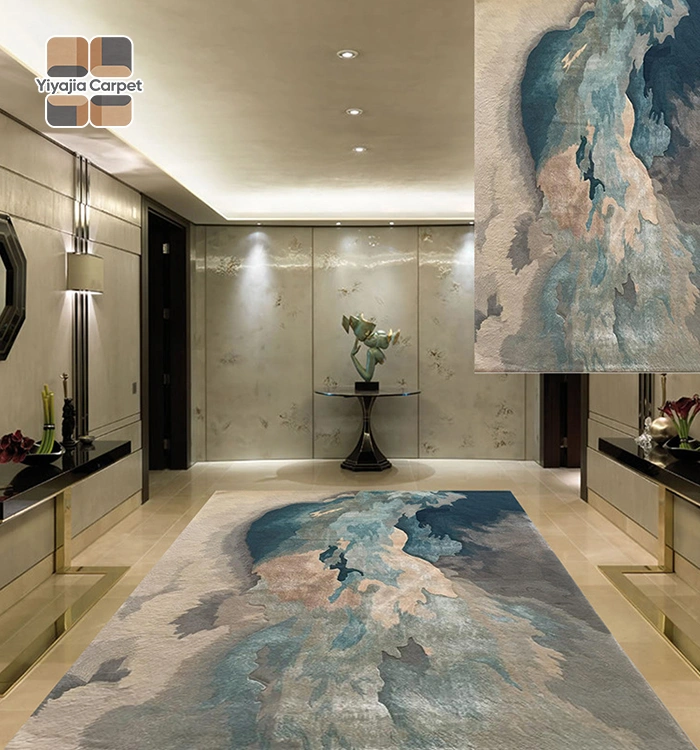
Carpet-based door systems are great at keeping out moisture and blending in with the surrounding area. Solution-dyed fibers used in high-density tufted construction give the fabric colorfastness ratings above Grade 4 on standard scales, so it keeps its look even after being exposed to UV light. These items look good in company lobbies and store entrances where name recognition is important. The fake cashmere options are soft to the touch and don't stain easily, making them great for welcoming entryways that can handle light foot traffic.
Modular tile systems give you more options for how to put them and make replacing them easier. Individual 18x18-inch or 24x24-inch tiles make it possible to change only the old parts of a mat without having to take the whole thing off. This way of building cuts down on lifecycle costs in places where doors or turnstiles swing open and close a lot.
Eco-Friendly Solutions and Sustainability Trends
Environmental concerns are becoming more and more important in the buying process. Recycled content mats made from used PET bottles meet corporate sustainability requirements and perform as well as products made from new materials. Most of the time, these solutions have 75% to 85% post-consumer recycled content that doesn't weaken the fibers or change their color.
Certifications, like OEKO-TEX Standard 100, make sure that no harmful materials are used in the production process. Products that meet these guidelines help with green building projects and health programs at work. European REACH compliance makes sure that chemical safety standards are met by facilities that ship goods or keep up with international operating standards.
Procurement Insights – Where and How to Buy Entrance Mats
To buy the best entrance floor mats in bulk successfully, you need to know about the supplier's skills, how they set prices, and how to handle transportation issues that go beyond unit costs. Building ties with dependable manufacturers can help keep your plant running even if there are problems in the supply chain.
Supplier Selection and Pricing Models
Direct relationships with manufacturers are helpful for buyers who need to make changes or make sure that quality is the same everywhere. Advanced production tools, such as heat transfer printing and laser cutting technology, are used by suppliers like Yiyajia Carpet to make carpets in unique sizes, designs, and with brands integrated. With a production area of 2,000 square meters, large orders can be filled quickly. Lead times are usually between 7 and 14 days after approval of a sample.
Quality Verification and Compliance Documentation
The prices of business entrance mats are based on the types of materials used, how difficult the building is, and the number of orders. Standard-size mats that can't be customized usually cost between a moderate and high amount per square meter, depending on the type of fiber and the quality of the backing. Custom sizes, logo integration, and specialized treatments come at extra costs that are weighed against the value of branding and the ease of installation.
When you order more than the minimum amount, volume discounts become important. Distributors who work with more than one facility should talk to their customers about tiered price models that reward them for meeting annual volume goals. Long-term supply agreements keep prices stable and make sure that production capacity is used during times of high demand.
Reliable suppliers have strict quality control systems that include inspection protocols for all items before they are shipped. This check looks at how accurate the sizes are, how the colors stay the same, how well the backing sticks, and how the surface treatment stays the same across production runs. Inspection records that are written down make it possible to track things, which helps quality assurance programs.
Compliance certifications need to be checked out before the seller choice is finalized. The CE mark shows that the product meets European safety standards, and the ISO 9001 mark shows that the company can manage quality in a structured way. For example, REACH for the European Union, EN 13501 for flame resistance, and OEKO-TEX for textile safety are all certifications that products need to get before they can be sold in those markets.
Export packing standards keep goods safe while they're being shipped across borders. Roll packing made of materials that don't get damaged when they get wet keeps containers safe during transport. Having the right paperwork, like business invoices, packing lists, and certificates of origin, makes clearing customs easier and cuts down on shipping delays that affect project deadlines.
Maintenance and Cleaning Best Practices to Extend Mat Life
Without proper maintenance, entrance mats lose their effectiveness. Using structured cleaning routines will get you the best return on your investment while meeting safety and appearance standards. These maintenance protocols are essential to preserve the best entrance floor mat for long-term use.
Daily and Weekly Maintenance Protocols
High-traffic entry mats need to be vacuumed every day with a standing machine that has spinning brushes. This gets rid of surface dirt before particles get stuck in fiber structures. Vacuum cleaners that can get to lower reservoir areas where moisture and small particles build up are good for bi-level mat building.
As part of the weekly maintenance, the mat should be lifted so that the underside can be cleaned. This will keep debris from building up and damaging the floor and making it dangerous to walk on. Rubber-backed mats can be cleaned with a hose and mild detergents. Carpeted entry mats need to be extracted every three months using professional tools that can get rid of deep-down dirt without sopping up too much water on the backing.
Troubleshooting Common Issues
Deep cleaning mats once a season makes them last a lot longer. Professional cleaning services use truck-mounted vacuum systems, which work better than equipment that is kept in a building. This investment is a good one when you compare it to having to replace the carpet too soon because of dust that builds up and crushes the fibers and makes it look bad.
If the edges of your mat start to curl, it means that the backing material is wearing down or there isn't enough floor grip. This type of failure is less likely to happen with nitrile rubber backing than with vinyl. Taking care of curling right away keeps people from tripping and extends the life of the mat by reattaching the edges or repositioning it strategically.
Crushed pile areas that don't bounce back show that the fibers have failed and need to be replaced. High-density construction with high-quality nylon strands lasts longer than cheaper options made with lower-quality materials. Traffic pattern analysis can help you find areas with a lot of wear and tear where modular replacement strategies will save you money.
When moisture gets into backing materials that haven't been dried properly, persistent smells develop. Setting up plans for mat exchange lets them dry completely between uses. Antimicrobial treatments that are added during production stop the growth of germs that cause smells in places with a lot of wetness.
Conclusion
In conclusion, to choose the best entrance floor mat, you need to weigh the performance of the material, the needs of the application, and the total cost of ownership. Faux cashmere anti-slip floor mat for the entrance door stands out as a high-end solution that looks good and works well, too. They are soft to the touch and won't stain, and they have a non-slip backing.
Professionals in charge of buying things should give preference to sellers who can show they can produce goods, have strict quality control, and have compliance certifications that support international operations. Structured upkeep routines protect the worth of an investment and keep it working well for many years. The procurement choice includes more than just unit price. It also includes the ability to customize, the reliability of delivery, and the help provided after the sale to ensure business continuity.
FAQ
Which entrance mat materials deliver longest service life under heavy foot traffic?
It has been shown that nylon 6,6 fiber mats with vulcanized nitrile rubber backing last longer in harsh industrial settings. To maintain the best entrance floor mat profile, after 3 to 5 years of heavy traffic (more than 500 crossings per day), these products will still be structurally sound if they are maintained by vacuuming regularly and extraction cleaning every three months. Rubber scraper mats are good for industrial uses that need chemical protection because they last the same amount of time even in tougher conditions.
How often should commercial facilities replace entrance mats?
When something needs to be replaced depends on how it looks and how badly it works. In business settings, entry mats are usually replaced every two to three years to keep the brand's image. In industrial settings, replacements happen every 4 to 5 years, because useful dirt control is more important than looks. Warning signs that the carpet needs to be replaced right away include a crushed pile that won't bounce back, backing delamination that makes the carpet trip-hazard, and edge deterioration that makes the floor less safe.
Can eco-friendly entrance mats match traditional options in performance?
Modern entry mats made from recycled materials work just as well as mats made from new materials when it comes to sturdiness, moisture absorption, and upkeep. Products that use post-consumer PET fibers keep the strength and colorfastness of the fibers while also helping companies with their sustainability efforts. OEKO-TEX approved products are good for the environment and don't lower safety or health standards in the workplace. This makes them a good choice for buying requirements that put sustainability and performance first.
Partner with Yiyajia Carpet for Reliable Entrance Mat Solutions
Yiyajia Carpet is a specialized manufacturer that makes the best entrance floor mats that meet the needs of businesses that buy from other businesses in commercial, retail, and hospitality settings. Our factory uses heat transfer technology to make patterns that can be changed in any way, and laser cutting to make sure that the sizes are exactly what you need. We keep our products certified by organizations like CE, OEKO-TEX, ISO 9001, REACH, and EN 13501 to make sure they meet a wide range of international standards.
The line of fake cashmere doormats is 6 mm thick, has a density of 600 g/m³, and a dotted plastic anti-slip backing. The minimum order quantity is flexible to meet the needs of each project. If purchasing managers are looking for reliable suppliers of entrance floor mats, they can email our team at sale@yyj-carpet.com to talk about custom solutions, get samples made within 24 to 48 hours, or get competitive volume pricing that supports long-term supply relationships.
References
1. International Sanitary Supply Association. (2023). "Cost Analysis of Preventive Entrance Matting Systems in Commercial Facilities." ISSA Research Publication Series.
2. National Floor Safety Institute. (2023). "Slip Resistance Testing Standards and High-Traction Certification Protocols for Commercial Entrance Matting." NFSI Technical Guidelines.
3. American Society for Testing and Materials. (2024). "ASTM D3884 Standard Test Method for Abrasion Resistance of Textile Fabrics (Rotary Platform, Double-Head Abrader)." ASTM International Standards.
4. Building Owners and Managers Association. (2023). "Facility Maintenance Cost Benchmarking: Impact of Entrance Mat Systems on Interior Floor Care Expenses." BOMA Commercial Real Estate Report.
5. European Chemicals Agency. (2024). "REACH Compliance Requirements for Textile Products and Entrance Matting Materials." ECHA Regulatory Guidance Documentation.
6. Green Building Council. (2023). "Sustainable Material Specifications: Recycled Content Requirements and Environmental Product Declarations for Commercial Flooring Systems." LEED Reference Guide for Building Design and Construction.