_1774494554973.webp)
What carpet patterns and colors are most popular in boutique hotels?
July 23, 2026


We need the best hotel carpet options that combine style and durability for boutique hotels. We see that the most popular choices for 2026 combine classic patterns like damask, geometric, and florals with newer styles like abstract themes and unique designs. Likes basic colors like beige, taupe, and grey that can go with many things. Also likes rich jewel tones like green, navy, and burgundy. These colors and patterns make guests' experiences memorable while also meeting commercial durability standards. This makes them important things to think about for procurement professionals who are looking for flooring that balances brand identity, ease of maintenance, and long-term performance in competitive hospitality markets.
Understanding Boutique Hotel Carpet Needs
Boutique hotels are different from regular hotels because they focus on creating unique design stories that connect with guests on an emotional level. If you want to choose flooring, you need to think about more than just how it looks. You also need to make sure it works well. Knowing these basic needs helps project managers and buying managers make smart choices that support both short-term installation goals and long-term business sustainability.
Balancing Aesthetics with Commercial Durability
Boutique hotels have a lot of foot movement from guests, luggage carts, and cleaning. Carpeting has to be able to handle all of this heavy use while still looking nice. The pile density, fiber strength, and base stability all show how long something will last. When you walk on high-performance materials every day, they keep their look. This stops the "ugly out" effect, where floors look worn out before they should. When buying carpets, procurement teams look for ones that are made to last 24 hours a day, seven days a week, without losing the luxurious feel that marks boutique hospitality spaces. When design goals and reliability standards are aligned, investments will perform consistently over their entire lifetime.
Supporting Brand Identity Through Flooring Choices
Carpets quickly show what a brand is like. Pattern choice, color scheme, and texture all work together to make settings that are more engaging and support a hotel's story. Boutique shops often get ideas from the culture of the area, the history of architecture, or current art trends. The flooring you choose should go with these themes and also be functional, taking into account things like stain resistance and ease of care. When rugs are true to a brand's character, they make guests happier and help properties stand out in crowded markets. If procurement workers know about this link, they can find materials that help place the brand in a useful way.
Prioritizing Safety and Maintenance Efficiency
Safety standards must not be lowered. Fire resistance, non-slip properties, and nontoxic qualities keep people safe and meet government standards. Carpets that have certificates from groups like CE, ROHS, and OEKO-TEX show that the company cares about the environment and the health of its customers. How well maintenance is done is also very important. Materials that don't stain easily, clean up quickly, and keep their look between professional treatments lower the cost of doing business. If you choose rugs that are odorless and safe for babies, you can start using them right away after installation. These things work together to keep the property safe and comfortable for all guests while also making sure that operations run smoothly.
Popular Carpet Patterns for Boutique Hotels in 2026
Pattern choice gives a space its personality and affects how guests see it. In 2026, boutique hotels will use a wide range of design styles, from classic beauty to bold, modern statements. Knowing about current pattern trends helps buying teams choose flooring that appeals to target groups while also meeting practical needs.
Timeless Classic Patterns
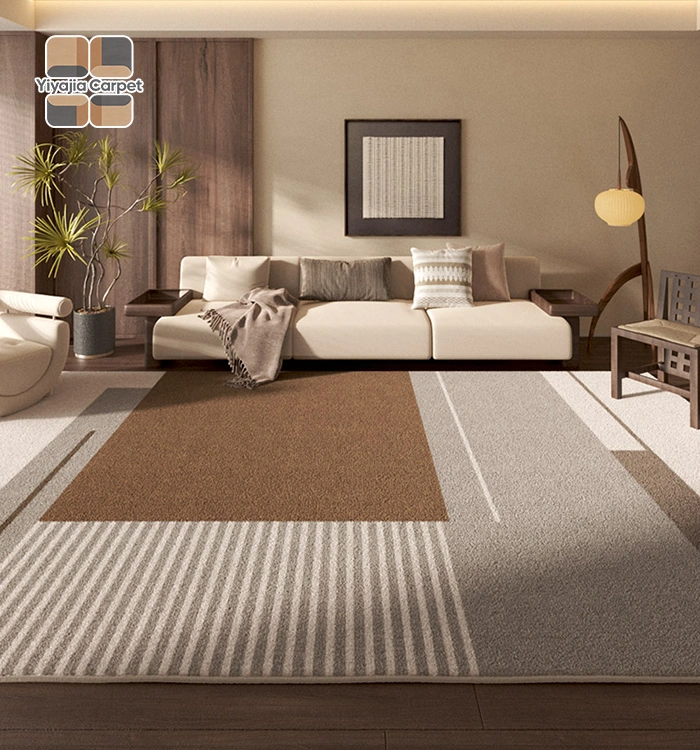
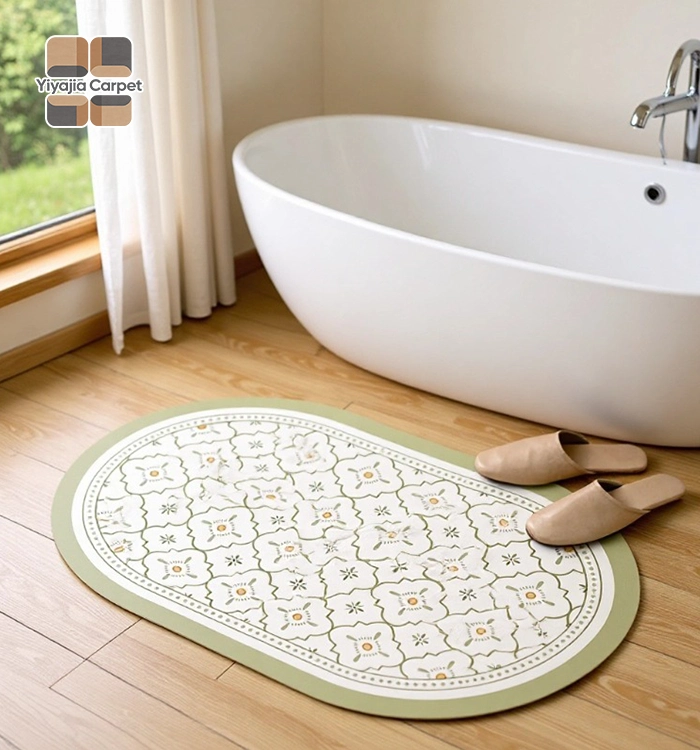
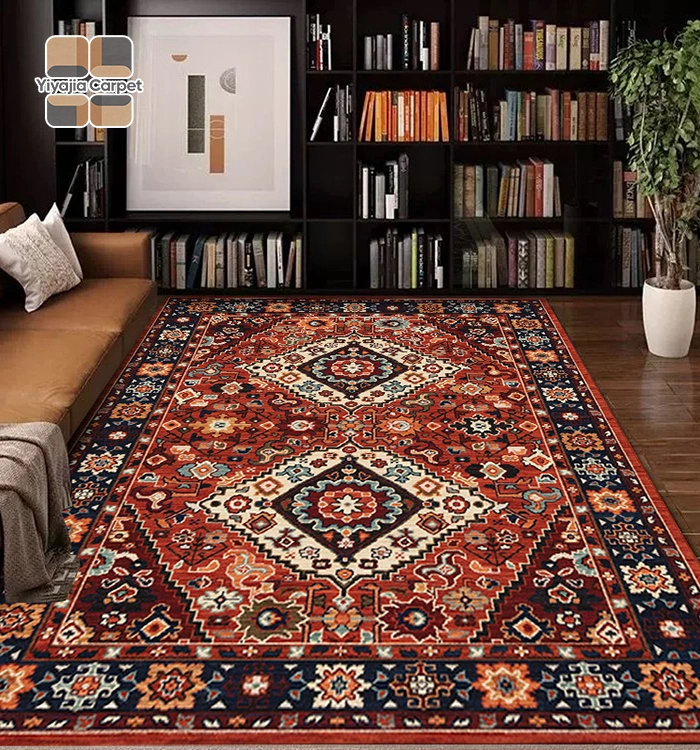
Damask designs on a best hotel carpet add a touch of class and historical beauty to any room. Their elaborate scrollwork and flower patterns make rooms feel luxurious, perfect for high-end boutique hotels. Geometric designs are flexible because they can be anything from simple straight patterns to lively tessellations. These patterns are great at hiding dirt and wear, which makes the carpet look like it has been used for longer. Using floral patterns adds natural warmth and beauty, which appeals to people who care about health and the environment. Classic patterns are popular with many people and look good in a lot of different interior design styles. This makes them a good choice for projects that need to look good.
Contemporary and Custom Designs
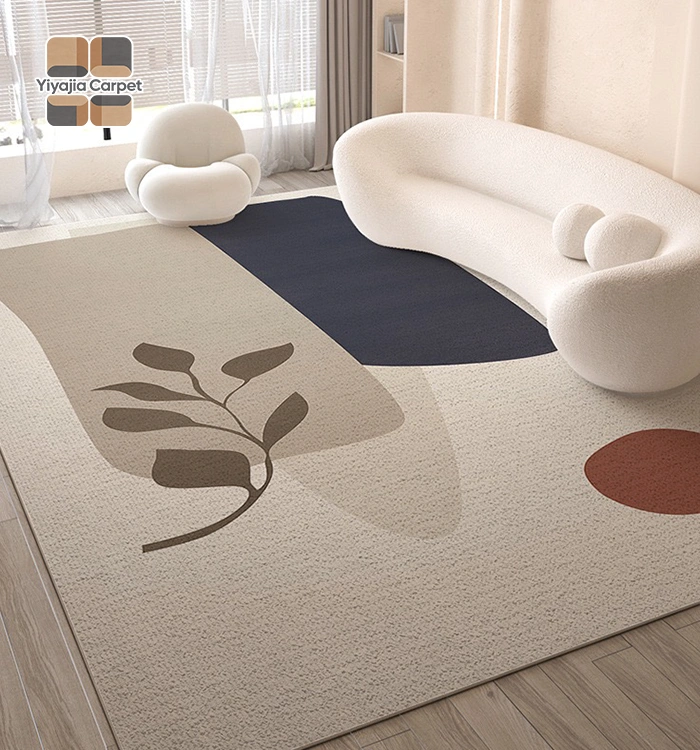
Abstract designs give you room to be artistic and stand out. Asymmetrical designs, artistic brushstrokes, and sudden changes in color make an effect that you'll remember. Designs with tribal or ethnic elements connect places to specific culture stories. This is especially helpful for hotels that want to show how real a place is in its region. Custom pattern development goes even further with personalization by letting businesses put custom names, building patterns, or commissioned artwork right into the flooring. These changes are easy to make with today's heat transfer and laser cutting tools. Yiyajia Carpet's advanced production methods allow for exact pattern replication with small order numbers. This means that even small boutique projects can achieve unique design results without having to spend a lot of money.
Modular Tiles Versus Broadloom Options
Carpet tiles make placement more flexible and upkeep easier. Broken tiles can be changed one at a time, which saves money in the long run and causes less trouble. Because they are flexible, they can be used with complicated floor plans and renovations that are done in stages. Broadloom rugs are great for grand halls and ballrooms because they make the floor look like one continuous piece. They get rid of gaps that can be seen and stop the flow of a pattern in big, open areas. Which of these formats to use relies on the needs of the property, how easy it is to maintain, and the design goals. Both forms can be used for different pattern uses, but broadloom often allows for more complex large-scale pattern repeats that make spaces look bigger and more unified.
Trending Carpet Colors in Boutique Hotels
Color affects how we feel, how we see space, and how we recognize a brand. Neutral colors that will never go out of style are balanced by accent colors that add personality and a sense of wealth. When choosing flooring that fits with modern design standards, procurement workers can make better decisions when they know about these preferences.
Neutral and Earth Tone Foundations
Small hotels mostly use beige, taupe, grey, and warm sand colors for their best hotel carpet selections. These colors make background options that go with a wide range of furniture types and home decor changes. Neutral colors make spaces that are relaxing and calm, which is important in guest rooms and spa areas. Earth tones link rooms to natural surroundings, which supports biophilic design concepts that travelers who care about their health are becoming more interested in. These colors are also very good at hiding dirt, so they keep their look between cleanings. Because they are popular with a wide range of age groups and genders, they are safe choices for homes that want to attract a wide range of guests while minimizing design risk.
Luxurious Jewel Tones and Accent Colors
Richness and drama are added by emerald green, sapphire blue, deep burgundy, and amethyst purple. These bright colors make accent walls in lobbies, dining rooms, and hallways stand out. Jewel tones look great with metal hardware and dark wood furniture, creating a multi-layered sense of wealth. Strategic use of secondary colors helps people find their way and strengthens company character. Patterned carpets that use secondary colors add visual interest without taking over a room. When you know how accent colors work with neutral bases, you can make balanced schemes that feel both energizing and sophisticated. This fits with today's desire for places that are stimulating while still feeling calm overall.
Color Psychology and Guest Experience
Color choices have measurable effects on how people feel. Blues and greens make people feel calm and trustworthy. Warm colors like terracotta and gold make people more friendly and give you more energy. Understanding these neural links helps match the right carpet color to the right space function. Guest rooms look better with calm colors, while social areas look better with warmer, brighter colors. Using the same color scheme throughout a building makes it easier to find your way around and helps people remember your brand. Color psychology can be used strategically by procurement teams working with designers to make sure that flooring choices actively add to positive guest experiences instead of just being useful surfaces.
How to Choose the Best Carpet Material and Design for Boutique Hotels?
Choice of material has a direct effect on efficiency, upkeep needs, and environmental impact. Matching materials to different areas of a hotel makes sure that everything works well while also staying within budget and helping the environment.
Analyzing Traffic Patterns and Functional Requirements
When there are a lot of people, luggage carts, wet shoes, and steady moving, the lobby gets the most use. In these places, you need low-profile, high-density rugs that are very resistant to wear and tear. Comfort and sound reduction are top priorities in guest rooms, which lets plush pile designs that add to the feeling of luxury. To protect guests' privacy, corridors need solutions that are both durable and good at blocking out noise. Dining places need to be able to fight water and stains. By analyzing each zone separately during the design phase, you can avoid over-engineering areas with low traffic or under-engineering high-performance zones. This focused method makes the best use of budgets and makes sure that each area gets the right flooring options.
Comparing Material Performance Characteristics
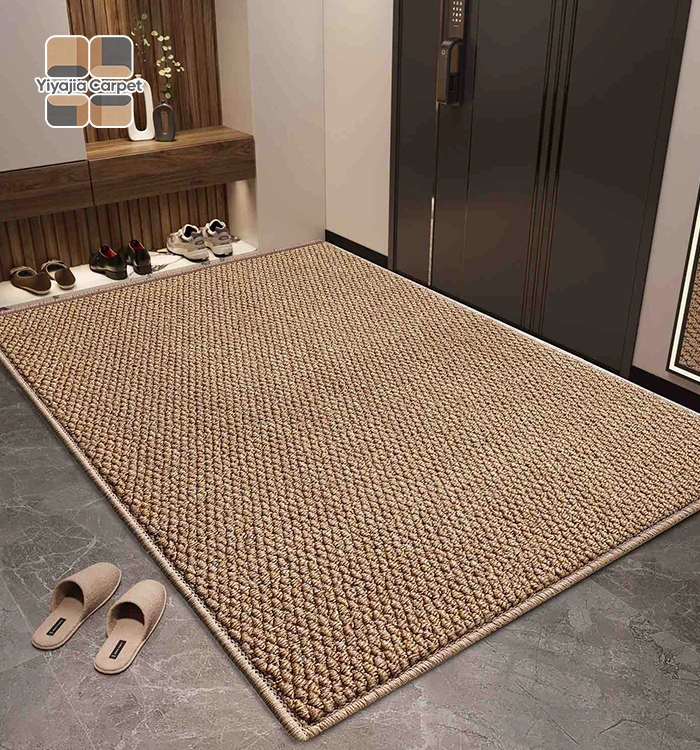
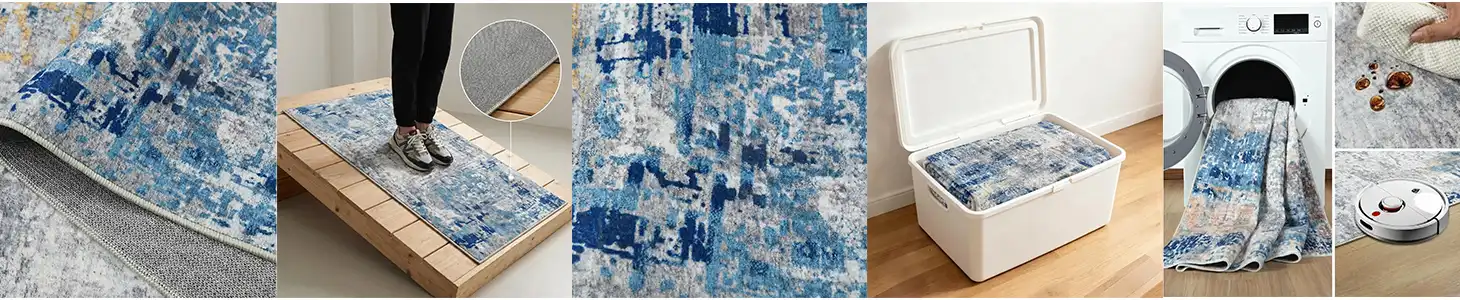
The best hotel carpet from Yiyajia Carpet has a fine faux cashmere surface and a TPR thermoplastic rubber backing, so it performs well in business settings while still being comfortable for home use. This design is strong because it is machine-woven, and the edges don't break because of lockstitching. You can use it right away after installation because the materials are baby-safe and don't smell. Wool mixes naturally resist fire and are strong, but they need to be cleaned in a certain way.
Nylon is great for high-traffic areas because it doesn't wear down easily and keeps its color. Polyester is a cost-effective material that works well enough for places that don't get a lot of use. Eco-friendly choices are becoming more appealing to properties that want to get sustainability certifications. This is because both owners and guests are becoming more aware of the environment.
Customization and Brand Alignment
Customizing carpet turns ordinary floors into parts of a brand's story. Size, color, and brand inclusion make it possible to perfectly match design goals. Yiyajia Carpet's flexible customization program lets you change the size and color of items with minimum order quantities as low as 50 pieces. Customized logos are sent out within seven days. This makes handmade flooring more accessible, allowing smaller boutiques that couldn't before because of expensive minimum orders to do so. Customization makes sure that carpets match certain architectural features, go with current finishes, and add brand elements without any problems. As a result, the spaces are unified, with every design feature supporting the brand and making guests feel more immersed in carefully thought-out hospitality experiences.
Evaluating Lifecycle Costs and Sustainability
The initial buying price is only one part of the total costs of owning. Durability, how often it needs to be maintained, and how often it needs to be replaced all have a big impact on lifetime costs. High-quality rugs that wear better than others are worth the extra money because they last longer and need less upkeep. Yiyajia Carpet can make 2,000 square meters of carpet every day, which means that orders are delivered quickly and on time, keeping building plans tight.
Environmental concerns are becoming more and more important in buying choices. OEKO-TEX certifications show that textiles are made in a way that is safe and doesn't harm people. When procurement professionals understand these complex cost factors, they can make choices that balance short-term budget needs with long-term commitments to operational efficiency and company responsibility.
Maintaining Boutique Hotel Carpets: Cleaning and Longevity Tips
Carpets last a lot longer if they are properly maintained. They also look good and stay clean. Setting up structured care routines for floors saves the money you've spent on them and makes guests happier by keeping the space fresh and clean all the time.
Material-Specific Cleaning Protocols
Different materials like a Machine-washable hotel carpet need different ways to be cared for. Cleaning wool rugs with pH-neutral containment keeps the fibers intact and stops color loss. Synthetic fibers, like nylon, can handle harsher treatments, like hot water extraction. With its faux cashmere surface and TPR backing, Yiyajia Carpet is easy to clean and won't shed threads even after a lot of use. Regular cleaning gets rid of rough soil particles that make wear happen faster. Stains don't set if you treat them right away. Knowing the specific needs of a material keeps it from getting damaged by cleaning products or methods that aren't meant to work with it. This keeps the carpet's look and internal integrity throughout its useful life.
Structured Maintenance Scheduling
Repairs that are done after the fact are more expensive than preventative care. Regular checks find patterns of wear so that specific repairs can be made before the damage gets too bad. Daily cleaning in areas with a lot of foot traffic gets rid of surface dirt. A deep clean once a week gets rid of dirt that is deep down. Professional extractions every three months keep cleanliness levels high and improve the way you look.
Inspections done once a year look at the general state and help with planning replacements. This organized method extends the life of the carpet the longest while keeping the appearance quality constant. Working with skilled service providers makes sure that the right tools and methods are used. Maintaining written records helps with guarantee claims and gives information for making better flooring choices in the future based on real-life performance.
Supplier Partnership and Installation Quality
How well carpet works depends a lot on how well it is installed. Subfloor preparation, seam placement, and stretch application all have an effect on how the floor looks and how long it lasts. By hiring professional workers with a lot of experience, you can avoid problems that could cause the system to fail early. Partnering with a supplier gives you access to expert help, product suggestions, and replacement materials that are exactly the same as the ones you used originally.
Yiyajia Carpet offers full export paperwork, which makes sure that customs clearance goes smoothly and lowers the risk of not following the rules. Our professional customer service team can help with technical questions, advice on maintenance, and setting up reorders. These partnerships make things easier and make sure that investments in flooring get the right care throughout their lifetime, which improves the general efficiency of the business and makes guests happier.
Conclusion
When choosing best hotel carpet designs and colors for boutique hotels, you have to find a balance between what looks good and what works well for business. In the year 2026, popular choices include classic geometric and flower patterns as well as modern abstract patterns in neutral and rich jewel tones. When choosing materials, you need to think about how much traffic there is, how easy they are to maintain, and your green goals. Yiyajia Carpet's flexible solutions, fast production, and strict quality standards help procurement workers find flooring that improves the guest experience while still meeting business needs. Making smart choices about flooring can help your brand stand out and help your property do well in the long run.
FAQ
Q1: What makes carpet suitable for high-traffic hotel areas?
A: In areas with a lot of foot traffic, rugs need to have a high pile density (7x8 to 10x10 rows per inch) and a low profile so that luggage carts don't drag them down. Materials that are very resistant to wear and tear, like nylon mixes or solution-dyed fibers, should be used. When loads are rolled, the backing doesn't delaminate, and anti-soil treatments and pattern designs hide wear. The machine-woven and lockstitching construction of Yiyajia Carpet makes sure that the edges stay in place even after heavy use, which is important for use in hallways and lobbies.
Q2: Should boutique hotels choose carpet tiles or broadloom?
A: Carpet tiles are easy to change and don't need as much upkeep, which makes them perfect for properties that need to be updated often or have limited funds for care. Broadloom gives you a smooth visual uniformity that you like in large rooms where patterns that don't break up the space make it seem more luxurious. Size of the project, ability to maintain, plan complexity, and funds are some of the things that affect the decision. Both forms can work well with different patterns and colors as long as they are properly defined for the property requirements.
Q3: How can carpets reinforce brand identity?
A: Carpets can be used to spread the word about a brand by having custom patterns made, logos added, and colors chosen with care. The heat transfer technology used by Yiyajia Carpet can copy any pattern, and the laser cutting process can handle both odd forms and exact sizes. Low MOQs make it possible for smaller properties to get customizations that were once only available to big chains. This makes brand expression through flooring more accessible to everyone. When you use the same color scheme and pattern themes throughout all of your sites, you create stories that flow together and help people remember your brand and stay loyal to you.
Partner with Yiyajia Carpet for Premium Hospitality Flooring Solutions
The floors in boutique hotels should reflect their unique style and meet their operating needs. Yiyajia Carpet offers custom options that combine cutting-edge production technology with strict quality control. Our best hotel carpet has fine faux cashmere surfaces, TPR backings made for industrial durability, and CE and ROHS certifications. We can help with projects of all sizes because we offer flexible customization starting at 50 pieces, fast image delivery in seven days, and a daily production capacity of 2,000 square meters. Our team will give you expert advice and help you choose patterns, colors, and materials that are in line with your brand's concept and meet your needs. Email us at sale@yyj-carpet.com to learn more about our wholesale best hotel carpet supplier choices that will improve the guest experience and provide measured business value. Change the look of your boutique property with flooring options that are made to stand out and work.
References
1. Hospitality Design Magazine (2024). "Annual Carpet Trends Report: Boutique Hotel Interior Preferences."
2. American Hotel & Lodging Association (2023). "Flooring Material Performance Standards for Commercial Hospitality Applications."
3. International Interior Design Association (2024). "Color Psychology in Hospitality Environments: Evidence-Based Design Strategies."
4. Textile Research Journal (2023). "Comparative Durability Analysis of Commercial Carpet Materials Under Simulated Hotel Traffic Conditions."
5. Green Building Council (2024). "Sustainable Flooring Certifications and Environmental Impact Assessment Guidelines."
6. Journal of Hospitality Management (2023). "Guest Experience Optimization Through Strategic Interior Material Selection."