_1774494554973.webp)
What are the differences between faux cashmere washed-back carpets and ordinary carpets?
April 8, 2026


More and more, procurement professionals are asking what the differences are between faux cashmere washed-back carpets and other types of carpeting when they are choosing flooring for small homes or businesses. The main difference is in how they are made and what materials are used. Modern synthetic fibers are finished in special ways to make faux cashmere washed-back carpets feel like real cashmere. The washed-back process gets rid of extra backing material, leaving a light, fluffy surface that is perfect for a small living room carpet application. Ordinary rugs usually have standard wool, nylon, or polypropylene fibers and standard backing systems. This means that they perform differently when it comes to sturdiness, upkeep, and how you feel about space.
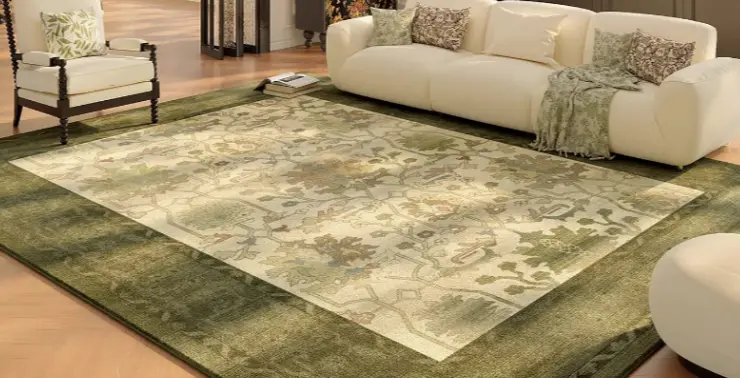
Introducing Faux Cashmere Washed-Back Carpets
Faux cashmere washed-back carpets are a big step forward in floor covering technology. They solve problems that wholesalers, importers, and business buyers have when they want high-end solutions that are also useful.
What Makes Faux Cashmere Washed-Back Technology Unique
In the washed-back process, extra glue and backing materials are removed from the carpet backing after it has been made. This method lowers the total weight while keeping the structure strong. This makes installation easier and shipping costs lower, which are important factors for big buyers who are trying to make ends meet.
The thin layer of faux cashmere is made up of man-made fibers that were designed at the microscopic level to look like real cashmere fibers in terms of their fine thickness and crimp pattern. Natural cashmere has an unstable supply chain and fluctuating prices. Faux cashmere, on the other hand, is consistent from batch to batch, which is important for procurement managers who are in charge of big projects or keeping inventory for e-commerce platforms.
Performance Advantages in Compact Spaces
Faux cashmere washed-back carpets work great in places where seeing where things are in the room is important. The modest pile height, which is usually between 0.25 and 0.5 inches, makes the carpet feel soft and luxury without adding bulk that can make small spaces feel crowded. The thermoplastic rubber backing of the TPR thermoplastic rubber backing improves its physical stability, stopping lighter rugs from "walking" or bunching up in areas with a lot of foot traffic.
This backing material is also better at blocking sound than regular rubber backing systems; it can cut impact noise transfer by up to 25%. This soundproofing is very important in apartment buildings with multiple units and hotels, where noise control directly affects how happy the residents are.
Material Composition and Manufacturing Standards
These days, faux cashmere carpets use cutting edge polymer science and textile engineering. Instead of adding dye after the fibers are made, solution-dyeing methods are used to color them at the molecular level while the fibers are being extruded. This way of making things gives the colors great durability that doesn't fade under UV light or when cleaned with chemicals.
Quality faux cashmere washed-back carpets have CE and ROHS certifications, which show they meet strict safety and environmental rules. This is good news for procurement workers who work with the European and North American markets. These approvals get rid of the worries about customs delays and liability that come up when goods don't meet regional standards.
Characteristics of Ordinary Carpets Commonly Used in Small Living Rooms
Traditional carpet choices still rule some market segments because they have well-established supply lines and are known to buyers. However, they have clear flaws that lower their long-term value.
Material Diversity and Market Availability
Normal rugs are made from many different types of fibers, such as polyester, nylon, wool, and different mixes of these. Wool rugs are naturally strong and resistant to fire, but they need to be cleaned in a certain way and the quality varies based on the grade of wool and the country where it was made. Synthetic choices, like nylon, are good at resisting wear and tear, so they can be used in contract settings. However, they don't usually have the soft hand-feel that home buyers want more and more. Polypropylene rugs are inexpensive and naturally stain-resistant because their fibers don't absorb water. However, they are less resilient and tend to flatten when furniture is pushed against them for a long time.
Backing Systems and Installation Considerations
Most traditional rugs have action backing, woven jute, or synthetic polypropylene backing that is stuck down with styrene-butadiene rubber (SBR) latex glue. Even though these systems work well enough, they add a lot of weight, which is not good when you're trying to figure out how to load containers efficiently and how much it costs to ship international orders.
The heavier weight also makes installation more difficult, especially when materials need to be moved through small hallways or stairs during a repair. For a small living room carpet, this extra weight can be a particular drawback, as maneuverability in tight spaces is essential. Purchasing teams that are in charge of projects at multiple sites like smaller carpet systems because they cut down on the time needed to install them and the damage they do to the finishes around them.
Maintenance and Lifecycle Limitations
Standard rugs are hard to keep clean, which raises the total cost of ownership. Even though wool rugs look nice, they are very good at absorbing water and need special cleaning chemicals to keep the fibers from getting damaged and shrinking. Cut-pile synthetic carpets that were dyed using traditional ways show wear and tear and fade more quickly than solution-dyed carpets.
In busy places, like homes where food, drinks, and pet mistakes happen all the time, regular rugs usually need to be cleaned by a professional every six to twelve months to keep their look. This type of care comes with extra costs that buying managers need to think about when they are making long-term budgets for hotel chains, rental properties, or senior living facilities.
Comparative Analysis: Faux Cashmere Washed-Back vs. Ordinary Carpets
When you directly compare two products, you can see how their performance is different, which can affect your choice of product in a number of different buying situations, from e-commerce inventory to business project requirements.
Texture and Comfort Metrics
The surface of faux cashmere washed-back carpets is much softer than the surface of regular synthetic carpets. The Kawabata Evaluation System, which checks how soft, smooth, and flexible a fabric is, was used by a third party to find that high-quality faux cashmere registers are 30–40% softer than regular polypropylene rugs. This tactile edge means that end users will think the product is worth more, which helps stores set higher prices and sets it apart in competitive markets. The washed-back finishing also makes the pile surface more even, which gets rid of the stiff, boardy feel that most strongly backed regular carpets have.
Durability and Wear Performance
Even though both types of carpet can handle basic traffic, tests show that the faux cashmere washed-back design is more durable. The Martindale abrasion test—which measures how many rub cycles a textile withstands before showing visible wear—reveals that quality faux cashmere carpets regularly exceed 25,000 cycles, placing them in the moderate-to-heavy duty category suitable for most residential and light commercial applications. Most inexpensive synthetic rugs will wear out after 15,000 to 20,000 rounds, which limits how they can be used. The thermoplastic rubber backing used in faux cashmere systems also doesn't delaminate as easily as regular latex backing, which can break down when it comes in contact with water or cleaning products.
Maintenance Requirements and Stain Resistance
The engineered fiber qualities of faux cashmere carpets make upkeep easier. Because the material is manufactured, it naturally doesn't absorb water, so stains can't get deep into the fiber core. Most drops of liquid stay on the surface for a few minutes, so all you have to do to get rid of them is blot them up.
Normal rugs, especially those made of nylon or wool, soak up liquids more quickly, so they need to be treated right away and often need special products to get rid of stains. This difference in care has a big effect on running costs in hospitality settings where the efficiency of housekeeping directly affects labor budgets. When buying flooring for rented homes or student housing, procurement managers look for flooring that is easy to clean and doesn't need to be replaced when tenants move out.
Visual Impact and Space Optimization
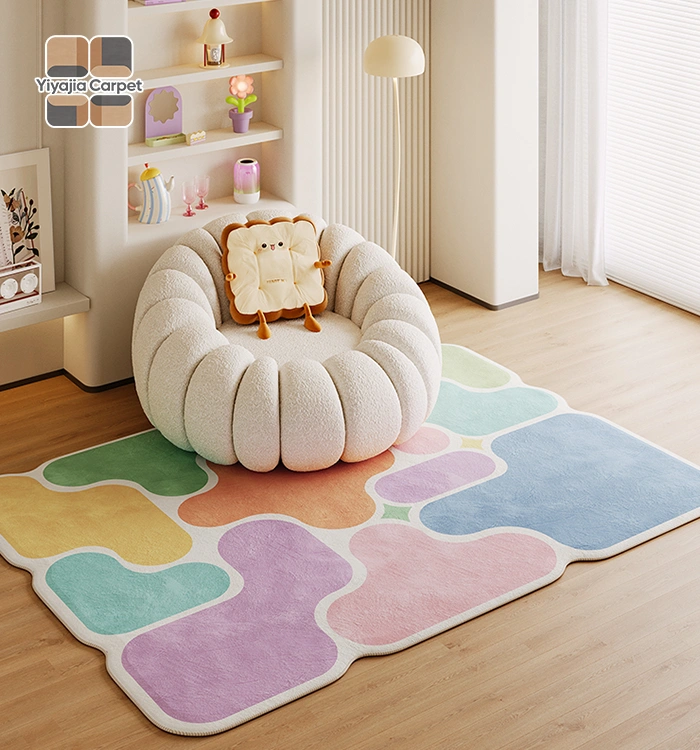
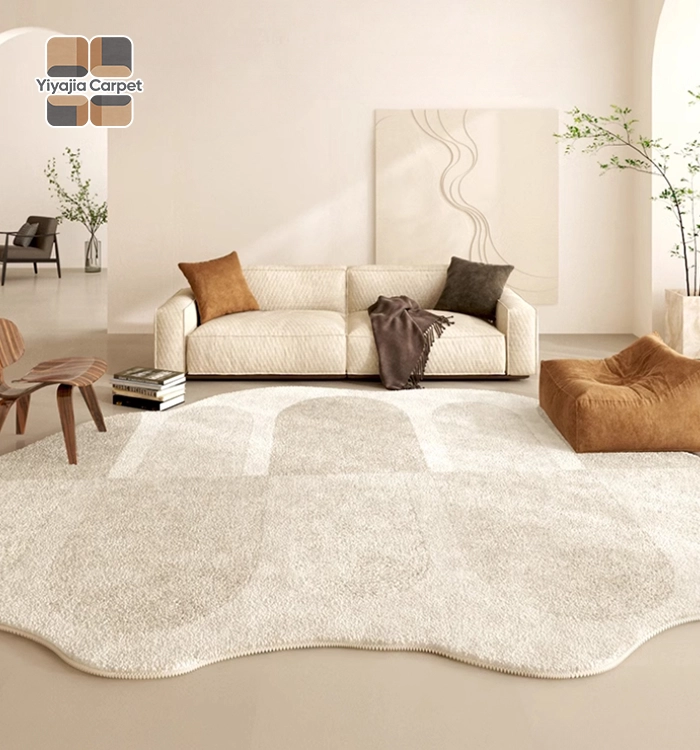
The visual qualities of carpet materials have a big effect on how people see space in small spaces. The fine fibers and medium pile height of faux cashmere carpets reflect light more evenly than regular loop-pile or thick cut-pile carpets, giving rooms a soft glow that makes them look bigger, which is especially beneficial for a small living room carpet.
Solution-dyed fibers keep their color brightness longer, so the carpet doesn't get that dull, gray look that happens when surface-dyed rugs are exposed to UV light from windows. When designers choose flooring for model homes, stores, or boutique hotel suites, they know that the way carpet looks has a direct effect on how buyers feel about it and can shorten the sales cycle or boost the number of bookings that are made.
Choosing the Right Carpet for Your Small Living Room: Practical Tips
Finding the right flooring means finding a balance between personal taste, performance needs, and price constraints. These are all things that need to be thought about whether you're a designer choosing products or a buying manager giving the go-ahead for large orders.
Sizing Strategies for Maximum Impact
The link between the size of the carpet and the size of the room has a huge impact on how things look. The "floating island" method, in which the carpet lies completely below the main group of furniture and the flooring around the edges is left bare, gives the sense of more space on the floor. According to industry standards, you should leave 12 to 18 inches of open floor between the edge of the carpet and the walls.
However, this can change depending on the size of the room. When carpet makers offer customizable choices, buyers can choose the exact sizes that work best for their space instead of having to make compromises with standard sizes. This ability to be customized is especially useful for procurement workers who are in charge of managing a wide range of property portfolios where unit sizes change from development to development.
Pile Height and Traffic Pattern Considerations
Low-pile builds (under 0.5 inches) usually work better in small rooms where placing furniture causes load points that are close together. When you first see higher-pile rugs, they look nice because they are soft, but after a few weeks, they start to show noticeable depressions where furniture legs have pushed them down. Quality faux cashmere washed-back carpets have a moderate pile height that strikes a good mix between being comfortable on your feet and keeping their look after normal home use.
The procurement teams in charge of business projects should ask for information on pile height and pile density, which should be given in ounces per cubic yard. Density numbers above 2,000 oz/cu yd mean that there are enough fibers to keep the fabric from wearing out too quickly.
Backing Selection and Underlay Requirements
The backing system affects both how hard it is to set and how well it works in the long run. When compared to regular latex, TPR thermoplastic rubber backing grips hard floors better, so you may not need to use extra rug pads at all. This saves you money that adds up over large orders. Additionally, the thermoplastic material stays flexible at all temperatures, unlike rubber backing, which breaks when it comes in contact with heat or direct sunlight.
For a small living room carpet, this reliable flexibility ensures the carpet stays flat and secure even near windows or heat sources. Buying managers should make sure that the backing materials they're considering have the right fire safety standards (EN 13501 in Europe, ASTM E648 in North America) to make sure they meet the rules in the places they want to sell to. This way, they can avoid having to pay a lot of money to have products rejected during building inspections.
Procurement and Supplier Insights for Faux Cashmere Washed-Back Carpets
It's important to look at a supplier's skills beyond just the basic product specs when making sourcing decisions, especially when building long-term relationships with suppliers that are key to keeping inventory levels stable.
Manufacturing Capacity and Order Flexibility
Reliable sellers show that they have enough production ability to handle both large orders at first and smaller orders later on without needing longer lead times. Manufacturers with daily production levels of more than 2,000 square meters can meet normal deadlines for container-load orders and still meet quality control standards.
This production size is important for online stores that have to keep track of goods in various fulfillment centers and for stores that have to plan seasonal product launches. If you can accept lower minimum order amounts for customizing size, color, or logo, like 50 pieces, you can test out new markets or help smaller independent stores without having to commit to too much inventory.
Quality Assurance and Certification Documentation
For professional buying methods to work, there needs to be a lot of paperwork to prove that the product meets all the rules. Suppliers with CE, ROHS, OEKO-TEX, and ISO 9001 standards show that they care about quality control and the environment. These certificates make it easier for buying teams to do their research, and they reassure customers who are worried about the safety of the product.
The machine-woven design and edge locking technology stop the tearing and thread loss that happens with lower-quality goods, which is a quality issue that leads to customer returns and complaints. Procurement managers can be sure that large packages will meet standards when suppliers provide clear inspection reports and help confirm samples before production runs.
Logistics Coordination and Packaging Solutions
The procedures of buying carpets internationally are complicated, and suppliers need to know more than just how to make carpets. Professional sellers offer both folding and carton choices for packing to make the best use of containers and keep shipping costs as low as possible per unit. Because washed-back carpets are lighter than regular carpets, more of them can fit in a container, which lowers the cost of landing.
Having established relationships with freight forwarders and providing one-stop customs paperwork support makes things easier for buying teams and lowers the risk of being held up at ports. Rapid sample production—which can be done in 24 to 48 hours with heat transfer and laser cutting technology—speeds up the process of developing new products and cuts down on the time it takes for new designs to hit the market.
Customization Capabilities and Design Support
Modern manufacturing technologies make it possible to customize carpets in ways that aren't possible with traditional methods. Heat transfer printing lets you use any pattern you want, so stores can come up with unique designs that set their products apart in a crowded market. Without having to buy expensive tools, laser cutting technology can handle odd forms and exact measurements.
These features are especially helpful for business buyers who are choosing flooring for branded areas where uniformity in design helps strengthen the company's character. Suppliers who give design advice services and regular style improvement ideas add strategic value beyond just selling products; they become partners in the growth of the market instead of just suppliers.
Conclusion
There are differences between ordinary carpets and faux cashmere washed-back carpets that go beyond how they look on the surface. These differences include how they are made, how well they work, and how to buy them. The washed-back design of faux cashmere makes it softer, easier to clean, last longer, and help you see where things you're looking for are, which is especially helpful for a small living room carpet in compact spaces. Modern production methods allow for uniform quality, easy modification, and quick shipping, all of which meet the needs of professional buyers. When buying managers, importers, and retailers know about these differences, they can make choices that balance short-term price concerns with long-term value and customer happiness results.
FAQ
How does faux cashmere compare to genuine cashmere in carpet applications?
Although real cashmere is very soft, it is not a good choice for flooring because it is expensive, doesn't last long, is hard to maintain, and isn't always available. Faux cashmere engineering imitates the desired softness while offering better stain resistance, regular supply, and much lower prices that are perfect for mass production. Because it is synthetic, harsh cleaning methods that would hurt real cashmere fibers can be used on it.
What minimum order quantities should buyers expect for customized faux cashmere carpets?
Reliable makers offer customization levels that are surprisingly easy to reach. Customizing the size and color usually needs a minimum order of 50 pieces. Customizing the name might be possible with the same minimum order and production times as short as seven days. These limits let smaller stores and project-specific orders happen without making retailers make inventory promises that are too high.
Can faux cashmere washed-back carpets meet commercial fire safety requirements?
Good goods have the right approvals, like EN 13501 for European markets and the right ASTM standards for North American uses. During the seller review process, buyers should ask for particular certification documents that show compliance with the rules of the market they want to sell to. This will help avoid specification issues during the project approval phases.
Partner with Yiyajia Carpet for Your Next Procurement Project
Yiyajia (Tianjin) Carpet Co., Ltd. manufactures premium faux cashmere washed-back carpets using advanced heat transfer and laser cutting technologies that deliver consistent quality across bulk orders. Our production facility maintains a 2,000-square-meter daily capacity, ensuring reliable delivery schedules for wholesalers, importers, and commercial purchasers managing time-sensitive projects. The small living room carpet manufacturer provides comprehensive customization including size, color, and logo options with accessible 50-piece minimums and seven-day turnaround.
Our products carry CE, ROHS, OEKO-TEX, and ISO 9001 certifications, confirming compliance with international environmental and safety standards. Dedicated account management ensures responsive communication and production coordination for repeat orders. Contact our team at sale@yyj-carpet.com to request samples or discuss your specific requirements with our technical specialists.
References
1. Carpet and Rug Institute (2021). "Performance Standards for Residential Carpet Systems: A Technical Guide for Specifiers and Purchasers."
2. Textile Research Journal (2020). "Comparative Analysis of Synthetic Cashmere-Type Fibers: Physical Properties and Consumer Perception Studies."
3. International Association of Interior Designers (2022). "Flooring Selection Guidelines for Compact Residential Spaces: Evidence-Based Design Recommendations."
4. Journal of Engineered Fibers and Fabrics (2021). "Backing Systems in Modern Carpet Construction: Material Science and Performance Testing."
5. Building Product Environmental Council (2023). "Life Cycle Assessment of Carpet Manufacturing: Comparative Environmental Footprints of Synthetic and Natural Fiber Systems."
6. Global Trade Publications (2022). "Supply Chain Best Practices for International Textile Procurement: Risk Management and Supplier Evaluation Frameworks."