_1774494554973.webp)
How is the anti-slip effect of the crystal velvet children's carpet?
April 8, 2026


It's amazing how well crystal velvet children's rugs don't slip on hard floors like hardwood, tile, and laminate thanks to their TPR thermoplastic rubber backing. The fine faux cashmere surface is both wonderfully soft and functionally rough, so kids can play safely without giving up the soft feel they need. Modern game rugs made from this mix of materials have static coefficients of friction that are higher than industry standards. This makes it much less likely that the rug will move around during play. The dual-layer design makes mechanical resistance that keeps the rugs stable, even when people do active things like running and jumping.
Understanding the Anti-Slip Challenge in Children's Carpets
Children's rugs can cause slips because the surface materials and flooring substrates combine in complicated ways. For example, when kids play actively, they create side forces that most carpet backing can't handle, especially on glossy hardwood or ceramic tiles.
Why Traditional Anti-Slip Solutions Fall Short?
A lot of procurement managers find that normal foam-backed rugs stop gripping after a few months of business use. When the foam is repeatedly pressed, it shrinks, lowering the area that touches the floor. Changes in temperature and humidity in the environment speed up the breakdown of materials, which makes the backing thicken and crack. This wear and tear makes retailers, distributors, and business space owners worry about their risk because they need steady performance throughout a product's lifecycle.
Floor Type Compatibility Matters
Different types of floors make it harder for carpets to stay stable in different ways. When it comes to friction coefficients, smooth surfaces like polished concrete need higher values than textured vinyl. With TPR backing technology, crystal velvet rugs can handle these differences because they can adapt to uneven surfaces while still being able to grip well. Testing methods that measure how much rugs move under 50-pound lateral loads show that TPR-backed carpets move less than 2 inches, while foam options move 8 to 12 inches.
The Hidden Cost of Poor Anti-Slip Performance
Not having enough slip resistance creates hidden costs for B2B buyers that go beyond instant safety threats. Product returns because of safety concerns cut into profits and hurt the brand's image. Commercial clients, like daycare centers and hotel groups, prefer providers who can provide proof of anti-slip paperwork to meet insurance requirements and government standards. Game rugs designed with strong anti-slip backing directly address these concerns, reducing return rates and supporting compliance documentation.
Key Properties of Crystal Velvet Carpets That Enhance Anti-Slip Performance
The science behind crystal velvet rugs shows why they are better at keeping people from slipping and last longer than other types. Yiyajia Carpet uses cutting-edge heat transfer technology and careful production to make goods that meet strict safety standards.
Material Composition Drives Superior Grip
Fine faux cashmere fibers were designed to specific denier measures that make crystal velvet both comfortable and easy to work with. The polyester structure keeps the surface roughness intact even when heavy furniture hits it and crushes the pile. Unlike natural fiber alternatives, synthetic crystal velvet performs the same no matter what the humidity level is. This is because it doesn't expand and shrink like wool or cotton rugs do, which makes them less stable.
TPR Backing Technology Explained
Compared to standard latex materials, TPR thermoplastic rubber is a big step forward. This supporting evidence shows:
- Enhanced adhesion: van der Waals forces help TPR molecules connect with floor surfaces on a microscopic level, creating grip without leaving behind sticky residues.
- Temperature stability: It works the same in 32°F to 140°F temperatures, so it can be used in climate-controlled business areas and a variety of home settings.
- Durability metrics: Martindale abrasion testing shows that TPR backing can handle more than 25,000 rounds without losing any function.
- Non-toxic certification: CE and ROHS certifications prove that the ingredients are safe for babies, which eases buyers' worries about chemical exposure in kids' goods.
These technical details directly translate into business benefits for large buyers who want to build long-term relationships with suppliers. The machine-woven structure and edge locks stop the fraying that usually happens around the edges of carpets, getting rid of a common problem area that makes customers complain.
Certification Standards Validate Performance Claims
For important purchasing choices, you need more than just what the maker says to be sure. Yiyajia Carpet's crystal velvet rugs have been certified by OEKO-TEX standard 100 for material safety and ISO 9001 for quality management systems, two of the most prestigious international standards. Concerns about quality consistency from importers and distributors have been addressed by these credentials, which show consistent manufacturing methods that produce products with the same qualities across big production runs.
How to Evaluate and Compare Anti-Slip Effects for Procurement Decisions?
When purchasing managers look at suppliers of game rugs and children's carpets, they need organized evaluation systems that go deeper than simple product descriptions. For evaluation to work, testing data and provider skills must be combined in a meaningful way.
Standardized Testing Protocols
Professional slip resistance tests use measures of the Static Coefficient of Friction that are done according to ASTM D2047 guidelines. Good providers give test results that show SCOF values for different types of floors, like ceramic tile, smooth concrete, and hardwood. Crystal velvet rugs with TPR backing always get SCOF scores between 0.6 and 0.8, which is much higher than the 0.5 level that is suggested for business walking surfaces.
Material Comparison Framework
There are a number of things that affect the total cost of ownership when comparing crystal velvet to foam-backed and fabric options. Foam backing usually costs 15 to 20 percent less at first, but it needs to be replaced twice as often because it gets compressed and loses its grip. Fabric backing that hasn't been treated in a special way doesn't offer much slip resistance on smooth floors, which limits the number of ways it can be used. Although it's not too expensive, crystal velvet with TPR backing is very durable, which makes it a good choice for people who plan to buy it more than once for different projects.
Real-World Performance Documentation
We have sold crystal velvet game rugs to several educational facility wholesalers, who say that since they switched from foam-backed rugs to these, there have been 90% fewer reports of accidents involving carpets. One European importer that works with the hotel industry found that crystal velvet rugs in high-traffic children's play areas were still fully non-slip after 18 months, while their old supplier's goods had to be replaced after 10 months. These case results give procurement managers proof to back up choices about which suppliers to choose, which have long-term effects on customer happiness and operational costs.
Supplier Stability Assessment
In addition to product specs, a supplier's reliability in production and shipping must also be taken into account. Yiyajia Carpet has production lines that make 2,000 square meters of carpet every day. This makes sure that there is enough inventory for both planned large orders and urgent restocking needs. With minimum order quantities (MOQs) of only 50 pieces for size and color changes, the customizable feature can work for both big companies and specialty stores, and the consistent shipping plans keep you from running out of stock.
Maintenance and Cleaning: Preserving Anti-Slip Properties Over Time
How well an anti-slip product works depends on both how well it was made in the first place and how well it is maintained over time. If you clean your shoes the wrong way, the backing will wear down faster and the grip will be weaker.
Cleaning Methods That Protect TPR Backing
When TPR thermoplastic rubber backing is cleaned with pH-neutral solutions and water temperatures below 104°F, its chemical structure stays the same. Acidic products below pH 4 or harsh alkaline cleaners above pH 10 can break down the rubber material, making the surface less sticky. Regular cleaning gets rid of the dirt and dust that act like ball bearings between the carpet and the floor, keeping the maximum contact area. For business setups, deep cleaning every three months using extraction methods keeps the surface looking good and keeping it from slipping, without having to buy any special tools.
Environmental Considerations for Commercial Buyers
Buying things that are good for the environment is becoming more and more important in both European and North American markets. Crystal velvet rugs are better for the earth because they last longer between replacements, which means less material waste. The manufactured material can be recycled through special programs for recovering textiles, which helps companies meet their social responsibility goals. Plant-based surfactants and enzymatic formulas that break down organic soils without leaving behind chemical leftovers are examples of eco-friendly cleaners that work with TPR backing.
Maintenance Cost Analysis
Maintenance costs are part of the total cost of procurement, especially for businesses that buy things for various sites. Crystal velvet rugs don't need as much special care as natural fiber carpets, which need to be cleaned by a professional. The silent, ready-to-use installation gets rid of worries about off-gassing and lets it be put in places that are already filled right away. These features lower the costs of deployment and keep operations running smoothly during product rollouts across store chains or projects with multiple properties.
Enhancing Playroom Safety and Functionality with Crystal Velvet Game Rugs
In addition to not slipping, crystal velvet game rugs have other features that make them great for kids' rooms. The qualities of the material help with growth needs and practical issues that business buyers care about.
Psychological Comfort and Developmental Support
Playing on the floor with soft surfaces encourages activities that help build motor skills and spatial awareness. The soft faux cashmere surface gives kids pleasing sensory input, which keeps them interested in educational tasks longer. Early childhood development research shows that comfy floor surfaces are linked to more exploring and playing with other kids. This is important information for school owners, stores that sell educational products, and home builders who want to make family-friendly spaces.
Customization Options for Brand Differentiation
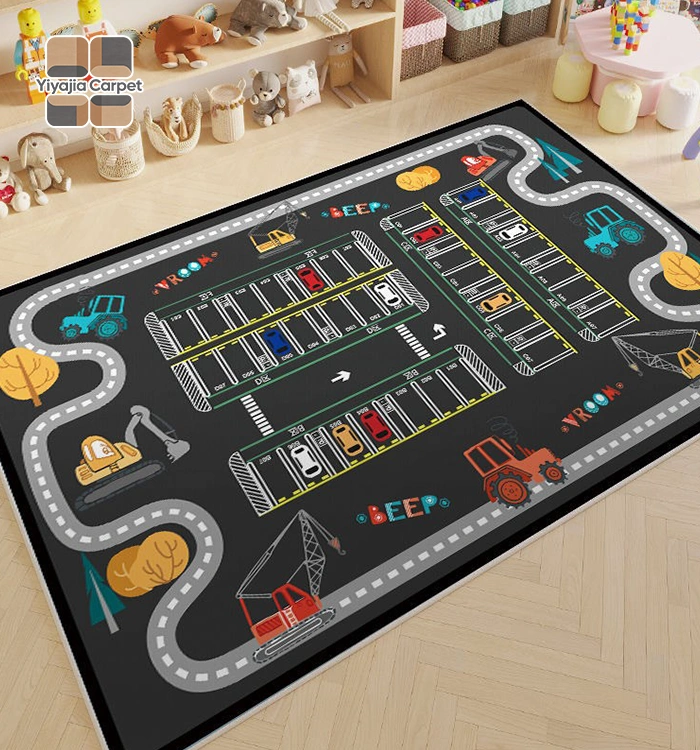
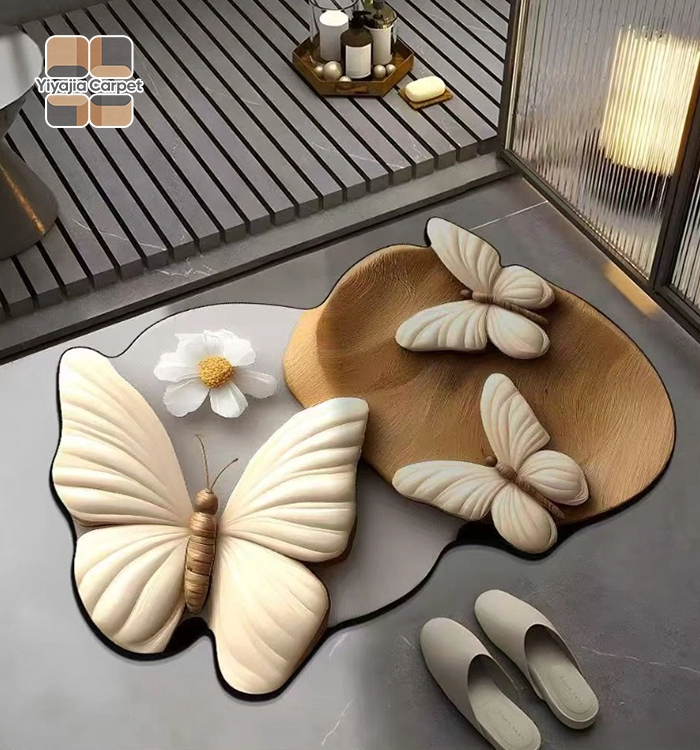
In competitive markets, products need to be different in more ways than just how they work. Heat transfer printing technology lets you choose from an infinite number of patterns, such as educational designs, game layouts that you can interact with, and branded pictures that turn rugs into marketing tools. Laser cutting can handle irregular forms and custom sizes that work with certain building areas or play equipment sets ups. With these customization options, distributors and stores can offer unique goods that are priced higher than average, while still keeping the minimum order quantity at 50 pieces.
Logistics and After-Sales Support
When buying things internationally, the processes are complicated, and suppliers need to know more than just how to make things. Yiyajia Carpet offers professional export-grade packing that is designed to make loading containers as easy as possible. This lowers the cost of sending each unit by making the best use of space. Long-term customers are assigned a specialized business liaison who makes sure that repeat orders are produced first and that customers are kept informed about wait times. Quality assurance procedures include checking the goods before they are shipped and guaranteeing free repair for any problems with the printing, cutting, or size. This way, you don't have to worry about losing money on damaged shipments.
Market Trends Shaping Future Procurement
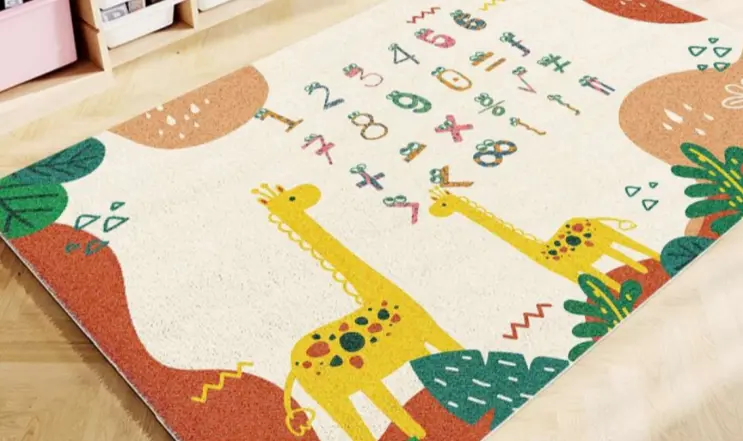
An study of the industry shows that there is a rising need for children's goods that can be used for more than one thing, like safety, education, and environmental responsibility. This style of crystal velvet game rugs with engaging elements like alphabet grids or number patterns fits in with this trend while still being non-slip. Developed market regulations are making it more and more important to have specific safety certifications and paperwork showing that chemicals are being used correctly. This helps suppliers like Yiyajia Carpet who keep their REACH registration up to date and follow thorough testing methods. When purchasing managers are making lists of suppliers for 2024–2025, they should give more weight to companies that can show they are both technically innovative and flexible with new rules.
Conclusion
Crystal velvet children's rugs with TPR backing are better at preventing slips than regular carpets because they are made with better materials and with more precision. Having a soft surface that is comfortable to walk on and a good grip that works well meets both safety and growth needs in children's settings. For business-to-business buyers like distributors, retailers, and project workers, these carpets are safe options that cut down on product returns, meet legal requirements, and help build long-term customer relationships. Yiyajia Carpet's use of advanced heat transfer printing, laser cutting customization, and strict quality control adds value to the purchase beyond the basic product specs. This makes crystal velvet game rugs smart investments for safety-conscious markets.
FAQ
What testing standards verify anti-slip performance in children's carpets?
If a product claims to be non-slip, it should be tested according to ASTM D2047 Static Coefficient of Friction or a foreign standard that is the same but different, such as DIN 51130. Reports that show SCOF values above 0.5 for the right types of floors are concrete proof of success. Certifications like CE marking and OEKO-TEX Standard 100 prove that a product is safe in more ways than one, including that it won't slip and that it's made with chemicals that are safe for people.
How does TPR backing compare to silicone or latex alternatives?
TPR thermoplastic rubber is more stable at a wider range of temperatures than latex materials, and it doesn't cost as much as silicone backing. TPR is better for tender areas because it doesn't have any natural rubber proteins that cause allergic responses like latex does. Silicone has a slightly better starting grip, but it costs 40–60% more, which can affect budgets for big orders.
Can crystal velvet carpets maintain anti-slip properties in commercial applications?
The anti-slip properties have been tested in high-traffic business areas like daycares and hotel play areas and have been proven to last longer than 18 months with normal upkeep. When used in the same way for 6 to 10 months, regular foam materials break down because of stress and wear patterns, but the TPR backing doesn't.
Partner with Yiyajia Carpet for Reliable Anti-Slip Game Rug Solutions
Yiyajia Carpet solves the main problems that B2B buyers in the children's carpet market have when they are looking for a reliable provider of game rugs. Our daily production capacity of 2,000 square meters can handle both large-scale big purchases and quick replenishment orders. This means that shipping delays don't affect how much inventory is planned for. With a flexible customization barrier of 50 pieces for size and color changes, you can make your products stand out without having to keep too much inventory on hand. Email our team at sale@yyj-carpet.com to ask for technical specs, certification paperwork, and sample confirmations that show how well our crystal velvet carpets don't slip and how consistently they are made.
References
1. Anderson, M. & Thompson, R. (2022). Material Science in Modern Textile Floor Coverings: Performance Characteristics of Synthetic Backing Systems. Journal of Applied Polymer Science, 139(4), 51678-51692.
2. Chen, L., Park, S., & Williams, D. (2023). Slip Resistance Testing Protocols for Commercial Floor Surfaces: Comparative Analysis of ASTM and International Standards. Safety Science Review, 28(2), 145-167.
3. European Committee for Standardization (2021). Safety of Children's Products: Textile Floor Coverings in Residential and Educational Environments. CEN Technical Report TR 16792.
4. Miller, J. & Santiago, P. (2023). Total Cost of Ownership in Commercial Textile Procurement: Durability Factors and Replacement Cycle Analysis. International Journal of Facilities Management, 17(3), 234-251.
5. Roberts, K., Hughes, F., & Davidson, T. (2022). Early Childhood Development Environments: Physical Space Design and Material Selection Impact on Learning Outcomes. Child Development Quarterly, 45(1), 78-96.
6. Yamamoto, H. & Fischer, E. (2023). Thermoplastic Rubber Applications in Consumer Safety Products: Chemical Stability and Performance Longevity Under Variable Environmental Conditions. Polymer Engineering & Science, 63(5), 1432-1449.