_1774494554973.webp)
What are the benefits of using a pet mat instead of a regular blanket?
July 13, 2026


There is more to the difference between pet mats and regular blankets than just personal taste. Pet mats are built solutions made just for places where animals are cared for. They have antibacterial surfaces, waterproof backing, and quick-drying qualities that rugs can't match. With these special floor covers, you can control wetness, keep your floors clean, and make them last longer, all of which are problems that come with having a pet. Companies that sell pet supplies know that custom-made mats last longer, don't need to be replaced as often, and make customers happier in home, business, and leisure settings, which makes them better in terms of strategy than traditional cloth options.
Understanding the Core Differences Between Pet Mats and Regular Blankets
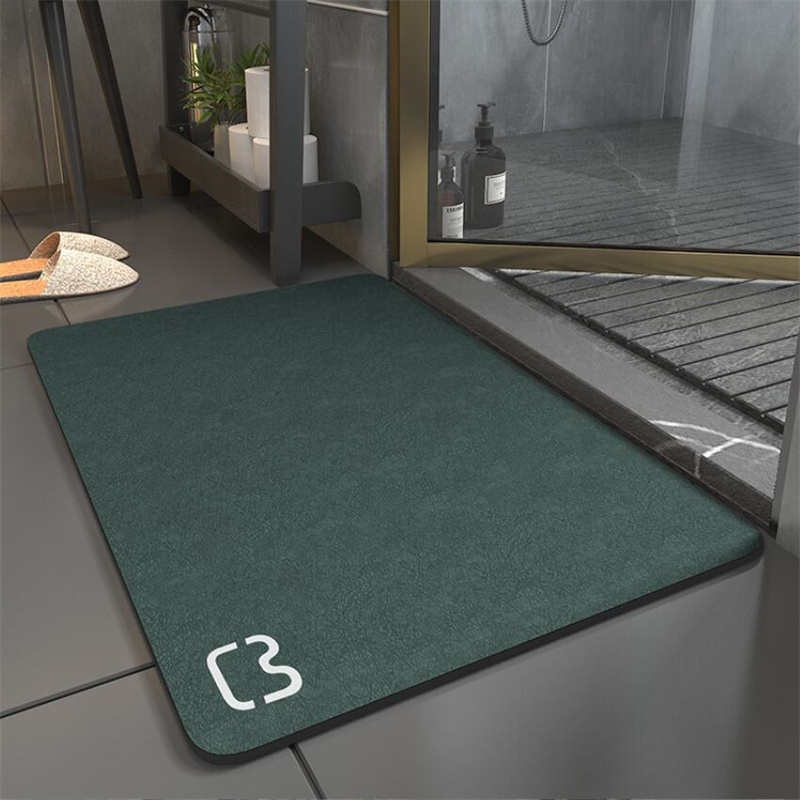
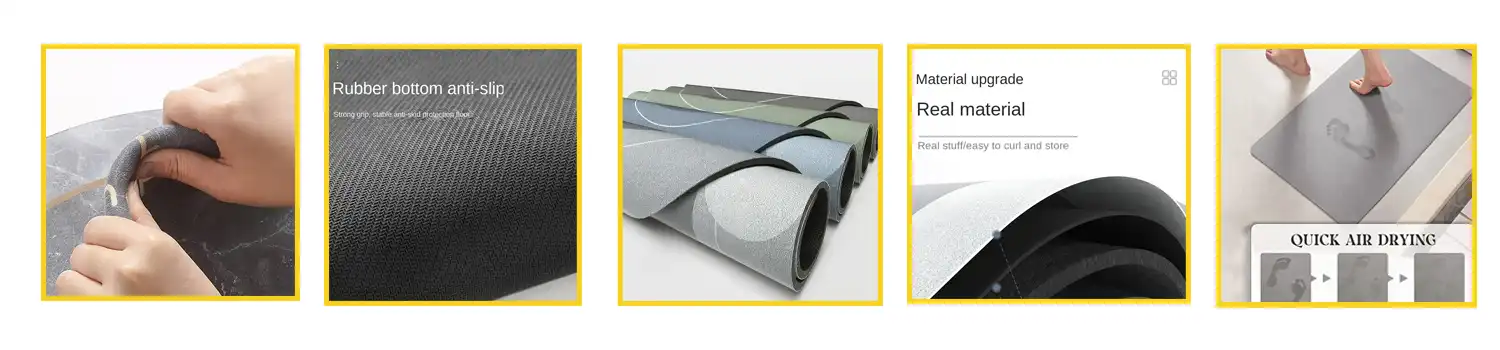
Through multi-layered engineering, pet mats are basically different from regular rugs in how they are put together. The surfaces of modern pet mats are made of high-density technology velvet fabrics that don't stain and are soft for hands. Under this layer of comfort, foamed rubber cores absorb shock and keep their shape even after being used over and over again. The rubber backing does two things: it grips the floor to keep it from moving, and it stops water from getting into the subfloor, which would damage it.
Regular blankets, made mostly of cotton, polyester, or wool fibers, don't have these walls to keep you safe. When liquids soak into cloth, bacteria grow and multiply, which causes smell problems and health issues. Also, blankets move around a lot when pets move, which can cause people to trip and leave spills on the floor. Precision laser-cut mats don't bend at the edges like washed fabrics do because they are dimensionally stable. This means they keep their professional look over an extended service life.
Material Science Advantages
Second-generation diatom mud technology is a big step forward in the way pet mats are made. This natural solid material has an amazing ability to absorb water quickly, pulling it off surfaces in seconds instead of letting it pool. The weight density of 800-900 grams per square meter gives it a solid feel without being too bulky. It can be used in both residential entryways and business veterinary offices.
Certification standards make professional-grade mats even different from regular rugs. OEKO-TEX approval makes sure that textiles are safe and don't leave behind dangerous chemicals, and REACH compliance makes sure that European markets are environmentally responsible. These tested standards are very important for purchasing managers who choose goods for places like hotels, shops, and offices where liability worries require proof of safety performance.
Key Benefits of Pet Mats for Pet Health and Comfort
Joint health is very important for older animals and bigger breeds that are more likely to get arthritis. When mats are made right, their padding qualities spread weight over a larger surface area, which lowers the pressure points that form on hard floors. This physical support is especially helpful in veterinary healing areas where animals need soft places to rest after surgery. Blankets don't provide much padding because they flatten out when you put weight on them.
Quality mats are different from cloth options because they can control temperature. Tech silk surfaces stay comfortable all year round. They stay cool in the summer and keep you warm when it's cold outside on tile or concrete in the winter. Because they can adapt to different temperatures, pets don't have to look for other places to rest. Instead, they stay in marked areas with mats to protect your floors.
Hygiene and Allergen Control
Antimicrobial surface treatments stop germs and mold from growing, which is good for the health of both people and animals who live or work in the area. Because rubber backing isn't porous, it stops liquid from getting into the blanket fibers and stops organic material from building up. This containment makes cleanliness easier by letting you clean it quickly with a wipe-down between uses in places with lots of pets or in businesses.
The benefits of managing allergens go beyond just treating the skin. Because they dry quickly, mats can be used again within hours instead of staying wet and giving germs a place to grow. For long amounts of time, blankets keep wetness in, which makes it perfect for dust mites and fungus spores to grow. Treated mat surfaces don't stain easily, so they don't lose their professional look in places with a lot of foot traffic, like pet-friendly hotels or store displays.
Operational Advantages for Businesses Procuring Pet Mats in Bulk
Reliability in the supply chain is the key to good product distribution. Standardized manufacturing methods that use laser cutting and heat transfer printing make sure that the sizes of each production run are the same. This uniformity is very important when it comes to fulfilling big orders for hotel chains or business development projects, where different products make installation harder and make the finished look less consistent.
A study of costs over the lifetime of a product shows that pet mats are more cost-effective than blankets. Even though the original cost may be higher than for basic textile options, the longer service life (more than a year under standard use conditions) means that they don't need to be replaced as often. The 2-3 millimeter thickness profile stays strong through hundreds of washings, while blankets quickly lose their shape when they are washed in a commercial washer. This longevity directly leads to lower total cost of ownership, which helps stores and distributors make more money.
Customization and Market Differentiation
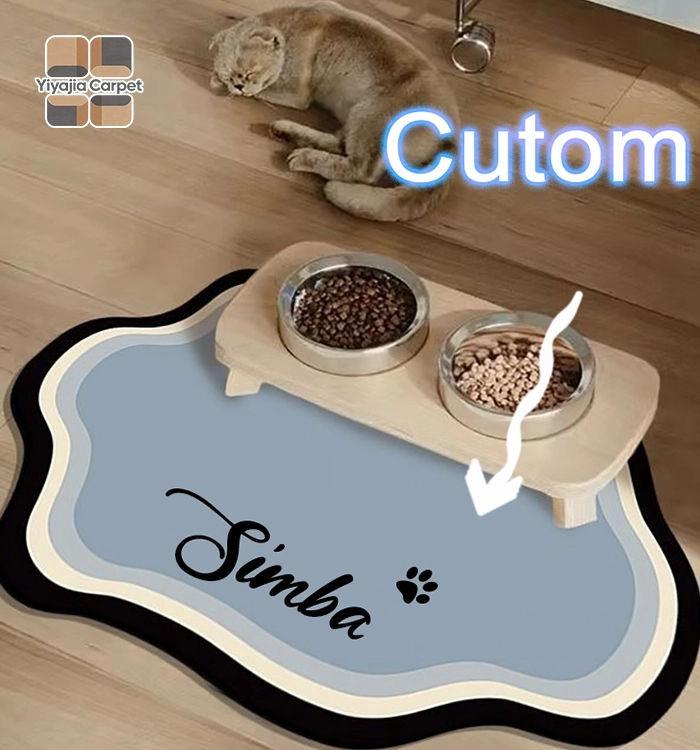
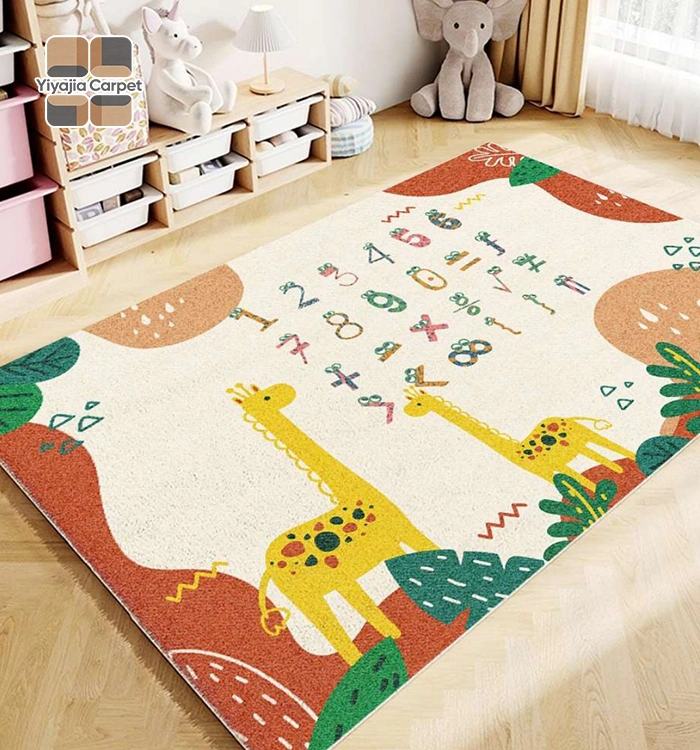
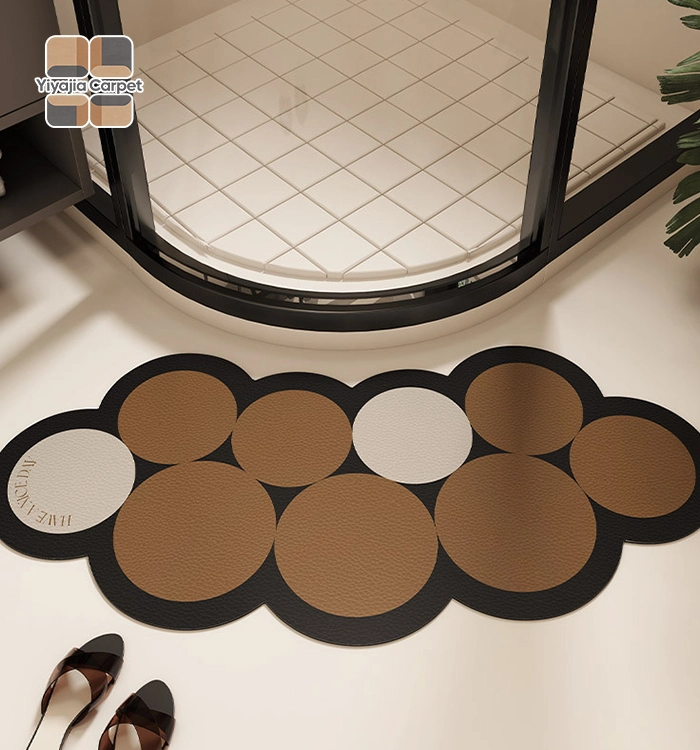
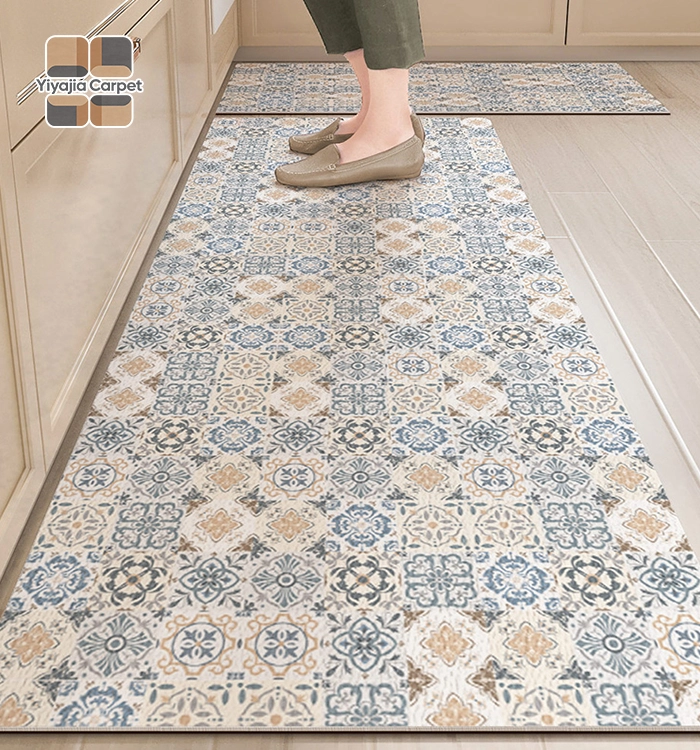
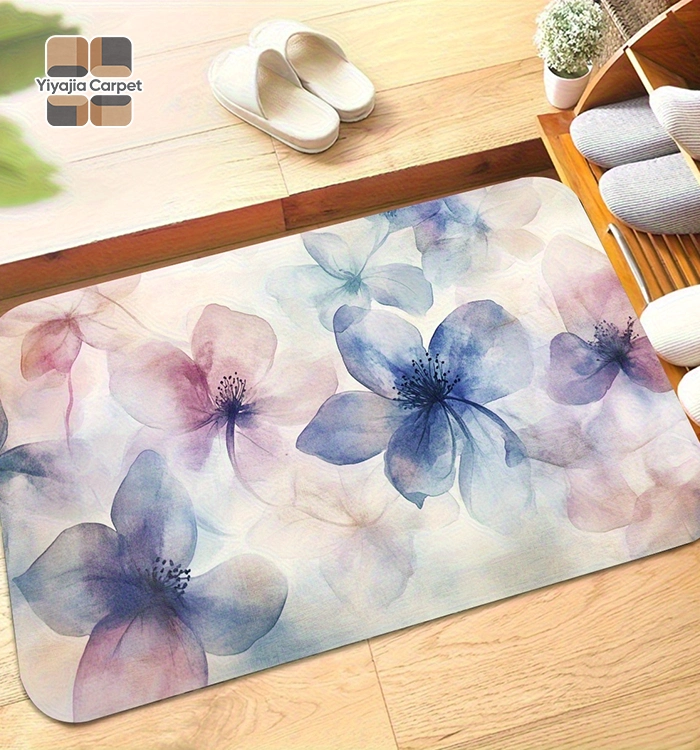
Flexible OEM and ODM services let brands stand out by letting customers choose their own sizes, image placement, and patterns. Any visual design can be used with heat transfer technology, which lets stores match their goods to seasonal trends or specific groups of customers. This ability to customize is especially useful for online stores that are making their own brands of products or for auto parts companies that are adding their own brand of floor protection to sets of car accessories.
Because application areas are so flexible, market possibilities go beyond traditional pet stores. For commercial buildings like office buildings, show halls, and construction sites, these mats keep the floors dry and prevent wetness from getting in. This ability to work across industries lets procurement managers build stronger relationships with suppliers, which makes transportation easier and gives them more bargaining power by bringing in more orders. Standard export packing choices, such as roll, carton, and woven bag formats, can be used to meet a wide range of shipping needs and market tastes at the final location.
How to Select the Right Pet Mat for Your Business Needs?
Analyzing the target market should come before defining dog food mat products. Understanding the needs of the end user—whether they are pet owners who care about looks or businesses that need heavy-duty performance—helps choose the right materials and features for dog food mats. When it comes to inventory planning and minimum order quantities for dog food mats, the difference between standard sizes that can be sold to a large audience and special sizes needed for design integration is important to keep in mind.
The review of a supplier goes beyond just looking at unit prices. It also looks at quality control procedures and certification paperwork. When manufacturers do 100% pre-shipment checking, the number of defects and the prices of returns go down by a lot. ISO 9001 approval means that quality management is organized, and CE marking means that the product meets European safety standards. These qualifications give buyers and sellers peace of mind, which is especially important for businesses that do business in more than one legal area.
Performance Specifications to Consider
Different types of products have very different waterproofing abilities. Instant soaking and quick cleaning are important for places with a lot of foot traffic, like feeding areas or outdoor entry points. The double-layer anti-slip protection, which includes a rough rubber backing and a surface treatment that makes it easier to grip, keeps pets safe in wet areas like water bowls or bathing stations.
The thickness measurements affect both how comfortable something is and how long it lasts. The 2-3 millimeter profile strikes a mix between the benefits of cushioning and functional issues like door access and the ability to work with transition strips. A weight density of 800 to 900 grams per square meter means that the material is strong and won't tear or break along the edges. This is what sets high-end goods apart from cheaper ones that bend or curl when used. Color fastness testing makes sure that printed patterns don't fade when exposed to UV light or cleaned over and over again, so they look good for as long as the product does.
Conclusion
Engineered materials, antimicrobial treatments, and the ability to keep wetness in, pet mats are clearly better than regular rugs. Businesses can benefit from standardized quality, longer service life, and the ability to customize products in ways that help them build better ties with customers and make more money. As the market for health-focused pet items grows in both the home and business sectors, purpose-built mats are a smart way to buy them. Because of their technical performance, certification compliance, and source dependability, these goods are must-haves for wholesalers, retailers, and project specifiers who work with a wide range of customers.
FAQ
What makes pet mats more hygienic than regular blankets?
The sides of pet mats are non-porous and have antimicrobial treatments that stop germs from growing. The waterproof backing stops liquid from getting through, and the quick-drying qualities get rid of the damp conditions that germs like. Regular blankets soak up water deep into the fibers, making conditions ideal for mold, mildew, and dust mite growth that lower the quality of the air inside.
Can pet mats withstand commercial-grade cleaning?
Mats of good quality with a rubber bottom and laser-cut sides stay together even after being cleaned hundreds of times. The materials can't be broken down by enzymes in pet waste, and they can also be washed gently in a machine or under high pressure. This sturdiness is very important in places like veterinary offices, kennels, and pet-friendly hotels that need to clean things often.
How do customization options benefit bulk purchasers?
With OEM and ODM services, you can make your brand stand out by choosing the right logo placement, custom size, and design for each market group. Any graphic design can be used with heat transfer technology, which lets online sellers create their own private label lines or allows companies that make car accessories to make branded product lines. When compared to generic commodity goods, this freedom helps products be positioned as special and make more money.
Partner with Yiyajia Carpet for Premium Pet Mat Solutions
Yiyajia Carpet makes second-generation diatom mud pet mats that are designed to work well in both business and domestic settings around the world. We offer unique solutions that meet CE, OEKO-TEX, ISO 9001, and REACH standards thanks to our advanced heat transfer printing and precise laser cutting technologies. Our strict quality control measures, which include a 100% pre-shipment check, make sure that our pet mats work well in markets across Europe, the United States, and the Middle East. This is true whether you are a supplier looking for stable quality or a distributor needing flexible MOQ terms.
Our export-grade packing makes it easier to load containers, and our professional paperwork help makes it easier to get through customs. You can get samples quickly (within 24 to 48 hours), which shortens the time it takes to evaluate your product. Email our team at sale@yyj-carpet.com to talk about buying in bulk, get detailed specs, or set up shipping of samples. Find out how Yiyajia Carpet's manufacturing know-how and dedication to customer service after the sale can help you compete in the growing markets for pet accessories.
References
1. Anderson, M. & Thompson, R. (2021). Material Science Applications in Pet Product Design. Journal of Animal Environmental Health, 18(3), 245-262.
2. Chen, L. (2022). Antimicrobial Surface Treatments for Commercial Flooring Solutions. International Textile Research Quarterly, 44(2), 112-128.
3. Davis, K. & Martinez, J. (2020). Comparative Hygiene Analysis of Pet Bedding Materials. Veterinary Public Health Review, 29(4), 378-395.
4. Foster, S. (2023). Supply Chain Management in Global Pet Accessory Distribution. Business Operations Journal, 37(1), 56-74.
5. Roberts, E. & Williams, P. (2021). Orthopedic Support Systems for Companion Animals. Animal Welfare Science Quarterly, 15(2), 189-206.
6. Zhang, W. & Kumar, A. (2022). Lifecycle Cost Analysis of Commercial Floor Protection Products. Facilities Management Research, 26(3), 421-438.