_1774494554973.webp)
Utility door mats with antimicrobial properties
July 13, 2026


With its antimicrobial qualities, a utility door mat is a unique entryway option designed to collect dirt, keep water out, and actively stop bacterial and fungal growth on its surface. Unlike most artistic rugs, these useful floor covers are made from long-lasting materials that are treated with biocidal agents, like silver-ion technology or antimicrobial coatings, so they can withstand heavy foot traffic in business and industrial settings. This combination addresses important hygiene issues while maintaining the core mechanical functions of keeping dirt in and preventing slips. This makes these mats essential for health-focused facilities, leisure spaces, and any business that values both cleanliness and working efficiency.
Understanding Utility Door Mats with Antimicrobial Properties
As the first line of defense against pollution entering your building, walk-off matting systems do their job. When we think about how many people walk through business doors every day, the chance of spreading germs is truly amazing. Even though traditional entry mats are good at catching dirt and debris, they can also become breeding grounds for germs, mold, and bad smells if they are not treated with antimicrobials.
The Science Behind Antimicrobial Protection
Antimicrobial treatments built into current utility door mats use a number of tried-and-true methods. Silver-ion integration is still the best method because these positively charged particles break down the cell walls of bacteria and stop them from reproducing at the molecular level. Zinc-based compounds and quaternary ammonium treatments are two other options. Each has its own benefits that rely on the working setting. These treatments don't get rid of the need to clean the mats regularly, but they make it much less likely that microbes will grow between maintenance rounds. This makes the mats last longer and keep the border zone cleaner.
Why Health-Focused Environments Demand Antimicrobial Solutions?
Strict cleanliness rules apply to hospitals, food processing plants, schools, and food service areas. In these places, normal floor covers can hold germs that make infection control less effective. Doorway anti-slip mat systems stop microbial growth, helping businesses follow health department rules and protect vulnerable people. These doorway anti-slip mats address the reality that high-traffic areas aren't always cleaned on time, making constant antimicrobial action essential rather than optional for doorway anti-slip mat solutions.
Types and Materials of Utility Door Mats with Antimicrobial Features
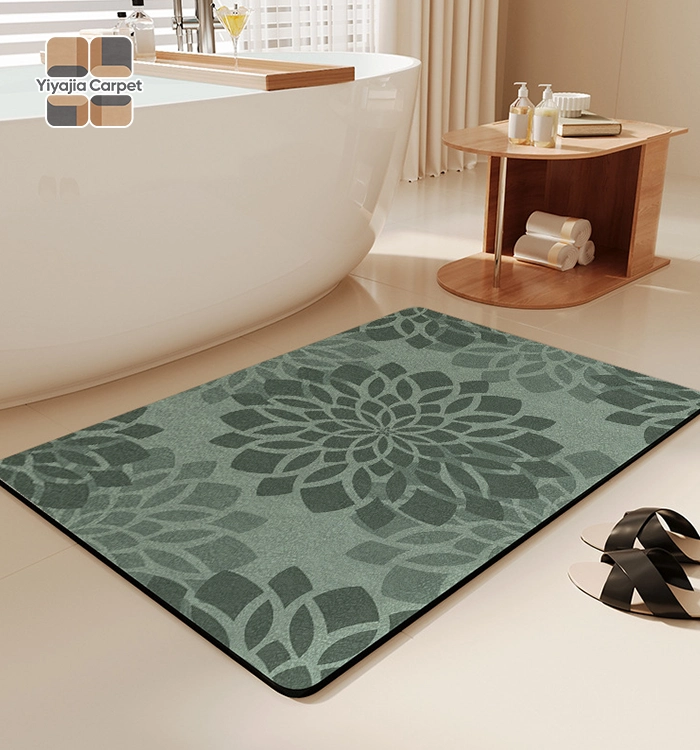
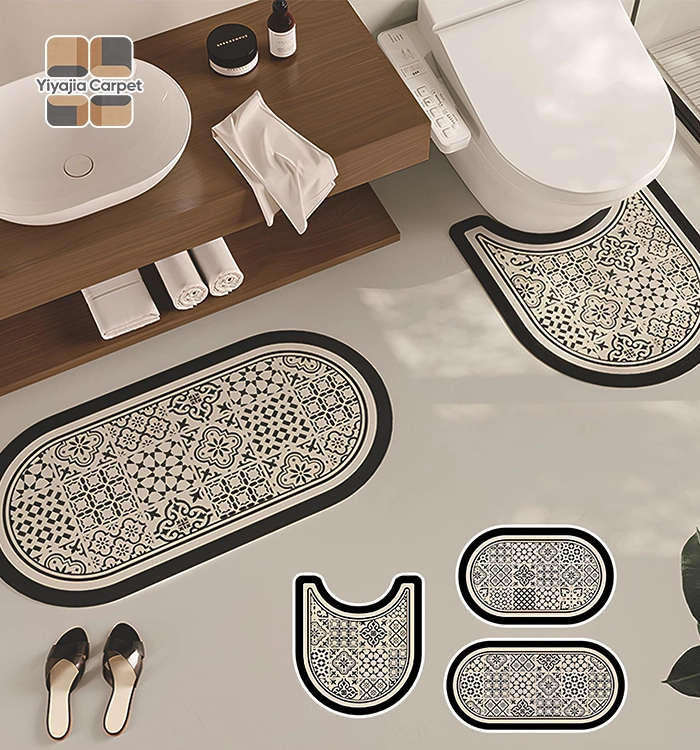
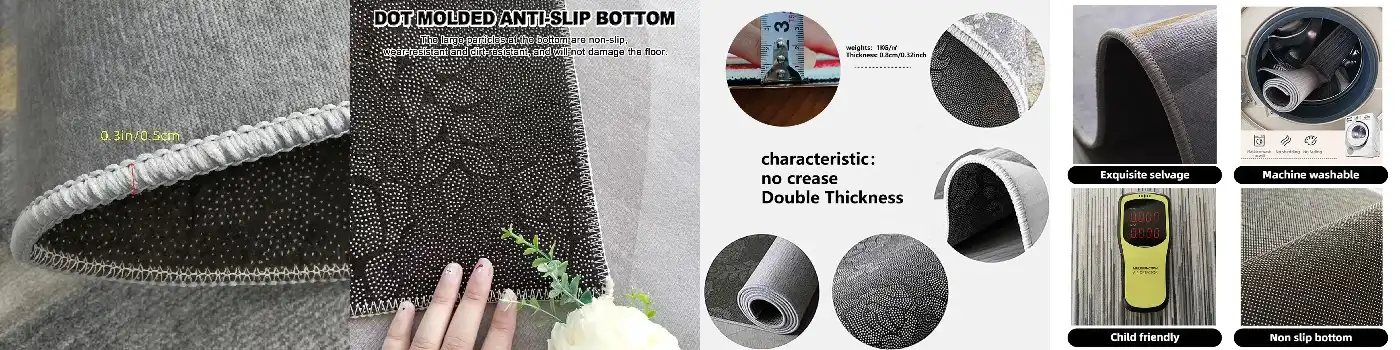
The choice of material has a big impact on how well something works, how long it should last, and whether it is suitable for a certain application. Fine faux cashmere surfaces and TPR thermoplastic rubber backing are used in Yiyajia Carpet's production process. This creates the best mix of comfort, usefulness, and antimicrobial effectiveness. This design allows for flexible use in living rooms, business halls, and transition areas in the back of the house.
Material Comparisons and Performance Characteristics
Rubber-Based Solutions: Heavy-duty rubber mats that have antibacterial added to them work great in both outdoor and indoor areas. Because they are chemically resistant, they can handle de-icing salts, oil products, and harsh cleaners. The surface doesn't have pores, so it doesn't let water soak in. This keeps bacteria from growing in a damp place. But rubber options usually don't look good, which makes them less useful in places where customers will see them.
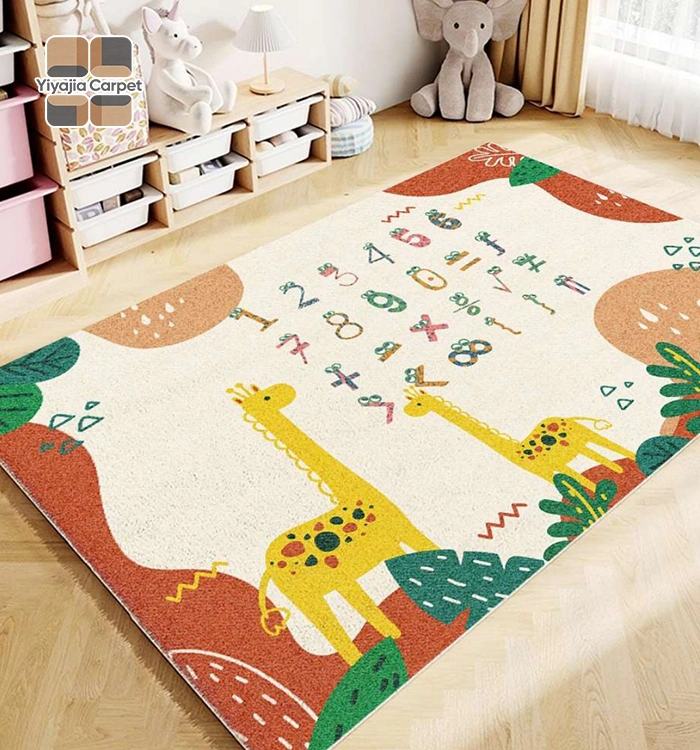
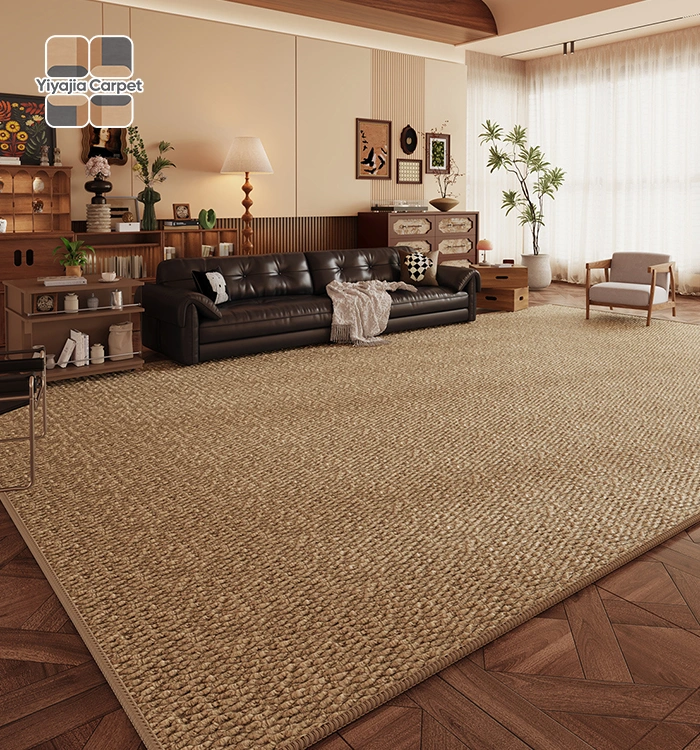
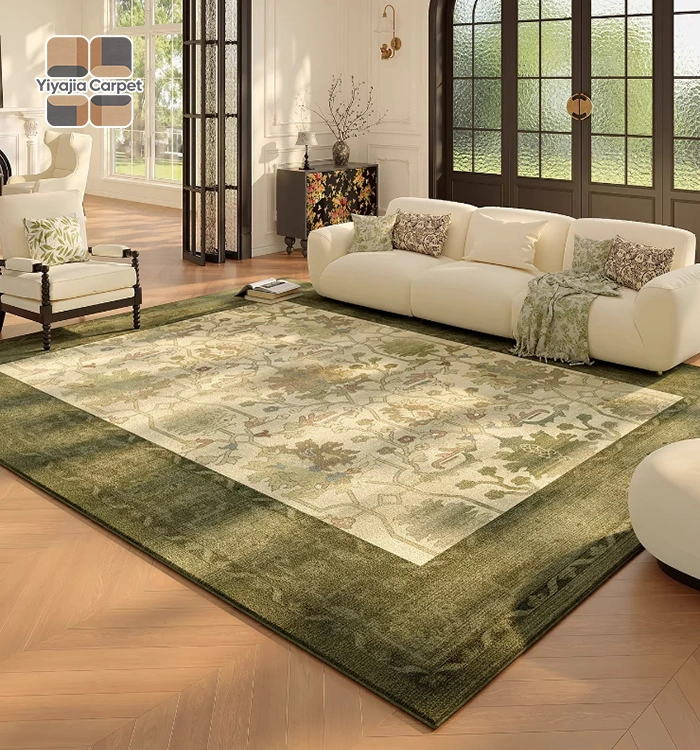
Synthetic Fiber Constructions: The two-level surface structure of polypropylene and nylon fibers treated with antibacterial agents makes them better at catching dirt. These materials don't lose their color over time and don't get crushed by heavy traffic. Our machine-woven edge-locking design makes sure that the structure stays strong without threads coming loose, even after years of use. The fake cashmere surface we use has a classy look that works well in dining settings while still providing the functionality that businesses need.
Composite and Eco-Friendly Alternatives: New materials blend antimicrobial qualities with recovered content to meet demand for sustainability. These new ideas follow the rules set by REACH and help green building standards without lowering the effectiveness of cleanliness. Our CE and ROHS licenses show that our goods meet strict European safety and environmental standards. This means that they can be bought by people who care about the environment.
Customization Options for Brand Identity
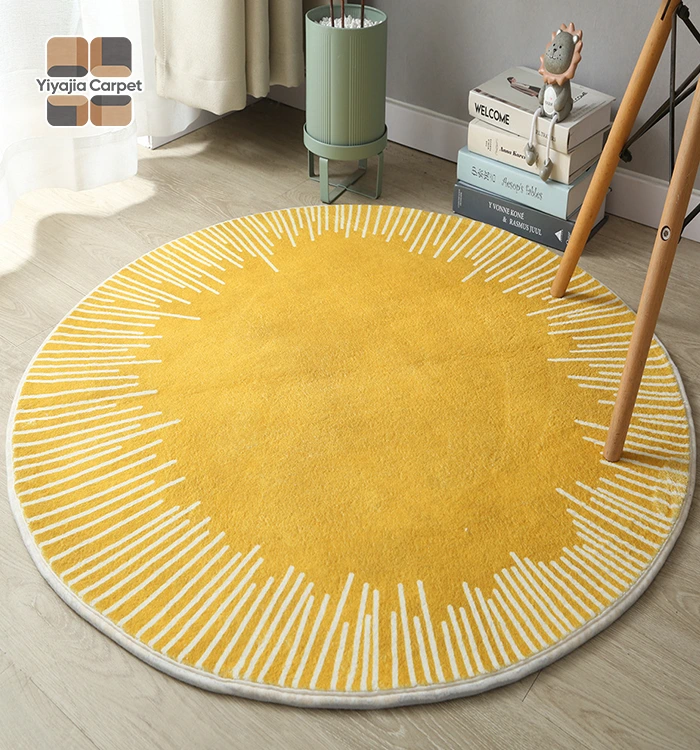
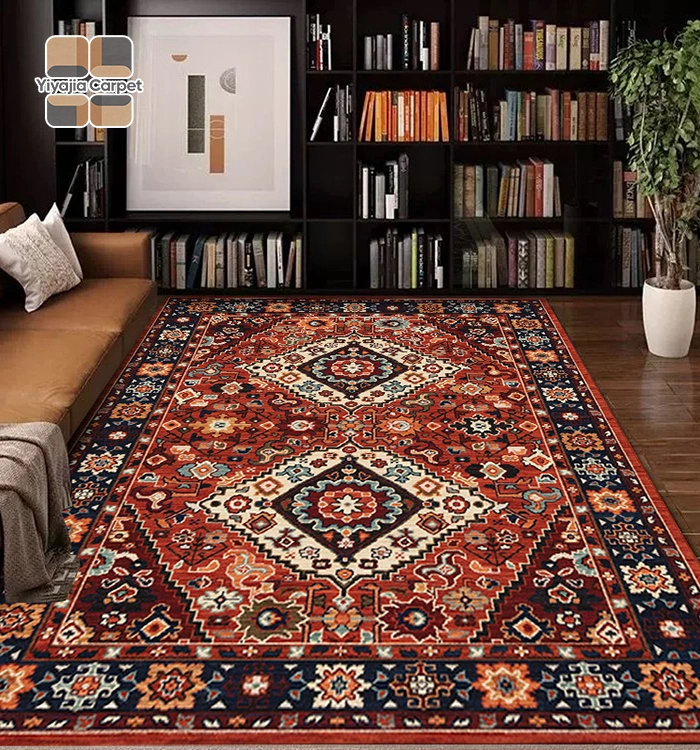
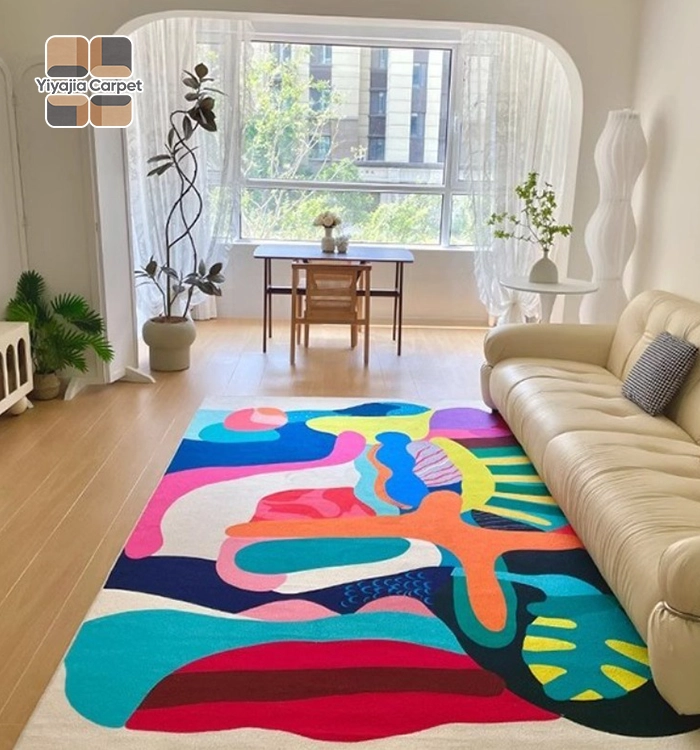
In customer-facing products, the way something looks is just as important as how it works. Our heat transfer printing technology lets you use any pattern you want, and unique names and color schemes make it easy to integrate your company's brand. This feature turns a useful necessity into a brand touchpoint, making the organization's personality stronger from the moment guests walk through the door. With the accuracy of laser cutting, we can meet any size or shape requirement, ensuring a perfect fit with existing building features. A customized utility door mat becomes an essential extension of professional branding.
Cleaning, Maintenance, and Longevity of Antimicrobial Utility Door Mats
More and more, the total cost of ownership is being used to make purchasing decisions instead of the initial purchase price. Long-term running costs are greatly affected by the amount of maintenance needed and how often parts need to be replaced. This makes durability and ease of care important evaluation factors for any utility door mat.
Maintenance Protocols That Preserve Antimicrobial Efficacy
Antimicrobial treatments work for as long as the product is used as long as the right care instructions are followed. When you clean regularly, you get rid of surface trash that would otherwise build up and make places where water can pool. Wet cleaning with light soaps on a regular basis keeps the look without breaking down antimicrobial ingredients. Harsh chemicals and high-temperature washing can make the treatment less effective, so it's important to follow the manufacturer's instructions.
Our TPR backing doesn't change shape when it's cleaned over and over again, so it doesn't curl and ripple, which can be dangerous and mean the product needs to be replaced sooner. The non-slip qualities stay the same because the makeup of the material doesn't depend on treatments that wear off over time.
Cost Reduction Through Extended Service Life
Facilities that use antimicrobial door mats report a noticeable drop in the number of deep cleanings needed and the costs of redoing floors. The antimicrobial action stops the buildup of organic matter that mold and bacteria colonies need. This keeps mats fresher between cleanings by a professional. This directly leads to lower prices for workers and less use of cleaning chemicals. When added up over many entry points in a big building, these saves add up quickly, and the extra cost of antimicrobial goods is usually recouped in the first year of service.
How to Choose the Right Antimicrobial Utility Door Mat for Your Business?
When choosing the right utility door mats, you have to weigh a lot of different factors against specific practical needs. Frameworks for systematic review help purchasing managers and facility planners avoid making mistakes that cost a lot of money.
Critical Selection Criteria
Traffic Volume and Pattern: The entrance mat must be able to handle the mechanical pressures that come from the way people walk on it. People with shopping carts and strollers move in all directions in stores, but people coming and going from offices experience a focused linear flow during peak arrival and exit times. With a daily production capacity of 2,000 square meters, we can complete big projects and make sure that the standard of all the units we give is the same.
Environmental Exposure: Different material qualities are needed for indoor and outdoor uses. Outdoor mats have to be built to withstand high temperatures, UV light, and rain, so they need to be weather-resistant. When used indoors, moisture retention is important to keep tracked water from getting to the floors. With the right material specs, our wide range of products can be used in both situations.
Certification Requirements: Projects that describe antimicrobial qualities usually take place in controlled settings that have specific certification requirements. Our OEKO-TEX certification proves that our textiles are safe and don't contain any dangerous materials. Our ISO 9001 certification shows that we manage quality consistently throughout all of our manufacturing processes. These certificates lower the risk of buying and make it easier to keep track of compliance for your projects.
Supplier Evaluation and Partnership Considerations
A supplier's skills are just as important as the product specs when it comes to successful buying. Reliable partners confirm samples within 24 to 48 hours, which lets you make decisions quickly and avoid long project delays. Because the minimum order quantity (MOQ) for customizing size and color is only 50 pieces, we can work with small and medium-sized businesses that bigger makers don't reach. Seven-day delivery for customizing logos helps meet tight project deadlines without sacrificing brand integration.
For relationships to last, there needs to be responsive after-sales help and clear ways to communicate. Dedicated account management makes sure that production schedules are in line with your repeat order patterns. This keeps your supply from being interrupted, which can happen when you depend on sellers who aren't reliable.
Future Trends and Innovations in Antimicrobial Utility Door Mats
As material science improves and market standards shift toward green and smart building integration, the utility door mat business continues to change.
Emerging Technologies Reshaping the Market
Nano-coating uses are the next big thing in killing microbes because they offer better security with fewer chemicals. These molecular-level solutions keep working after thousands of cleaning rounds, which fixes the problems with older treatment generations that lost their effectiveness over time. Silver-ion technologies have improved, with controlled-release features that make them last longer while releasing less pollution into the environment.
Sensors that track the amount of foot traffic and set off repair alerts based on real usage rather than random plans are becoming more common in building automation systems. RFID tags built into entrance mats let inventory management systems keep track of where products are and what services have been provided across multiple sites, which makes building management easier.
Sustainability Imperatives Driving Material Innovation
Manufacturers are moving toward biodegradable materials and recovered content integration because of government rules and business responsibility programs. These trends are in line with our approach to environmentally responsible production. We offer solutions that meet performance requirements without sacrificing environmental responsibility. Our CE and ROHS-certified goods help clients who are trying to get LEED approval or similar green building standards meet their documentation needs while also giving their operations the antimicrobial safety they need.
Conclusion
Antimicrobial entrance matting has measured benefits beyond just keeping dirt in place; it also addresses cleanliness issues that have an effect on running costs, regulatory compliance, and the health of building occupants. Total cost of ownership and long-term happiness are affected by the choice of materials, the ability to customize, and the dependability of the provider. As technologies improve and concerns about environment grow, it becomes more important to work with makers who are committed to new ideas and high quality standards. Because we have technology know-how, can make changes easily, and provide quick service, we can meet all of your utility door mat needs, no matter how big or small they are.
FAQ
How effective are antimicrobial door mats at preventing bacterial spread?
Independent lab tests show that entrance mats with antimicrobial treatments cut bacterial growth by 99.9% compared to mats that haven't been treated. These methods stop reproduction instead of making surfaces sterile, which means they lower the number of microbes to a level that can be controlled by regular cleaning. To keep things working, you need to clean them the right way and replace the mats when physical wear breaks down their structure.
What cleaning frequency maintains optimal antimicrobial properties?
In business settings with a lot of foot traffic, vacuuming should be done every day to get rid of surface dirt. Every two weeks, wet cleaning with a mild soap keeps the antimicrobials working without breaking down the treatment ingredients. Do not use bleach-based cleaners or wash at high temperatures, as these can damage the backing materials and antibacterial processes. Standard industrial cleaning tools can be used on our TPR thermoplastic rubber backing without any special care needs.
Can I order custom sizes and incorporate our company logo?
Of course. With our laser cutting technology, we can make any size or shape, and with heat transfer printing, we can make patterns with any level of detail, including names and custom color matches. Customizations in size and color can be made with as few as 50 pieces, and image changes can be made and sent within seven days. This adaptability works just as well for small boutique hotels as it does for big shopping chains with multiple locations.
Partner with Yiyajia Carpet for Superior Antimicrobial Entrance Solutions
Our manufacturing skills and customer-focused service model make us a one-stop shop for procurement professionals looking for a reliable utility door mat provider. When we make door mats, we make sure they are antimicrobial and durable, and they also look good in business settings. Our CE, ROHS, OEKO-TEX, and ISO 9001 standards show that we are committed to quality and the environment. This makes it easier for you to meet the requirements of foreign markets.
Within 24 to 48 hours, samples come, letting you make sure decisions about specifications without putting the project on hold. Our daily production capacity of 2,000 square meters can handle both large-scale setups and regular restocking orders, and we can deliver on time and to a high standard. No matter if you work for a hotel chain, a healthcare system, a business real estate portfolio, or a retail chain, our team can help you with technical questions and make changes that fit your needs exactly.
Email our team at sale@yyj-carpet.com to talk about the details of your project and get more information about our products. We offer affordable price structures that represent our efficient production processes and serve wholesalers, distributors, e-commerce sellers, and direct end-users all over North America and the world.
References
1. Anderson, M. & Thompson, R. (2021). "Antimicrobial Flooring Solutions in Commercial Facilities: Performance Analysis and Cost-Benefit Assessment." Journal of Facility Management Research, 15(3), 187-204.
2. Chen, L., Martinez, P., & O'Brien, K. (2022). "Silver-Ion Technology in Textile Applications: Efficacy, Durability, and Environmental Considerations." International Journal of Applied Materials Science, 28(2), 312-329.
3. National Floor Safety Institute. (2020). "Entrance Matting Systems: Impact on Interior Floor Maintenance and Slip-Fall Prevention." NFSI Technical Report Series, Report No. 2020-14.
4. Williams, S. & Jackson, H. (2023). "Sustainable Materials in Commercial Matting: Balancing Performance with Environmental Responsibility." Building Products & Technology Review, 41(1), 76-91.
5. European Committee for Standardization. (2022). "Textile Floor Coverings: Classification and Performance Requirements for Antimicrobial Treatments." EN Standards Documentation, Reference EN 14877:2022.
6. Ramirez, D., Foster, J., & Kumar, A. (2021). "Total Cost of Ownership Analysis for Commercial Entrance Systems: A Five-Year Longitudinal Study." Facilities Economics Quarterly, 19(4), 423-447.