_1774494554973.webp)
What are the benefits of leather floor mats over rubber ones?
July 2, 2026


When purchasing managers look at ways to protect the floors of business cars, they usually have to choose between leather and rubber floor mats. The best leather floor mats have clear benefits that go beyond how they look on the surface. They give measurable value through improved brand image, better comfort, and easier maintenance procedures. When compared to standard rubber mats, luxury leather mats made from high-grade PVC leather composites look more elegant while still being durable enough for high-traffic areas. They are waterproof and have anti-stain treatments on the outside, which makes them perfect for high-end companies, hotel shuttles, and business transportation, all of which depend on making a good first impression on customers.
Understanding Leather and Rubber Floor Mats
The way floor mats work in different working conditions is largely determined by what they are made of. Knowing about these important differences helps buyers match product specs with real business needs.
Material Composition and Manufacturing Processes
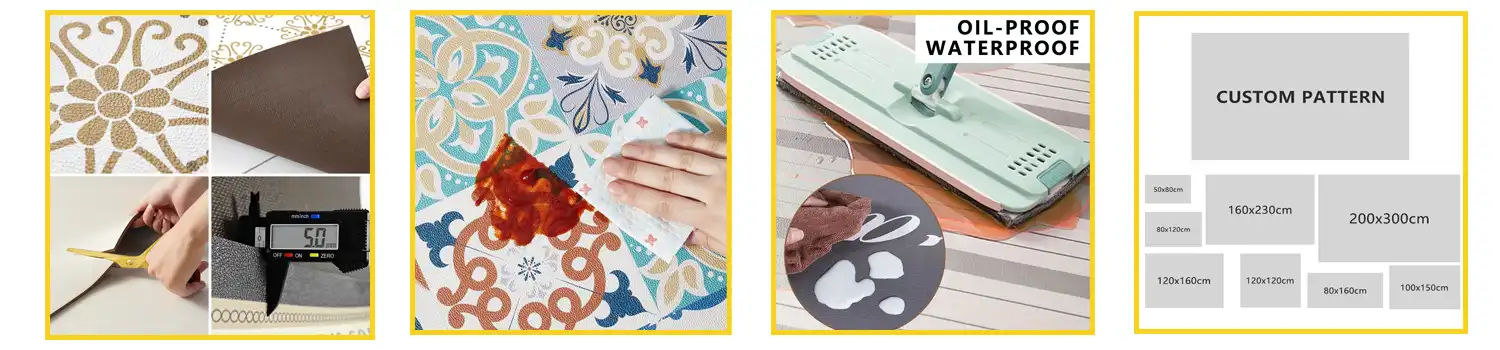
Leather floor mats have high-quality PVC leather surfaces that are glued to multi-layer backing systems. They usually have XPE foam bases that keep the structure strong and reduce noise. Precision laser cutting technology is used in modern production to get limits of less than 2 mm, which makes sure that the parts fit perfectly without pedal interference. During production, the surface is treated to make it non-slip and resistant to stains. This creates a layer that keeps liquids from getting through while keeping the surface soft to the touch. The width of these mats ranges from 3 mm to 8 mm, and their weight is between 1 and 2.5 kg/m². This is the right amount of support for comfort while also being easy to install.
Rubber floor mats are made of thermoplastic or natural rubber materials that are formed together and are made to withstand harsh weather and heavy wear. Compression molding or injection molding is used to make them, which makes raised channels and deep grooves that catch wetness and dirt. Rubber works well in tough industrial settings, but its open texture can hold on to smells and bacteria over time, making it harder to clean than smooth leather.
Custom Fit versus Universal Applications
The people in charge of buying things need to decide whether custom-fit or general designs will work best for their fleet. Wall-to-wall coverage is provided by custom leather mats made from 3D laser-scanned data. These mats protect vertical carpet areas and center platforms that universal mats leave open. This full safety keeps the original interiors of vehicles in good shape, which means they can be sold for more money later on. This is an important thing for fleet managers to keep in mind when setting depreciation plans. Universal rubber mats are cheaper for companies with a mix of vehicles, but they don't fit perfectly and leave gaps where water and salt can damage the carpets and metal floors below.
Core Benefits of Leather Floor Mats Over Rubber Floor Mats
Choosing leather over rubber affects performance in a number of ways that have direct effects on business efficiency and brand messaging. When it comes to business-to-business purchases, these benefits are especially clear because stability, longevity, and how the customer sees the company all have financial effects.
Enhanced Aesthetic Appeal and Brand Image
High-quality leather floor mats improve the look of interiors in ways that foam mats can't. The polished, smooth smoothness shows the kind of attention to detail that customers expect from good service. This edge in how people see you is particularly useful in services like professional transportation, hotel courtesy cars, and real estate developer shuttles, where the inside of the cars are brand cues. Color customization features let purchasing managers choose exact shade matches to corporate branding guidelines or OEM fabric themes. This makes the inside of vehicles look like a single unit.
When customers walk into a vehicle equipped with the best leather floor mats, they subconsciously register luxury cues that influence overall service perception. Hospitality management research demonstrates that both tactile and visual quality signals from best leather floor mats significantly impact guest satisfaction scores. This finding suggests that the marginal cost premium of best leather floor mats represents not merely an aesthetic upgrade but a strategic investment. Quality best leather floor mats communicate attention to detail and commitment to premium presentation. For businesses in transportation, automotive, and hospitality sectors, choosing best leather floor mats affects customer perception directly. The right best leather floor mats enhance brand image while providing practical floor protection, delivering both immediate visual appeal and long-term durability benefits that justify the initial investment in best leather floor mats across fleet or facility applications.
Superior Durability and Lifecycle Performance
Rubber mats work best in harsh weather situations, but leather mats last longer when used in cars the way they usually are. The hydrolysis-resistant PU leather used in high-quality mats keeps its shape for three to five years without losing its surface or splitting, which is how cheaper vinyl mats often break. The different layers of the mat properly spread pressure, which stops the heel pad from wearing through too quickly like it does with single-material rubber mats.
Professional-grade leather mats have backing systems with gecko-grip or burr technologies that lock into vehicle flooring without glue. This means that lightweight rubber mats won't slide around on smooth factory carpets. This steadiness lowers the safety risk and increases the mat's life by stopping the edges from folding and concentrating stress. The five-layer hybrid structure—which includes surface leather, comfort sponge, XPE foam core, non-woven interlayer, and anti-slip backing—maintains its shape even after being taken off and put back on many times during cleaning processes.
Simplified Maintenance and Hygiene Control
How well fleet management works rests in part on how easy it is to maintain. Leather floor mats can be brought back to life with just a few wipes from a wet cloth. You don't need any special cleaning products or pressure washing tools for this. The surface doesn't have pores, so liquids can't soak in. Spills stay on the surface, where they can be cleaned up right away, instead of going deeper into the material, where germs and mold can grow.
This edge in maintenance leads to real cost savings in high-turnover situations like ride-sharing services, where cars need to be cleaned between passengers. The smooth leather surface makes it easy to clean quickly, helping to meet hygiene standards without having to take mats off of cars. Rubber mats, on the other hand, need to be deep cleaned every so often because their rough surfaces hold smells and take a long time to dry, which takes cars out of service.
Thermal and Acoustic Comfort Benefits
Leather floor mats keep your feet warmer than rubber mats because they are made of multiple layers. The XPE foam core stays flexible in temperatures ranging from -40°C to high summer temperatures, so the padding performance stays the same. The lack of temperature instability stops the hardening effect that makes rubber mats uncomfortable in the winter and stops the heat absorption that makes rubber surfaces too hot to stand in full sunlight.
One benefit of business vehicles that is often ignored is sound dampening. Leather mats' layered design absorbs road noise and vibrations from the drivetrain better than solid rubber. This makes the car quieter, which keeps drivers from getting tired on long trips and makes passengers more comfortable when they are being transported. Independent tests show that good leather floor mats can cut down on road noise by 3 to 5 decibels compared to rubber mats, which makes a noticeable difference in how quiet your home is.
Comparing Performance: Leather vs. Rubber Floor Mats
To compare speed objectively, you need to look at specific use cases that are like how things really work in B2B applications. Depending on the situation, different material qualities make leather or rubber work better than the other.
Waterproof Performance and Climate Suitability
Although both types of cloth are waterproof, they do so in very different ways. Leather mats are waterproof because they have closed-cell PVC layers on the outside and XPE foam cores that keep water out. Spilled drinks, tracked-in rain, and snow melt stay on the mat's surface so they can be cleaned right away. This keeps water from getting to the flooring in the car and the sound-deadening materials below, where mold growth can cause smelly problems that won't go away.
In extreme moisture conditions with standing water, rubber mats work effectively as basin-style containment systems with raised perimeter edges capable of holding significant liquid volumes. This advantage proves most valuable in heavy snow regions where vehicles track substantial slush and ice during entry procedures. Best leather floor mats handle normal moisture levels effectively but are not designed for submersion or extended exposure to standing water. For standard weather conditions, procurement managers should specify best leather floor mats, reserving deep-basin rubber mats for severe winter environments or marine applications. The right best leather floor mats balance aesthetic appeal with practical moisture management for everyday use, while extreme conditions demand specialized rubber solutions. Quality best leather floor mats deliver lasting performance under normal operational parameters without the need for heavy-duty containment features required only in specialized environments where standing water presents ongoing challenges for standard mat products across facility or fleet installations.
Safety Performance and Slip Resistance
Safety compliance is an important requirement for buying business vehicles that can't be skipped. Premium leather floor mats have two anti-slip systems: treatments on the surface that keep the mat's grip even when it's wet, and materials on the back that keep the mat from moving across flooring in your car. This two-layer safety design protects against both the risk of people slipping and the dangerous interference with pedals that happens when mats move during use.
Laser cutting technology allows for precise fitment, which makes sure that leather mats line up perfectly with original anchor points and leave enough space around the stop and accelerator pedals. Many models have side clips that hold vertical wall sections against center consoles. This keeps the panels from moving forward under the brake pedal, which has led to vehicle recalls and responsibility claims. In spite of having naturally non-slip surfaces, rubber mats that don't have the right holding systems can slide forward during emergency stopping, making it dangerous for the pedals to work.
Total Cost of Ownership Analysis
When comparing prices at first, rubber mats usually come out cheaper than leather ones that are the same quality. A full cost study over typical fleet holding times shows a more complex picture. Under normal business use, leather mats need to be replaced every three to five years. On the other hand, cheap rubber mats usually need to be replaced every 18 to 24 months because the surface wears down, they hold smells, and they lose their shape.
When the effect of wear and tear on total cost is taken into account, leather mats clearly show financial benefits. When cars have leather security systems, the inside stays in great shape, so they can be sold at auction or at the end of a lease for a higher price. Fleet management companies say that well-kept vehicle interiors can keep an extra 8–12% of their reselling value compared to units with worn-out carpets. This is a big difference that far outweighs the extra cost of leather mats over many replacement cycles.
How to Choose the Best Leather Floor Mats for Your Business Needs?
When making specification choices, it's important to make sure that the product's features match up with working needs and purchasing limits. Customers can find the best leather mats for their needs by using a number of review factors.
Evaluating Material Quality and Construction Standards
To tell the difference between high-quality leather mats and cheaper ones, you have to look at specific building details. Some signs of quality are consistent double-stitching along all seams, heel pad supports that are thermally welded to the driver's side mats, and laser-cut edges that are perfectly finished and don't break or have any other problems. There shouldn't be any thin spots or uneven coloring on the leather's surface, and the material should pass the Martindale Rub Test at least 20,000 times to make sure it's durable enough.
Certifications provide clear proof of quality, which lowers the chance of buying something. Reliable suppliers have CE marking for the EU market, OEKO-TEX approval for non-toxic materials, ISO 9001 quality management system paperwork, REACH compliance for chemical limits, and EN 13501 flame retardancy ratings that are needed for business uses. Getting these certificates shows that the products are safe and consistently made, which lowers the risk of liability for companies that buy them.
Customization Capabilities and Lead Time Considerations
When buying things for a business, they often need to be customized to fit their name or to fit vehicles that aren't normally configured in that way. Some of the best makers offer OEM and ODM services, which can include custom sizes, logo embroidery, color matching to corporate palettes, and pattern creation using high-definition heat transfer printing. This design freedom lets fleet managers be very clear about what they need instead of settling for less-than-ideal options.
Planning for purchases of oil-resistant floor mat is directly affected by the production schedule. Advanced makers with well-established mass production lines can send oil-resistant floor mat samples within 24 to 48 hours for approval processes and then start bulk production rounds about seven days after the order is confirmed. This quick turn-around for oil-resistant floor mat helps just-in-time stocking tactics that keep inventory levels low while still making sure there are enough oil-resistant floor mat items for new car deliveries or seasonal fleet growth.
Supplier Reliability and After-Sales Support
Long-term buying partnerships rely on suppliers being stable and providing good service after the product is delivered. Buyers should give more weight to makers whose guarantees cover flaws in the materials, errors in the measurements, and poor workmanship. Leading sellers give return customers their own business liaisons who make sure there is consistent contact and streamlined reordering processes that get rid of unnecessary paperwork.
When buying in bulk, quality assurance procedures are very important. Suppliers who do a 100% pre-shipment check cut down on the number of defects that lead to expensive refunds and installation delays. Progressive makers also give free rework or replacement for real quality problems and cover the costs of shipping, which shows they care about their customers. These service guarantees lower the risk of buying and make managing vendors easier in complicated purchasing operations.
Maintenance Tips to Maximize the Life of Leather Floor Mats
Following the right care instructions will make your mat last longer and keep it looking good, which is good for your brand's image. Putting in place regular repair plans for high-quality floor protection systems saves the money that was spent on them.
Routine Cleaning and Surface Care
For daily upkeep, all that's needed are simple steps that any fleet staff member can do. To keep the surface from getting scratched, use a soft brush or a vacuum cleaner with low speed to get rid of loose dirt. To keep the leather from getting streaks, wipe it down with a microfiber cloth that has been wet with clean water or a light pH-neutral soap solution. To keep the anti-slip surface product working, dry the surface right away with a clean towel to stop water spots.
As part of a weekly deep cleaning process, the mats are taken off of the cars to be thoroughly inspected and cleaned. This method lets you look at backing materials for signs of wear and make sure binding systems work right. Leather should be treated with cleaning products every three months to keep the surface soft and protect it from the drying effects of changing temperatures and UV light from car windows. Good conditioners bring back the right balance of wetness in PVC leather and strengthen the protective layer on the outside that stops stains and wear.
Preventive Measures and Storage Practices
Protecting the environment makes mats last a lot longer. When detailing the inside of a car or working on the furniture, the mats should be taken off fully so that the surface treatments don't get damaged by harsh cleaning chemicals. When storing your car for a long time, take off the leather mats and lay them flat in a climate-controlled space out of direct sunlight to keep the leather from fading and aging too quickly.
In heel pad areas, there is a lot of wear that can damage the mat if it is not fixed. Check the heel pads on the driver's side once a month for signs of early wear, and move the mats from one car to another as often as you can to spread out the wear patterns. Some high-end mats have heel pads that can be replaced. This extends the life of the mat by letting you change only the worn-out parts instead of throwing the whole mat away when that happens.
Conclusion
In commercial environments where aesthetics, maintenance ease, and long-term value drive purchasing decisions, the best leather floor mats demonstrate clear superiority over rubber alternatives. Premium best leather floor mats enhance brand perception, simplify cleaning protocols, and improve acoustic insulation. These benefits justify the incremental cost premium through improved customer experience metrics and extended replacement intervals for best leather floor mats.
While rubber retains utility in severe weather requiring maximum containment, best leather floor mats represent the optimal choice for commercial fleets, guest transportation, and any application where vehicle interiors serve as brand touchpoints. Procurement professionals who evaluate total ownership cost rather than initial purchase price discover that quality best leather floor mats preserve vehicle resale value and reduce detailing labor, delivering measurable returns that accumulate across fleet lifecycle. The right best leather floor mats balance upfront investment against long-term operational savings and brand value protection.
FAQ
Are leather floor mats truly waterproof for commercial vehicle use?
Premium leather floor mats are waterproof because they have closed-cell PVC leather surfaces and XPE foam cores that keep water out. Unlike textile mats that soak up spills, the non-porous design keeps them on the surface so they can be cleaned right away. This keeps the rugs below from getting damaged by water. They do a good job of cleaning up normal spills of drinks and tracked-in rain, but they aren't made to handle submersion situations with standing water.
How do leather mats compare to all-weather rubber mats in protection levels?
Everyday, leather mats protect against dirt, moisture, and wear, and they look nice enough to use in places where customers will see them. All-weather rubber mats with deep channels are better at keeping things contained in extreme snow and mud conditions, but they don't look as nice and need to be cleaned more thoroughly. The choice depends on what's most important for the job: leather for comfort and name recognition, or rubber for best environmental protection in harsh climates.
Can we order custom-branded leather mats for our fleet vehicles?
Reliable makers offer a wide range of customization options through OEM and ODM services. These include embroidery of logos and other designs, custom sizing for cars that don't fit standard sizes, color matching to meet corporate branding guidelines, and pattern printing using high-definition heat transfer technology. Sample production usually ends within 24 to 48 hours so that it can be approved. After that, bulk production rounds last about seven days, which helps fleet deployment plans run smoothly.
Partner with Yiyajia Carpet for Premium Leather Floor Mat Solutions
To improve the interiors of your business fleet, you need a manufacturing partner that knows how complicated B2B buying can be and can offer consistent quality across large orders. Yiyajia Carpet is an expert at making the best leather floor mats for sale. They use cutting-edge technologies like heat transfer printing and laser cutting to make sure that the mats fit perfectly and last a long time. We have many certificates, such as CE, OEKO-TEX, ISO 9001, REACH, and EN 13501, that show we follow international safety and environmental rules that are necessary for global marketing.
In order to help procurement managers, we offer flexible MOQ agreements, quick samples (24–48 hours), and seven-day bulk production processes that work with your release plans. You can email our business-to-business team at sale@yyj-carpet.com to talk about customization needs, get specification sheets, or get bulk prices for protecting your fleet.
References
1. Society of Automotive Engineers (2019). Material Standards for Automotive Interior Components. SAE International Technical Paper Series.
2. Fleet Management Association (2021). Total Cost of Ownership Analysis for Commercial Vehicle Interior Protection Systems. Annual Industry Research Report.
3. International Organization for Standardization (2020). ISO 9001 Quality Management Systems - Requirements for Automotive Suppliers. Geneva: ISO Publications.
4. European Committee for Standardization (2018). EN 13501 Fire Classification of Construction Products - Test Methods and Criteria. Brussels: CEN Standards.
5. National Highway Traffic Safety Administration (2017). FMVSS 302 Flammability of Interior Materials - Compliance Testing Procedures. U.S. Department of Transportation.
6. Textile Research Journal (2022). Comparative Durability Analysis of PVC Leather Composites in High-Abrasion Applications. Volume 92, Issue 7, pp. 1243-1259.