_1774494554973.webp)
Utility door mats that withstand extreme weather conditions
September 14, 2026


When commercial facilities face relentless rain, snow, scorching heat, or freezing temperatures, choosing the right utility door mat becomes more than a purchasing decision—it's a strategic investment in safety and operational efficiency. A high-performance entrance matting system acts as the primary barrier between harsh outdoor elements and your interior spaces, preventing up to 80% of incoming moisture and debris from causing damage, liability risks, or maintenance headaches.
Modern utility door mats engineered specifically for extreme weather conditions deliver superior soil containment, moisture retention, and slip prevention—critical performance benchmarks that directly impact your bottom line through reduced janitorial costs, extended flooring lifespan, and minimized accident claims.
Understanding Utility Door Mats and Their Role in Harsh Environments
Industrial and business buildings in places where the weather changes often need entrance mats that can stand up to constant contact to water, temperature changes, UV rays, and large loads of contaminants. Unlike cosmetic mats that are only meant to look nice, professional-grade door systems focus on mechanically removing dirt and managing water. How to use utility door mats and what they do in dirty places is critical for operational success.
The Function of High-Performance Entrance Matting
Weather-resistant mats protect your building in more than one way. They remove wet dirt and debris, keep water below the walking surface, and keep your footing even when it's wet. Good door mat systems lower the number of times you have to clean your floors because they catch dirt before it spreads throughout the building. This keeps shiny floors safe from rough particles that wear them down faster.
Challenges Posed by Extreme Weather Exposure
The harsh climate tests every part of the mat's construction. When backing materials aren't made well, freeze-thaw cycles make them crack and curl. Long-term UV exposure breaks down weak synthetic fibers, causing colors to fade and structures to fall apart. Heavy rain or snow that tracks through mats can bring in large amounts of water that are too much for mats that can't hold it. This can cause slip dangers and water damage risks. Deicers and salt break down backing compounds, and mud builds up in badly made goods and blocks drainage pathways.
Economic Impact on Facility Operations
Putting money into weatherproof matting pays off in a big way. When proper walk-off systems stop dirt from moving, facilities say their maintenance costs go down by 30 to 40 percent. According to data from the insurance industry, slip-and-fall accidents that cost an average of $50,000 per claim go down a lot when entrances have high-traction solutions. When rough soil particles are caught at entry points instead of grinding into expensive finishes, the cost of replacing interior flooring goes down.
Core Materials and Types of Utility Door Mats for Extreme Weather
The choice of material has a direct effect on how well utility door mats work in harsh conditions. Procurement experts can match goods to specific operational needs by knowing the technical properties of different choices.
Rubber Backing Systems
Nitrile rubber is the standard in the business world for heavy-duty uses. This backing material doesn't get damaged by chemicals, oil products, or temperature changes from -40°F to 180°F. Nitrile stays flexible and stable in shape through freeze-thaw cycles, while regular vinyl or PVC materials become hard in cold weather. For moderate weather exposure, SBR rubber is a cheaper alternative to nitrile, but it doesn't last as long or be as resistant to chemicals.
Synthetic Fiber Technologies
Polypropylene fibers that have been solution-dyed are very valuable because they don't smear easily and dry quickly. The process of coloring embeds pigment into the fiber instead of just covering the outside. This keeps the color from fading even when exposed to strong UV light. It is better that nylon 6.6 fibers don't get crushed, so they can keep scraping well even when there is a lot of traffic. These high-denier materials snap back when they are compressed, which makes them last a lot longer than regular fibers.
Advanced Material Innovation: TPR Thermoplastic Rubber
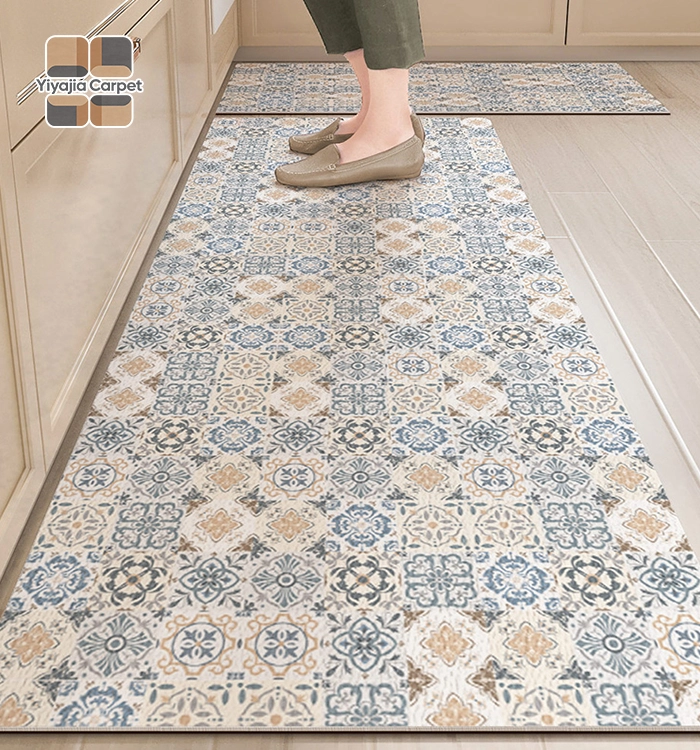
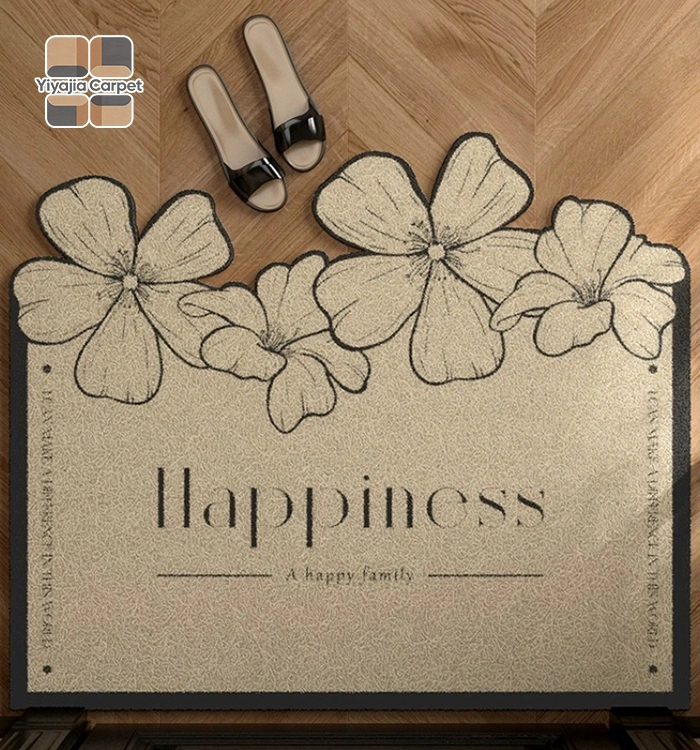
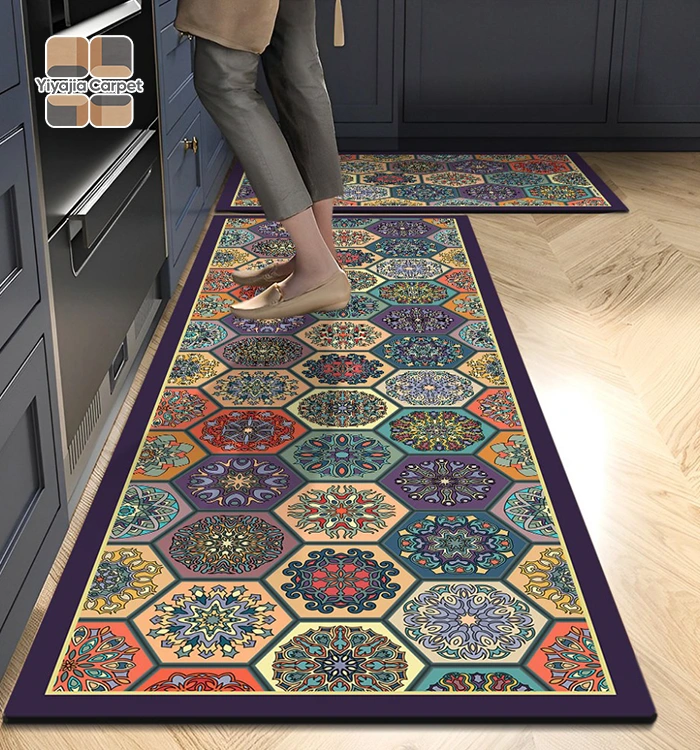
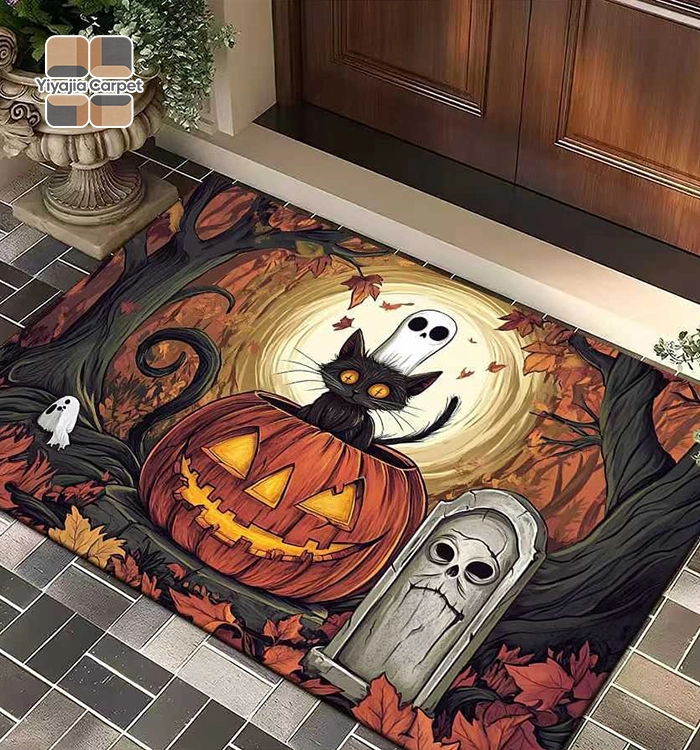
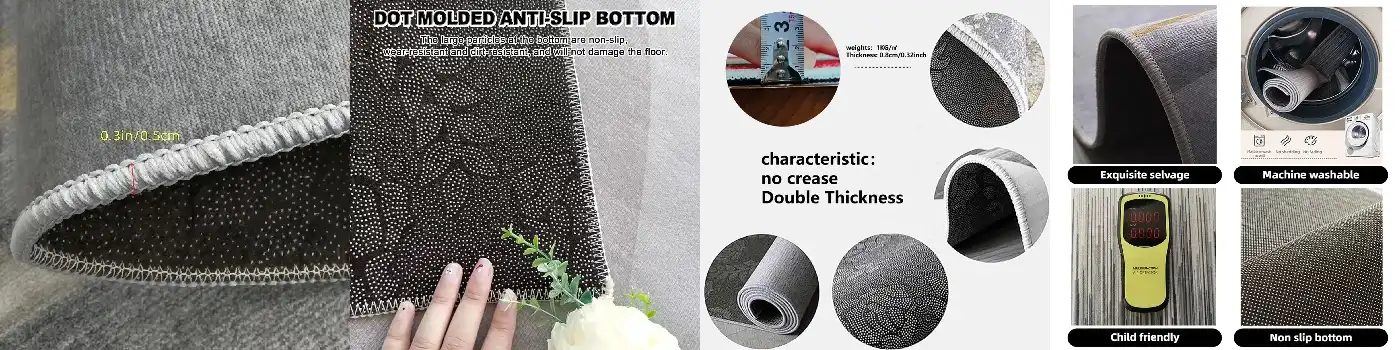
The entrance matting systems made by Yiyajia Carpet use TPR thermoplastic rubber backing technology. This type of rubber has the strength of vulcanized rubber and is easier to work with. This substance stays sticky on wet surfaces and doesn't break down like regular rubber products do. The thin layer of fake cashmere on top is soft and good at absorbing moisture, making it a good choice for any weather, from hot and humid summer days to freezing winter storms.
Functional Mat Categories
The rough surface patterns of scraper mats are meant to get heavy dirt off of shoes. Their raised patterns make channels that trap soil below the walking surface, keeping it from getting dirty again. Mats that absorb water are made of thick fibers that can hold a lot of water—premium models can hold up to 1.5 gallons per square yard. Combination scraper-dryer systems can do two things at once: they remove debris and control moisture all in one installation.
How to Choose the Best Utility Door Mat for Extreme Weather Conditions
For strategic procurement to work, you need to carefully compare the unique needs of your building with the product specifications that are offered. This decision framework helps buying managers find the best utility door mat options that meet both performance needs and price limits.
Assessing Operational Context
Analysis of traffic flow is the basis for choosing the right mat. Commercial openings with more than 1,000 daily passes need commercial-grade face weights of 24 to 36 oz/sq yd to keep the structure strong. Think about the types of people who will be using the space. For example, industrial facilities where workers wear aggressive-tread boots need stronger construction than office spaces. Write down what the weather is like in your area. For example, do you have long wet seasons, a lot of snow, or big changes in temperature?
Critical Selection Parameters
How long a mat lasts under stress depends on how resilient the material is. CE and ROHS approvals show that goods meet safety standards for the environment, so people who live or work in a building don't have to worry about toxic materials. Dimensions are important. For best dirt capture, experts in entry mats suggest 12 to 15 feet of walk-off distance. Thickness affects both performance and ADA compliance. Beveled edges keep the scraping depth while preventing trip hazards.
Ease of cleaning is directly related to how easy something is to clean. Edge-locking on machine-woven fabrics keeps them from coming apart during extraction cleaning or pressure washing. Antimicrobial treatments stop mold growth in regularly damp places, which protects home air quality and extends the useful life of things.
Customization Advantages for B2B Procurement
Distributors, contractors, and building managers with various places can save a lot of money by buying in bulk. The flexible production options at Yiyajia Carpet allow for customizing size, color, and logo, and the minimum order number for different sizes is only 50 pieces. With this low threshold, mid-sized businesses can now get branded entrance options that used to require huge order numbers. With heat transfer printing, any pattern can be copied with great accuracy, and with precision laser cutting, odd shapes can be used in difficult architectural layouts.
Performance Validation Through Testing
Manufacturers with a good reputation back up their claims with success data. Check to see if the friction coefficient testing shows that it meets NFSI high-traction standards. Tuft bind strength measures (ASTM D1335) show how well fibers stay in place during rough cleaning. Ratings for flammability that meet DOC-FF-1-70 requirements make sure that building codes are followed. These technical certifications keep buyers safe from the inconsistent quality that often comes with commodity mats.
Maintenance Tips to Extend the Life of Your Utility Door Mats in Extreme Weather
Proactive care practices get the most out of investments in utility door mats while keeping them working at their best for as long as possible. Maintenance needs depend on the type of material and how much it is exposed to the surroundings.
Daily and Weekly Cleaning Protocols
Regularly removing soil stops particles from building up, which makes scraping less effective. In high-traffic areas, vacuum commercial-grade mats every day using tools with beater bars to remove debris from fiber pathways that is imbedded in the mats. Deep cleaning once a week with hot water extraction gets rid of oils and salts that have built up over time and can't be removed by vacuuming alone. TPR rubber-backed mats can handle moderately high pressure washing, but too much pressure may damage the backing over time.
Seasonal Maintenance Considerations
Getting rid of salt and chemical deicers needs more attention in the winter because these chemicals break down materials faster when they build up. After snow events, rinse mats well to get rid of any acidic leftovers. In the summer, UV light and heat fade less durable dyes, but solution-dyed fibers don't fade. One way to even out exposure is to move mats between areas that get a lot of sun and those that get a lot of shade.
Inspection and Replacement Indicators
Set up checks every three months to find wear patterns early, before they become a threat to safety or performance. Check the backing materials for cracks, curls, or separation from the fiber layer. Problems with delamination mean that they need to be replaced soon. Crushed pile that doesn't bounce back after being walked on stops being useful for cleaning. When beveled edges are worn down or rippled, they become trip hazards that need to be fixed right away. When properly cared for, professional-grade mats should last between 3 and 5 years, but extreme conditions may shorten this time frame.
Bulk Procurement and Customization: Optimizing Your Supply Chain for Utility Door Mats
Wholesalers, importers, and large facility operators who want consistent quality and supply chain reliability can get a competitive edge by buying in bulk and being able to customize utility door mats.
Economic Benefits of Volume Ordering
By making manufacturing more efficient and improving logistics, buying in bulk lowers the cost per unit. Distributors that work with retail networks can increase their profit margins while keeping prices low. Standardized specs across a real estate developer's assets make it easier to handle repair schedules and replacement inventory for buildings that they are building. Container load optimization, which is the specialty of makers with a lot of experience, raises the density of shipments and lowers the cost of freight per square meter.
Custom Branding and Corporate Identity
Adding a logo to functional entrance mats turns them into touchpoints that reinforce a brand. The way the entrances of hotels, business offices, and shopping chains are designed makes a good first impact on customers. Traditional tufting methods can't make complicated drawings, gradients, and multicolored designs look as good as heat transfer printing technology.
With laser cutting, you can get exact measurements that fit your building's requirements, so there are no gaps or overlaps that happen with standard sizes. Yiyajia Carpet can make 2,000 square meters of carpet every day, so big orders can be filled quickly. Our seven-day logo customization timeline lets you stick to tight project deadlines without sacrificing quality.
Supplier Evaluation Criteria
When looking for reliable manufacturing partners, you need to look at more than just unit price. Check for ISO 9001 certification, which shows that the quality management process is systematic rather than inconsistent from batch to batch. With OEKO-TEX approval, you can be sure that textiles are safe for sensitive areas like schools and hospitals. Check to see what kinds of paperwork they can provide.
Professional providers offer a wide range of export paperwork, such as business invoices, packing lists, and certificates of origin that make customs clearing faster. Reliable delivery guards against project delays that cost a lot of money. Well-known manufacturers keep their production schedules clear and ship on the dates they say they will, or face penalties. After-sales support is just as important.
Conclusion
When choosing the right entrance mats for bad weather, you have to weigh the technical performance requirements against operational needs and budget limits. Weather-resistant materials, such as TPR rubber backing and solution-dyed synthetic fibers, make things last longer in harsh environments while still meeting safety standards. Hallway mat selection, in particular, benefits from the same durability principles, as these high-traffic indoor-outdoor transition zones demand extra slip resistance and fast-drying surfaces.
When B2B buyers combine tactics for buying in bulk with the ability to customize utility door mats, they can save money without losing quality. Following the right upkeep steps will make a product last longer, which will increase its value. Partnering with certified makers that offer quick output, flexible minimums, and full support guarantees the supply chain stability that small and medium-sized businesses need more and more in today's competitive markets.
FAQ
What is the best method for removing heavy salt and mud buildup from winter weather?
Rubber-backed mats can get rid of caked-on salt and mud by washing them with mild pressure (1200 to 1500 PSI). After dissolving the salt, rinse well with clean water to get rid of any leftover salt that would otherwise crystallize again and keep breaking down. Avoid putting too much pressure on the backing, which could make it less sticky. TPR (thermoplastic rubber) structures can handle this rough cleaning better than vinyl ones.
Which material performs best in freezing climates?
Nitrile rubber backing doesn't crack or become brittle after being frozen and thawed many times. It stays flexible and stable in its shape. The top layer should be made of solution-dyed nylon or polypropylene fibers, since these synthetics don't absorb water that would freeze inside the mat. It is similar to Yiyajia Carpet's TPR backing in how well it handles cold weather, but it is easier to work with.
Can I order custom-sized mats with our company logo for bulk projects?
Of course. Modern heat transfer printing can copy complex logos and multicolor branding correctly, and laser cutting can be used to make any shape or size. The minimum order quantity has gone down a lot. Customization is now possible for 50 pieces, whereas it used to be thousands of pieces were needed. This ease of access is good for mid-market buyers who work with area transportation networks or who are in charge of facilities in more than one place.
Partner with a Trusted Utility Door Mat Manufacturer for Your Next Project
Yiyajia Carpet makes weatherproof utility door mats that are designed to meet the needs of difficult B2B uses in bulk distribution, industrial building, buying for hotels, and retail stores. Our CE and ROHS-approved products have a TPR thermoplastic rubber backing and fine faux cashmere surfaces. This makes entrance systems that work reliably in everything from blazing desert heat to freezing arctic conditions. With a daily production capacity of up to 2,000 square meters, we can quickly complete large orders while keeping the quality standards that long-term relationships need. Our open customization program lets you add your brand and change the size of the items starting at just 50 pieces, which is a huge advantage for medium-sized businesses.
Export documentation teams and established freight partnerships make sure that customs clearance goes smoothly and that delivery times are always known ahead of time. Email our team at sale@yyj-carpet.com to get samples, talk about the weather problems you're having, or get bulk discounts on carpet for future projects. Visit yyj-carpet.com to see all of our entrance mats that are made to last in harsh conditions.
References
1. National Floor Safety Institute. (2021). Walkway Safety and Slip Resistance Testing Standards. NFSI Technical Report Series.
2. Building Owners and Managers Association International. (2020). Preventative Maintenance Protocols for Commercial Entrance Systems. BOMA Facility Management Guidelines.
3. American Society for Testing and Materials. (2019). ASTM D1335: Standard Test Method for Tuft Bind of Pile Floor Coverings. ASTM International Standards.
4. International Facility Management Association. (2022). Cost-Benefit Analysis of Walk-Off Matting Systems in Commercial Buildings. IFMA Research Report.
5. Textile Research Journal. (2021). Performance Characteristics of Synthetic Fiber Constructions Under Environmental Stress. Volume 91, Issue 7-8.
6. Insurance Information Institute. (2020). Slip-and-Fall Incident Costs and Prevention Strategies for Commercial Properties. III Claims Analysis Report.