_1774494554973.webp)
Tips to enhance your home & hallways using Runner Rugs?
September 14, 2026


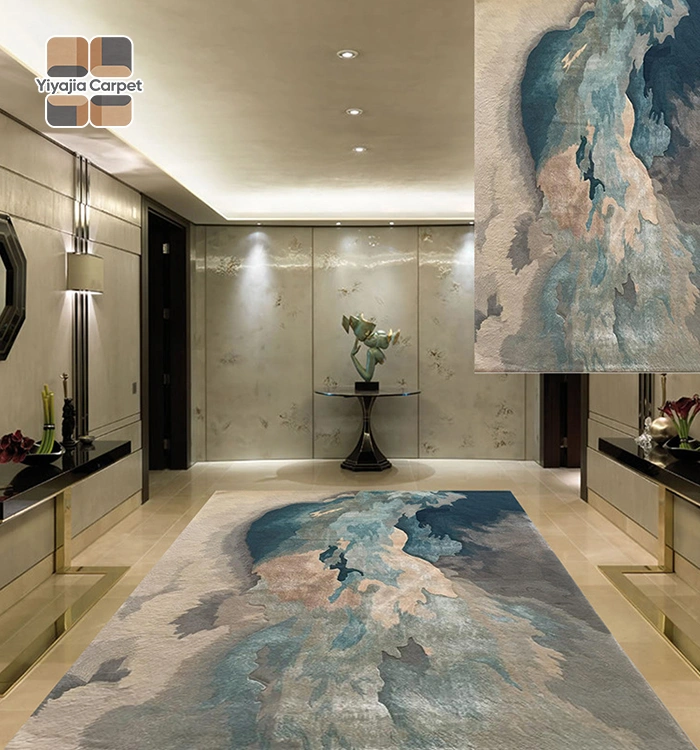
Transforming hallways from overlooked transitional zones into intentional design elements starts with selecting the right floor covering. A long corridor carpet or runner rug redefines these narrow spaces by combining practical benefits like noise dampening and slip resistance with visual warmth that softens architectural lines. When properly specified, these textile solutions address high-traffic wear patterns while introducing color, texture, and spatial definition that guide movement and enhance property value across residential, hospitality, and commercial environments.


Understanding Long Corridor Carpets and Runner Rugs
Defining the Difference Between Corridor Carpets and Runner Rugs
Long corridor carpets are usually stuck down wall-to-wall using adhesives. This gives the area a smooth look that works well in hotel halls, office traffic paths, and institutional pathways. Runner rugs, on the other hand, can be left loose or attached with non-permanent anchors, making them more flexible for home settings where style changes happen more often. Both types stop the tunnel effect that happens in long rooms by breaking up the visual uniformity with well-placed patterns and different colors.
Functional Benefits That Drive Procurement Decisions
The acoustic output is the most important thing to think about. Impact sound is less likely to travel through textile floor covers because they soak up noise from footsteps that echoes through hard-surfaced hallways. Modern corridor runners have a TPR thermoplastic rubber backing that adds extra cushioning and keeps the runners' shape even when the temperature changes, which is common in commercial buildings.
Safety features are more than just nice to look at. Anti-slip backing technologies keep things from moving under your feet. This is especially important in hospitality settings where luggage carts and service trolleys create lateral forces. Fine faux cashmere surfaces with rubberized undersides meet slip resistance standards without giving up the soft feel that makes the experience better for people who are sitting on them.
Eco-Friendly Materials Meeting Corporate Sustainability Goals
Modern corridor fabrics don't contain any dangerous chemicals, as confirmed by CE and ROHS licenses. This means they are safe for places where vulnerable people live, like senior living communities and pediatric facilities. Edge-locking technology and machine-woven construction stop threads from releasing, which lowers airborne particles that harm indoor air quality over the lifespan of the product.
Environmental duty now affects how buying work is done. More and more, buyers want proof that goods meet material health standards. This is especially true when they are choosing products for LEED-certified buildings or projects that want to get WELL Building certification. Off-gassing worries that cause delays in occupancy plans can be eliminated with odorless, ready-to-install goods.
Debunking Durability Misconceptions
People aren't sure how long textiles will last because they have old ideas about how much maintenance they need. Modern textiles made for commercial use in corridors are very durable when the density and pile construction match the amount of traffic. Solution-dyed fibers don't fade in UV light and keep their color even after being cleaned many times, so you don't have to worry about their appearance wearing down too quickly.
How to Choose the Perfect Long Corridor Carpet or Runner Rug for Your Project
Assessing Traffic Patterns and Environmental Conditions
The first step in making purchases is to figure out how many people walk on the item every day and where the wear is most noticeable. Hotel hallways near elevator banks have to handle more weight than private halls, so they need to meet higher density standards. The backing materials needed for climate-controlled rooms inside need to be different from those needed for rooms that get wet.
In healthcare and hospitality settings, rolling load considerations are very important. Lightweight home runners can't handle the mechanical stress that comes from wheelchair traffic, cleaning tools, and carrying bags. Choosing goods with reinforced backing systems keeps them from breaking too soon and increases the time between replacements. For a long corridor carpet, this durability requirement becomes even more critical, as the extended surface area amplifies wear from constant traffic and makes reinforced construction essential for maintaining both safety and appearance over time.
Material Selection Balancing Performance and Budget
Because synthetic fibers have known performance traits and are easy to afford, they are good for projects where buying in bulk is important. With faux cashmere surfaces, you can get the luxury look of natural materials while also making them more stain-resistant and easier to clean. The surface pattern hides dirt that builds up between maintenance rounds, which makes wear less noticeable in areas that get a lot of use.
The choice of backing material has a direct effect on how it is installed and how much it costs over its lifetime. TPR thermoplastic rubber bottoms stick firmly to different types of subfloors without needing extra padding layers. This makes fitting easier and saves money on materials. This way of building also makes it easier to repair only the damaged sections when they happen in specific places.
Custom Versus Pre-Made Solutions
Pre-made hallway runners in standard sizes work well for projects with simple plans and short deadlines. These ready-made options make pattern matching easier and cut down on lead times for procurement, which makes them appealing to buyers who are in charge of multiple installations at the same time across property portfolios.
Customization services help people with special space needs that standard products can't meet. With heat transfer printing technology, there are an infinite number of pattern variations. This lets brands be integrated by placing logos or matching colors to existing interior palettes. With laser cutting, you can make forms that aren't straight and can fit around building features like columns or doorway changes. For size and color customizing, the minimum order quantity starts at 50 pieces. This means that even medium-sized projects can get unique solutions without having to pay too much.
Installation Tips and Best Practices for Long Corridor Carpets and Runner Rugs
Preparation Steps Ensuring Successful Outcomes
Accurately measuring the path stops material shortages that slow down the end of the project. Not only should straight measurements be recorded, but so should changes in width, the locations of doors, and the places where elevations change. These details help set cutting times and keep waste to a minimum during installation.
An review of the subfloor's state shows what needs to be fixed before the cloth installation can begin. Uneven surfaces send signals through thin runners, making them more likely to trip and speeding up wear in certain areas. Testing for moisture makes sure that concrete blocks have dried out enough, which stops the glue bond from failing and mold growth under materials that don't let water through.
Selecting Installation Methods and Anti-Slip Solutions
Professional repair teams bring special tools and understanding of how to use them that make the product work better. With double-stick methods, the padding and carpet are anchored separately. This spreads the stress across the assembly and stops it from ripping when it's loaded on rollers. This method works well for long-term installations in business areas where consistency in appearance is important.
Residential runners that are laid loosely do better when anchors are placed strategically using non-permanent fixing systems. Silicone-based grippers keep things in place without hurting the floors below, so they can be taken down for deep cleaning or temporarily moved around while a house is being staged.
Post-Installation Inspection Criteria
Quality checks done right after installation find problems that need to be fixed while the contractors are still on site. Aligning the seams is important, especially for printed items where copies that don't match up can break up the flow of the design, and the long corridor carpet demands extra attention because any misalignment becomes more obvious over extended distances. Straight edges along walls and doors show that the stress is being spread out evenly, and a smooth surface shows that there are no gaps in the adhesive that could cause soft spots.
Maintenance Strategies to Maximize Longevity and Appearance
Daily and Weekly Cleaning Protocols
High-filtration cleaning gets rid of rough soil particles that cut fibers at the base and cause traffic lanes to mat up too soon. Tracked-in debris can't move deeper into buildings if the entrances to corridors are cleaned every day. Picking the right tools is important; beater bars that work for home carpets can damage commercial loop piles, so you need tools that only use suction instead.
Spot treatment methods clean up spills before they become lasting stains. Eco-friendly encapsulation cleaners get rid of dirt without leaving behind sticky leftovers that make dirt stick to new surfaces. This method increases the time between deep cleaning sessions, which lowers the cost of labor and keeps facilities running smoothly when they are filled.
Preventive Measures and Seasonal Adaptations
Strategies for managing traffic spread wear across the whole width of the carpet instead of focusing it in the middle paths. Placement of furniture, decorative planters, or changing the flow of traffic during renovations can all make products last longer. Entrance matting systems catch water and dirt before they let people into the corridor, and they are the main defense against soil getting in.
Changes in the weather that affect maintenance needs are taken into account by seasonal adjustments. During the heating season, static electricity can cause problems that make it necessary to clean more often. When it's wet outside, soil tracks more easily, so door mats need to be made thicker and spot cleaning needs to be done more often.
Professional Maintenance Scheduling
Deep cleaning once a year with hot water extraction or encapsulation ways gets rid of deep-down dirt that regular brushing can't reach. These actions fix the way things look and get rid of allergens that build up in cloth structures. Professional services also look at the overall state and mark the areas that need to be fixed or re-stretched before small problems become so bad that they need to be replaced.
Repair actions protect the value of an investment. It is much cheaper to fix damaged areas, re-glue lifting edges, and power stretch to get rid of wrinkles than to replace things too soon. Setting up repair contracts with qualified service providers helps property management teams plan their budgets and make sure that care quality stays the same.
Top Market Options and Procurement Insights for B2B Buyers
Evaluating Manufacturer Capabilities and Certifications
Quality management system certifications, such as ISO 9001, show that a supplier is reliable. These certifications show that the supplier controls the production process so that the product specs are always the same. This consistency is very important for phased projects where batches of carpet must match exactly, even if they were bought at different times of the year.
Environmental and safety clearances, such as OEKO-TEX, REACH compliance, and flame retardancy scores that meet EN 1350 standards, are what different markets need to get their products approved by the government, and for a long corridor carpet, these certifications are especially critical because fire safety and chemical limits are rigorously scrutinized in high-traffic public spaces. Suppliers who keep their certifications up to date speed up the procurement process by cutting down on delays caused by compliance checks.
Comparing Value Propositions Across Price Tiers
When choosing something on a budget, functional performance is more important than aesthetic complexity. These items work well in the back of the house or for short-term setups that will be replaced soon. Most warranties last between one and three years, which is how long the product is expected to last under certain conditions.
Premium options come with advanced fiber technologies, the ability to make complicated patterns, and warranties that last up to ten years longer. Higher initial investment leads to cheaper lifecycle costs as replacement intervals grow and upkeep needs drop. Performance guarantees that cover stain resistance and appearance retention lower the risk for buyers who put products in places where they will be seen by a lot of people.
Logistical Considerations and Bulk Purchasing Benefits
Optimizing containers cuts shipping costs by a large amount per unit. Suppliers who offer skilled export packing that is resistant to harm, moisture, and pressure keep goods safe while they are being shipped across international borders. Accurate estimates for loading make the best use of containers, which lowers freight costs that affect landing costs.
Order fulfillment dependability is closely linked to production capacity. Large projects can be handled by facilities that can produce 2000 square meters of space every day, without having to wait for long lead times that make installation schedules tight. Foldable packaging works well for shipments that include more than one container, and carton packaging keeps goods safe when they are being stored in multiple places and then sent to different customers.
Conclusion
By adding the right kind of runner rugs to halls and corridors, you can turn them from just useful passageways into well-designed areas that add to the overall appeal of your home. The best way to buy something is to find a mix between how it looks and how well it works, taking into account things like traffic volume, the surroundings, and the ability to maintain it.
Corridor long runner rugs, in particular, offer a seamless visual flow that elongates narrow spaces while providing durable foot coverage. Modern production technologies make customization possible with low minimums, which means that mid-sized buyers can get solutions that were only available through large-volume contracts in the past. Suppliers who can support long-term partnerships can be told apart from transactional vendors by quality certifications and reliable logistics.
FAQ
What defines a long corridor carpet versus a standard runner rug?
Long corridor carpets are usually put up wall-to-wall using permanent adhesive methods. They are made for high-traffic commercial settings with extra density and backing systems. Runner rugs can be laid loosely or with removable anchoring. They are best for homes where flexibility and easy replacement are more important than permanent installation.
Which materials perform best in high-traffic corridor environments?
In commercial settings, synthetic fibers like solution-dyed nylon and faux cashmere last longer and don't stain as easily as natural materials. The TPR thermoplastic rubber backing keeps its shape and doesn't slip, which is important for safety. These mixtures of materials can handle rolling loads from tools and keep their look even after a lot of use.
Do eco-friendly corridor carpets sacrifice durability for environmental benefits?
Modern eco-certified products meet the same performance standards as regular ones, but they don't contain any harmful chemicals. The CE and ROHS certifications prove that the product is safe without lowering its wear resistance. The machine-woven edge-locking design keeps the fabric from shedding and tearing, so it will last a long time. When corridor fabrics are properly designed, they are both good for the environment and last a long time.
Partner with a Trusted Long Corridor Carpet Manufacturer
Yiyajia Carpet specializes in providing reliable corridor textile options that are suited to the needs of businesses in the hospitality, industrial, and governmental sectors. We can make things by combining high-definition heat transfer printing with precise laser cutting. This lets us make patterns and sizes that are exactly what the project needs. Our daily production capacity of 2000 square meters guarantees a steady supply for large-scale installs, and our 50-piece minimum order number makes customization possible for projects of a medium size.
As part of our quality assurance procedures, we do a full review of every item before sending it out. If for any reason the standards are not met, we will either rework or replace the item for free. Our CE, ROHS, and ISO 9001 certifications show that we meet international standards, which makes the regulatory approval process easier for you. Professional export packing and long-term transportation partnerships give you control over lead times and help you get the most out of your containers, which lowers your costs per unit.
Email our purchasing team at sale@yyj-carpet.com to talk about your unique hallway carpet needs, ask for samples, or get price quotes for buying in bulk. You can look through our full product list and find out how our production skills can help you reach your sourcing goals by visiting yyj-carpet.com.
References
1. Anderson, K. (2021). Commercial Flooring Selection: Performance Criteria for High-Traffic Environments. Interior Design Standards Quarterly, 45(3), 112-128.
2. Chen, M., & Roberts, D. (2022). Acoustic Performance of Textile Floor Coverings in Institutional Settings. Building Acoustics Journal, 29(2), 87-103.
3. Harrison, P. (2020). Lifecycle Cost Analysis of Corridor Flooring Systems in Hospitality Applications. Facilities Management Review, 38(4), 201-219.
4. Mitchell, S. (2023). Sustainable Material Selection in Commercial Interior Design: Environmental Certifications and Performance Standards. Green Building Quarterly, 17(1), 56-74.
5. Thompson, L., & Wu, J. (2022). Installation Best Practices for Long-Format Carpet Systems. Flooring Contractors Technical Manual, 12(2), 34-51.
6. Williams, R. (2021). Maintenance Strategies Extending Textile Flooring Lifespan in Commercial Corridors. Property Management Insights, 33(3), 145-162.