_1774494554973.webp)
Utility door mats that trap moisture effectively
August 3, 2026


Controlling moisture at entryways becomes a very important operational issue for people who are in charge of commercial or residential buildings. A utility door mat is the first line of defence against water getting in, dirt building up and the safety risks that come with wet floors. Specialised surface materials and advanced backing systems work together in these engineered floor covers to catch and hold wetness before it spreads throughout your building. Unlike colourful rugs, these mats are technical solutions that deal with slip-and-fall hazards, floor damage inside, and higher upkeep costs. We've worked with procurement managers in a number of different industries, and they all agree that high-performance moisture-trapping mats cut down on cleaning costs and greatly increase the life of interior flooring.
Understanding Utility Door Mats and Their Moisture-Trapping Function
Putting any floor covering at the doorway is not the same as the engineering that goes into making entrance mats that keep moisture out. These specialised products are made up of several different parts that all work together to keep water out in a planned way.
How Moisture-Trapping Technology Works
Modern entrance mats are built with two levels, one for collecting dirt and the other for people to walk on. The rough surfaces on the top face scrape away debris from shoes, and the channels in the bottom face trap moisture and dirt below shoe level. Using this architectural method keeps dirt from sticking to other guests' shoes, so it works even when there is a lot of foot traffic. According to research, walk-off mat systems that are the right size can catch between 80% and 90% of the trash that comes in within the first six to fifteen feet.
Material Selection and Performance Characteristics
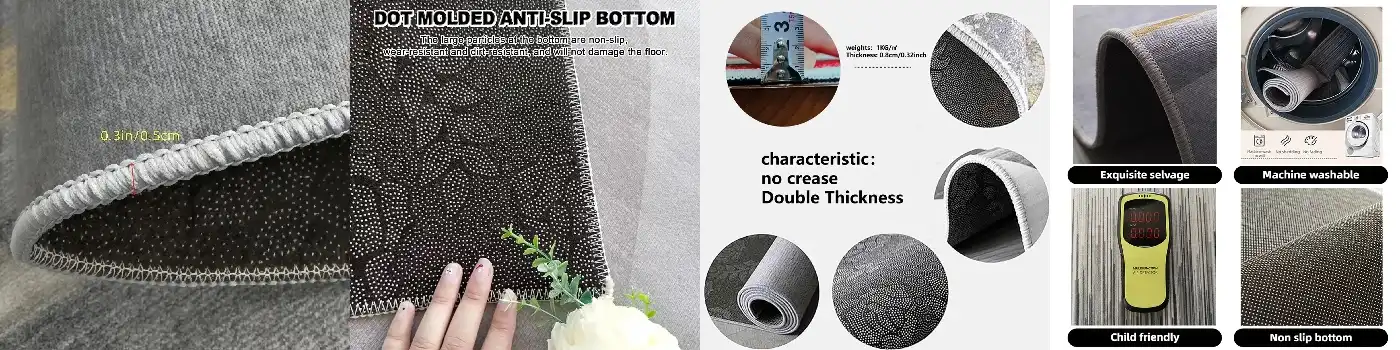
Different types of substrates have different performance profiles that work best in different settings. The thermoplastic rubber (TPR) backing gives great grip on smooth surfaces and stays flexible at different temperatures. This material doesn't crack or curl like cheaper covering materials do when they are exposed to chemicals or freeze-thaw cycles. Surface materials like fine fake cashmere are very good at absorbing water while still looking good, making them good for places that people will see. The mix strikes a balance between how well it works and how it looks, which makes both facility managers and design professionals happy.
Critical Design Features for Maximum Effectiveness
Beyond the composition of the material, the ability to retain moisture is also affected by a number of structural factors. Border dams are set up in ways that create control zones that hold the water they collect and stop it from overflowing during rush hours. Edge beveling meets ADA standards and gets rid of trip hazards, so there are no worries about liability without affecting the ability to manage water. The machine-woven design with edge locking keeps the fabric from fraying and keeps its shape even after many cleaning cycles, which increases its useful life and protects your purchase investment.
Performance and Durability: Why Modern Materials Lead the Market
More and more, purchasing decisions are based on advanced synthetic materials instead of natural fibres because they perform better in harsh commercial settings.
Comparing Material Performance Metrics
Because of how well it works, TPR thermoplastic rubber backing for a utility door mat has become the standard in industry. When it comes to oils, greases, and cleaning chemicals, this material is more resistant than regular vinyl or PVC alternative. When petroleum products are used in independent testing or samples are exposed to huge changes in temperature, TPR keeps its structure, but other materials become weak and break. The ability to withstand constant foot traffic directly translates to lifetime cost benefits that make up for the slightly higher initial purchase costs.
Real-World Durability in Commercial Settings
We've teamed up with hotel chains and business property managers who say that good utility door matting systems can handle a lot of foot traffic for three to five years. These installations handle thousands of entries every day in all kinds of weather and still keep their moisture-capturing abilities. One of the key performance indicators is keeping an eye on the pile's crush resistance, or its ability to spring back after being compressed. Higher-quality goods use synthetic fibres with a high density that keep their shape, so they can continue to scrape and trap effectively for a long time.
Cost-Benefit Analysis for Procurement Professionals
When you buy high-quality moisture control options, you get measurable returns in a number of ways. Lower rates of slip-and-fall accidents mean lower insurance rates and no more expensive lawsuits. A longer lifespan for interior flooring means that it doesn't needs to be replaced as often, which saves money on capital costs and ongoing labour costs. When you look at the total cost of ownership instead of just the purchase price, better entrance matting systems always give you a return on your investment within the first year of use.
Maintenance Protocols to Maximize Moisture Control and Longevity
Even the most advanced utility door mat systems need to be maintained in the right way so they keep working for as long as they were made to.
Daily and Weekly Cleaning Procedures
Regularly cleaning or mechanically sweeping up dirt is the first step in routine upkeep. This stops the buildup of particles that make it harder for the material to absorb water over time. As part of the weekly routine, spots should be cleaned with pH-neutral detergents that get rid of deep-down dirt without harming the backing or surface fibres. The machine-woven design and reinforced backing can handle harsh cleaning methods, so facility teams can keep up with hygiene standards without letting the product wear out too quickly.
Seasonal Deep Cleaning and Inspection
Deep cleaning every three months with hot water extraction or pressure washing gets rid of embedded contaminants and returns the fabric's full ability to trap wetness. These meetings give you a chance to look closely and find areas with worn edges, separated backing, or crushed piles that need your attention. Taking care of small problems before they get worse stops functionality from declining and extends the time between replacements. The materials that are CE/ROHS certified can handle commercial laundering processes. This means that the way they are maintained can be changed depending on the facility's capabilities and operating schedules.
Recognizing Replacement Indicators
Knowing when mats have reached the end of their useful life keeps them safe and keeps their performance from dropping. One of the main signs is a crushed pile that doesn't spring back, which means it's not cleaning well enough. Border wrinkling makes it easy to trip and shows that the backing material is failing. If the smell doesn't go away after being cleaned well, it means that microbes are growing inside the mat, which is bad for the air quality inside. Setting replacement criteria in the buying specs makes sure that building standards are always met and stops people from having to make hasty purchases in an emergency.
Buying Guide: Choosing the Optimal Solution for Your Procurement Needs
When choosing the right entrance mats, you have to weigh a lot of technical factors against operational needs and budget limits.
Assessing Operational Requirements
The amount of traffic determines basic size choices for an Entrance mat, as the right mat length is essential for efficiency. As a general rule, commercial entrances with a lot of foot traffic should have at least fifteen feet of coverage. This gives the material enough time to absorb moisture. The environment affects the choice of materials. For example, outdoor installations that will be exposed to direct weather need strong backing and UV-resistant surface fibres, while indoor applications put more emphasis on looks as well as performance. By knowing these operational parameters, procurement research can be focused on the right types of products.
Customization Capabilities and MOQ Considerations
Modern manufacturing technologies allow for a lot of customisation without having to buy a huge minimum quantity. Any pattern can be printed with heat transfer printing, so brands or wayfinding elements can be added to useful floor coverings. Laser cutting can handle entrances with odd shapes, and it gets rid of holes where water can get around mat systems. We can change the size and colour of your order with as little as fifty pieces, so small and medium-sized businesses can get unique options. Customising a logo can be done in seven days, which helps with quick project release plans.
Evaluating Supplier Capabilities
Aside from product specifications, choosing the right supplier has a big effect on the success of procurement. The reliability of delivery depends on how much the factory can make. Our factory makes 2,000 square meters of material every day, so it's always available for bulk orders and repeat purchases. Protocols for quality assurance, such as full-process QC and strengthened backing inspection, lower the number of defects and get rid of the need for expensive returns. Compliance standards like CE, ROHS, and OEKO-TEX give the proof needed for government approval in many markets, which speeds up the process of buying things across borders.
Packaging and Logistics Optimization
Export-grade packaging keeps goods safe while they're being shipped internationally and makes the best use of container space. Expert packaging teams figure out the best ways to load items into containers so that they take up as little space as possible and cost as little to transport as possible per unit. Freight forwarders with whom you've done business before can guarantee that both full container loads and less-than-container-load packages will arrive on time. Full documentation help, including customs declarations, speeds up the clearance process and cuts down on port delays that cause problems with project schedules and client relationships.
Conclusion
For moisture management at facility entrances with a utility door mat to work well, they need engineered solutions that use high-tech materials, smart design, and strong partnerships with suppliers. Quality entrance matting systems provide measured value by lowering upkeep costs, increasing the life of internal floors, and lowering the risk of liability. When choosing options for their working environments, procurement experts should know about technical specs, maintenance needs, and the supplier's abilities. The TPR backing, moisture-trapping surface design, and machine-woven construction make for long-lasting products that work the same way after years of heavy use, protecting your building investment and keeping people safe.
FAQ
Q1: What makes entrance mats more effective than traditional doormats at trapping moisture?
A: Specialised entrance mats are made with two levels that separate areas for walking from areas that store moisture. Traditional utility door mats collect water right where people walk, where it sticks to their shoes again. Engineered systems move water into lower reservoirs, which keeps the scraping surfaces usable during times of high traffic. Newer backing materials, like TPR, are better at keeping water out than regular rubber, so moisture doesn't get to the floor below the mat.
Q2: How often should commercial entrance mats be cleaned to maintain optimal performance?
A: Daily vacuuming gets rid of dirt on the surface, and once a week, spot cleaning gets rid of dirt that is deeper down. Full absorption capacity is restored every three months by deep cleaning with extraction or pressure washing. Installations that get a lot of use may need to be fixed more often, especially when it's raining. Setting cleaning schedules based on visual inspection and performance monitoring is the best way to improve maintenance efficiency without putting in too much work.
Q3: Are environmentally friendly options available without sacrificing moisture retention?
A: High-performance entry mats that meet strict environmental standards are made in modern factories. OEKO-TEX certification makes sure that textile parts don't contain any harmful chemicals, and ROHS compliance limits the use of dangerous materials. With these certifications, you can be sure that the products you buy will stay safe in sensitive places like schools and hospitals. Environmental duty and useful performance no longer have to be chosen between each other because new materials can do both at the same time.
Partner with Yiyajia Carpet for Your Utility Door Mat Requirements
Yiyajia Carpet manufactures high-performance entrance matting solutions that address the moisture management challenges facing procurement professionals worldwide. Our utility door mat source can make up to 2,000 square meters of mats every day, so we can reliably meet the needs of big orders and ongoing restocking. We use a combination of heat transfer printing and precise laser cutting to make unique solutions that meet all of your exact size and style needs.
Full-process inspection and reinforced backing verification are part of our quality assurance processes. They lower the number of defects and protect your buying investment. Our dedication to world quality and safety standards is shown by our CE, ROHS, OEKO-TEX, and ISO 9001 certifications. We offer dedicated after-sales support through assigned business liaisons who make it easier to process repeat orders and make suggestions on how to make products better.
Email our team at sale@yyj-carpet.com to talk about your unique needs and to get samples of our goods within 24 to 48 hours. We provide reliable moisture-trapping solutions that make workplaces safer, lower maintenance costs, and make interior flooring last longer in industrial and commercial settings.
References
1. National Floor Safety Institute. "Traction Standards and Slip Resistance Testing Methodology for Commercial Matting Systems." NFSI Technical Bulletin Series, 2021.
2. Chen, L., and Roberts, M. "Material Performance Comparison in High-Traffic Entrance Matting Applications." Journal of Facility Management Research, vol. 18, no. 3, 2022, pp. 112-128.
3. American Society for Testing and Materials. "ASTM D1335 Standard Test Method for Tuft Bind of Floor Coverings." ASTM International Standards, 2020.
4. Building Owners and Managers Association. "Cost-Benefit Analysis of Walk-Off Mat Systems in Commercial Real Estate." BOMA Research Report, 2021.
5. Thompson, R. "Lifecycle Assessment of Synthetic versus Natural Fiber Entrance Matting Systems." Environmental Building Materials Quarterly, vol. 9, no. 2, 2023, pp. 45-61.
6. International Facility Management Association. "Best Practices for Entrance System Maintenance and Replacement Scheduling." IFMA Guidelines and Standards, 2022.