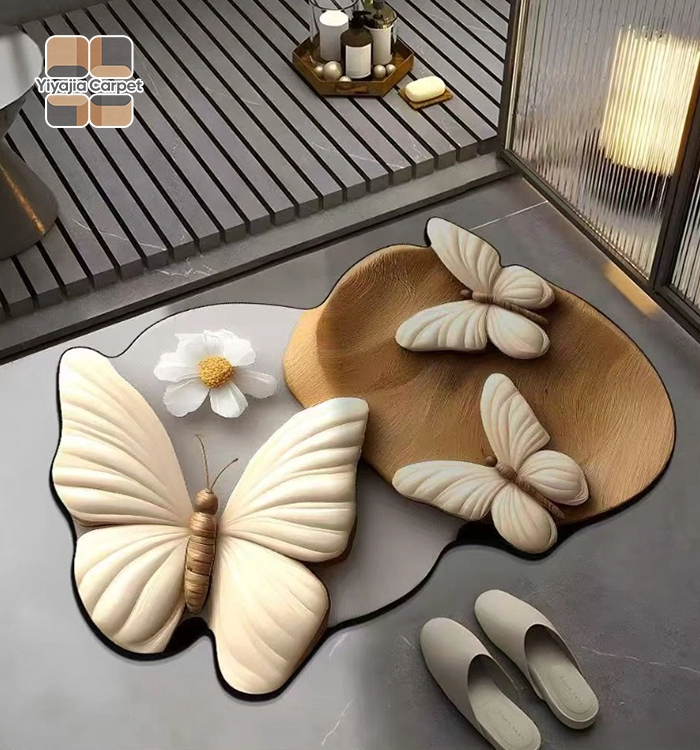
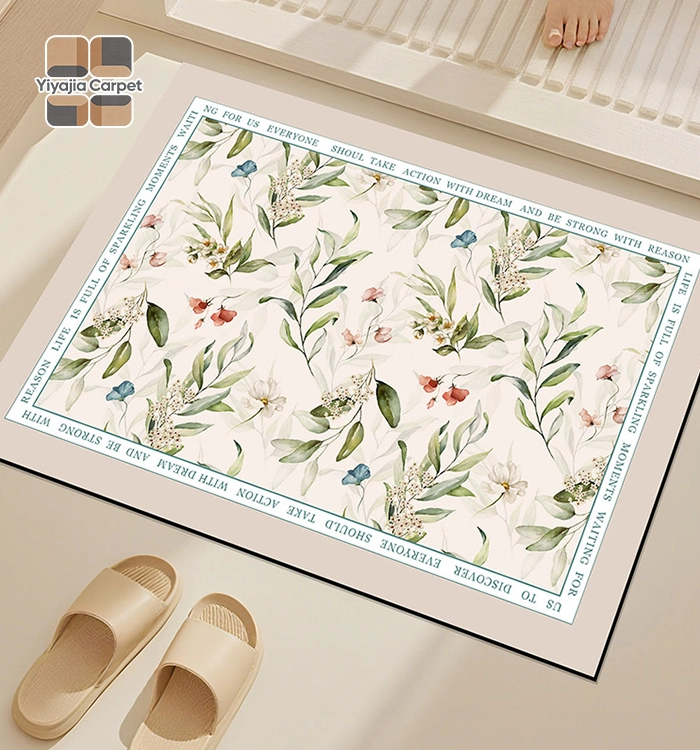
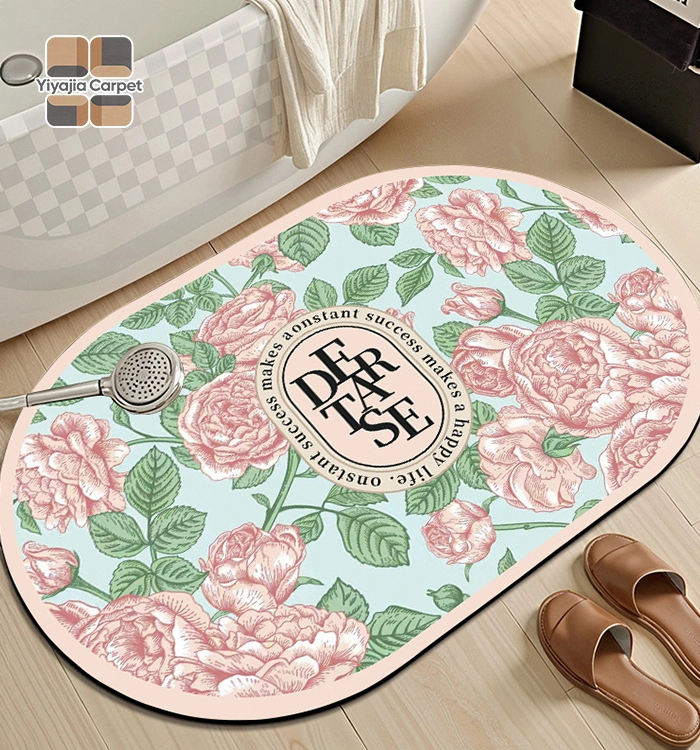
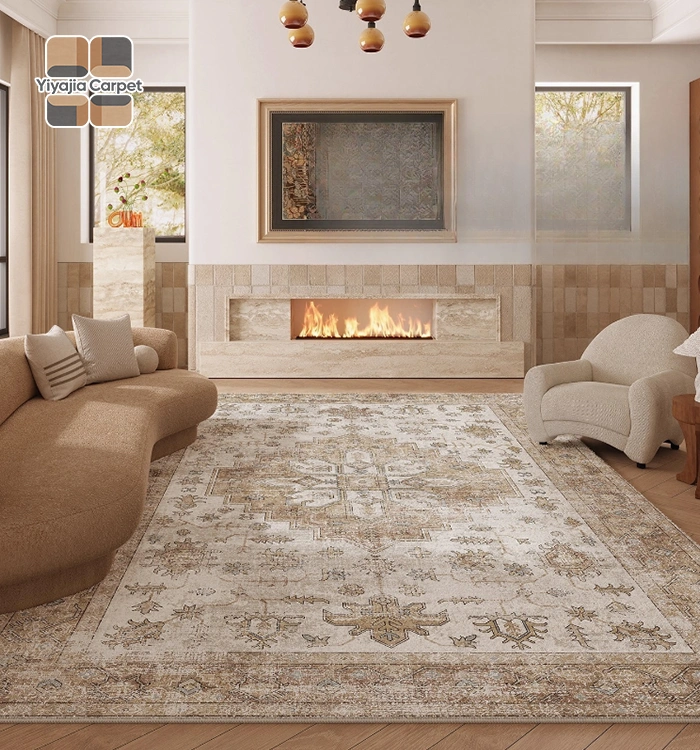
_1774494554973.webp)
How to Choose the Right Rugs and Carpets for Hotels
August 3, 2026


Picking flooring for a hotel requires a lot more than just looking good. The best hotel carpets are ones that are durable, comfortable for guests, easy to clean, and consistent with the brand. Whether you're a project manager setting up a new building or a purchasing manager overseeing renovations in a corridor, knowing how commercial-grade hospitality flooring works under constant stress will save you time and money over the course of its life. This guide shows you the most important technical and practical things to think about when buying carpets for hotels. This way, you can make sure you work with sellers who provide stable quality, meet compliance standards, and help you reach your business goals.
Understanding Hotel Carpet Requirements and Challenges
Hotels are open 24 hours a day, seven days a week, so the carpet is constantly being walked on, rolled up by luggage, soiled with food, and cleaned up. In contrast to private settings, hotel flooring needs to look good and stay stable even after years of heavy use. It can be hard for procurement teams to find products that match the property's design theme and don't mat, stain, or wear down easily.
Durability Demands in High-Traffic Zones
The most wear and tear is seen in hallways and offices. To stand up to moving luggage and constant foot traffic, carpets must be made with a high pile density and strong backing systems. Low-profile shapes reduce drag resistance, which makes fibers last longer and avoid having to be replaced too soon. By choosing materials that have been shown to be resistant to wear and tear, you can be sure that the flooring will keep looking good throughout the warranty period.
Balancing Aesthetics with Functional Performance
Hotel carpets help create a brand identity and shape how guests feel about a hotel. Patterns can hide dirt and traffic lanes, and the colors you choose can affect how you feel. Professionals in procurement need to check to see if the types of fibers available support the color saturation they want and if the building methods allow for custom branding elements. When properties buy products that can be customized in size, color, and logo placement, they can set themselves apart without lowering performance standards.
Maintenance and Lifecycle Cost Control
Maintenance schedules that can be planned for are important for operational budgets. Carpets that are treated to resist stains and anti-static electricity need less cleaning and use fewer chemicals. It's easier to make accurate financial forecasts when you look at the total cost of ownership, which includes installation, regular maintenance, and repair in the end. Suppliers who are clear about their guarantee terms and after-sales service can help you avoid unexpected costs.
Key Criteria for Choosing Hotel Carpets (Criteria Screening Approach)
Instead of gut feelings, decisions about what to buy should be based on performance metrics that can be measured. By looking at the types of materials used, how they are built, and certification standards, you can narrow down your choices to goods that meet the needs of the hotel industry.
Fiber Type and Material Composition
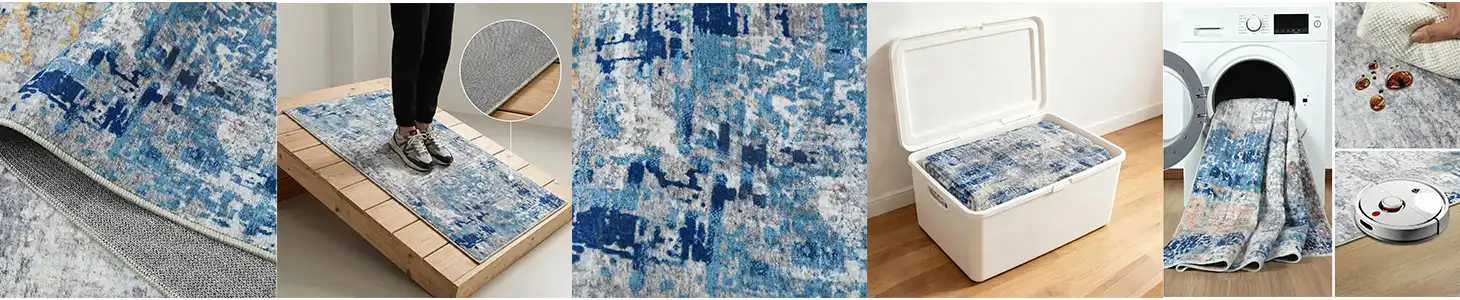
Today's best hotel carpet options are made of nylon, polyester, polypropylene, and a mix of these materials. Nylon is very strong and flexible, and it recovers quickly from being compressed. Solution-dyed nylon doesn't fade and is easier to clean, so it can be used in spaces that get a lot of sun. Polyester is cheaper and softer than other materials, but it might not last as long in places with a lot of foot traffic. Fine faux cashmere surfaces and TPR thermoplastic rubber backing give you plush comfort while keeping the mattress's shape, making it perfect for guest rooms and small hotels.
Choices about materials have a direct effect on how much maintenance is needed. Synthetic fabrics can handle harsher extraction methods, while wool blends need cleaners that don't change the pH level of the fabric and take longer to dry. Knowing about these trade-offs helps procurement teams match product requirements with the cleaning resources that are available.
Construction Methods and Backing Systems
The hospitality market is dominated by tufted rugs because they are cost-effective and easy to create. Machine-woven construction with lockstitching makes edges smooth and stops threads from coming loose, which is important for keeping up with professional standards of appearance. Backing support, like synthetic jute, bitumen composite, or TPR rubber, keeps the material from ripping and delaminating when it's loaded with moving loads. How the pile feels and how well it resists wear are determined by its height and density. Specifications for areas with a lot of traffic call for tight loop or cut-pile constructions with a lot of face weight. Low-profile styles work well in hallways where luggage carts put stress on the sides, while deeper piles make guest suites more comfortable.
Performance Metrics and Compliance Standards
Standardized tests are used to measure how well carpets work. Tuft bind strength measures how well fibers stay together, which keeps them from coming apart in high-stress areas. Dimensional stability tests show that the product doesn't shrink or expand when the humidity changes. Colorfastness scores show how well a color will not fade in sunlight or when cleaned with chemicals.
Compliance certifications prove that a company is safe and cares about the environment. CE marking confirms access to the EU market, and RoHS certification confirms compliance with restricted substances. OEKO-TEX standards make sure that textiles don't contain any chemicals that are bad for your health, which addresses guest concerns. Many commercial buildings must have EN 1350 flame-retardant ratings, which lowers the risk of fire. Suppliers who offer products with documented low-VOC emissions and recycled content can help properties that want to get LEED certification.
Segmenting Hotel Needs and Matching Carpet Solutions (Demand Matching Approach)
Different types of hotels and areas need different floor plans. By being aware of these differences, buying teams can make sure that the right goods are chosen for each job.
Luxury and Boutique Hotels
High-end homes focus on both the way they look and how they feel. The plush tufted constructions and heavy pile weights give guests the comfort they expect in high-end suites. Custom pattern options let homes add branded designs or patterns that are specific to an area. Boutique hotels can create unique looks that support their brand positioning by using flexible customization options such as custom size configurations and logo integration. More and more, caring about the environment affects choices about buying expensive goods. Suppliers of eco-friendly materials with third-party certifications are sought after by homes that want to be more environmentally friendly. Trends in hospitality that focus on health include products that are baby-safe, odorless, and ready to use as soon as they are installed.
High-Traffic Commercial Spaces
Convention halls, hallways, and eating areas for best hotel carpet installations need things to last as long as possible. Carpets in these areas need to be very dense and have low-profile pile heights so that they don't get matted from heavy foot traffic. Patterns that hide dirt and darker color schemes hide spills and wear, so you can go longer without deep cleaning. Stain-repellent treatments that are used during production cut down on the cost of chemicals and maintenance labor. The stress that comes from rolling things like luggage carts and food service tools is different. Backing systems with a high delamination strength keep carpet layers from coming apart when they are bent over and over again. To make sure seams stay together on large installations, procurement teams should check that products meet dimensional stability tolerances.
Guest Rooms and Corridors
When choosing bedroom carpeting, you should think about comfort, sound absorption, and air quality inside. Noise doesn't travel between floors as easily when the building is softer. This gives guests more privacy. Low-VOC ratings show that the product releases very few gases, which is important for rooms that don't have a lot of air flow. Products made with safe materials and certified by well-known standards help properties meet their wellness goals for guests. Because of the way traffic is directed and the constant cleaning that goes on, corridors are the most difficult places to keep up. Choosing carpets that are resistant to wear and tear and don't need much upkeep keeps operations running smoothly. Materials that dry quickly cut down on the time that floors aren't usable after they've been cleaned.
Supplier Selection and Procurement Strategies
To find dependable carpet suppliers, you need to look at their manufacturing capabilities, quality control methods, and service infrastructure. For easier repeat purchases and less risk, form partnerships with vendors who know how to deal with problems that only happen in the hospitality industry.
Evaluating Manufacturing and Delivery Capabilities
How well suppliers can meet project deadlines without sacrificing quality is based on their production capacity. Manufacturers whose daily output ability is at least 2,000 square meters can quickly handle large orders, cutting down on wait times. Automated production methods, like high-definition heat transfer and precise laser cutting, make sure that patterns are always correct and that sizes stay the same across big runs. Expertise in packaging and operations keeps products safe during foreign shipping. Costly claims can be avoided by using export-grade packaging that can withstand pressure, moisture, and damage. Suppliers with established freight partnerships and experienced customs clearance teams make delivery more certain, which is especially helpful for renovation schedules that need to be completed quickly.
Quality Control and Testing Standards
Before Hotel-specific carpet goods are shipped, they are checked by thorough quality assurance programs to make sure they meet the requirements. End-to-end checking methods that include printing, cutting, and sizing find mistakes early on, which lowers the number of returns. Suppliers who offer free rework or replacement for quality problems and pay for the shipping costs are sure that their manufacturing processes work. Having access to test results from a lab boosts procurement confidence. Reports with ratings for tuft bind strength, delamination resistance, and colorfastness make it possible to compare suppliers in an unbiased way. Products with ISO 9001 certification have consistent quality management systems, which makes repeat orders less likely to be different.
Customization Flexibility and MOQ Considerations
A lot of the time, hotel projects need custom sizes or labeled parts. Suppliers who offer flexible OEM and ODM services can meet specific needs for logos, colors, and sizes. Custom options can be used in smaller homes and during renovations because the minimum order quantity is low, like 50 pieces for size or color customization. The ability to make samples quickly speeds up the decision-making process. When suppliers use advanced manufacturing techniques, they can send models within 24 to 48 hours that are exact copies of the final goods in terms of patterns, sizes, and processes. This cuts down on the costs of trying things out and getting approval more quickly.
After-Sales Support and Warranty Terms
Responding service after the sale is important for building long-term relationships with suppliers. Dedicated business liaisons make sure that repeat orders are quickly scheduled for production and offer regular suggestions for improving style and process. Clear guarantee terms that cover both material flaws and mistakes in the workmanship protect against unexpected costs for replacement. Installation help and maintenance tips make products last longer. Suppliers who give detailed paperwork and training to housekeeping staff help properties follow the right care procedures, which keeps the property's look and guarantee coverage.
Case Studies and Practical Examples
Real-life examples show how choosing the right carpet strategically can help with practical problems and make guests happier.
Luxury Hotel Chain: Corridor Durability Project
A 300-room luxury hotel that replaced the carpets in the hallways got complaints about how worn the carpets looked and how often they needed to be cleaned. The buying group asked for high-density nylon carpets with improved stain-resistant treatments and geometric designs that hide dirt. After the installation, housekeeping said that they had to do 40% less spot cleaning. Ratings for visual appearance stayed above acceptable levels for three years of service, which put off the next replacement cycle and made costs more predictable.
Boutique Hotel: Custom Eco-Friendly Guest Room Flooring
A boutique property that wanted to get LEED certification needed carpeting that was both eco-friendly and stylish. The team chose carpets that were made from recycled materials, met OEKO-TEX standards, and had low-VOC backing systems. The hotel's regional design theme was strengthened by the use of custom colors and logos. Based on what guests said, the rooms were more comfortable, and the hotel met its sustainable goals without lowering the quality standards.
Conclusion
When choosing best hotel carpet, you have to think about how well they work technically, how they look, and how efficiently they run. When procurement professionals look at the fiber makeup, building methods, compliance certifications, and supplier skills, they can make smart choices that lower the costs of ownership and improve the property's image. By understanding how different areas of a hotel require different flooring qualities, you can make sure that you get custom solutions instead of deals that don't work for everyone. Long-term value is created by working with makers who offer open customization, reliable quality control, and quick customer service after the sale. Choosing the right carpet can turn flooring from something that needs to be maintained into an asset that helps with brand image and guest happiness.
FAQ
Q1: What makes a carpet suitable for hotel corridors?
A: Hotel hallway carpets need to be able to handle heavy foot traffic and rolling luggage without getting soiled. A dense pile, a low profile, and long-lasting backing systems keep the carpet from wearing out too quickly. Soil-hiding patterns and stain-resistant treatments keep the carpet looking professional between cleanings by reducing the amount of dirt that can be seen.
Q2: How do certification standards impact carpet selection?
A: Certifications give claims about safety and the environment a third-party check. Compliance with CE and RoHS ensures the safety of chemicals, while EN 1350 ratings check for fire resistance. OEKO-TEX approval makes sure that fabrics don't contain any harmful chemicals, which is important for guests' health. ISO 9001 means that the processes for managing quality are consistent.
Q3: Can hotel carpets be customized for branding?
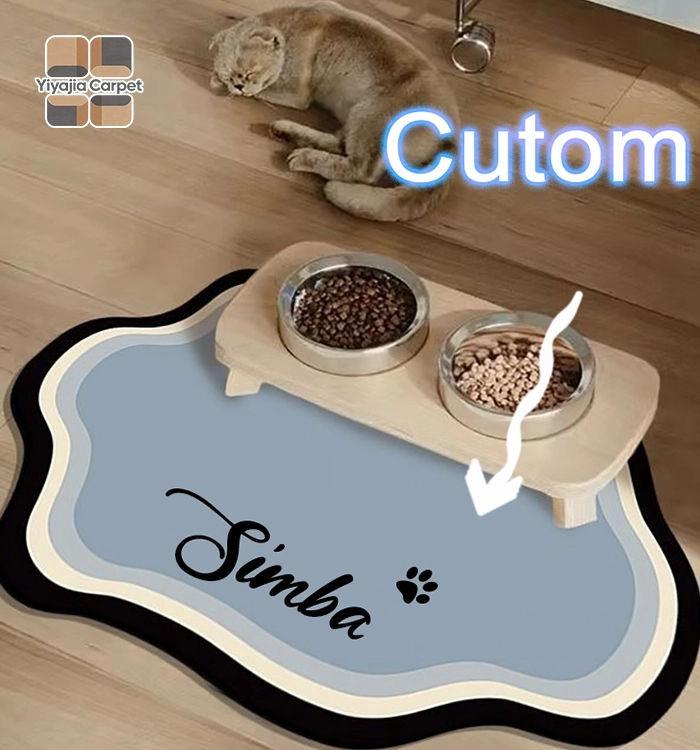
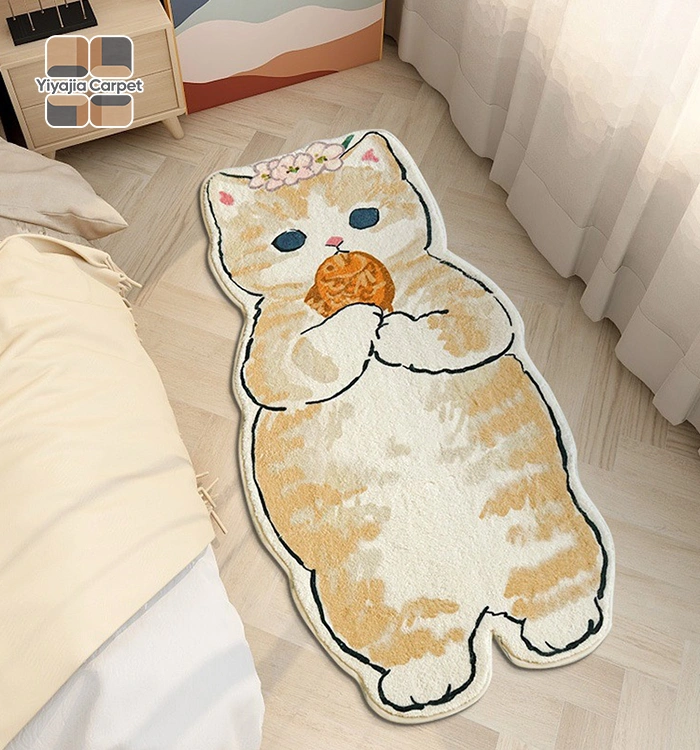
A: Modern tools for making things allow for a lot of customization. Any pattern design can be used with heat transfer printing, and irregular shapes and custom sizes can be cut out with laser cutting. Custom options are easy to get from suppliers with low minimum order quantities. This means that hotels can add logos and other branded items without having to pay a lot of money.
Partner with Yiyajia Carpet for Reliable Hotel Flooring Solutions
When B2B procurement workers are looking for the best hotel carpet wholesalers, Yiyajia Carpet is the company they turn to for reliable quality and quick service. Our industrial skills include high-definition heat transfer and precise laser cutting, which lets us make rugs with patterns that are always accurate and stable in size. We can meet tight project deadlines without lowering quality standards because we can produce 2,000 square meters of goods every day and use professional export packaging.
Our products are certified by CE, RoHS, OEKO-TEX, ISO 9001, REACH, and EN 1350, which means they follow all international safety and environmental rules. There is no risk in the procurement process because there is strict full-process quality control and free rework guarantees. You can make changes easily—the minimum order quantity is as low as 50 pieces—and you can get your logo quickly (in 7 days), which meets the specific branding needs of your hotel. You can email our team at sale@yyj-carpet.com to get examples and talk about how our options for hotel flooring can help you with your project.
References
1. American Hotel & Lodging Association. Standards and Guidelines for Hotel Carpet Selection. Hospitality Procurement Journal, 2022.
2. Carpet and Rug Institute. Commercial Flooring Performance Specifications for High-Traffic Environments. Technical Report Series, 2021.
3. International Interior Design Association. Sustainable Material Choices in Hospitality Design. IIDA Research Publications, 2023.
4. National Fire Protection Association. NFPA 253: Standard Method of Test for Critical Radiant Flux of Floor Covering Systems. Fire Safety Standards, 2020.
5. Green Building Council. LEED Certification Requirements for Indoor Environmental Quality. Building Standards Manual, 2022.
6. Textile Research Institute. Comparative Analysis of Fiber Performance in Commercial Carpet Applications. Materials Science Quarterly, 2021.