_1774494554973.webp)
The Comprehensive Guide to Choosing Carpets for Hotel Spaces
September 24, 2026


Selecting the best hotel carpet involves more than aesthetic appeal—it's a strategic investment that influences guest satisfaction, operational efficiency, and long-term cost control. Hotel flooring must withstand constant foot traffic, resist stains, comply with fire safety regulations, and contribute to the ambiance that defines a property's brand identity. Whether you're a procurement manager sourcing for a renovation project or a distributor seeking reliable suppliers, understanding the technical and operational requirements of hotel carpeting ensures smarter purchasing decisions that deliver measurable returns.


Understanding Hotel Carpet Requirements: Key Factors for Procurement
High-Traffic Durability and Performance Metrics
Hotels are always busy, with things like luggage carts rolling down hallways and banquet halls hosting hundreds of guests. This much foot traffic must not show any signs of wear on the carpet you choose. The pile density, fibre robustness, and binding strength all affect how long something lasts. High-performance carpets usually have pile weights of 36 to 50 ounces per square yard. This keeps the fibres from getting crushed and makes sure the carpet looks good after years of use. We've seen properties that bought cheaper options have to pay a lot to replace them within three years, while properties that chose durable options have them last longer, sometimes for more than ten years.
Noise Reduction and Guest Comfort
Sound reduction is one of the most important things to think about in dining settings. Carpets with a dense pile and good underlay soak up noise from footsteps, making it quieter between floors and in hallways. This sound benefit has a direct effect on how guests rate the room and how often they book again. Modern rugs for hotels and restaurants often have special backing systems that absorb sound better without affecting the carpet's structural stability. This makes rooms quieter and more comfortable for guests.
Safety and Environmental Compliance
Fire safety codes have strict rules about how hotel floors should be made. Carpets must pass the ASTM E648 Class I test, which shows that they won't let fires spread in public areas and hallways. Environmental certifications like CE, ROHS, and REACH compliance are becoming more important to procurement teams that care about sustainability and indoor air quality, in addition to fire safety. When you choose carpets with low volatile organic compound (VOC) emissions and hypoallergenic qualities, you protect both guests and workers and meet legal requirements in different markets.
Types of Hotel Carpets and Their Applications
Material Comparison: Nylon, Wool, and Synthetic Blends
In hotel settings, different materials are used for different things. Nylon is still the standard for high-traffic areas because it is very resistant to wear and tear and can fight stains when solution-dyed. Wool blends naturally resist fire and have a soft, luxurious feel, making them perfect for rooms and luxury floors where the comfort of the guests is paramount. Synthetic options, such as fine faux cashmere backed with TPR thermoplastic rubber, offer flexible options that strike a good mix between comfort and the need to keep things in good shape. These materials give guests the feel they want while also giving operations teams the durability they need.
Carpet Tiles Versus Broadloom Installation
Long-term maintenance costs are greatly affected by how flexible the installation is. Carpet tiles are a good choice for high-traffic areas like hallways and meeting rooms because they can be replaced only the damaged parts without having to redo the whole room. Broadloom carpets make it easier to see what's going on in guest rooms and hallways by having a smooth, continuous look. Best hotel carpet decisions also depend on the balance between durability and design appeal. The choice relies on your business needs. Modular tiles work well for properties that need to be renovated often, while broadloom installs are better for established hotels that want a classic look.
Design Trends Supporting Brand Identity
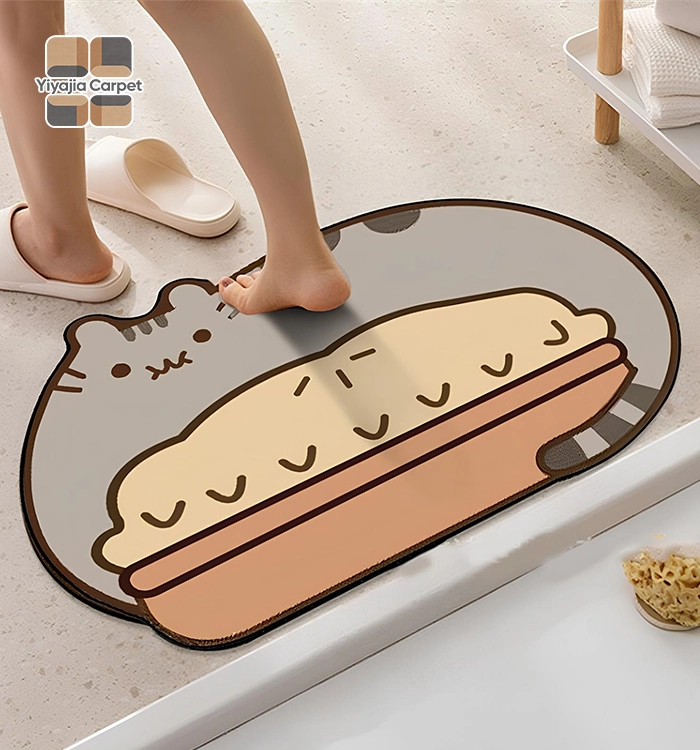
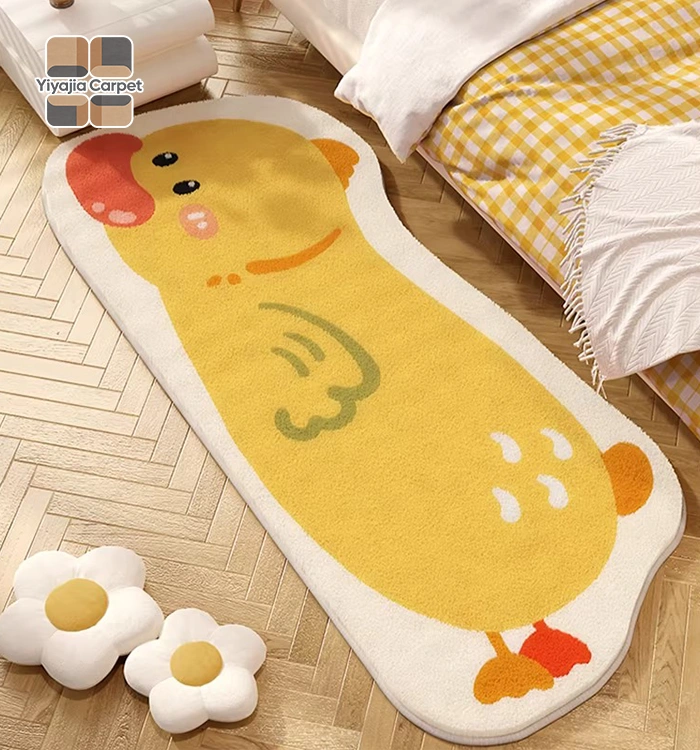
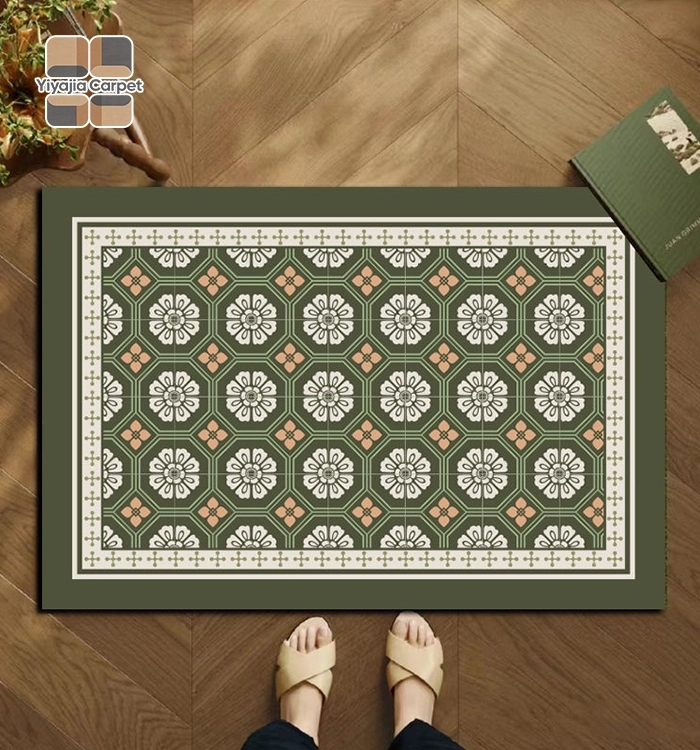
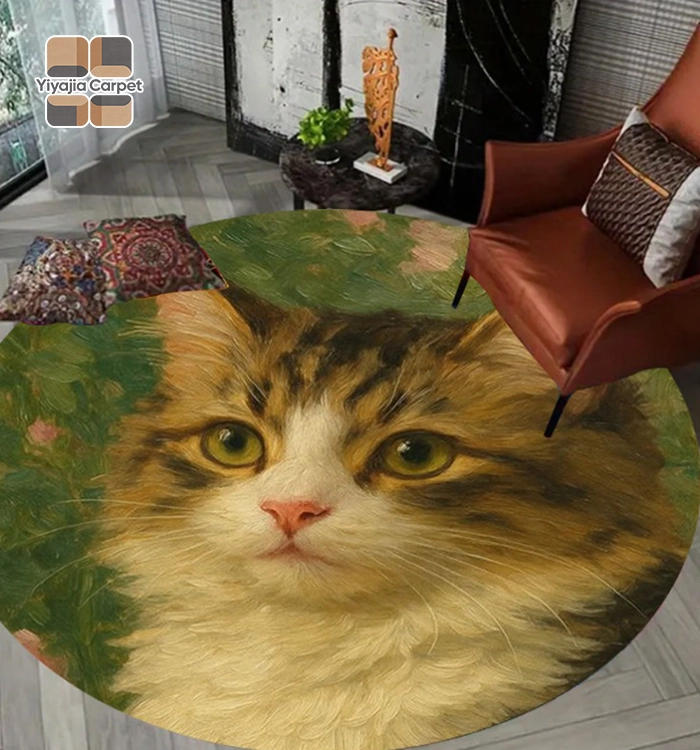
These days, hotel rugs have designs that hide dirt and reinforce brand themes. With geometric patterns, abstract patterns, and custom logos, flooring can become part of a brand's story. Colour psychology is used strategically: warm tones make lobbies feel welcoming, while cool tones make guest rooms feel calm. Leading suppliers now offer heat transfer printing technology that can copy any design with photographic accuracy. This means that flooring can be completely customised to fit the needs of the building and the market.
Comparing Leading Hotel Carpet Brands and Solutions
Established Market Leaders
The North American hotel market is dominated by big companies like Shaw, Mohawk, and Interface, whose full product lines are designed to work well in businesses. These brands offer long warranties, usually between five and fifteen years, that are backed by strict testing procedures. Their well-established delivery networks make sure that their products are always available, but their prices often reflect their high-end standing, which can make it hard for projects on a budget.
Emerging Specialized Suppliers
Specialised providers who offer competitive options without lowering quality standards have been well received by the market. Yiyajia Carpet, a company based in Tianjin that sells carpets all over the world, is a great example of this type of company. They offer CE and ROHS-certified goods and can make up to 2000 square meters of carpet every day. Their cutting-edge heat transfer and laser technologies make exact customisation possible with low order quantities (50 pieces for size and colour variations), meeting the needs of small to medium-sized businesses and project-based buyers who want freedom. Customer reviews always talk about how reliable the delivery plans are and how helpful the after-sales support is, which are both very important when you have to manage rollouts for multiple properties or tight repair deadlines.
Evaluating Value Beyond Initial Price
Smart procurement doesn't just look at costs per square metre; it also looks at the total costs of ownership. Think about the warranty terms, the maintenance needs, how often the parts need to be replaced, and how stable the supplier is. A slightly higher initial investment in high-quality flooring that has been shown to last longer usually pays off in the long run compared to cheaper choices that need to be replaced more often. To make comparisons based on facts, you should ask for specifics like tuft bind strength, colourfastness scores, and physical stability data. Looking at the best hotel carpet brands and options side by side helps determine the true lifecycle value.
Hotel Carpet Maintenance and Installation Best Practices
Professional Installation Protocols
Proper fitting keeps things from breaking down too soon and voiding the guarantee. Before putting down carpet, the subfloor needs to be prepared by checking for moisture, levelness, and cleanliness. For broadloom setups, the seams must be placed precisely and the fabric must be stretched to keep it from buckling. For carpet tiles, the patterns must be lined up correctly and the glue must be applied securely. Best hotel carpet installation also demands strict attention to these fitting details, as even minor errors can compromise long-term performance. Hiring qualified workers who know how to meet hospitality standards will protect your investment and make sure that the performance meets your needs from the start.
Routine Care and Deep Cleaning Schedules
A commercial-grade hoover should be used every day to get rid of the rough soil particles that speed up wear. Spot cleaning should be done right away with pH-neutral products that are right for the fibre type of your carpet. Professional hot water extraction should be done every six to twelve months, depending on how much traffic there is. This will keep the carpet looking good and extend its useful life. Properties that use rugs with anti-soil treatments say that they are easier to maintain and that they don't need to be cleaned as often.
Warranty Utilization and After-Sales Support
Knowing what the guarantee covers can help you get the most out of it. Most good rugs come with a warranty that covers flaws in the way they were made and excessive wear and tear from normal use. However, to get the warranty coverage, you have to follow certain care instructions. Build ties with suppliers that can help you with technical problems and solve them quickly. Companies that offer dedicated account management for return customers make it easier to reorder and make sure that the production schedule fits in with your project timelines so there are no delays or container backlogs.
Making the Right Procurement Decision for Hotel Carpets
Defining Your Specific Requirements
Start by making a map of your property's use zones. High-traffic hallways need materials that last as long as possible, while guest rooms put comfort and style first. Set budget limits that take into account not only the purchase price but also all the costs of owning the item. Sustainability goals are having a bigger effect on specifications. In the European and North American markets, purchasing teams value certifications that show they are responsible for the environment and follow chemical safety rules the most.
Bulk Purchasing and Customization Advantages
Through economies of scale and supplier relationships, volume promises create a lot of value. When manufacturers offer open MOQ limits, even small projects can be customised. Standard products can become unique brand assets when they can be made to exact measurements, include branded patterns, or match exact colour schemes. Best hotel carpet suppliers, in particular, demonstrate this flexibility by turning standard designs into property-specific statements. If a supplier has the tools for heat transfer and laser cutting, they can meet these needs without the long lead times or minimum orders that used to make customisation hard.
Building Long-Term Supplier Relationships
When buying hospitality, continuity is important. By building relationships with makers that show consistent quality, reliable delivery, and quick communication, you can avoid problems like batches that don't match or shipments that are late. Look for partners that offer a full range of services, such as providing samples (ideally within 24 to 48 hours), full documentation for customs clearance, and after-sales support that addresses any quality issues. These relationships make it easier to buy things for multiple homes and stages of renovation, and they also lower the risk and workload of administration.
Conclusion
When picking carpets for hotel rooms, you have to think about both your short-term budget and how well the carpet will work in the long run. For the best hotel carpet options, look for ones that are made of long-lasting materials, are constructed correctly for the job, match the brand's style, and are easy to clean. Successful procurement teams don't just look at price; they also look at how well providers can deliver consistent quality, meet customisation needs, and offer reliable support throughout the lifetime of a product.
Hotel-specific carpet choices, in particular, must align with each property’s guest traffic patterns and design theme, as a one-size-fits-all approach often fails in hospitality settings. When you use the models in this guide, your properties will be better able to keep their competitive edge in tough hotel markets, make guests happier, and lower their operating costs.
FAQ
What makes hotel-grade carpet different from residential options?
Hotel-grade carpets are put through a lot more rigorous performance tests than carpets for homes. They have a denser pile, better backing systems that keep the size stable, and processes that make them stain- and static-proof. Commercial hospitality carpets have to pass fire safety tests like ASTM E648 Class I, which shows that the carpets can keep flames from spreading too quickly in public areas.
The building methods focus on durability in areas with heavy traffic—specifications usually aim for seven to ten years of look retention in high-traffic areas, which is much longer than what is expected for private areas. Different types of materials are also used. Solution-dyed nylon and wool mixes are most common in hospitality settings because they last longer and are easier to clean than polyester or olefin choices for homes.
How do I verify supplier reliability for international bulk orders?
Ask for certifications like ISO 9001 quality management paperwork, environmental compliance certificates (CE, ROHS, or REACH, as needed), and testing reports for each product that confirm its fire safety ratings. Ask customers in your target market for references, and then get in touch with those customers to find out how well they deliver and how consistent the quality is.
Evaluation of examples is still very important—reliable providers provide production-accurate samples quickly, showing that they can make things. Check out how they handle export paperwork and help with customs clearance, as these directly affect when you receive your goods. Established suppliers keep information about production plans open and deal with possible delays before they happen. This sets them apart from less reliable sources that cause procurement risks.
Partner with Yiyajia Carpet for Your Hotel Flooring Projects
Yiyajia Carpet is ready to be your reliable source for the best hotel carpet solutions that meet the high standards of today's hospitality settings. Our factory in Tianjin uses modern heat transfer printing, precise laser cutting, and strict quality control to make up to 2,000 square meters of CE and ROHS-certified flooring every day that is ready to use right away and doesn't have any smell problems.
We know that procurement managers and project leaders need suppliers who can consistently deliver. Our machine-woven construction with lockstitching makes sure that the edges stay in place even after years of heavy use, and our flexible customisation allows orders as low as 50 pieces for size or colour requirements, with logo integration completed within seven days.We've built our name by helping wholesalers, builders, and property developers in North America and Europe get rid of common supply chain problems. We do this by providing clear schedules and professional export support. Our specialised account teams give you ongoing style optimisation advice and speed up the making of repeat orders, so your projects don't get held up.
Contact our team at sale@yyj-carpet.com to talk about your specific needs, ask for samples that are the same quality as the final product, or learn more about how our full after-sales support protects your investment throughout the lifecycle of the product. Working with a well-known best hotel carpet maker like Yiyajia gives your projects the dependability and performance they need, whether you're furnishing a small hotel or overseeing improvements at multiple locations.
References
1. American Hotel & Lodging Association. Hospitality Facilities Management and Design Standards. Washington: AHLA Publications, 2022.
2. Carpet and Rug Institute. Commercial Carpet Performance Specifications for High-Traffic Environments. Dalton: CRI Technical Services, 2021.
3. International Interior Design Association. Material Selection Guidelines for Hospitality Spaces. Chicago: IIDA Research, 2023.
4. National Fire Protection Association. NFPA 101 Life Safety Code: Floor Covering Requirements. Quincy: NFPA Standards Council, 2021.
5. U.S. Green Building Council. LEED v4.1 Material Selection Criteria for Commercial Interiors. Washington: USGBC Publications, 2022.
6. Hospitality Design Magazine. Annual Flooring Trends and Specification Report. New York: Hospitality Design Publishing Group, 2023.