_1774494554973.webp)
How do Korean carpets rugs compare with European carpet styles today?
September 24, 2026


When comparing Korean carpets rugs with European carpet styles today, the differences center on design philosophy, material innovation, and functional adaptation. Korean Carpets Rugs prioritize minimalist aesthetics, soft textures, and compatibility with modern heated flooring systems, featuring low-saturation color palettes and machine-washable microfiber construction. European carpets, rooted in ornate traditions from Persian to Aubusson styles, emphasize intricate patterns, diverse weaving techniques, and robust durability for high-traffic commercial spaces. Both approaches serve distinct market needs—Korean designs excel in residential comfort and rapid customization, while European styles offer timeless elegance and engineered resilience for hospitality and office environments.
Understanding Korean and European Carpets: Origins and Design Philosophy
What buyers can expect when they buy from these areas can be learned a lot from the cultural roots of the floor coverings. Korean carpet customs didn't start out as a way to make things look nicer than they were. In the past, Ondol radiant floor heating was used in Korean homes. This led to the development of thin, heat-resistant carpet materials that wouldn't insulate too well or give off fumes when heated. Today, Korean rugs are still made with this practical basis in mind, with a focus on simplicity and clean lines.
Korean Minimalist Aesthetic
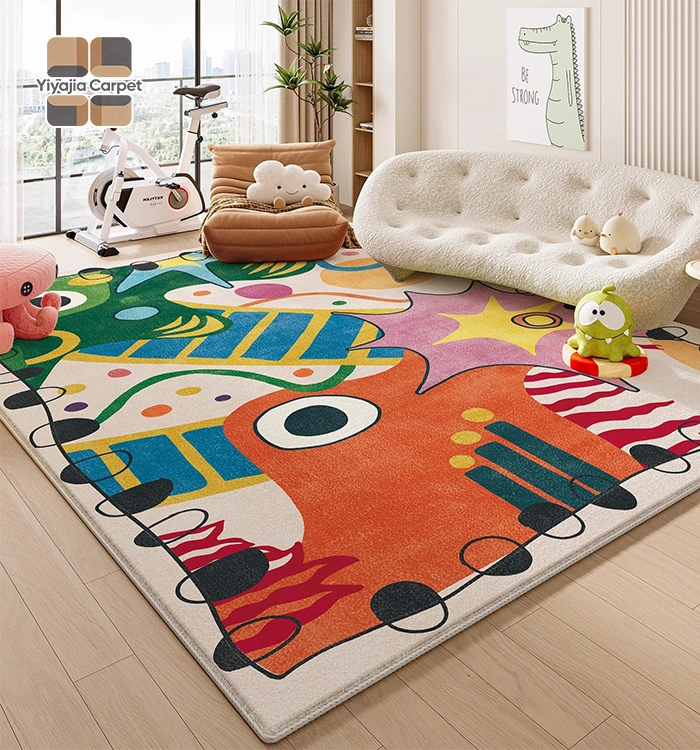
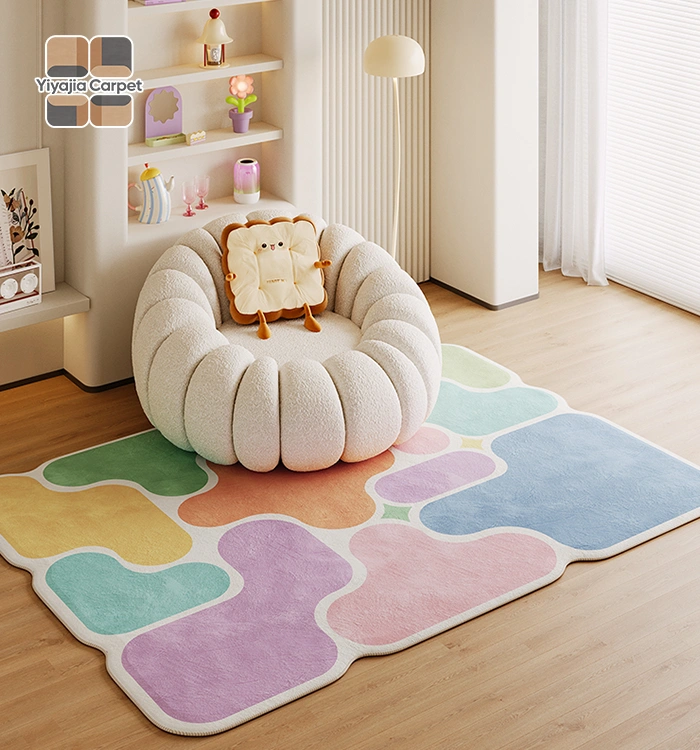
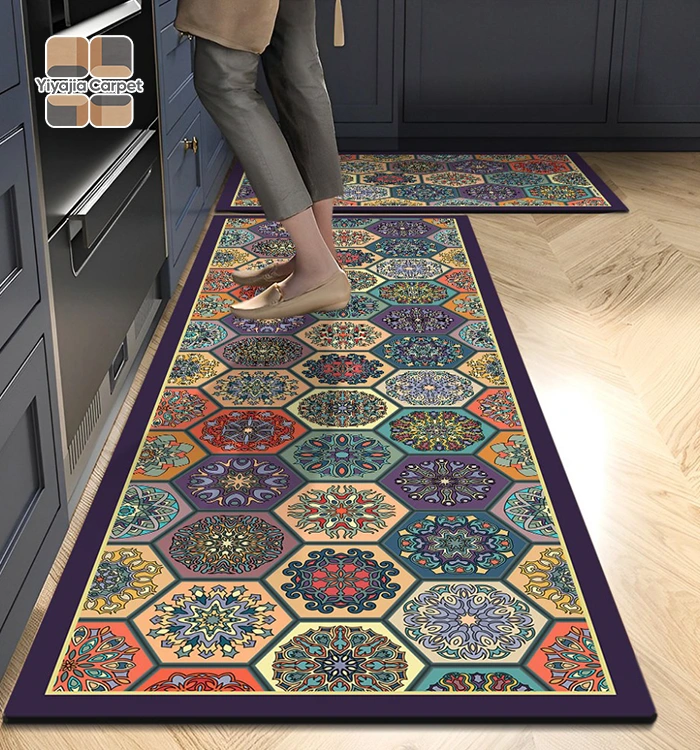
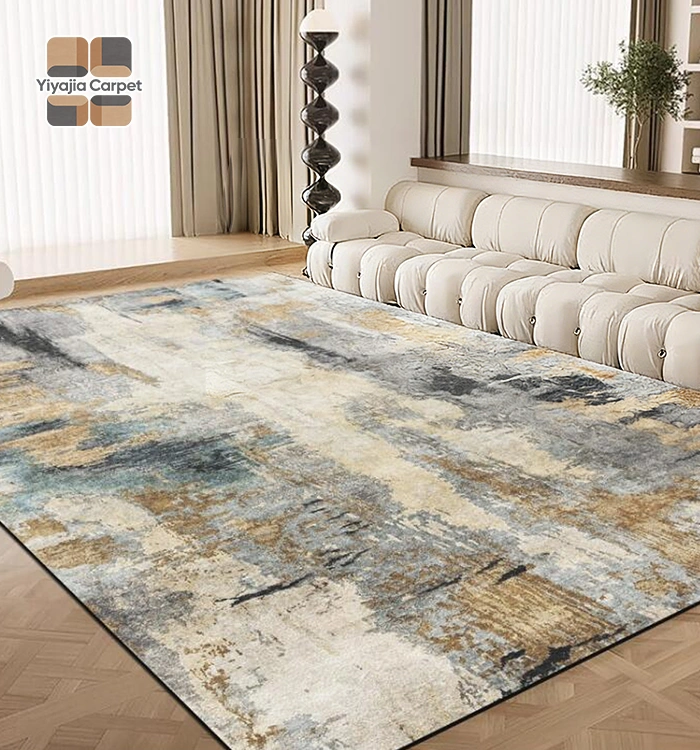
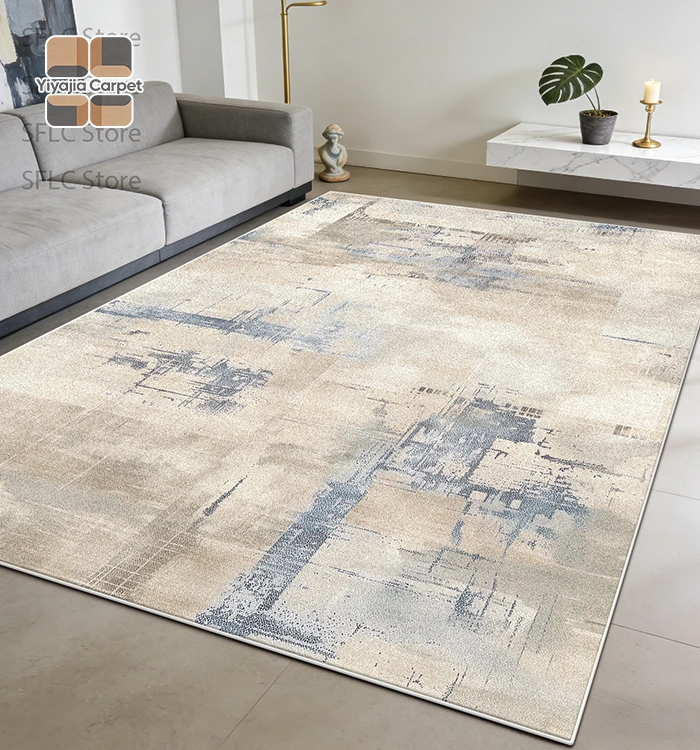
Nature-inspired ideas and simple elegance are used in Korean design. Geometric patterns with simple shapes, subtle colors from the Morandi range, and sometimes simple text elements are what you'll see. This style fits in with the overall Korean Wave living image, which values order and peace. Modern Korean companies have taken these values and turned them into goods with improved synthetic fibers that have textures that look like natural ones without being as hard to take care of.
European Decorative Richness
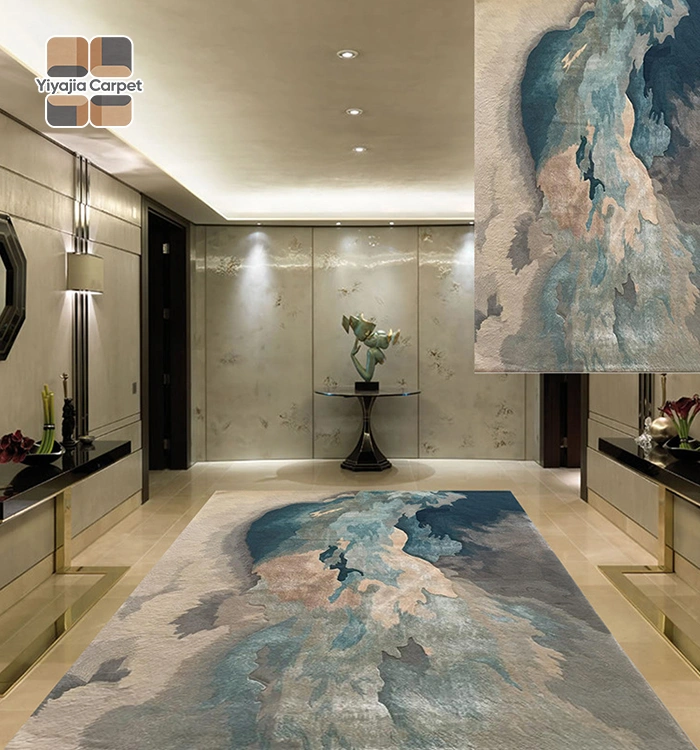
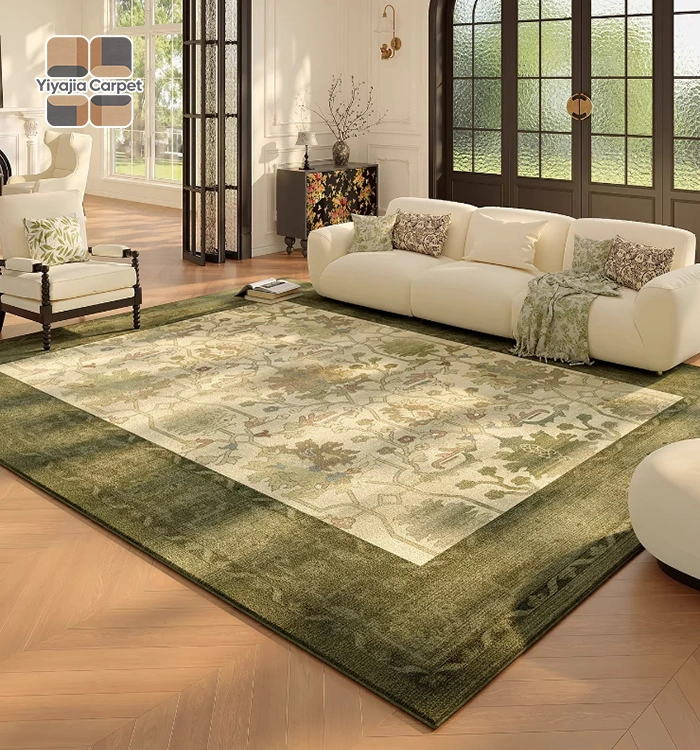
European carpet history is not the same as this one. European styles honor complexity and artistry, from the finest hand-knotted works in Turkey to the techniques used by Aubusson in his tapestries. In the past, these carpets were used as status symbols. Their intricate floral designs, medallion patterns, and bright color combinations showed how wealthy the owners were. European manufacturers today keep this history alive while adding modern design trends and performance engineering for business uses.
Symbolism and Brand Alignment
Being aware of these philosophical differences helps brands choose goods that will appeal to their target groups. Rugs in the Korean style are popular with people who want to decorate their homes in a modern, calm way. People who like traditional skill and strong visual statements are drawn to European styles. Korean artistic rugs fit easily with the stories of Korean home brands or K-lifestyle stores, according to procurement managers who work with those brands.
Material and Weaving Techniques: A Comparative Analysis
The ways that Korean and European carpets are made show important differences that affect how well they work and where they stand in the market. These technical differences have a direct effect on your buying choices about how long something will last, how happy your customers will be with it, and how much it will cost.
Korean Material Innovation
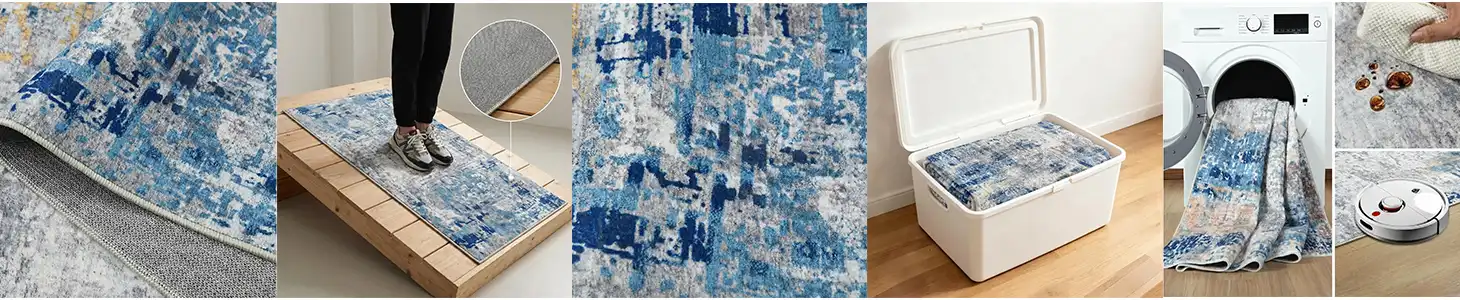
Synthetic fiber technology is used to solve real problems in modern Korean Carpets Rugs manufacturing. Ultra-fine microfiber polyester, which is usually less than 0.5 denier, gives the fabric its signature soft-touch feel that looks and feels like cashmere or wool without the allergy risks. Our Korean-style rugs at Yiyajia have a 350g/⎡ faux cashmere surface that is very soft and can be washed in a machine, which is a big plus compared to natural fiber options.
Another area of innovation is the backing technology. Korean companies made heat-resistant TPR thermoplastic rubber and silicone dot systems that work with heated floors in particular. This 2mm TPR anti-slip base keeps the carpet from moving without using chemical glues that could break down in hot weather. The design lets heat move while keeping the grip, which was an issue that regular rubber backings couldn't solve.
European Manufacturing Diversity
There are more types of technology used to make carpets in Europe. In the high-end market, artists still use centuries-old methods to make wool or silk pieces that are hand-knotted. These cost a lot, but they have the best texture depth and durability. The European Textile Association says that machine-woven European rugs are made on Axminster or Wilton looms, which can make large-scale patterns with a mix of natural wool and synthetic fibers for added longevity in hospitality settings.
Practical Implications for Procurement
The important differences make the value propositions unique. Korean synthetic rugs are lighter (about 1000g/ total), easier to clean, and don't bother people with allergies. European wool mixes are better at naturally keeping you warm, look great, and have been shown to last in high-traffic areas. Your choice will rely on how it will be used. Lightweight Korean options are becoming more popular in home markets, while European engineered rugs are often used for business projects because they guaranty performance. Hybrid methods are useful for modern buying. Some companies now make products that combine Korean style with European durability engineering. For example, our machine-woven rugs have reinforced edges and hems that are lockstitched to keep them from fraying after years of use.
Performance, Durability, and Care Requirements
Procurement managers can figure out the real cost of ownership, which is more than just the purchase price, by looking at long-term success measures. Korean and European carpets need very different amounts of upkeep, which can change your customers' total operating costs.
Korean Rug Maintenance Advantages
The Korean construction of microfibers makes them useful for cleaning. Continuous strand polyester loses less than staple-fiber wool, which is good for customers who are allergic to airborne particles. Cleaning can be done by a machine on delicate cycles, so you don't have to hire a professional. This is a big selling point for childcare centers and people who are buying homes. Our CE and OEKO-TEX-certified mats keep their shape through multiple washings because the TPR backing is made to be washed without coming apart.
Thermal efficiency works well in current homes. The total thickness of 5 mm makes the floor comfortable to walk on without being too thick, which would block radiating heat from Ondol-style flooring systems. This balance lets your home heat up efficiently while keeping the floors warm in a way that bare floors can't.
European Carpet Durability Standards
When it comes to business durability, European wool rugs are the best. Natural wool fibers are naturally strong and flexible, and they spring back after being compressed in areas with a lot of foot traffic. European rugs of good quality usually come with warranties that last longer than ten years for hospitality installations. These warranties are backed by standard wear tests that follow EN standards. The downside is that it needs more upkeep, like professional cleaning, treatments to keep moths away, and careful spot-cleaning to avoid water damage. In contrast, Korean Carpets Rugs offer a more practical solution with their synthetic fiber technology and machine-washable convenience, making them ideal for modern lifestyles where maintenance ease is a priority.
Lifecycle Cost Considerations
Think about usage intensity when giving advice to B2B clients. Korean synthetic options usually last three to five years before they need to be replaced because they are no longer cost-effective. European investments in wool work well for long-term projects where the starting cost is spread out over many years. When cleaning costs are taken into account, the math changes. Korean rugs don't need to be cleaned by an expert as often as European wool does, so the total costs may be the same even though they cost less up front.
When we make things at Yiyajia, we focus on durability through engineering rather than material weight. A high-density machine that can weave 2,000 square meters of fabric every day makes sure that the quality is always the same, and the lockstitched edge finishing stops the tearing that happens with cheaper synthetic rugs.
Market Positioning and Pricing: What Procurement Managers Need to Know?
Knowing how the market is changing right now helps procurement workers deal well and make sure that customers have realistic expectations about prices and availability.
Pricing Structure Analysis
The price of a Korean-style rug depends on how well it is made and how much the materials cost. Premium wool is still more expensive than synthetic microfiber, but machine production on a large scale cuts down on the amount of work that needs to be done. Korean esthetic rugs usually cost between $8 and $25 per square meter FOB, but this depends on how dense the pile is and how complicated the customization is. We only need 50 pieces of custom size and color to start making things in the Korean style, so brands can try out new designs without having to commit to a huge inventory.
The prices of European carpets vary a lot depending on how they are made. Commercial carpets that are made by machines cost between $20 and $40 per square meter, but artisanal carpets that are tied by hand can cost more than $200 per square meter. The wider range caters to a wider range of market groups, from low-cost commercial rugs to high-end home installations. Lead times are also different. For example, unique orders in Europe usually take 8–12 weeks, while we can customize logos for Korean-style designs in just 7 days.
Supply Chain Flexibility
Korean manufacturing infrastructure puts a lot of emphasis on being able to make small batches quickly. This is similar to how fast-fashion K-lifestyle brands work, putting out yearly lines with new styles all the time. Our daily production capacity of 2,000 square meters can handle both small orders and volumes that can be increased as customer needs arise. When compared to sending rolled carpet, choices for packaging that can be folded down even lower transportation costs.
Large institutional buyers with stable, long-term needs are usually served by European supply chains. This keeps things the same for hotel chains or business office builders, but it makes it harder for private brands that follow trends to change their designs. European manufacturers are adapting to changes in the market, but their minimum order quantities are still usually higher than Korean alternatives.
Certification and Compliance
International safety standards are met by both markets, but the goal of approval is different. For export markets, Korean companies put KC domestic marks ahead of CE and ROHS marks for Korean Carpets Rugs. European manufacturers stress that their products meet the REACH chemical requirements and the EN 13501 flame retardancy standards that are needed for commercial buildings. Our rugs have been certified by many organizations, such as CE, OEKO-TEX, ISO 9001, REACH, and EN 13501. This means that they can be sold in all over the world without having to be made in separate lines for each area.
Making the Right Choice for Your Business: Strategic Procurement Insights
When choosing between Korean and European carpet styles, you need to make sure that the features of each product fit with your business plan, customer base, and operational skills. Esthetics are only one part of strategic decision-making; supply chain management and company marketing are also important.
Matching Products to Market Segments
Korean-style mats are made for brands that want to appeal to modern, design-savvy customers who care about cleanliness and ease of use. The style is especially appealing to millennials and Gen Zers who are familiar with Korean exports. If your customers are Korean home brands, Asian lifestyle stores, or Korean groups in North America, the real simple design and useful features make it a natural fit for the market. Parents and pet owners who value easy care will really like the machine-washable benefit.
European carpet options are good for traditional high-end settings or commercial projects that need to be sure they will last. Hotels, corporate offices, and other institutional buyers often choose European styles because they have a history of good performance and come with strong warranty systems. Brands that focus on traditional craftsmanship or on wealthy people looking for investment pieces will find that European choices back their high-priced strategies.
Customization and Brand Differentiation
The ability to customize is becoming a bigger factor in choosing a supplier. Through heat transfer printing and laser cutting, Korea's manufacturing infrastructure makes it easy to quickly change designs. With these methods, any pattern or odd shape can be made without having to buy expensive tools. This lets brands make unique designs that rivals can't easily copy. Our 24-48-hour tasting service speeds up the development of new products and lets brands see how the market reacts to them before committing to full production runs.
Customization in Europe usually involves changing the colors of well-known patterns rather than making completely new designs. Some European makers offer custom services, but because they are made by hand, the costs are higher and the lead time is longer. Teams in charge of buying things should think about whether their brand strategy puts more value on a unique visual identity or a connection to a long history of design.
Sustainability and Future Trends
Environmental concerns are becoming more and more important in buying choices. Korean synthetic carpets are good for recycling because the polyester fibers can be reused, and the fact that they can be washed means that the carpets will last longer and look better without having to be replaced. But worries about microplastics getting lost when washing clothes change stories about sustainability. European wool naturally breaks down and can be used again and again, but chemical treatments and energy-intensive production make up for some of these environmental benefits.
New trends point toward answers that are a mix of the two styles. Progressive suppliers in both regions are starting to offer smart textiles with antimicrobial treatments, better recyclability through mono-material construction, and carbon-neutral manufacturing processes. Sustainability Flooring Journal says that when procurement teams form long-term partnerships with suppliers, they should ask about their plans for sustainable innovation.
Building Supplier Relationships
Partnering with a reliable provider adds value beyond the product specs. When looking at Korean carpet manufacturers, you should look at how quickly they respond to messages, how consistent the quality is across orders, and how they handle problems. Our specialized business liaisons offer regular style optimization advice and give return customers priority scheduling for production, which keeps things running smoothly as your brand grows.
European suppliers are often great at providing expert advice for large, complicated business projects, helping with everything from figuring out the specs to setting up the system. Your team's internal skills should guide your choice of supplier type. Brands with strong in-house design teams may value the production flexibility of Korean manufacturers, while brands that need technical advice may value the expertise of European manufacturers.
Conclusion
In today's global home furnishings market, Korean Carpets Rugs and European Carpet types meet different but sometimes related consumer needs. When it comes to minimalist style, ease of upkeep, and manufacturing freedom that lets you make changes quickly with low minimum orders, Korean designs are the best. European traditions offer a wide range of decorative options, long-lasting quality in the business world, and a high-end look that comes from hundreds of years of refinement. Instead of assuming that one approach is always better than the other, procurement professionals should look at options based on what the target customer wants, what the business needs (like cleaning protocols), how much money they have, and how they want to position their brand. The best option matches the features of the product with certain business goals and builds ties with suppliers that support long-term growth through stable quality, dependable delivery, and quick service.
FAQ
Q1: Can Korean-style rugs withstand commercial environments?
A: Light commercial spaces like boutique shops, small offices, and hotel guest rooms look great with Korean synthetic rugs. The 350g/◡ fake cashmere surface is durable enough for light foot traffic, but European engineered rugs with higher wear ratings are better for heavy-duty business uses. Our lockstitched hem structure and TPR backing make our products last longer in business settings than regular textile options.
Q2: How do heat transfer patterns compare to traditional dyeing?
A: With heat transfer printing, you can get design accuracy and color complexity that you can't get with regular piece-dyeing. This technology works with Morandi color schemes and gradient effects that are popular in Korea. The process joins the dyes at the molecular level, giving clothes color fastness scores above Grade 4 that don't fade after being washed many times. This means that brand-specific designs can be customized in a way that is both cheap and long-lasting.
Q3: What certifications matter most for U.S. market entry?
A: For the US market, OEKO-TEX certification gives shoppers important peace of mind about the safety of textiles, while CPSC compliance is important for products aimed at kids. Even though these certificates aren't required like CE marking is in Europe, they make it easier for stores to work with big chains that need third-party safety checks. Our wide range of certifications gets rid of compliance problems in markets in North America, Europe, and Asia.
Partner with Yiyajia Carpet: Your Korean Carpets Rugs Supplier
Yiyajia Carpet has been making rugs in the Korean style for 20 years and uses cutting edge heat transfer and laser cutting technologies along with traditional minimalist design. As a reliable Korean Carpets Rugs manufacturer, we send out 2,000 square meters every day from our certified factory that meets CE, OEKO-TEX, ISO 9001, REACH, and EN 13501 standards so that our products can be sold all over the world. Our method is flexible enough to handle both small custom orders of 50 pieces with 7-day image delivery and large-scale production for well-known brands. Our team can help you with design, quick samples, and committed after-sales support whether you're launching a Korean home lifestyle collection or adding to a current line of products. You can email us at sale@yyj-carpet.com to talk about how our Korean Carpets Rugs for sale can help your business stand out.
References
1. European Textile Association. (2023). Manufacturing innovations in European carpet production. Brussels: ETA Publications.
2. Kim, J., & Park, S. (2022). Traditional Korean Interior Design and Modern Textile Applications: The Influence of Ondol Culture on Contemporary Home Furnishings. Journal of Asian Design Studies, 14(2), 45–58.
3. Thompson, R. (2021). European Carpet Heritage: Weaving Techniques, Decorative Arts, and Modern Commercial Applications. Textile History Review, 36(4), 112–126.
4. Smith, L., & Williams, P. (2023). Sustainable Textile Materials and Lifecycle Assessment in Modern Floor Coverings. International Journal of Textile Science, 18(3), 77–91.
5. Garcia, M., & Chen, Y. (2024). Synthetic Fiber Technology and Performance Evaluation of Modern Residential Carpets. Journal of Industrial Textiles, 53(6), 985–1002.