_1774494554973.webp)
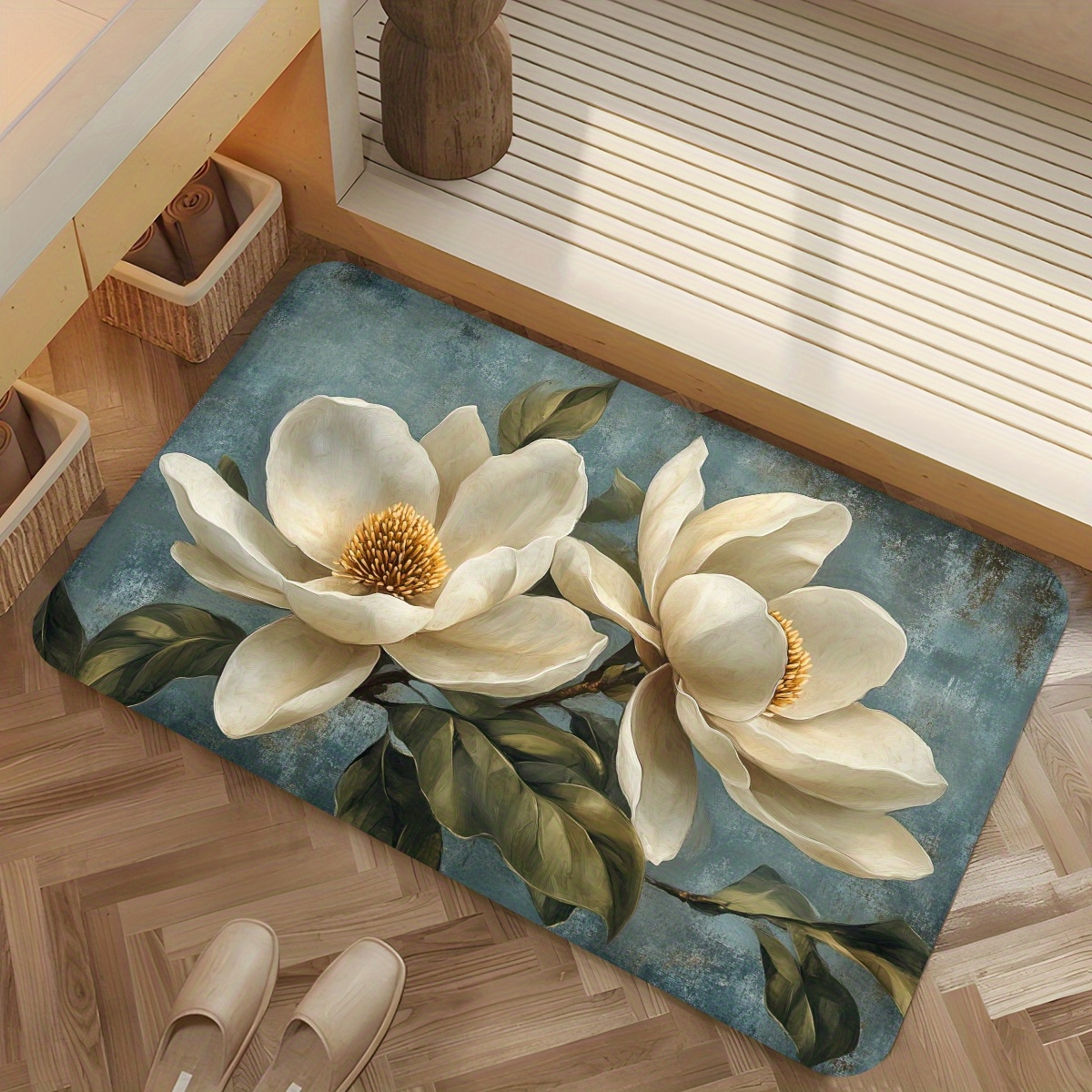
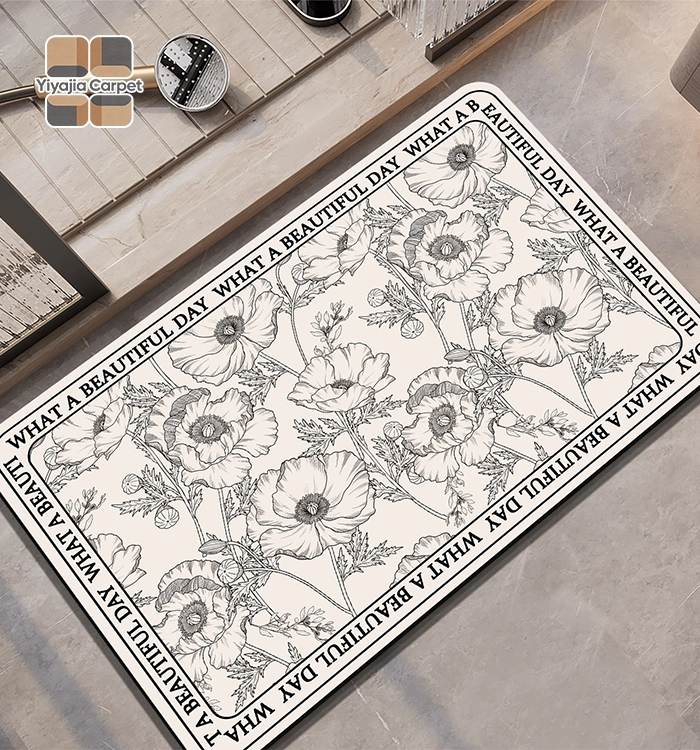
Stair floor mats with customizable sizes and shapes available for order
July 28, 2026


There is no one-size-fits-all way to find the best method for protecting stairs in business settings. The exact safety, aesthetic, and functional requirements of modern businesses are met by stair floor mats with customisable dimensions and configurations. Having access to custom stairway protection that fits exact requirements changes how you think about job safety and finishing interiors, whether you are in charge of buying things for a store network, managing a hotel company or selling building materials to contractors. Customisable options get rid of the need to guess, cut down on waste from trimming standard products, and produce professional results that are in line with brand standards in multiple locations.

Understanding Stair Floor Mats: Features, Benefits, and Applications
What Makes Customizable Stair Mats Essential for Commercial Use?
Fixed-size mats from the past often have holes, meet in strange ways, or can't fit around building features like curved steps or odd-shaped rooms. Customisable stairway coverings get around these problems by being able to fit your exact measurements and design needs. This accuracy improves the covering for slip resistance, stops trip risks caused by edges that don't fit properly, and makes all properties look the same.
The core value is more than just fitting right. Custom-sized protective covers fit right in with your current decor and meet all safety standards. Stair floor mats that are made to handle certain traffic volumes and environmental conditions are helpful for businesses in the retail, healthcare, and hospitality industries. Customisation makes sure that each application gets the right solution. For example, a hotel lobby requires different performance characteristics than an industrial loading dock.
Key Performance Advantages in B2B Environments
Modern systems for protecting stairs have measurable operational benefits. By keeping friction coefficients above industry safety standards even when it's wet, anti-slip surfaces lower the risk of being sued. The diatomaceous earth surface absorbs water right away, so there aren't as many dangerous wet spots during rush hour. This technology is especially useful in places where it rains a lot or where there are areas that go from outside to inside.
Another important benefit is that it lowers noise. High-density technological velvet cloth structures with rubber backing greatly reduce walking sounds, which helps with noise problems in office buildings and apartment complexes with multiple floors. The weight standard of 1600g/m² means that the material has a high density that keeps it from moving when people walk on it and keeps its shape over years of use. Surface protection capabilities make the stair materials below last longer. These coverings protect surfaces from abrasive wear, impact damage, and stains. They can be used to protect polished marble in high-end stores or practical concrete in warehouses. The 3mm thickness gives enough cushioning without making the height changes too dangerous for people to avoid tripping.
Material Comparison for Informed Procurement Decisions
Compositions made of diatomaceous earth are clearly better than traditional carpet or PVC options. Mould and mildew can't grow in the porous mineral structure, so there are no smell problems that usually happen in places with a lot of moisture. This natural antimicrobial trait makes upkeep easier and increases the time between replacements. The technology behind rubber backing has grown beyond simple ways to stick things together. These days, thermoplastic rubber systems stick to surfaces by physical tension instead of chemical bonding. This keeps residue from getting on expensive floor finishes. This design makes it possible to move things around during installation and removal without damaging the surface, which is very important for rented business areas or short-term project installations.
How to Choose the Right Customizable Stair Floor Mats for Your Business Needs?
Establishing Selection Criteria Based on Operational Context
Traffic analysis should come first when making decisions about purchases. High-traffic commercial areas need the highest ratings for durability, while corporate offices may put more value on aesthetic flexibility. Knowing your specific use case keeps you from over-specificating, which drives up costs, or under-specificating, which forces you to replace something too soon.
The first step in judging the quality of a material is to measure its density and check the type of backing it has. The 1600g/m² standard sets the standard for commercial-grade performance and sets professional goods apart from lightweight consumer options. A thick enough rubber backing ensures a secure fit without any problems with permanent adhesive. Slip resistance is something that needs extra attention. According to ASTM D2047 standards, products are truly slip-resistant if they meet or beat a Static Coefficient of Friction of 0.6. This measured standard makes sure that marketing claims are clear and that safety rules are followed in all countries.
Customizable Versus Standard Options: A Performance Analysis
Fixed-size items make you make concessions. Cutting standard stair floor mats to fit often damages the edges, which leads to tearing and faster wear and tear. Custom laser-cutting technology gets rid of this problem by giving you exact measurements and sealed edges that keep the structure of the product strong for a long time.
Custom size makes installation a lot easier and faster. By getting rid of field modifications, contractors can cut down on labour hours and completely eliminate the chance of measurement mistakes happening during on-site cutting. This streamlined deployment means lower project costs and faster occupancy times, both of which are very important for commercial construction schedules.
Supplementary Considerations for Specialized Applications
Fire retardancy is now required in a lot of business settings. Products that meet the Critical Radiant Flux standards set by ASTM E648 make sure that building codes for egress routes are followed. This license is especially important for schools, hospitals, and hotels that are inspected by the government to make sure their safety systems are up to code. Environmental awareness is becoming more and more important in purchasing decisions. When a product is certified by OEKO-TEX, it means that it meets strict standards for not having any harmful substances in it. This meets both government requirements and corporate sustainability goals. For checking the safety of chemicals, European markets value REACH compliance documentation the most.
Installation and Maintenance of Custom Stair Floor Mats
Systematic Installation Process for Optimal Performance
A well-prepared area is the first step in a proper launch. The stairs need to be clean, dry, and free of anything that could get in the way of good backing contact. Even small amounts of dirt and dust can make grip less effective and cause early failure points.
The correctness of the measurements affects the end result. Check the tread's depth and width from more than one place, since older buildings often have differences in size due to settlement or renovations. Think about how much nosing coverage you need to protect the most vulnerable edge areas from damage from impacts. For custom orders, there should be 2-3 mm of room for small flaws without affecting the fit. In multi-step installations, planning the layout is important. Starting at the bottom and making your way up makes it possible to make changes if there are problems with the sizes. As people walk on it, the rubber backing gradually sticks to the floor. This means that if you place it correctly the first time, you won't have any trouble moving it after the first day.
Material-Specific Maintenance Protocols
When it comes to care, diatomaceous earth surfaces need to be handled differently than regular stair floor mats. Regular vacuuming gets rid of dust and dirt that could damage the surface. Spot cleaning with wet cloths works well for spills, and the material's natural resistance to water stops water stains that happen with regular carpet fibres.
Deep cleaning every so often greatly increases the life of something. The anti-stain treatment on the surface protects against most common industrial contaminants, but it should be washed every three months to keep its best look and performance. Because it dries quickly, there is little downtime—facilities can clean up and get back to normal in hours instead of overnight. Edge inspection should happen once a month in high-traffic applications. Laser-cut edges don't fray, but catching problems early keeps small wear from becoming a structural problem. This proactive approach gets the best return on investment by finding small areas of damage before they need to be replaced completely.
Real-World Implementation: Commercial Office Case Study
A medium-sized tech business had a lot of slips and falls on the marble stairs in their main building when it rained. Standard mat solutions had holes and added new trip risks because they weren't the right size. Reports of accidents dropped to zero over the course of 18 months after the use of custom-cut diatomaceous earth mats with exact measures. Compared to their old answer, maintenance costs went down by 40% because the quick-drying surface needed to be cleaned less often. The project showed that the right specifications and customisation can lead to safety and cost benefits that can be measured.
Market Comparison: Best Customizable Stair Floor Mats and Trusted Brands
Evaluating Supplier Capabilities and Product Offerings
There are both well-known brands and specialised manufacturers that serve B2B channels in the market for Anti-slip stair mat products. Big names like 3M and Gorilla Grip offer basic customisation choices that work for smaller projects. On the other hand, industrial suppliers like Rubber-Cal offer heavy-duty specifications for tough jobs. Yiyajia Carpet is an example of a specialised maker because they focus on mass customisation and use advanced production technologies to make solutions that are truly made to order.
Product differentiation emerges in manufacturing capabilities. Heat transfer printing can make patterns with any level of detail, so it can be used for corporate branding or colour-coding systems to help people find their way. With laser cutting, measurements are accurate to within millimetres, which is very important for professional installations where gaps can ruin the look.
Wholesale Pricing Structures and Value Analysis
Businesses that need to do business in more than one place or have a lot of projects in the works benefit from bulk purchasing. Different suppliers have very different minimum order amounts, and flexible limits are now used to set sellers apart in the market. Export-grade packing standards keep goods safe while they're being shipped internationally. This lowers the costs of replacing damaged goods, which eat away at the saves from low unit prices.
Quality assurance processes separate professional suppliers from commodity vendors. A thorough inspection before shipping that checks the dimensions, accuracy of the pattern, and integrity of the backing stops expensive project delays caused by damaged deliveries. ISO 9001 certification shows that quality management is systematic, not batch-dependent, which gives buyers confidence for big commitments.
Service Capabilities Beyond Product Supply
Installation support services are very helpful for contractors who are working on tight deadlines. Advanced manufacturing technologies allow for rapid sample production within 24 to 48 hours. This speeds up the decision-making process and lowers the project risk that comes from using the wrong specs. Customer-focused suppliers can check exact pattern copy, dimensional accuracy, and performance traits before committing to full production runs. Transaction-focused suppliers can't do this.
After-sales support structures matter particularly for long-term partnerships. Dedicated account management makes sure that repeat orders are scheduled first, which keeps supplies steady for businesses with regular repair cycles. As operational needs change, technical consulting services help suppliers become partners instead of just vendors by making specifications better.
Conclusion
Customised stair floor mats solutions offer real benefits in business settings by getting rid of the problems that come with standard products. Precision manufacturing technologies allow for exact fitment, which improves safety performance, makes installation easier, and creates a professional look that meets company standards. New types of materials, like diatomaceous earth surfaces, better control moisture and kill germs, which lowers the need for maintenance and increases the life of the product. The best value for procurement workers comes from working with suppliers that offer full customisation options, strict quality control, and a service infrastructure that can adapt to both short-term project needs and long-term operating needs.
FAQ
Q1: Can Customizable Mats Function on Carpeted Stairways?
A: Rubber backing systems that are meant to be used on hard surfaces might not work as well on carpet that is already there. To get enough grip tension, the backing needs to be pressed down firmly. For carpeted areas, there are special low-profile designs, but the procurement specifications must make this use case clear to make sure the right stair floor mats are chosen.
Q2: Which Materials Provide Superior Slip Resistance in Commercial Settings?
A: Diatomaceous earth surfaces work best when it's wet because they soak up water quickly, while textured rubber surfaces provide consistent dry traction. Test results that show friction coefficients above 0.6 SCOF show real slip resistance. Instead of relying only on marketing claims, check what the supplier says with third-party testing records.
Q3: What Options Exist for Bulk Orders with Corporate Branding?
A: Heat transfer printing lets you add full-color logos and custom patterns without having to buy a certain number of items, which is how most manufacturing methods work. OEM and ODM customisation services can match specific colours to corporate standards, and sample review processes make sure that the copy is correct before full production starts.
Partner with Yiyajia Carpet for Professional Stair Floor Mats Solutions
Yiyajia Carpet offers a wide range of stair floor mats customisation options and uses modern production infrastructure that is designed to meet the needs of business-to-business buyers. Our laser cutting technology can handle any size or form need, and our heat transfer systems can make complicated patterns with perfect colour matching. We keep up with ISO 9001 quality management standards and 100% pre-shipment inspection processes that take away any delivery worries as a seller of stair floor mats to customers around the world. Bulk order flexibility lets projects of different sizes work without having to stick to strict minimum quantities that make planning purchases harder. Email our team at sale@yyj-carpet.com to talk about your specific needs and get full technical specifications.
References
1. American Society for Testing and Materials. "Standard Test Method for Static Coefficient of Friction of Polish-Coated Flooring Surfaces." ASTM D2047-19, 2019.
2. National Floor Safety Institute. "Walkway Safety and Slip Resistance Standards in Commercial Environments." Technical Report Series, 2021.
3. European Committee for Standardization. "Textile Floor Coverings: Classification of Pile Carpets." EN 1307:2014 Standards Documentation, 2014.
4. Occupational Safety and Health Administration. "Walking-Working Surfaces and Personal Protective Equipment: Final Rule Analysis." Federal Register Document 81-82494, 2016.
5. International Organization for Standardization. "Quality Management Systems: Requirements for Textile Manufacturers." ISO 9001:2015 Compliance Guidelines, 2015.
6. Building Research Establishment. "Fire Performance of Construction Products: Classification Procedures for European Markets." BRE Global Technical Publication, 2020.