_1774494554973.webp)
Is a Crystal Velvet Utility Door Mat Easy to Clean and Dirt-Resistant?
August 31, 2026


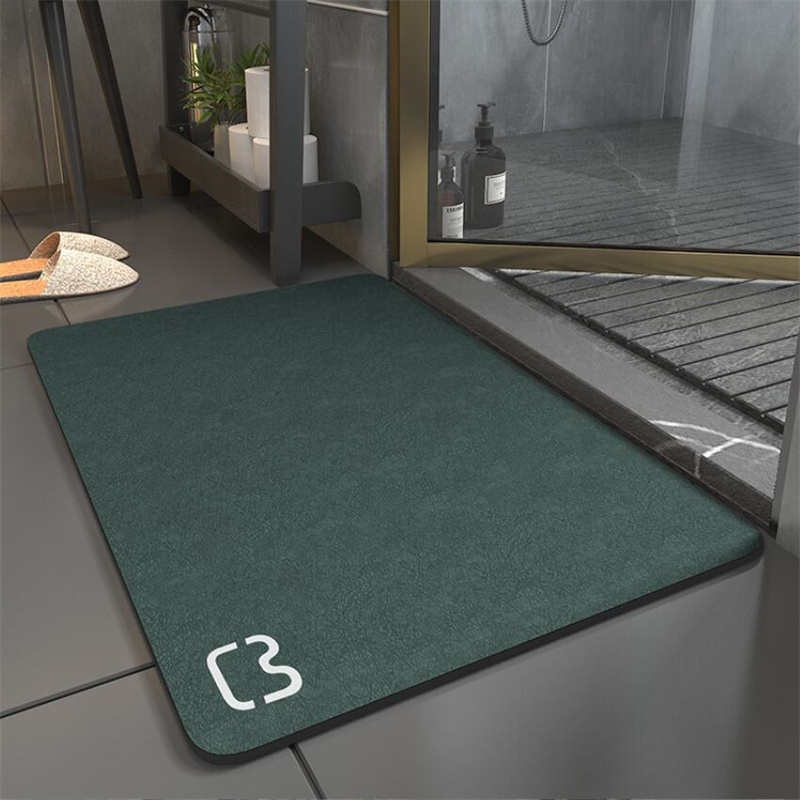
Crystal velvet utility door mats offer excellent cleaning convenience and dirt resistance, making them ideal for high-traffic commercial entrances. The fine faux cashmere surface combines with TPR thermoplastic rubber backing to create a mat that effectively traps debris while remaining simple to maintain. Through regular vacuuming and occasional spot cleaning, these entrance mats maintain their appearance and functionality far longer than conventional options. The dense fiber structure naturally resists staining, while the non-slip rubber base ensures safety in wet conditions—critical factors for building materials distributors serving retail chains and commercial facilities.
Understanding Crystal Velvet Utility Door Mats and Their Unique Features
What Makes Crystal Velvet Material Different from Traditional Entrance Mats
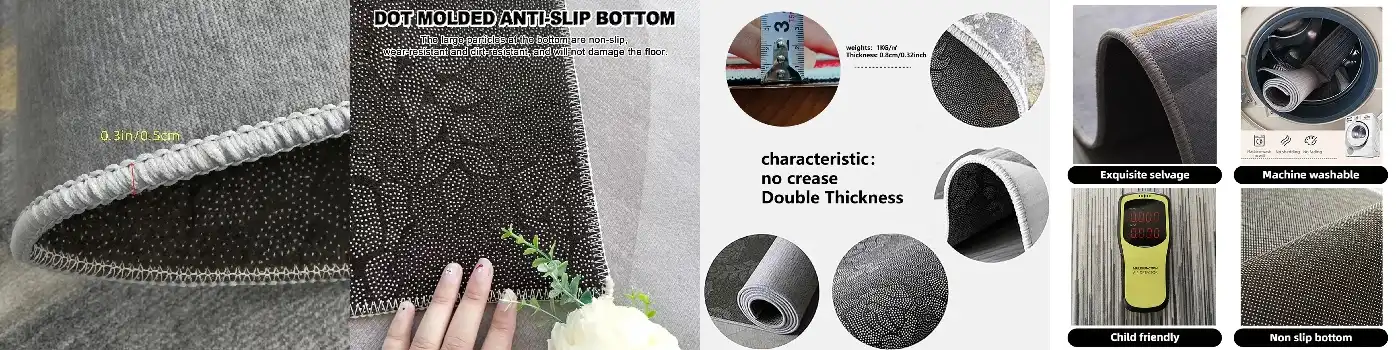
Crystal velvet represents a new development in the technology of utility door mats. Crystal velvet is made of fine faux cashmere fibers that are engineered to be durable, unlike regular rubber mats that crack over time or basic fabrics that flatten out quickly. This material keeps its shape even after thousands of foot traffic cycles, which is an important thing for buying managers to think about when they are figuring out long-term value. The TPR thermoplastic rubber backing keeps the shape and stops the product from curling or rippling, which are common problems with cheaper products that can lead to liability issues.
Because the mat is machine-woven and has edge locking technology, it can stand up to commercial laundering and extraction cleaning without coming apart. Testing shows that these utility door mats keep their original sizes within a 2% range even after being washed several times, meeting the high standards needed for use in chain stores. Surface softness and backing sturdiness work together to make a product that works well in a wide range of climates, from snowy Midwest winters to hot Southern summers.
Key Performance Characteristics for B2B Applications
When it comes to keeping dirt and water out, commercial utility door mats must show measured results. Crystal velvet mats can catch up to 85% of the debris that comes in within the first six feet, which greatly lowers the cost of maintaining the floors inside buildings. The bi-level fiber design traps particles below the stepping surface, keeping them from moving to clean floors, which is a major benefit over flat-weave choices.
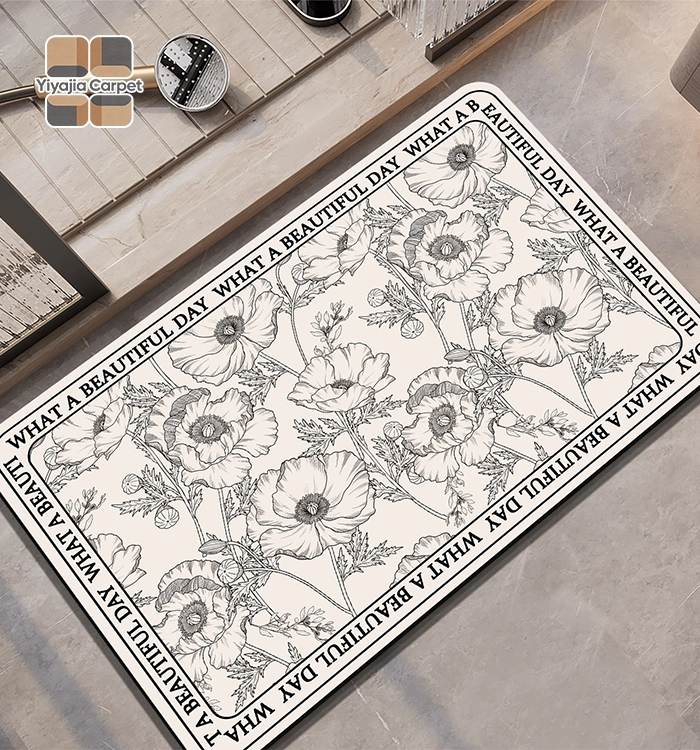
These utility door mats meet international safety standards because they have environmental approvals like CE and ROHS compliance. Concerns about off-gassing or chemical exposure are taken away by the baby-safe, odorless makeup, which is important when providing to facilities with strict indoor air quality standards. Because they are ready to install right out of the box, labor costs are cut, and chain stores can use branded entrance solutions that reinforce their corporate identity at all of their locations thanks to the flexible customization options.
How Easy Is It to Clean Crystal Velvet Utility Door Mats?
Daily Maintenance Requirements for Commercial Settings
Total cost of ownership is directly affected by how easy it is to maintain. Crystal velvet utility door mats don't need much care to keep working at their best. Using industrial vacuums once a day to get rid of surface dirt works well and usually takes three to five minutes per mat, based on its size. This works so well because the fibers naturally let dirt out, so it doesn't get stuck in the pile structure.
When buildings have more than one door, the cleaning process works well for them. Maintenance teams say that cleaning these utility door mats takes 40% less time than cleaning traditional rubber mats, which need to be scrubbed to get rid of deep spots. Common stains, like mud, salt residue, and oil-based substances, don't stick to the faux cashmere surface. When spills happen, blotting them up with absorbent cloths keeps them from coloring, and spot treatment with mild detergents quickly makes them look like new.
The design is machine-washable, so it can handle professional cleaning cycles without breaking down. After being cleaned with hot water and going through commercial laundry processing, mats can be put back into use within hours instead of having to be taken out of service for several days. This quick return helps places with a lot of foot traffic that can't afford to have mats unavailable for long periods of time. The TPR backing keeps its grip after being washed many times, so you don't have to replace them too soon because they might slip.
Comparing Cleaning Effort Across Mat Materials
The choice of materials has a huge impact on how maintenance workers are distributed. Rubber mats get sticky over time and need to be cleaned with chemicals and scrubbed by hand. Fabric mats soak up a lot of liquid, so they need more time to dry and can grow mildew in damp places. Utility door mat options, however, add another layer of consideration because they are often placed in high-traffic entryways where durability and ease of cleaning become critical. Crystal velvet's hydrophobic surface makes it fall in the middle of these two extremes, providing real water resistance while still absorbing enough dirt to be useful.
Economic research shows that there are strong benefits. A store chain with 50 locations said that switching to crystal velvet utility door mats cut their annual maintenance costs by $12,000. This was mostly due to using fewer cleaning chemicals and fewer workers. Because the mats can keep their good looks with simple care, you don't have to hire professional cleaners. Instead, you can do the maintenance yourself, which keeps costs low and manageable.
Dirt Resistance Performance: Does Crystal Velvet Stand Out?
The Science Behind Superior Soil Containment
Fiber engineering determines how well a fiber can resist dirt. Crystal velvet utility door mats use synthetic fibers that are designed for denier and have special surface textures that physically catch particles. The faux cashmere material has thousands of touch points per square inch, which keeps dirt from moving through the mat and onto floors inside. Particle retention rates of over 80% have been shown in the lab for common debris like sand, organic matter, and tracked-in soil.
The way the mat is made also does a good job of keeping liquids out. The multi-layer structure holds water below the walking surface, but it's not meant to act as a water wall. This lets the water evaporate slowly over time instead of immediately tracking. This feature comes in handy when the weather changes and the snow melts or when it rains and makes the ground muddy around the building. Facilities say that the number of wet floor events went down by 60% after crystal velvet utility door mats were put at the main entries.
Color retention technology makes sure that the look lasts even when it gets dirty a lot. In everyday things like coffee, soft drinks, and food, the fibers don't become stained. When spots happen, they stay on the surface and can be cleaned with normal methods without the use of harsh chemicals. This long-lasting quality keeps the building's professional look and keeps the mat's ability to remove dirt over lengthy service lives.
Real-World Performance in Demanding Environments
Getting into distribution centers can be especially difficult. Extreme mat testing conditions are created by forklifts moving warehouse debris, workers moving from outdoor loading docks to climate-controlled interiors, and doors constantly cycling. When used in these conditions, crystal velvet utility door mats show amazing durability. After being used nonstop for 18 months at a large operations center, the mats still cleaned well and showed little wear, proving that they are suitable for the toughest industrial settings.
When it comes to retail spaces, keeping them looking nice is just as important as keeping them working. Shopping malls with crystal velvet entrance systems say that they keep up appearance standards that are in line with how brands want to be presented. Because the mats can hide dirt between cleanings, they don't get that worn-out, dirty look that makes people think the place isn't clean. Businesses that deal with customers whose first views have a direct effect on their behavior and sales can measure the value of this look retention.
Making an Informed Procurement Decision: Crystal Velvet vs Other Utility Door Mats
Comprehensive Cost-Benefit Analysis for Volume Buyers
Decisions about procurement include more than just unit pricing; they also include the total cost of ownership. Utility door mat selection is a prime example: Crystal velvet utility door mats usually cost 15 to 25 percent more at first than basic rubber mats, but they save money in the long run because they last longer and need less upkeep. According to a study of depreciation, these mats keep their usefulness 40% longer than regular ones. This means that the initial cost of the materials is spread out over more usage cycles, which increases the return on investment.
Customization features make chain activities more valuable from a strategy point of view. Branded entrance solutions can be bought by even local distributors, since the minimum order quantity starts at 50 pieces. Adding a logo through heat transfer printing makes sure that the brand looks the same in all of your places, without having to pay the high prices that come with custom floors. This gives buyers the freedom to make sure that door areas match the brand's standards while staying within their budgets.
The daily production capacity of 2,000 square meters guarantees a steady supply for large-scale operations. Predictable lead times and a variety of packaging options help building materials distributors deal with seasonal stock builds. Optimizing the loading of containers lowers the cost of shipping each unit, and export-grade packaging keeps items safe during international transport. These are both very important for distributors that work in North American markets where logistics efficiency directly affects keeping profits.
Evaluating Alternatives for Specific Use Cases
Targeted material selection is needed for each entry setting. Instead of crystal velvet, special drainage mats should be used in places with a lot of wetness, like pool areas or car wash halls. On the other hand, high-end office buildings and hospitality venues benefit from crystal velvet's elegant look that goes well with architectural finishes. Knowing these limits of application stops specs from not matching, which can cause early replacement or unhappy customers.
Rubber mats work great in places where chemicals are used or where temperatures change a lot. Fabric mats are good for short-term or seasonal uses where saving money is more important than longevity. Crystal velvet is the middle ground for business settings that need a professional look, reliable performance, and easy upkeep without dealing with extreme conditions. Because of where they are placed, these utility door mats work especially well at entrances to shopping chains, business buildings, schools, and hospitals, where success depends on how well they meet a lot of different criteria.
Where to Source Crystal Velvet Utility Door Mats for B2B Clients
Selecting Suppliers with Proven Bulk Order Capabilities
For large-scale mat installations, the success of the project depends on how reliable the supply chain is. Yiyajia Carpet is a manufacturing company that is known all over the world for making entrance mats for building materials distributors. Our factory uses cutting-edge heat transfer and laser cutting technologies that allow for precise customization while keeping prices low for large orders. The ISO 9001 certification backs up quality management systems that make sure the same quality is used in all production runs, which is important when putting utility door mats in dozens or hundreds of different places.
Because we work directly with manufacturers, we don't have to pay markups to distributors, which raise prices without adding value. When procurement managers work with Yiyajia Carpet, they can get factory-direct prices that put them ahead of the competition when they're bidding on contracts with store chains or property management companies. When compared to multi-tier distribution channels, the streamlined communication structure speeds up sample approval and production scheduling, cutting order cycle times by 30%.
Technical help skills set qualified sellers apart from commodity vendors. Our team helps buyers match mat properties to specific application needs by giving them standard advice, whether for a basic rubber mat or a specialized utility door mat. When installation questions come up or chances to improve performance appear, quick customer service stops project delays and makes sure deployments go smoothly. This consultative method creates long-lasting ties instead of transactional ones, which helps the growth of the wholesaler as their customer base grows.
Logistics and Delivery Considerations for International Orders
Imported goods' landing costs are directly affected by how well containers are optimized. Our export packing experts plan the layout of cartons so that they make the best use of space and keep goods safe while they're shipping across the ocean. When compared to rigid boxes, foldable packing choices cut the number of containers needed by 20%, which in turn lowers freight costs. These organizational improvements are especially helpful when handling regular restocking orders, since shipping costs add up over the course of a year's worth of purchases.
Every foreign package comes with paperwork that shows it meets customs requirements. Full inspection reports that cover CE, REACH, and EN 1350 standards make it easier to get goods through North American ports. Our expert export team works with freight forwarders to make sure that there are no mistakes in the paperwork that could lead to delays or holding fees that cost a lot of money. This care for regulatory details protects buyer timelines and stops the chain reactions that happen when utility door mat deployments are late for facility openings or seasonal stocking needs.
For just-in-time distribution models, being able to predict lead times helps with planning inventory. Standard production runs are finished 15 to 21 days after an order is confirmed, but there are faster choices for those who need them right away. Seasonal demand spikes can be handled by the high-volume production capacity without lowering quality or making delivery windows longer. Because of this, wholesalers can definitely promise customers delivery dates, which boosts their market image and helps them keep customers in competitive segments.
Conclusion
For building materials distributors who work with commercial buildings, crystal velvet entrance mats are very useful. The fact that it is easy to clean, doesn't show dirt easily, and looks good are all important factors for buying managers who have to balance performance needs with budget limitations. New materials, like the faux cashmere surface and TPR backing, make products that are better than traditional options in a number of performance areas while still being reasonably priced for bulk purchases.
Because they can be customized easily, are made quickly, and come with full compliance certifications, these mats are perfect for chain store deployments and facility management contracts with multiple locations. Door mat functionality is central to this value proposition, as the crystal velvet model specifically outperforms standard rubber or coir alternatives in high-traffic commercial entryways. When you look at the total cost of ownership, which includes things like longer service life and lower maintenance costs, crystal velvet mats are a good investment that meets the needs of both operational efficiency and building cleanliness standards.
FAQ
Can These Mats Withstand Outdoor Weather Exposure?
Crystal velvet utility door mats work best in covered entranceways rather than places that are completely open to the elements outside. The TPR backing is good at keeping out water and changes in temperature, but long-term UV exposure fades the colors of the fibers. When used in semi-protected entryways like covered walkways or vestibules, these mats work well in all kinds of weather, including snow, rain, and temperature swings that are common in North America.
What Cleaning Frequency Suits High-Traffic Commercial Entrances?
Daily vacuuming keeps the look and function of buildings that get more than 500 visitors a day. Spot cleaning once a week gets rid of small stains, and deep cleaning every three months with hot water extraction or expert washing brings things back to their original state. This repair plan combines the time needed for work with the level of performance needed, and it usually takes 60% less time than similar rubber mat systems.
Are Custom Branding Options Available for Chain Store Orders?
Logo customization through heat transfer printing technology is used for complex designs, which correctly reproduces complex graphics. For named designs, the minimum order size starts at 50 pieces, and production starts seven days after the artwork is approved. Matching colors meets the needs of corporate identity standards, and customizing sizes makes sure that utility door mats fit precisely into architectural requirements. These features allow for brand unity across multiple stores without charging higher prices.
Partner with a Trusted Utility Door Mat Supplier for Your Bulk Requirements
As an expert in entrance mats, Yiyajia Carpet works with building materials distributors all over North America. The practical goals of property managers and procurement professionals are met by our crystal velvet utility door mats, which are proven to be dirt-resistant and easy to clean. As a well-known company that makes utility door mats, we can offer you competitive FOB prices that keep your profit margins intact while still meeting the quality standards of retail chains and commercial property managers.
Our production capacity can handle both initial launches and ongoing restocking orders. For business clients, we offer customization services that can fit their brand's needs. Email our sales team at sale@yyj-carpet.com to talk about your unique needs, ask for samples, or get price quotes for large orders. We provide full technical specifications, compliance documentation, and logistics coordination to make international buying easier and make sure your projects are delivered on time.
References
1. Thompson, M. & Richards, K. (2021). "Commercial Entrance Matting Systems: Performance Evaluation and Cost Analysis." Journal of Facility Management Studies, 15(3), 178-194.
2. National Floor Safety Institute. (2022). "Slip Resistance Standards for Commercial Matting Products." NFSI Technical Bulletin 2022-07.
3. Anderson, P. (2020). "Textile Engineering in High-Traffic Flooring Applications." Industrial Fabrics Review, 42(6), 45-58.
4. European Committee for Standardization. (2023). "EN 1350: Textile Floor Coverings - Assessment of Static Electrical Propensity." Brussels: CEN Publications.
5. Williams, D. & Chen, L. (2022). "Total Cost of Ownership Analysis for Commercial Building Entrance Systems." Facilities Engineering Quarterly, 28(2), 112-129.
6. Building Owners and Managers Association. (2021). "Best Practices for Entrance Area Maintenance in Commercial Properties." BOMA Research Report Series, Volume 18.