_1774494554973.webp)
How to compare hotel carpet samples before buying?
October 15, 2026


Compare hotel carpet samples by pile density, material, backing stability, and lifespan scores relative to high-traffic wear criteria. Strong knots, form retention, and fade resistance are the best hotel carpet qualities. It should be fireproof and quiet. Buyers should touch and read about face weight and stain-resistant techniques. They should also verify the seller's CRI Green Label Plus and ASTM E648 Class I ratings. Ask for samples comparable to how the system would be used to evaluate upkeep, pattern definition, and lifetime cost. Before placing a significant purchase, utilize samples to ensure they satisfy your business's demands and guest experience standards.
Introduction
The best hotel carpet should look excellent, endure long, keep visitors safe, and be affordable. Procurement managers must evaluate carpet samples to determine vendor reliability, material quality, and maintenance needs. If you choose poorly, you may have to replace things too quickly, spend more for repairs, and leave a terrible impression. This article teaches business-to-business buyers how to evaluate hotel carpet. It couples these recommendations with the best new hotel carpet selections so you can make sensible judgments to please visitors and manage your business successfully. Knowing what to search for and how to test things thoroughly will help you avoid costly mistakes and find reliable suppliers.
Understanding the Core Factors in Hotel Carpet Selection
Some simple factors that determine the carpet's long-term performance and cost can assist you pick. Compare samples to see how the materials will perform when used by many people, become dirty, get rolled up, and need constant cleaning. How often something has to be updated and how much it costs to possess depend on its durability. Safety compliance ensures eateries fulfill fire and slip resistance regulations.
Material Composition and Performance Characteristics
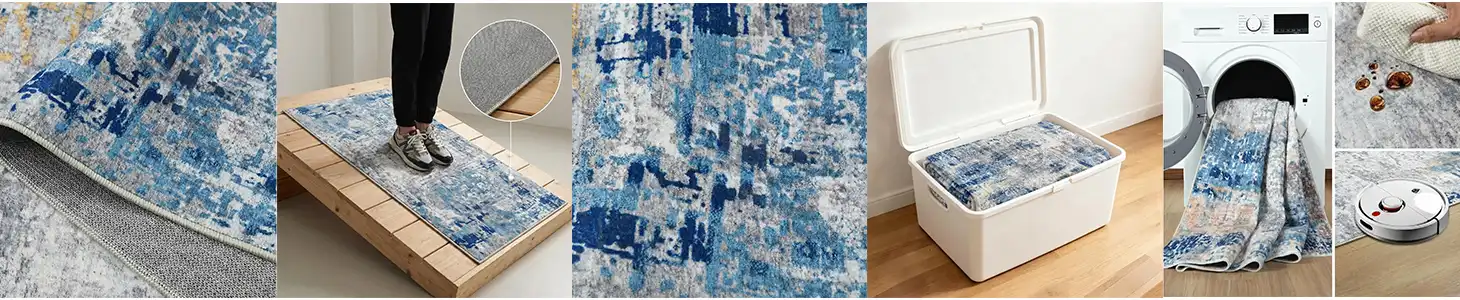
Carpet materials vary in durability and environmental impact. Wool mixtures naturally repel flames and feel luxurious. However, they require more maintenance and cost more initially. Solution-Dyed Nylon (SDN) is ideal for high-traffic areas like doors and corridors since it is robust and colorfast. Polyester mats are inexpensive and colorful, but they may not endure in a company dining area. TPR thermoplastic rubber-backed synthetic cashmere makes objects comfortable, non-slip, and simple to clean.
Stain Resistance and Traffic Tolerance
Hotel mats must withstand constant wetting from beverages, food, and cleaning chemicals. Fluorochemical treatments prevent debris from penetrating the surface, thus there are no stains between deep cleanings. The pile density and construction determine how much traffic the carpet can take. Machine-woven lockstitch patterns withstand wheeled baggage. This prevents loops and threads from unraveling.
Eco-Friendly Certifications and Safety Standards
Buying with environmental responsibility is becoming increasingly crucial. Products with CE and RoHS certifications fulfill European chemical and safety standards. Even in family-friendly hotel rooms, rugs can be utilized safely when they carry the OEKO-TEX label, which confirms materials are non-toxic—an essential feature for the best hotel carpet in properties prioritizing guest health. Guest rooms and public spaces must employ EN 1350 flame protection standards. This ensures insurance and government compliance and reduces fire spread.
Step-by-Step Approach to Systematic Carpet Sample Comparison
A systematic strategy helps purchasers evaluate. This way, customers don't guess and all merchants get the same ratings. Starting with material analysis lets you evaluate if the specs match the qualities.
Material and Construction Analysis
Check pile kind. So reduced pile is good for guest rooms. Loop pile or cut-and-loop mixtures are durable and should be used in halls. The backing should suit the material properly. Reinforced backing systems prevent material separation during cleaning and movement. Smooth, unbreakable sides indicate long-term quality. This is done via machine-weaving and lockstitching.
Design Alignment with Brand Identity
Hotel mats make visitors happy and promote the business. As you see the models, consider how the patterns, colors, and textures match your home's style. Any design or name may be applied with custom heat transfer printing. In this approach, venues may boost brand identification everywhere guests interact. Laser cutting can handle strange forms and accurate measurements, eliminating waste from any building plan.
Durability Testing and Safety Certification Review
Request lab test results in writing. Tumble rugs six times to wear them out quickly. Hotel-grade carpets maintain their appearance at least 3.5 out of 5. Zipped constructions are impossible with tuft bind strength beyond 6 pounds. Even when the air changes, dimensional stability tests should indicate that the material doesn't change size by more than 0.2%. This prevents the material from gaping or bending after installation.
Maintenance Considerations and Lifecycle Cost Projections
Compare cleaning requirements when comparing samples. Rugs that require pH-neutral cleansers cost more to maintain than normally protected carpets. To calculate lifetime expenses, multiply the initial purchase price by the projected annual repair cost and replacement time. Long-lasting materials are sometimes worth more than inexpensive ones that need to be updated more regularly.
Supplier Evaluation for Procurement Reliability
Supplier dependability affects project success. Find out if you may buy a lot and the minimum order quantity. Big projects and small properties can fulfill the 50-piece MOQ, which allows size and color changes. Check wait times and production. Supplies that create over 2,000 square meters per day can fulfill installation goals. Make sure there's post-sale support. Quality guarantees should cover printing, cutting, and size difficulties, as well as free repairs and shipment.
Comparing Leading Hotel Carpet Types and Brands for Informed Decisions
Compare the best hotel carpet manufacturers and kinds to make sensible decisions. Compare popular carpet materials and brands to see how they perform in various hotels. When you know the advantages and drawbacks of each choice, you can choose the best for your land.
Wool Versus Nylon: Luxury and Practicality
Wool rugs are popular in high-end and low-traffic areas since they're soft and fire-resistant. They like delicate cleaning, and bleach-based chemicals fade them. Nylon, especially SDN, can withstand harsh cleaners and look nice in busy areas. Luxury and durability are finest with the 80/20 Axminster blend. It has 80% wool and 20% Nylon 6.6 for strength and durability.
Carpet Tiles Versus Broadloom Installation
Installing carpet tiles is simple, and you may replace them as they get filthy or broken. This reduces waste and visitor inconvenience while the home is being fixed. Broadloom carpets connect huge spaces, making big ballrooms and conference centers feel luxurious. Find out the price. Tiles are more expensive per square foot but require less upkeep. Each hotel's best decision relies on visitors' style and building limits.
Emerging Innovations in Hospitality Flooring
Textile engineering has created a faux cashmere surface that is as soft as wool but cheaper and less filthy. The TPR thermoplastic rubber backing eliminates asphalt composite odors. No need to air it out—it's ready to use. New concepts speed up work and provide mid-range homes luxury appearances.
Procurement Insights: How to Source and Buy Hotel Carpet Samples Effectively?
Finding trustworthy businesses and knowing what you want are essential to buying carpet. Homes that are constantly being repaired benefit from long-term supplier agreements, which reduce risk and make it easy to buy from the same providers.
Sourcing Strategies and Supplier Channels
Contact manufacturers and suppliers directly for cheap costs and flexibility. More sustainable vendors are offering eco-friendly selections with evidence. Customers who care about the environment and BSR will like this. Sample kits of different materials, designs, and colors might help you determine what to buy without ordering.
Negotiating Large Orders and Sample Requests
Deals and reasonable payment arrangements are beneficial for bulk purchases. Discover customizing possibilities like adding a name, adjusting size, or changing pattern for products such as Hotel-specific carpet. Check their price and delivery time. Trustworthy providers can supply samples in 24–48 hours utilizing laser cutting and heat transfer. These samples are precise replicas of the ultimate product specs, making testing cheaper and faster.
Coordinating Sample Approval with Installation Schedules
Sample review timeframes should not conflict with project goals. Inform your providers of installation timings early on to assist organize manufacturing and delivery. Hire trained business fitters who understand hotel needs. This will help you ensure that pattern matching, seam placement, and soundproofing floors fulfill design and operating criteria.
Case Studies: Successful Hotel Carpet Sample Comparisons and Purchases
Real-life examples demonstrate the best sample viewing and purchasing methods. This helps purchase workers with similar challenges.
Case Study 1: High-Traffic Lobby Durability
A mid-sized hotel firm replacing lobby rugs made sure the new ones would last and look well. They were tested for pile density, tuft bind strength, and nylon SDN types. The 40-ounce carpet scored 4.2 on hexapod tumble tests. The carpet has three years of wear and is walked on 24/7. It looks excellent. This proves the sample comparison procedure succeeded and offers the estimated lifespan value.
Case Study 2: Sustainability and Performance Balance
An eco-friendly small hotel needed OEKO-TEX and CE-certified mats. During sample examination, low-VOC emissions and recyclable items were prioritized. TPR-backed synthetic cashmere carpet was used for visitors' comfort. It was child-safe and odor-free. More satisfied guests and eco-certifications in hotel promotion. Going green helps companies stand out.
Case Study 3: Bulk Purchase Negotiation and Logistics
A property developer supplying a 200-room hotel worked directly with a manufacturer without a MOQ who could build items rapidly. Several hall, guest, and ballroom rugs were sampled and approved. It was easy to fill containers because the provider packaged 2,000 square meters daily. This reduced unit handling costs. After the sale, help addressed tiny size issues immediately, creating a long-term relationship for future projects.
Conclusion
You must balance technical demands, practical facts, and pricing restrictions to compare hotel carpet examples. Tuft bind strength and appearance retention tests should be first. Safety certifications like flame retardancy and VOC norms should be considered, as should the needed maintenance and cleaning ability. To source the best hotel carpet, project success and customer satisfaction depend on supplier reliability, including production capacity, customization, and after-sales support. This way, procurement managers may choose rugs that improve visitor experience, cut living costs, and match the brand's image. Flooring buyers who engage with bespoke solution providers may transform a simple activity into an investment in your property's worth and company convenience.
FAQ
Q1: What makes nylon the most durable carpet for heavy-use hotel areas?
A: Nylon strands are robust and pliable, so pile may bounce back after being walked on or rolled in bags. Solution-Dyed Nylon (SDN) allows color penetrate into the fabric, so it doesn't fade in the sun or with strong chemicals. This means the appearance will endure longer and need to be changed less regularly in halls and pathways with many pedestrians.
Q2: How can I verify eco-friendly carpet certifications?
A: Request OEKO-TEX Standard 100, CE, and RoHS licenses from your providers. To verify a certificate's number, check the proper licensing bodies' websites. Look for CRI Green Label Plus. This shows the hotel satisfies low VOC emission and air quality criteria, which is crucial in small hotels.
Q3: What are the comparative benefits of carpet tiles versus broadloom?
A: Carpet tiles allow you to repair only the defective sections, reducing waste and visitor hassle. They allow creative pattern mixing and easy assembly in non-round spaces. Broadlooms are cheaper per square foot and look fantastic across large spaces. They make ballrooms and large guest rooms appear more costly, therefore they function well there.
Partner with Yiyajia Carpet for Superior Hotel Flooring Solutions
Yiyajia (Tianjin) Carpet Co., Ltd. creates durable, safe, and stylish hotel rugs. Our precise laser cutting and heat transfer printing methods can create any pattern, logo, or unusual form. These satisfy global hotel project requirements. Our goods are CE, RoHS, OEKO-TEX, and ISO 9001-certified. This allows procurement managers searching for the best hotel carpet suppliers piece of mind and ensures compliance. We can complete any assignment on time if our daily productivity is 2,000 square meters. Our MOQ is 50 pieces, and you may customize size and color. This suits modest dwellings and huge projects. Our rigorous quality control evaluates anti-static treatments, flame retardancy, and stronger backing systems to prevent film delamination. We support this with free rework and shipment. Visit yyj-carpet.com or contact sale@yyj-carpet.com to see our products. Change hotel room purchases with a partner who values dependability, innovation, and value.
References
1. Hospitality Flooring Standards Committee. (2022). Commercial Carpet Performance Specifications for Hotel Applications. International Hotel Association Publications.
2. Textile Research Institute. (2021). Comparative Analysis of Wool, Nylon, and Polyester in High-Traffic Hospitality Environments. Journal of Applied Textile Science, Volume 18.
3. Building Safety Council. (2023). Fire Safety Standards and Flame Retardancy Requirements for Hotel Interior Finishes. National Fire Protection Guidelines.
4. Green Building Certification Institute. (2022). Indoor Air Quality and Low-VOC Material Selection in Hospitality Design. Sustainable Hospitality Review, Issue 12.
5. Procurement Best Practices Group. (2021). B2B Sourcing Strategies for Commercial Flooring: Supplier Evaluation and Risk Mitigation. Supply Chain Management Quarterly.
6. Hotel Asset Management Association. (2023). Lifecycle Cost Analysis and Carpet Replacement Planning for Hotel Properties. Asset Optimization White Paper Series.