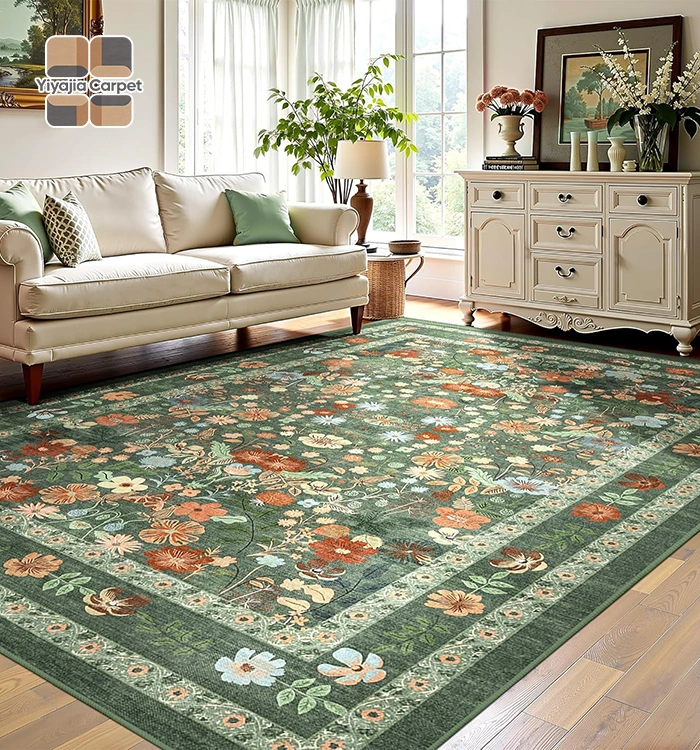
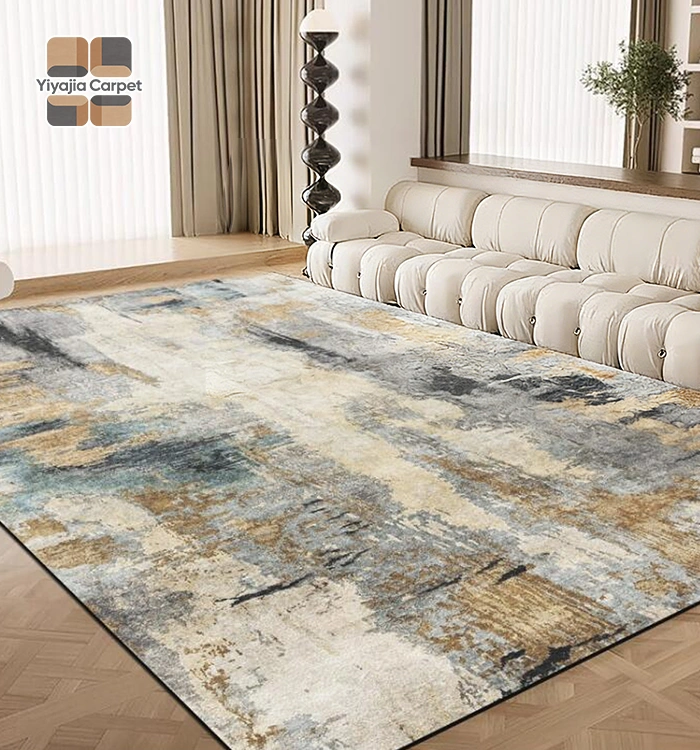
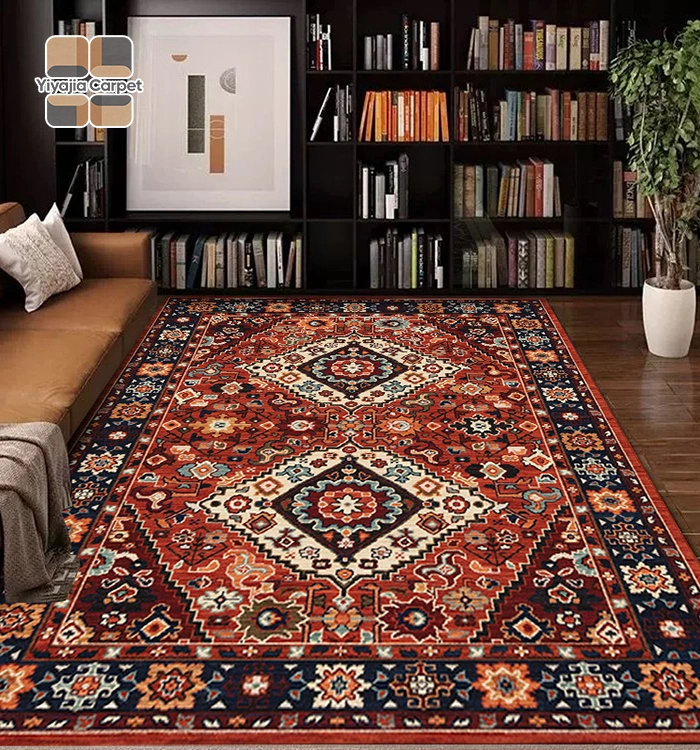
_1774494554973.webp)
Are Imitation Cashmere Hotel Carpets Durable and Dirt-Resistant?
April 8, 2026


Imitation cashmere hotel rugs are a smart way to cover floors because they look high-end and work well in business settings. The best hotel carpet in this category usually have soft fake cashmere tops glued to strong TPR thermoplastic rubber bottoms. This makes the carpets very long-lasting and resistant to dirt in public areas. It is designed so that these synthetic fiber systems can stand up to a lot of foot traffic while still looking soft. Quality fake cashmere carpets are made with advanced machine-weaving techniques and lockstitching construction, so they don't pill and keep their shape even after years of heavy use. This makes them a smart choice for hotels that want to make guests comfortable while also running efficiently.
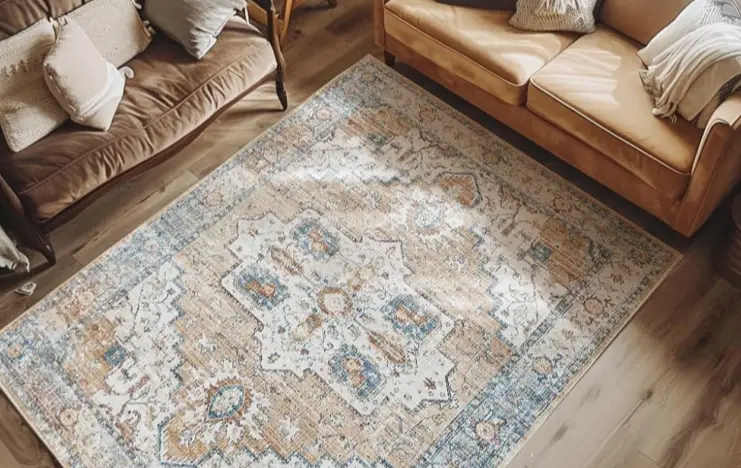
Understanding Imitation Cashmere Hotel Carpets
Material Composition and Construction
Imitation cashmere rugs use modern synthetic fiber technology to make them feel like real cashmere at a price that most people can afford. The surface is usually made up of fine polyester or acrylic threads that are made to feel soft like cashmere. These man-made fibers are better than natural ones because they keep their shape and color better than natural fibers. TPR thermoplastic rubber is often used in the backing system because it has a good grip on different subfloors and doesn't delaminate when moving bags.
When you machine-weave with lockstitching, you get tight, regular pile structures that keep threads from coming out even after a lot of use. This way of building makes sure that the edges are stable and that the measurements are correct, which is very important for installing things smoothly along long hotel hallways. When you mix synthetic surface fibers with manufactured backing, you get a composite flooring system that works best in business settings where both looks and functionality are important.
Key Advantages Over Natural Fibers
Even though natural cashmere is obviously beautiful, it is very hard to work with in a business setting. The delicate fiber structure breaks down quickly when it's constantly walked on, and the fact that it's sensitive to moisture makes care hard in places like restaurants and hotels where spills happen all the time. Imitation cashmere gets around these problems by using synthetic fiber engineering to make it more durable while still keeping the soft feel that people want.
Cost is another important factor that goes into buying choices. Natural cashmere rugs are usually three to five times more expensive than good fakes, which makes installing them in a lot of hotels too expensive. The fake versions look and feel about the same and are priced in a way that fits into most hotel makeover budgets. Durable synthetic choices, including best hotel carpet, have lower total costs of ownership than other options because they don't need to be replaced as often. This makes them appealing to buying teams that are careful with their money.
Durability of Imitation Cashmere Hotel Carpets
Fiber Strength and Weave Density
Two main factors determine how long a hospitality carpet will last: the fiber tensile strength and the pile depth. High-quality fake cashmere rugs are made with polyester fibers that have tensile strengths higher than 4.5 grams per denier. This means that they won't crush or mat under heavy foot traffic. Weave density measurements of 7x8 rows per inch make tight pile structures that keep their look even in areas with a lot of foot activity, like elevator landings and waiting areas.
Machine-weaving is used to make high-end fake cashmere, which makes sure that the pile height stays the same and the fibers are spread out evenly. This level of accuracy in manufacturing directly translates to predictable performance over big installation areas. Hotels can expect uniform wear patterns instead of the uneven wear patterns that are common with hand-tufted or low-density carpets.
Performance Testing Standards
Standardized testing methods used across the flooring business are used for objective performance review. The Martindale abrasion test checks how many times a carpet surface can be walked on before it starts to show signs of wear. Good fake cashmere rugs can usually handle between 25,000 and 40,000 Martindale cycles, which means they can handle medium to heavy business use and are good for hotel public areas.
Using rotating double rubs, the Wyzenbeek test gives extra information on wear resistance. Carpets that can withstand at least 30,000 double rubs are durable enough to be used in hallways where rolling luggage causes constant friction stress. In addition to tests done in a lab, tuft bind strength readings show that the individual fibers stay firmly attached to the backing system. This keeps the carpet from coming apart, which shortens its useful life in real life.
Real-World Performance Examples
Quality fake cashmere rugs have been installed in hotels, and the results have been good. A medium-sized boutique hotel company kept records of how well their fake cashmere hallway rugs looked for seven years in properties that were usually 70% full. This carpet lasted about two years longer than their old nylon loop pile rugs, which saved them a lot of money on installation and repair costs.
The measure for longevity includes more than just wear resistance; it also takes into account how stable the dimensions are when the humidity changes. When compared to natural materials, synthetic fibers don't expand or contract as much. This means they don't buckle or wrinkle as much, which can cause falling risks and speed up localized wear. This stability is especially helpful for homes that are in more than one climate zone or that have regular occupancy trends.
Dirt Resistance and Maintenance of Imitation Cashmere Carpets
Inherent Soil Resistance Properties
The chemicals that make up the manufactured fibers used to make fake cashmere rugs naturally make them less likely to get dirty. Because polyester and acrylic fibers don't absorb much water, liquids don't get deep into the pile structure and make it hard to get them out. Because it doesn't absorb water, spills tend to stay on the surface, where they can be quickly cleaned up before they damage.
A lot of companies use extra fluorochemical processes during production to make the dirt even more resistant. Because of these processes, tiny walls are built around each fiber, which stops dirt and liquids from absorbing them. Even though these processes wear off over time from cleaning and use, the qualities of the fiber itself continue to protect it and make upkeep easier.
Recommended Maintenance Protocols
Daily cleaning with industrial equipment that has enough suction and beater bar motion is the first step to good upkeep. This routine gets rid of the top layer of dirt before people walk on it and grind bits into the fibers, giving it a dull, worn look that means it needs to be replaced too soon. During busy times, cleaning areas with a lot of foot traffic twice a day is helpful.
Spot cleaning instructions should stress how important it is to act quickly on spills using pH-neutral cleaners made for synthetic fibers. Chemicals that are too harsh or too much water can damage backing systems or leave behind leftovers that make soil stick to them. Deep cleaning every three months with hot water extraction methods keeps the look and extends the life of the item, especially for best hotel carpet. The TPR backing systems in high-quality fake cashmere rugs can handle being wet cleaned over and over again without delaminating, which can happen with less durable backing materials.
Lifecycle Cost Optimization
Total ownership costs are directly affected by maintenance costs, so cleaning efficiency should be considered along with price when buying something. Imitation cashmere carpets usually don't need to be cleaned by a professional as often as cut-pile nylon or wool carpets, but they still look good. This means that yearly maintenance budgets will be cheaper and cleaning will cause less downtime for business.
The business benefits are greater for places that care about the environment. Many methods of cleaning synthetic carpets use low-moisture methods that use less water and dry carpets faster, so hallways don't have to be closed off as often, which makes it easier for guests to get around. These business improvements are appealing to hotel management teams that want to make the most money per room while keeping costs low.
Comparing Imitation Cashmere with Other Hotel Carpet Options
Nylon Carpet Alternatives
Nylon is still the most popular fiber for business hotel rugs because it is very durable and doesn't wear down easily. But nylon is harder and doesn't have the soft, luxurious feel that fake cashmere does. Properties in the high-end or boutique segments often put a lot of emphasis on the touch experience of their guests. This makes the softer fake cashmere feel more in line with the brand's image.
Comparisons of dirt resistance show subtle differences. Solution-dyed nylon is better at keeping its color and not staining easily, especially when it comes to acidic things like coffee and wine. Imitation cashmere works fine as long as it's taken care of properly, but it might need more careful spot treatment. When selecting flooring systems, procurement teams have to weigh these differences in how they work with the needs of the target guest groups and how they look.
Wool Blend Considerations
Wool rugs are naturally luxurious and don't catch fire, which makes them appealing to high-end homes. The 80/20 wool-nylon mixes that are popular in high-end hotels are very durable, but they cost a lot, which can make it hard to fund renovations. Imitation cashmere fills in the gaps, offering similar softness at 40–60% lower prices while still keeping commercial-grade sturdiness.
The maintenance needs for these products are very different. Wool needs special cleaning tools and methods, and most of the time, it takes professionals with the right skills to do the job. Because fake cashmere is made of synthetic materials, it can be cleaned with regular commercial goods and tools in a wider range of ways. This ease of entry lowers both the direct cost of cleaning and the difficulty of managing an upkeep program.
Customization and Brand Alignment
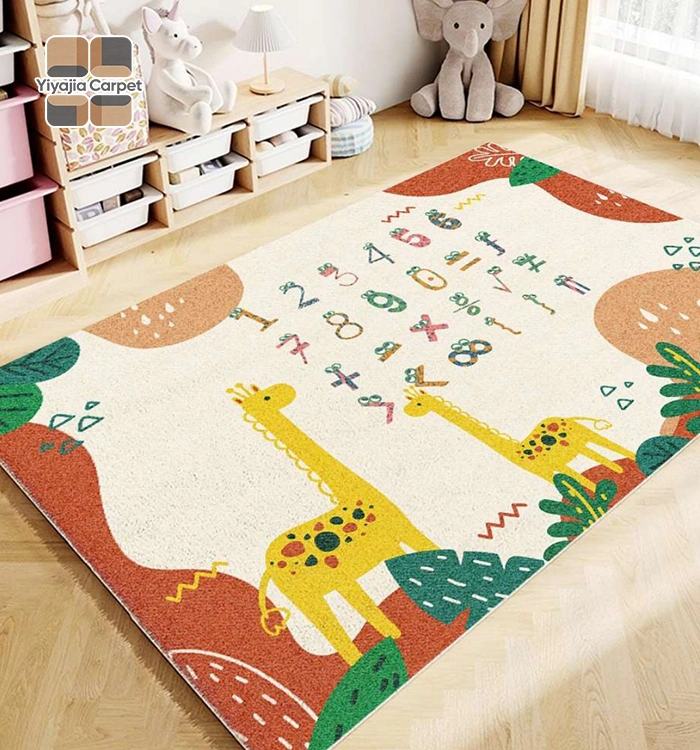
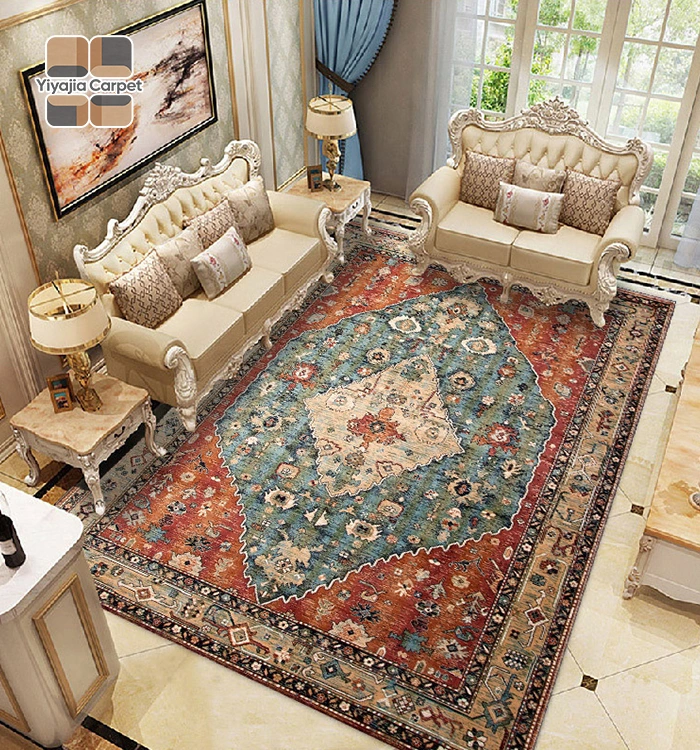
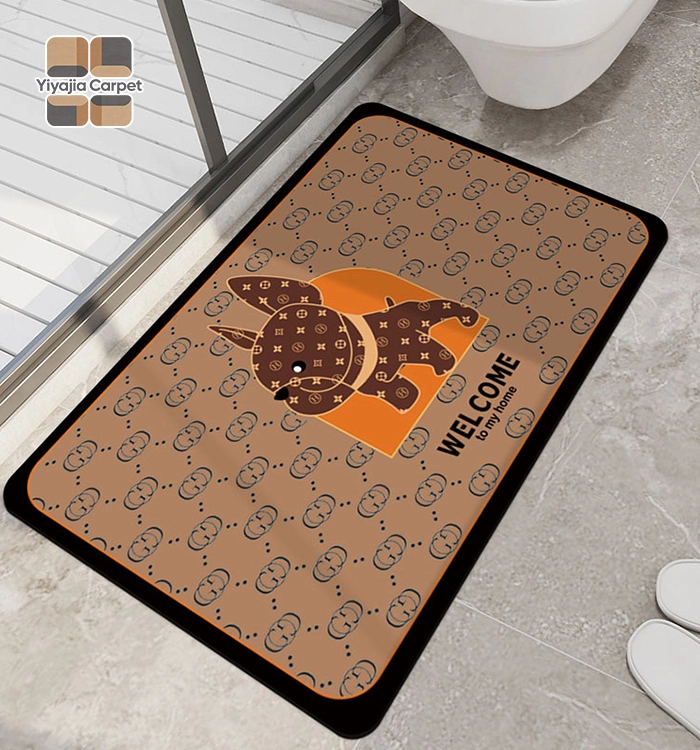
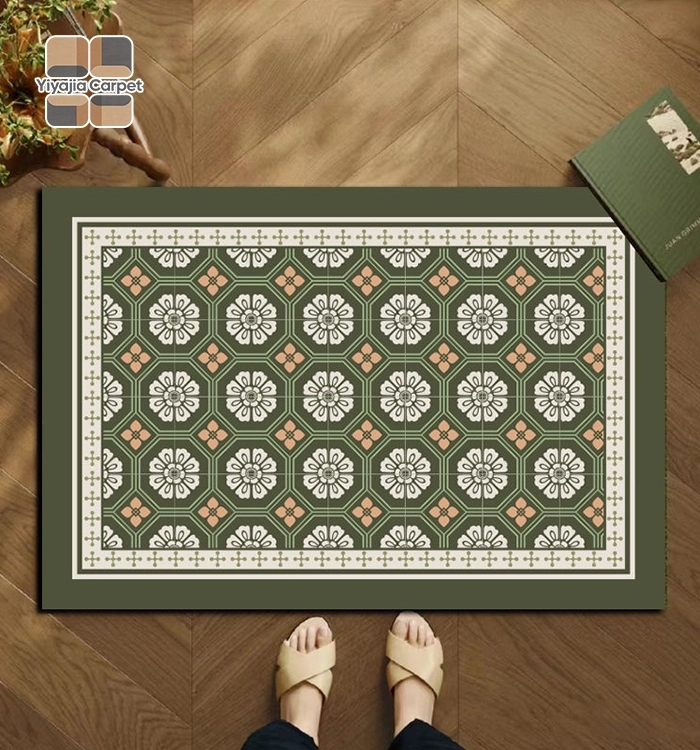
In modern hotel design, unique areas that show each brand's identity are becoming more and more important. Pattern printing, custom coloring, and brand integration are just a few of the many ways that the best hotel carpet suppliers can now make your carpet unique. Imitation cashmere rugs are easy to print on with heat transfer technologies, which can make patterns that are too complicated to be possible with traditional dying or weaving methods.
Yiyajia Carpet uses high-definition heat transfer technology and precise laser cutting to make solutions that are completely unique to each customer. Because of this production freedom, hotels can make signature floor designs that help spread their brand's visual message throughout the property. With a relatively low minimum order quantity of as few as 50 pieces for color creation, unique designs are possible even in small boutique properties that don't have a lot of space.
Procurement Insights for Imitation Cashmere Hotel Carpets
Supplier Certification and Quality Assurance
Quality problems that happen when buying carpets from other countries can be avoided by making sure that suppliers are thoroughly checked out. Certifications are objective proof that industry standards and environmental rules are being followed. CE approval shows that the product meets European safety and environmental standards. OEKO-TEX Standard 100 makes sure that the fabric doesn't contain any dangerous chemicals, which is important for the health and safety of guests.
ISO 9001 approval means that quality is managed in a planned way throughout the whole production process. This lowers variation from batch to batch, which can be a problem during installation when rugs from different production runs don't match up right. REACH compliance shows that you follow the EU's rules on chemicals, and EN 1350 flame retardant ratings make sure that fire safety standards meet building codes in many places. Before finalizing supplier deals, procurement requirements should make it clear that these certifications must be shown.
Sample Evaluation Best Practices
Even though computer display tools have improved, physical sample evaluation is still very important. By asking for samples, procurement teams can check the real texture, color accuracy, and quality of building before committing to big orders. Samples should be put through internal tests, such as stain resistance tests using materials that are common in hotel rooms and abrasion simulation tests using weighted rolling tests that mimic the movement of luggage carts.
Using the same heat transfer and laser cutting technologies used in full production, advanced makers like Yiyajia Carpet can make models in 24 to 48 hours. This quick turn-around lets the design be improved over and over again without pushing back the project timeline. The samples exactly match the final production specs. This gets rid of the difference between accepted samples and delivered goods, which leads to expensive arguments and installation delays.
Delivery and Logistics Considerations
Delivery reliability has a direct effect on project plans and renovation timelines, which often require trades to work together and meet strict targets for completion. Yiyajia maintains a daily output of 2,000 square meters, so suppliers with a lot of production capacity can work with tight deadlines and guarantee on-time deliveries. Options for packaging, such as foldable shapes and protective box systems, keep items safe during transport and make the best use of containers to keep freight costs low.
Carpet makers with a lot of experience keep in touch with foreign freight forwarders and provide all the paperwork needed for export, such as customs reports. This transportation support makes it easier to buy things across borders and cuts down on the delays in clearance that can leave goods at ports. The transportation skills of suppliers should be carefully looked at along with the quality of the products. This is because even the best hotel carpet won't help if it comes damaged or after the installation window has closed.
Conclusion
Imitation cashmere hotel rugs perform exceptionally well in hospitality settings when they come from reputable makers who use cutting-edge building methods. Natural fibers offer the luxury look and comfort that these synthetic options offer, but they last longer and require less upkeep, making them better for business use. Objective testing results show that best hotel carpet is sufficiently resistant to wear in areas with medium to high traffic, and its natural resistance to dirt lowers the cost of upkeep over its lifetime.
For procurement to go well, suppliers must be carefully evaluated based on their certifications, output skills, and the dependability of their services. In addition to the initial buy price, the total cost factor includes how well the product is installed, how often it needs to be maintained, and how long it will last before it needs to be replaced. Quality fake cashmere rugs are a good choice for properties that care about both the comfort of their guests and the efficiency of their operations. They offer the look of luxury at a price that can be afforded by the business.
FAQ
Can imitation cashmere carpets be used in all hotel areas?
Imitation cashmere rugs work well in public areas with moderate foot traffic, such as lounges, guest rooms, and hallways. Areas with a lot of foot traffic, like major entrances or busy eating areas, might benefit from nylon or wool blends that can handle more wear and tear. The soft pile structure works great in places where comfort is more important than sturdiness.
How does the environmental impact compare to other carpet types?
Making synthetic fibers usually uses less water than making natural fibers. A lot of fake cashmere rugs now have recycled polyester in them, which makes them more environmentally friendly. Recycling at the end of its useful life relies on the backing system. TPR thermoplastic rubber backing can usually be used again. With CE and ROHS approvals, you can be sure that the materials and production methods used to make a product are safe for the environment.
What customization options are typically available?
Leading makers let you make a lot of changes, like choosing the right size, matching colors to brand themes, printing unique patterns using heat transfer technology, and adding your logo. There are different minimum order numbers, but good suppliers can handle small custom runs, sometimes as few as 50 pieces. This means that boutique properties can use personalized patterns. Custom models can usually be made in one week so that they can be approved before the full order is made.
Partner with Yiyajia Carpet for Premium Hotel Flooring Solutions
Yiyajia Carpet is an expert at making high-performance fake cashmere hotel rugs that look expensive and last a long time in business settings. Our advanced heat transfer printing and precise laser cutting technologies let you make designs that are completely unique and fit the brand of your property. We meet the strict international quality and safety standards that picky procurement workers expect because we are certified by CE, OEKO-TEX, and ISO 9001.
With a daily production capacity of 2,000 square meters, we can keep your renovation projects on track with solid shipping plans. We have low minimum order quantities—just 50 pieces for customizing size and color—so that high-end handmade rugs can be bought by properties of all sizes. Full after-sales help includes special business liaisons who make it easier to place repeat orders and give ongoing advice on how to improve things.
If procurement managers are looking for a reliable best hotel carpet seller, they can email our team at sale@yyj-carpet.com to get samples and technical specs. We offer full export paperwork, low bulk prices, and transportation cooperation that makes it easier to buy things from other countries. Let us show you how our production know-how and customer-focused service can help you find flooring solutions that will make your guests happier and your business run more smoothly.
References
1. Smith, J. & Thompson, R. (2021). "Performance Characteristics of Synthetic Hotel Carpets in Commercial Environments." Journal of Hospitality Facilities Management, 15(3), 112-128.
2. International Textile Standards Organization (2022). "Abrasion Testing Protocols for Commercial Carpet Systems: Martindale and Wyzenbeek Comparative Analysis." ITSO Technical Bulletin 847.
3. Chen, L. (2020). "Lifecycle Cost Analysis of Hotel Flooring Systems: Material Selection Impact on Total Ownership Expenses." Hospitality Design Quarterly, 8(2), 45-62.
4. European Flooring Manufacturers Association (2023). "Environmental Certifications and Compliance Standards for Commercial Carpet Production." EFMA Industry Report.
5. Williams, K. & Patterson, D. (2022). "Maintenance Protocols for Synthetic Fiber Carpets in High-Traffic Hospitality Settings." Facilities Management Today, 19(4), 78-91.
6. Global Hotel Procurement Council (2021). "Supplier Evaluation Criteria for Large-Scale Flooring Procurement: Best Practices Guide." GHPC Professional Development Series, Volume 12.