_1774494554973.webp)
How To Choose The PVC Coil Mat: The Complete Buyer's Guide
August 14, 2026


Choosing the right wire coil floor mat starts with understanding your traffic volume, moisture levels, and cleaning capacity. The best PVC coil mats combine high-density construction with anti-slip backing, an 8mm thickness for durability, and customizable sizes to fit commercial, industrial, or retail environments. Look beyond price alone—evaluate material quality, certifications like CE and OEKO-TEX, supplier reliability, and after-sales support to ensure long-term performance and safety compliance in your facility.
Understanding PVC Coil Mats: Definition, Benefits, and Working Principles
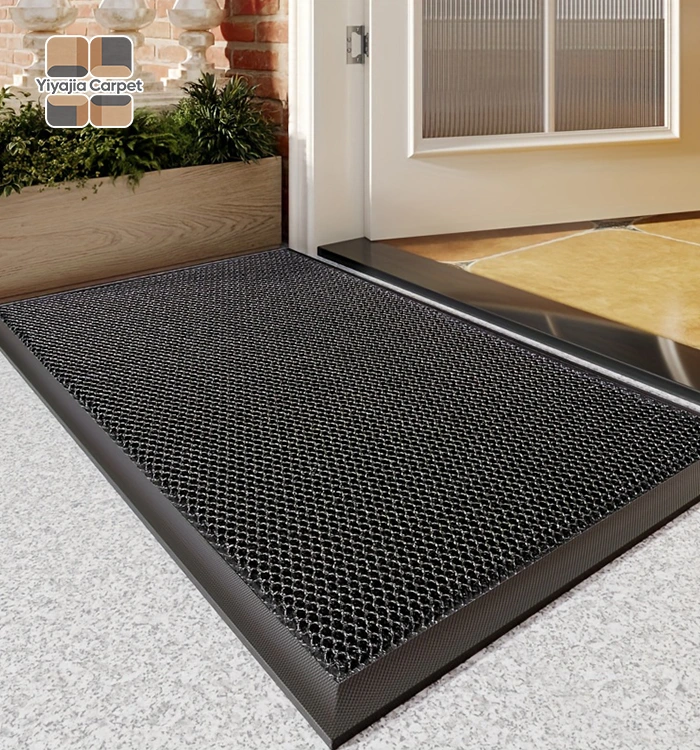
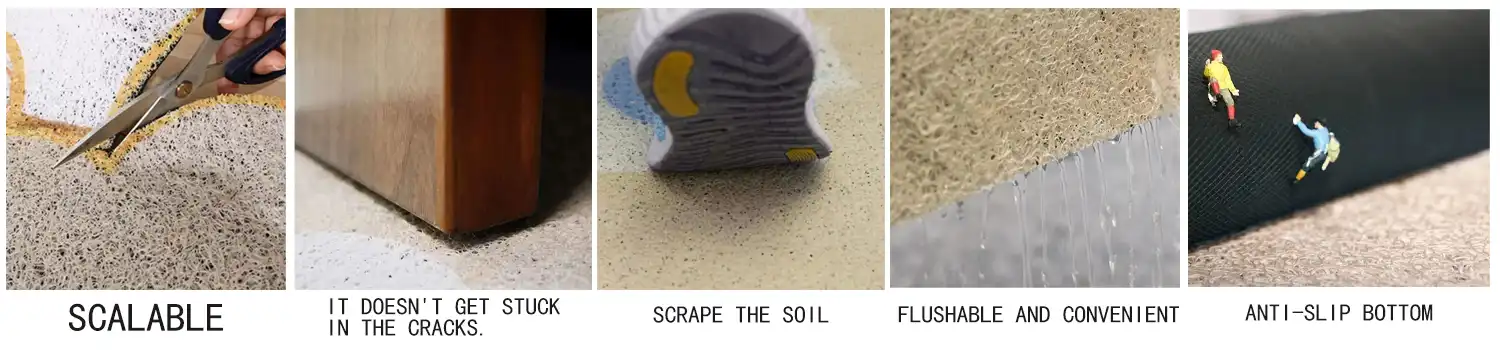
A Wire coil floor mat is made up of continuous PVC filaments that are grouped in a random loop design. It is an advanced method for scraping and managing moisture. In contrast to regular flat mats, this design makes a lot of small holes that actively trap dirt and moisture. When someone walks on the surface, the rigid loops scrape off dirt and debris from shoes, and the open structure lets the dirt fall to the backing or floor below. This "scrape-and-hide" system keeps the surface from getting too dirty and keeps things looking better even when traffic is high.
Why the Coiled Structure Outperforms Traditional Mats
There are clear benefits to the engineering behind PVC thread loops. The coil structure makes about 40% more surface area touch with shoes than flat rubber mats, which makes it easier to remove dirt. The loops continue to work well even after thousands of steps because they stay upright and strong. Because PVC is hydrophobic, it doesn't let any water in. This means that mold and bugs can't grow on fabric-based door mats. When it comes to places like food service, healthcare, and factories where cleanliness is very important, this is very important.
Weight and density are directly related to how long something works. With a weight of 2.2 kg per square meter, good coil mats don't bunch up or slide around needing extra fixings. The 8mm thickness gives enough padding to keep the intense scraping action while reducing foot fatigue. These standards mean that the product will need fewer replacements, require less upkeep work, and continue to work safely for many years.
Key Selection Criteria for PVC Coil Mats: A Demand Matching Approach
To choose the best entrance mat, you need to make sure that the product specifications match how your business works. A small office entrance that serves 50 workers needs different features than a hotel lobby that gets more than 2,000 people every day.
Assessing Traffic Volume and Environmental Conditions
For heavy-duty uses, mats with a higher filament density and stronger backing are needed. There are a lot of people walking through store entrances when it rains. A lot of water also comes in. In these situations, the density of the loop design is very important. A higher density gives you more scraping points per square inch while keeping the drainage pathways open. The dual anti-slip protection, with a textured PVC backing that sticks to floors and an open-loop top that gives shoes grip, directly addresses safety concerns in wet conditions.
Extreme temperatures can change how well a material works. PVC formulations stay flexible down to -20°C and don't break down up to 60°C, so they can be used in both cold buildings and open entryways that get a lot of sun. If the mat will be exposed to direct sunlight, make sure that the recipe your provider gives you includes UV stabilizers. Cheaper options break down and become brittle within months.
Material Composition and Certification Requirements
When it comes to performance and following the rules, the difference between virgin PVC and recycled material formulations is important. When loops are compressed, virgin PVC with the right plasticizers keeps their elasticity for longer. Purchasing managers should ask for Shore A hardness ratings. Values between 75 and 85 show the right amount of rigidity to keep the loop structure in place while still letting people walk comfortably.
Certification paperwork is useful for more than just following the rules. The CE mark shows that a product meets European health and safety standards, which is important for projects that will be sold in the EU. OEKO-TEX certification makes sure that there are no harmful chemicals, which is becoming a more common requirement in healthcare and school building standards. ISO 9001 approval shows that quality control is always being used in manufacturing, which lowers the risk of differences between batches when large orders are placed. REACH compliance makes sure that restricted chemicals meet EU standards, and EN 13501 gives ratings for flame retardancy that are needed to follow building codes.
Thickness, Weight, and Backing Configuration
The standard thickness of 8 mm is an engineering balance. Thinner mats get worn down too quickly, and they stop scraping effectively after a few months. It's easier for wheelchair users to get in and out of doors when the models are thicker. Wire coil floor mat designs, in particular, benefit from this thickness because the coiled structure maintains its scraping edges longer without flattening. The 2400g/㎡ weight limit makes sure the mat stays in place without sticking down, but it's still light enough to be easily removed for cleaning.
Backing choices have a big effect on how well functions work. The solid PVC backing of the mat keeps dirt and moisture inside, making it perfect for openings inside where keeping the floor clean is important. This setup needs to be taken down often for cleaning, but it keeps finished floors safe from water damage and scratches.
PVC Coil Mats vs Alternatives: Rational Choice Approach
When stakeholders question the choice of materials, knowing the comparative benefits helps to defend buying decisions.
Performance Comparison Across Mat Categories
Rubber door mats look nice and provide cushioning comfort, but they soak up water instead of directing it away from walking areas. This soaking up causes bad smells, the growth of germs, and eventually the breaking down of the material. Carpet-style mats are great at catching fine dust, but they get wet quickly and become slip risks instead of safety solutions. They need a lot of upkeep—professional extraction cleaning every couple of weeks in places with a lot of foot traffic, for example.
Wire coil floor mats stop both scraping and water from getting through at the same time. The loop structure lets water and melting snow go right through, so the walking surface stays dry and has good traction. Particles of dirt that are too big to fall through stay on top, but they don't get stuck in the fibers like they do with carpets. This makes maintenance planning easier because when garbage is seen, all that's needed to fix it is some light lifting and moving.
Lifecycle Cost Analysis
When you buy something based only on the initial purchase price, you usually end up with higher total owning costs. A good PVC coil mat that costs $45 per square meter might seem pricey when compared to a carpet mat that costs $15. Figuring out the lifetime value shows what's really going on. If there is moderate traffic, the carpet mat needs to be replaced every 8 to 12 months and cleaned by a professional once a week. The coil mat works well for 4 to 6 years with only minor upkeep, like moving, shaking, and hosing it down every so often.
How long a material lasts under abuse is very important. Real-life stresses, like snow shovels scraping across mats, delivery cart wheels rolling over edges, and heavy heels hitting loop structures, tell the difference between high-quality products and cheaper ones. High-density loop construction keeps its shape and doesn't tear easily, even when it's hit every day with forces that would shred less durable materials in weeks.
Procurement Tips: How and Where to Buy PVC Coil Mats for B2B Clients
Finding entry mats is more complicated than getting common items on the spot. For years to come, the ruling will affect building safety, maintenance funds, and following the rules.
Evaluating Supplier Capabilities and Reliability
Reliable manufacturers have a number of traits that set them apart. Variation risks in bulk sales are lower in factories that are certified and have written quality management systems. Suppliers who give 100% pre-shipment inspection find problems before the containers are loaded, so you don't have to deal with the expensive problems that come with getting goods that don't meet your needs. Ask for inspection protocols.
Every time they make something, reputable manufacturers check the strength of the filament bonding, the adhesion of the backing, the consistency of the weight, and the accuracy of the dimensions—and for Wire coil floor mat production, these checks are especially critical because the coiled structure demands uniform tension and precise spacing to ensure long-term durability and effective dirt scraping.
Customization options go beyond just changing the size. Precision laser cutting lets you make complicated shapes for oddly shaped doorways without having to buy extra tools. Custom logos and design patterns can be used with heat transfer printing technology, which is useful for stores and offices that need to look professional. Make sure that the customization methods don't weaken the structure; changes that aren't done correctly can cause early failure points.
Navigating Pricing and MOQ Considerations
Minimum order quantities help manufacturers save money, but they shouldn't make people buy too much. Buyers with multi-location rollouts or phased project timelines benefit from MOQ policies that are easy to change. Clear pricing structures that break down the costs of base materials, customization fees, and different packaging options make it possible to accurately plan budgets and compare suppliers.
Discounts for large orders can save you a lot of money. A 20% discount on an order of 5,000 square meters might be worth paying a little more for a provider with better certifications and better customer service after the sale. Instead of just comparing FOB prices, figure out the total landing cost, which includes freight, import taxes, and any possible costs to fix quality problems.
Logistics and After-Sales Support
How well the goods are packed for export has a direct effect on how they are when they arrive. Export-standard roll packaging keeps edges from getting damaged and keeps moisture out while the container is in transit. Planning how to pack containers correctly makes the best use of room, which lowers the cost of freight per unit. Experienced suppliers provide detailed loading documentation and make sure that the pallets are set up in the best way so that they can be handled easily in the warehouse after delivery.
The level of after-sales help is clear when problems are solved. Business liaisons who are dedicated to you and know your account history make it easy to place repeat orders and quickly schedule production. When you have a long-term relationship with a supplier, you can talk to them ahead of time about changes in lead times, material availability, or better product options that meet your changing needs.
Installation and Maintenance Guide: Maximizing Your PVC Coil Mat Lifespan
Whether your mat investment performs as expected over its service life depends on how well it was installed and how often it is serviced.
Installation Best Practices
Surface preparation affects where the mat goes and how long it lasts. If you keep the floors clean and dry, the PVC backing will stick well and not move around. Recessed well installs look the most professional and get rid of all trip risks, but they need some carpentry work to set up. When the right edge ramping is used for ADA compliance, surface-laid mats work well—and for a Wire coil floor mat, proper surface preparation is even more vital, because its open-coil design relies on a stable, non-slip base to maintain consistent scraping performance and prevent premature backing fatigue under heavy foot or wheel traffic.
For custom-sized mats, exact measurements are needed. Figure out the widths and depths of doorways by taking into account how far the doors can swing open and how much covering you want to extend into indoor areas. As a general rule, mats should be extended so that they cover at least three footfalls inside the entrance, which is usually 8 to 12 feet. This will make sure that the most dirt is removed before people reach the finished flooring.
Routine Maintenance Protocols
Simple eye inspection and shaking are all that's needed for daily upkeep. The open coil structure makes it easy to get rid of waste; all you have to do is lift one edge and shake it to loosen any dirt that is stuck inside. As part of weekly maintenance, it should be taken off, shaken well, and rinsed with a regular garden hose. The water-repellent PVC material quickly sheds water and dries in 30 to 60 minutes, based on the temperature and air flow.
Do not use strong chemicals to clean because they can break down PVC plasticizers over time. When needed, neutral pH cleansers get rid of ground-in dirt without hurting the material. High-pressure washing speeds up the cleaning process, but the pressure shouldn't be higher than 60 bar because that much force can damage loop bonding points. Coil mats have lower total costs of ownership than other materials because they are easier to clean and don't need as much upkeep.
Recognizing Replacement Indicators
High-quality mats make it easy to see when they need to be replaced. If you see loops flattening under main traffic paths, backing delamination along edges, or lessened dimensional stability, these are all signs of material fatigue that should lead to replacement before slip hazards happen. Facility managers who are in charge of more than one location should set repair plans based on data about traffic volumes instead of waiting for something to clearly break. This will make sure that all sites have the same level of safety performance.
Conclusion
In conclusion, when choosing PVC coil mats, you have to weigh the need for immediate purchase with the need for long-term performance. The amount of traffic, the amount of moisture, safety rules, and the amount of upkeep that can be done all affect the best product specs. Initial price differences are less important than quality indicators like density, certifications, backing configuration, and supplier reliability.
Entry-level loop-pile doormat options, while often lower in upfront cost, should still be evaluated against these same durability and safety criteria to avoid premature replacement. The scrape-and-hide mechanism, along with the fact that the material is hydrophobic and doesn't need much maintenance, makes it more cost-effective than other options. It's important to carefully look at a supplier's skills, customization options, and customer service after the sale to protect your purchasing investments and make sure you get safe entrance solutions that meet the needs of business and industrial settings.
FAQ
How effective are wire coil floor mats in high-traffic wet environments?
Even when they are wet, good quality PVC loop mats don't slip because water drains through the open structure right away instead of pooling on top. The rough loop tops keep shoes from slipping, and the non-slip backing keeps the mat from moving on wet floors. When buying things for wet areas, make sure they meet or beat the DIN 51130 R11 grip values.
Can I order custom sizes for non-standard entryways?
Custom sizes can be made with precision laser cutting technology, and there are no minimum order quantities or processing fees. Reliable sellers offer exact sizes that fit around irregularly shaped entryways, curved welcome areas, or special equipment surrounds. Custom orders usually add 5 to 7 days to normal wait times, but they don't require field cutting, which can damage the edge.
What cleaning frequency maintains optimal mat performance?
Light to moderate traffic areas need to be cleaned and removed once a week. During the rainy seasons, commercial entrances that get a lot of foot traffic should be cleaned every two weeks. The easy lift-shake-rinse process only takes a few minutes per mat and doesn't require any special tools. Deep cleaning once a month with a neutral detergent gets rid of built-up oils and small particles that regular care might miss.
Partner With Yiyajia Carpet for Reliable Wire Coil Floor Mat Supply
Yiyajia (Tianjin) Carpet Co., Ltd. is an expert at providing approved, high-performance entrance mats to buyers, dealers, and sellers in North America, Europe, and the Middle East. Our 8mm high-density loop design uses precise laser cutting, advanced heat transfer printing, and a 100% pre-shipment check to make sure that every bulk order is of the same high quality. We meet strict regulatory requirements for a wide range of commercial and industrial uses thanks to our CE, OEKO-TEX, ISO 9001, REACH, and EN 13501 certifications.
You can email our team at sale@yyj-carpet.com to talk about your specific needs, get customized samples within 24 to 48 hours, or get detailed quotes for Wire coil floor mat supplier partnerships with flexible MOQ options and full after-sales support.
References
1. American Society for Testing and Materials. (2021). Standard Test Method for Surface Burning Characteristics of Floor Covering Materials. ASTM International.
2. European Committee for Standardization. (2019). Floor Coverings - Classification of Reaction to Fire Performance Standards. EN 13501 Technical Specifications.
3. International Organization for Standardization. (2020). Quality Management Systems - Requirements for Manufacturing Processes. ISO 9001:2015 Guidelines.
4. National Floor Safety Institute. (2022). Slip Resistance Testing and Coefficient of Friction Standards for Commercial Facilities. NFSI Technical Report Series.
5. OEKO-TEX Association. (2023). Standard 100 Certification Requirements for Textile Products in Direct Contact with Human Skin. OEKO-TEX International.
6. Workplace Safety and Health Council. (2021). Entrance Matting Systems: Selection, Installation and Maintenance Best Practices. Industrial Facilities Management Guidelines.