_1774494554973.webp)
How Rugs & Carpets Can Make Small Spaces Look Bigger?
August 28, 2026


Rugs and carpets transform small living rooms by employing strategic design principles that alter spatial perception. When you position a properly sized small living room carpet with light-reflective fibers and optimal border ratios, you create an optical illusion that visually expands floor space. The key lies in selecting carpets that define functional zones without overwhelming the room, allowing between 12 to 18 inches of exposed flooring around the perimeter. This approach prevents the wall-to-wall appearance that compresses perceived room dimensions while anchoring furniture arrangements that guide the eye through broader visual pathways.
Understanding the Challenge of Small Living Rooms
There isn't a lot of room in small living rooms, which changes how they look and how they work. A lot of city apartments and small homes don't let in enough natural light, have weird angles, or aren't big enough for standard furniture arrangements. People don't like these rules because they make places feel suffocating instead of cozy.
Spatial Perception and Floor Covering Choices
What kind of flooring you pick can really change how big a room looks. Tile or wood floors can make small rooms feel clean and empty, which can make you feel even smaller. If, on the other hand, you don't pick out your area rugs well, they can cover up the breaks your eyes need to tell how deep something is. A study in environmental psychology found that rooms that are the same size but have clear zones look bigger than rooms that don't have clear zones.
How Carpets Address Design Limitations
Area rugs solve more than one issue at the same time. They add texture that muffles loud sounds, make places to talk without walls, and use color anchors to connect different pieces of furniture. Modern fake cashmere surfaces feel soft and luxury, and the TPR rubber backing keeps them from moving around on hard floors, which can happen in small, busy areas. If buying managers know these useful facts about rugs for small home or hotel projects, customers will be pleased and the company will get more business.
How to Choose the Perfect Carpet for a Small Living Room
There are a lot of technical and aesthetic things to think about when picking out floor covers for small rooms. Your choice will not only change how something looks now, but also how comfortable it is to use and how much it costs to keep up over time.
Material Considerations for Compact Spaces
These cheap and easy to clean synthetic fibers, like polyester and polypropylene, make up most of the small area market. Best fake cashmere mixes are as soft as wool but not nearly as expensive. This makes them great for projects that need to stay within a budget. Since these materials don't soak up water, smells don't get worse in places where air can't flow easily. With edge-locking technology and machine-woven construction, the sizes stay the same. This stops the twisting and tearing that happens with cheaper options.
Size and Proportion Guidelines
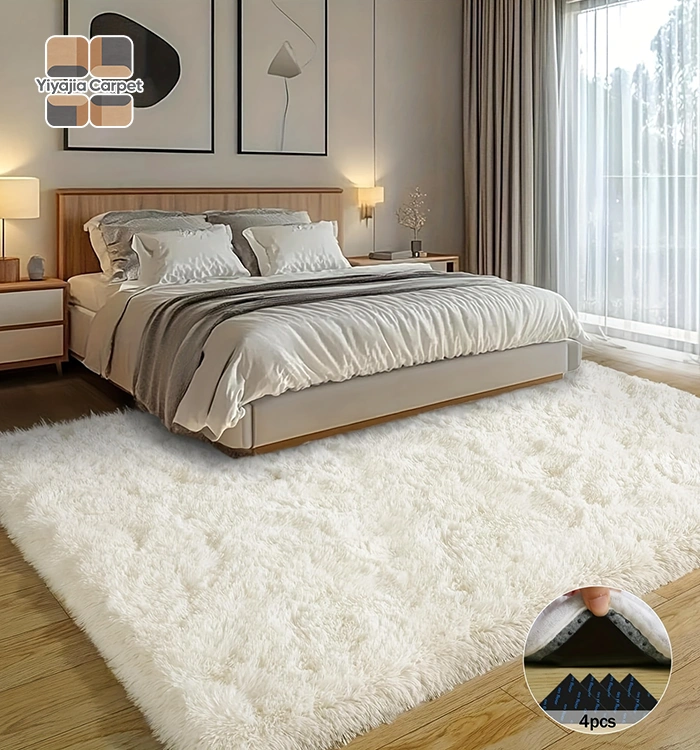
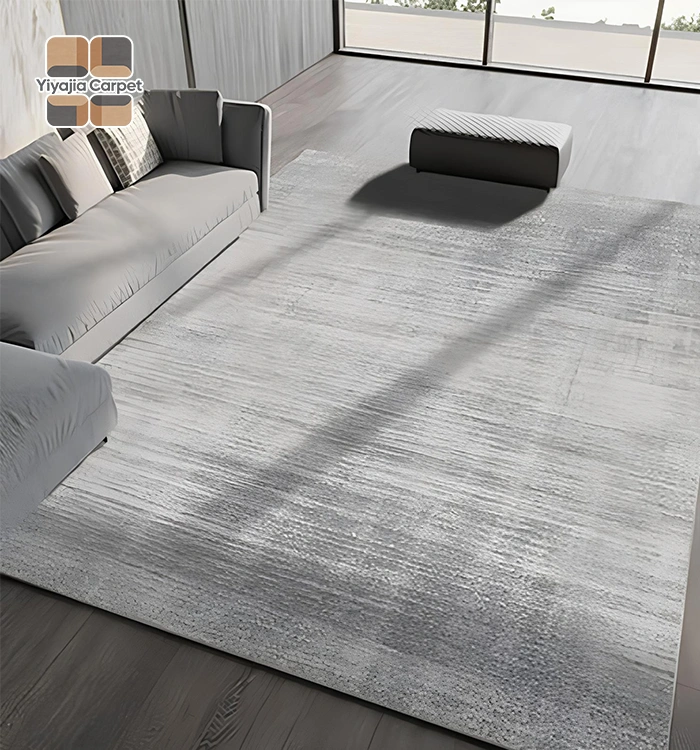
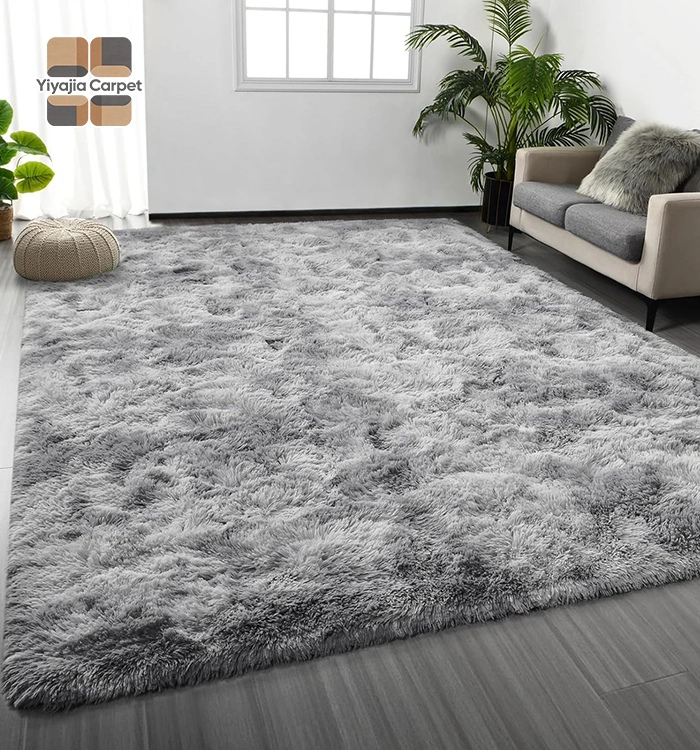
You can use the "front legs rule" to help you choose the right size. The front legs of a couch or chair should rest on the carpet, but the back legs should not. The furniture and floor look like they belong together. They don't take up the whole floor, though. The room looks bigger than it is if you leave clear lines of hardwood or tile around the edges of the carpet. Small living room carpet choices are especially tricky here—if you go too small, it fails the front legs rule and floats awkwardly. Don't put accent rugs in the middle of the room that are too small and move around. These rugs will make the space less open instead of more open.
Color and Pattern Strategy
A room will feel brighter and airier when you paint it a light neutral color. Lighter colors can make a room look bigger, but sheer patterns or small geometric shapes can hide flaws. By anchoring the room, dark rugs block light and make it look smaller. But they are great for business settings where you need to hide. The people who buy things for home clients should offer beige, cream, or light gray. People who buy things for hotels might use smart lighting changes to even out darker tones that hide dirt.
Benefits of Selecting Rugs & Carpets Tailored for Small Spaces
Floor covers can improve a lot of different performance areas if they are chosen correctly. This is why they should be used in both home and business projects.
Visual Expansion Through Design Psychology
Carpets bring attention to certain areas and make it easier to see what's going on around them. With the right-sized rug under a group of coffee tables, you can divide the sitting area from the places that people use every day. This makes the functional area look organized instead of crowded. The brain sees defined areas as different "rooms" instead of a mess of disorganized space, which makes the same amount of space feel bigger.
Acoustic and Thermal Comfort Improvements
If you're in a small room with hard objects, sound will bounce back and bother you more. The best carpets soak up impact noise and cut down on reverberation. This is especially important in buildings with more than one floor, where people who live on lower floors would rather not hear the noise of people walking around. Pile fibers and rubber backing protect against heat loss, which lowers heating costs in ground-floor apartments. This gives landlords and renters a real return on their investment.
Durability and Maintenance Advantages
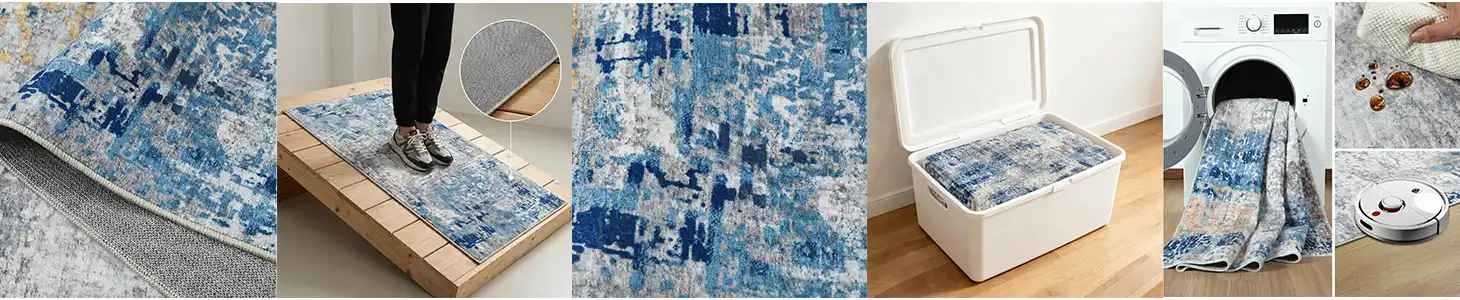
Today's synthetic carpets are treated to make them less likely to get stained, which makes them easier to clean. If a product has both CE and ROHS certification, it means it meets strict rules for safety and the environment. This means you don't have to worry about VOCs leaving small rooms. Once the edges are machine-locked, the fabric won't come apart, even if there is a lot of movement, which can happen in small rooms with not many places to put furniture. These features make the goods last longer, which means that business buyers who handle more than one home will save money over time.
Procurement Guide: Buying Rugs & Carpets for Small Living Rooms
Business-to-business buyers have extra problems when they need to buy floor coverings for clients who don't have a lot of money or room.
Evaluating Supplier Capabilities
It's important for manufacturers you can trust to show that they can handle big orders without lowering the standard. 2,000 square meters are made every day, which means the business is on an industrial level and can meet strict project goals. You can easily find goods that meet the standards of your brand or your building's needs because you can change the size, color, and logo. Small living room carpet orders are no exception—even with a minimum of 50 pieces, you can customize dimensions and patterns specifically for compact residential spaces. Even small builders and boutique shops can customize because the least amount of items they need to order is 50.
Balancing Quality and Cost Efficiency
Premium materials cost more, but they work better in places with a lot of foot traffic. Even though it doesn't need as much care as real wool, fake cashmere looks very cool. It costs less to do the job because you don't need different rug pads when the backing is TPR. When you're comparing quotes, you shouldn't just look at the price of the item itself. You should also look at how much it will cost to clean, replace, and cover under warranty. Giving full after-sale help, like having account managers for repeat orders, makes it easier to buy things and makes sure that projects with more than one step go smoothly.
Logistics and Compliance Considerations
People who move goods abroad need to work with freight partners and know how to get goods through customs. If an exporter sends full documentation packages that include certificates of compliance for target markets, they can avoid delays and demurrage fees. How quickly containers are loaded depends on whether the packaging is folded or in a carton. Experienced providers know how to optimize configurations to make the most of the space and lower shipping costs per unit. People who want to sell their goods in Europe should make sure that they follow REACH rules and have EN 1350 flame protection ratings. For projects in North America, they need to make sure the goods are certified by the CRI Green Label Plus.
Carpet Maintenance & Longevity Tips for Small Living Rooms
If you take good care of your carpet, it will last longer and look good for longer, which will save you money.
Routine Cleaning Protocols
To clean the traffic lanes twice or three times a week, use HEPA-filtered tools. With this kind of equipment, small bits are collected without being sent to other small rooms. Make sure to clean up spills right away with cleaners that come from the manufacturer. You should blot the spill instead of rubbing it to protect the fibers. Have a professional do a hot water extraction every 12 to 18 months to get rid of the grit that is hidden and speeds up wear. Small living room carpet maintenance is especially critical here, as heavy foot traffic in compact spaces concentrates soil quickly—when people have to walk through narrow paths, the soil can settle in one spot. This frequency stops the soil from building up in small areas.
Preventive Maintenance Strategies
Put furniture coasters under big things to spread the weight and keep the pile from falling over. If the room's layout lets you, switch the rugs around once a year to make sure they wear evenly. Mats at the front door will catch dirt from the outside before it gets into the main living areas. With these simple changes, it will be a lot longer before you have to replace it. This is especially important for businesses that have to keep track of the budgets for more than one unit.
Conclusion
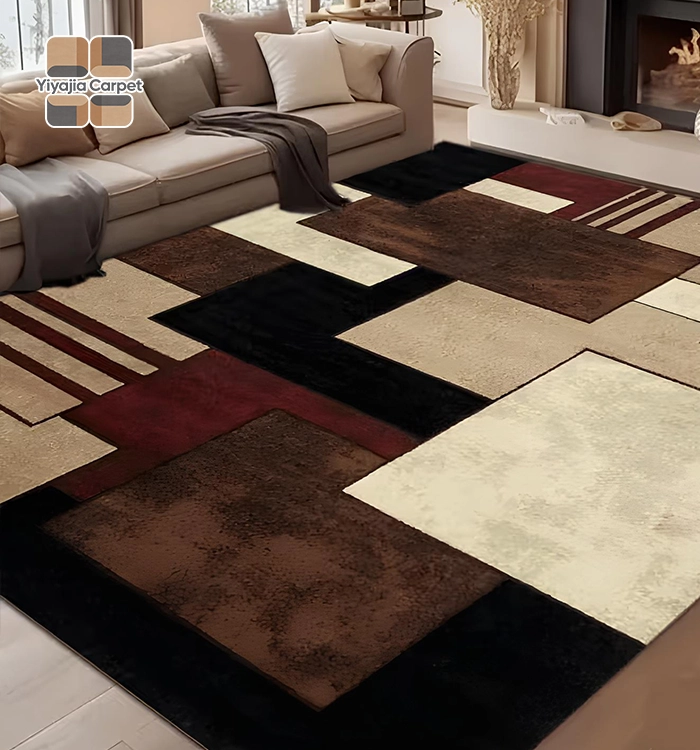
You should pick a carpet that is a good mix of how it looks and how well it works to make small living rooms feel more open and comfy. Light Luxury Living Room rug choices, in particular, exemplify this balance by offering refined textures and subtle sheens that visually expand compact spaces. The people who work in procurement give their clients measurable value by picking the right-sized rugs in colors that reflect light, using long-lasting synthetic materials that meet safety standards, and working with suppliers who can make changes easily and deliver on time. The tips in this article help buyers make choices that meet their short-term project needs and their long-term performance goals by teaching them about spatial psychology and maintenance routines.
FAQ
What Size Carpet Works Best for Small Living Rooms?
Pick a mat that's big enough to fit all of your chairs' front legs. The floor should show 10 to 18 inches around the room's edges. It doesn't make the room feel too small because it covers the whole wall while still making clear areas for different purposes.
Do Dark Carpets Make Small Rooms Look Smaller?
Being dark doesn't reflect light, so it takes it in. This can make a room feel smaller. Light neutrals or heathered patterns in medium tones make a business space look bigger while still hiding signs of wear and tear from people walking through it.
How Do I Balance Softness and Durability?
Synthetic fibers with a medium density, like polypropylene blends, feel good on the feet and don't stain or break down easily. When you're looking for solution-dyed options, make sure they have high marks for resistance to wear and tear. This is very important in small places where a lot of people walk around.
Partner with Yiyajia Carpet for Space-Optimizing Floor Solutions
When it comes to small living room carpets that make the most of area and last a long time, Yiyajia Carpet is the best. Our cutting edge heat transfer printing and laser cutting methods let you make any shape or size that works for your projects. Our products have been approved by CE, ROHS, OEKO-TEX, ISO 9001, REACH, and EN 1350, which means they follow the tightest safety rules around the world. This makes it easy for buyers from the US, Europe, the Middle East, and Southeast Asia to get through customs.
With a daily production capacity of 2,000 square meters, we can handle both big business projects and small home projects. The minimum order quantity (MOQ) for orders of a certain size and color is as low as 50 pieces. Our quality assurance program makes sure that any mistakes in production are fixed or replaced for free, and our dedicated account managers make it easy to place repeat orders. Get in touch with us at sale@yyj-carpet.com to talk about your needs. Within 24 to 48 hours, you'll get samples. Find out why the best contractors, stores, and distributors use Yiyajia Carpet as their main small living room carpet supplier for projects that need to be done right, on time, and to specification.
References
1. Miller, R. & Thompson, S. (2021). Interior Design Psychology: Spatial Perception in Residential Environments. Architectural Press.
2. Chen, L. (2020). "Acoustic Performance of Textile Floor Coverings in Multi-Unit Dwellings." Journal of Building Acoustics, 27(3), 215-234.
3. Williams, K. & Anderson, P. (2022). Sustainable Procurement in the Flooring Industry: Materials, Certifications, and Supply Chain Management. Green Building Publications.
4. Foster, J. (2019). "Color Theory Applications in Small Space Interior Design." Design Studies Quarterly, 41(2), 87-105.
5. International Textile Manufacturers Federation. (2023). Technical Standards for Residential Carpet Performance Testing. ITMF Standards Committee.
6. Roberts, M. (2021). Commercial Flooring Specification Guide: Durability, Maintenance, and Lifecycle Costing. Contract Design Publishers.