_1774494554973.webp)
How durable are dopamine carpets in high-traffic commercial areas?
September 23, 2026


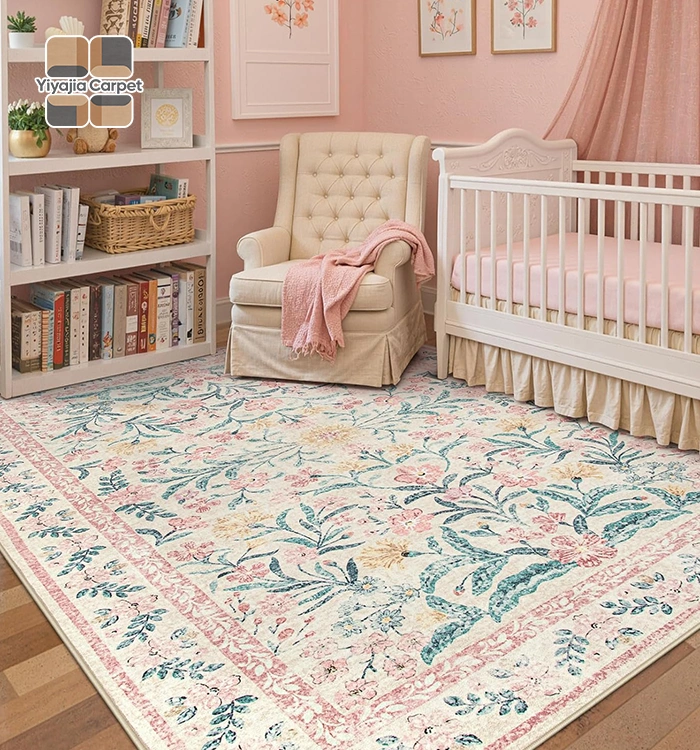
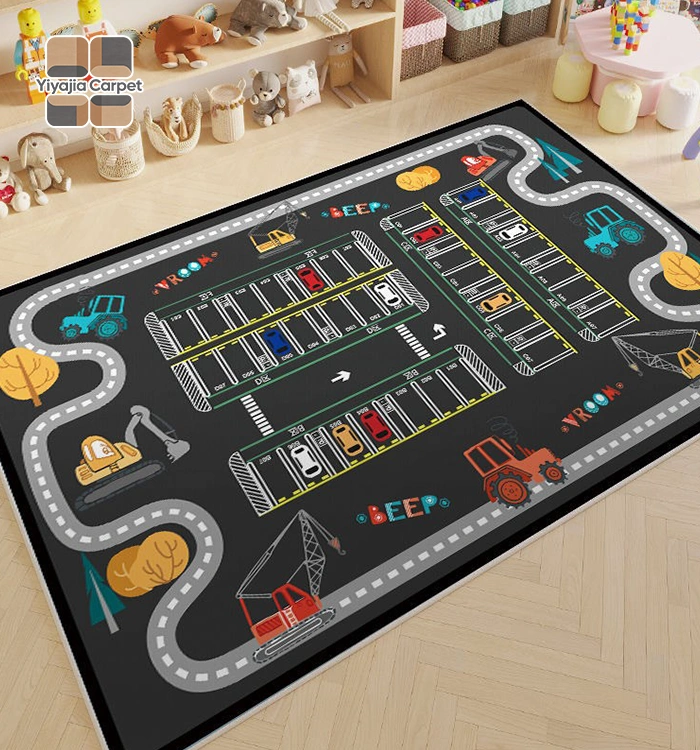
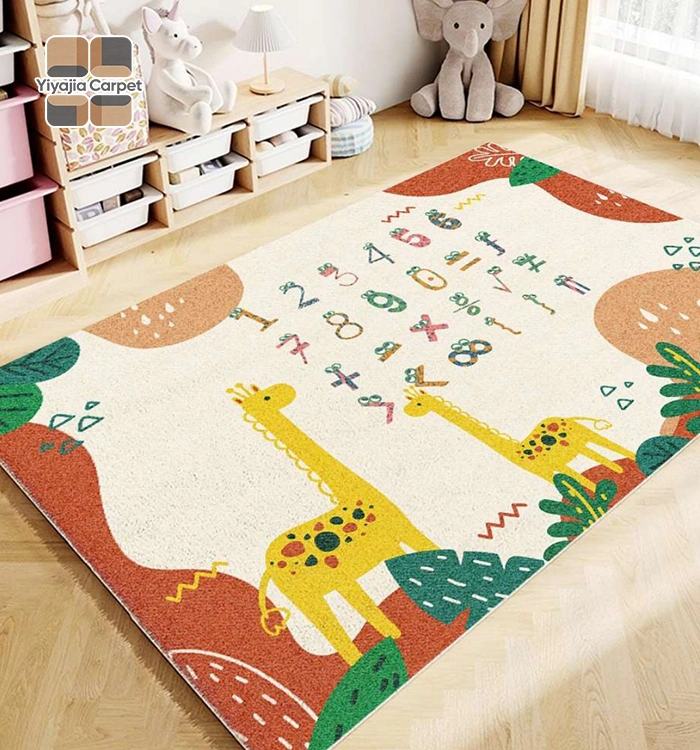
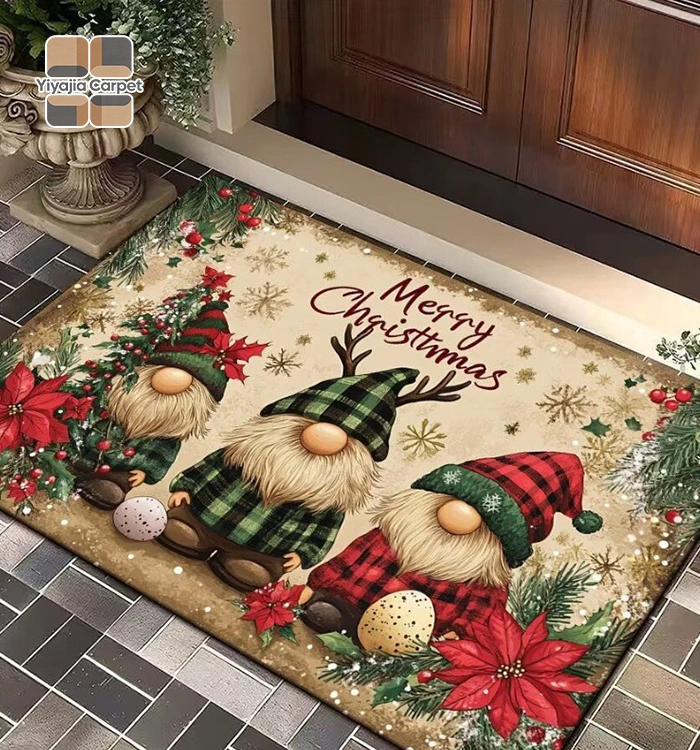
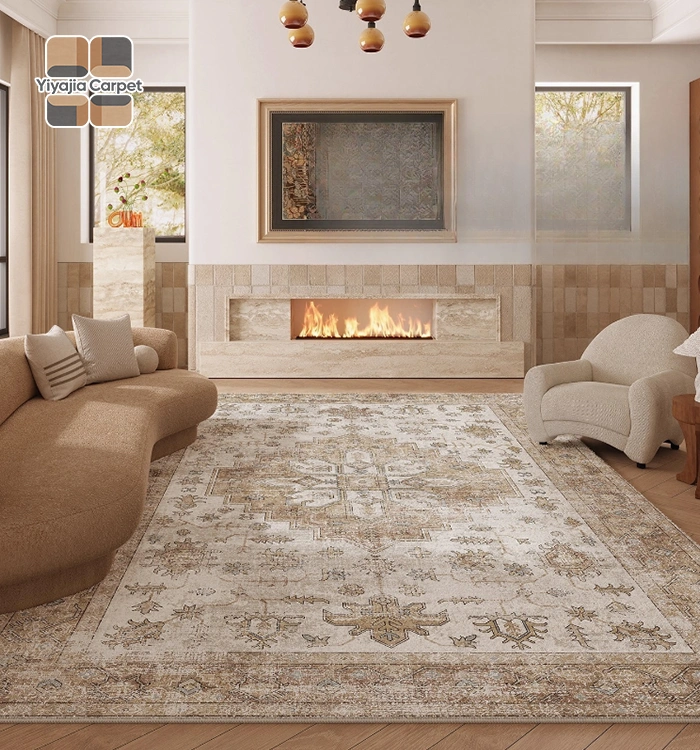
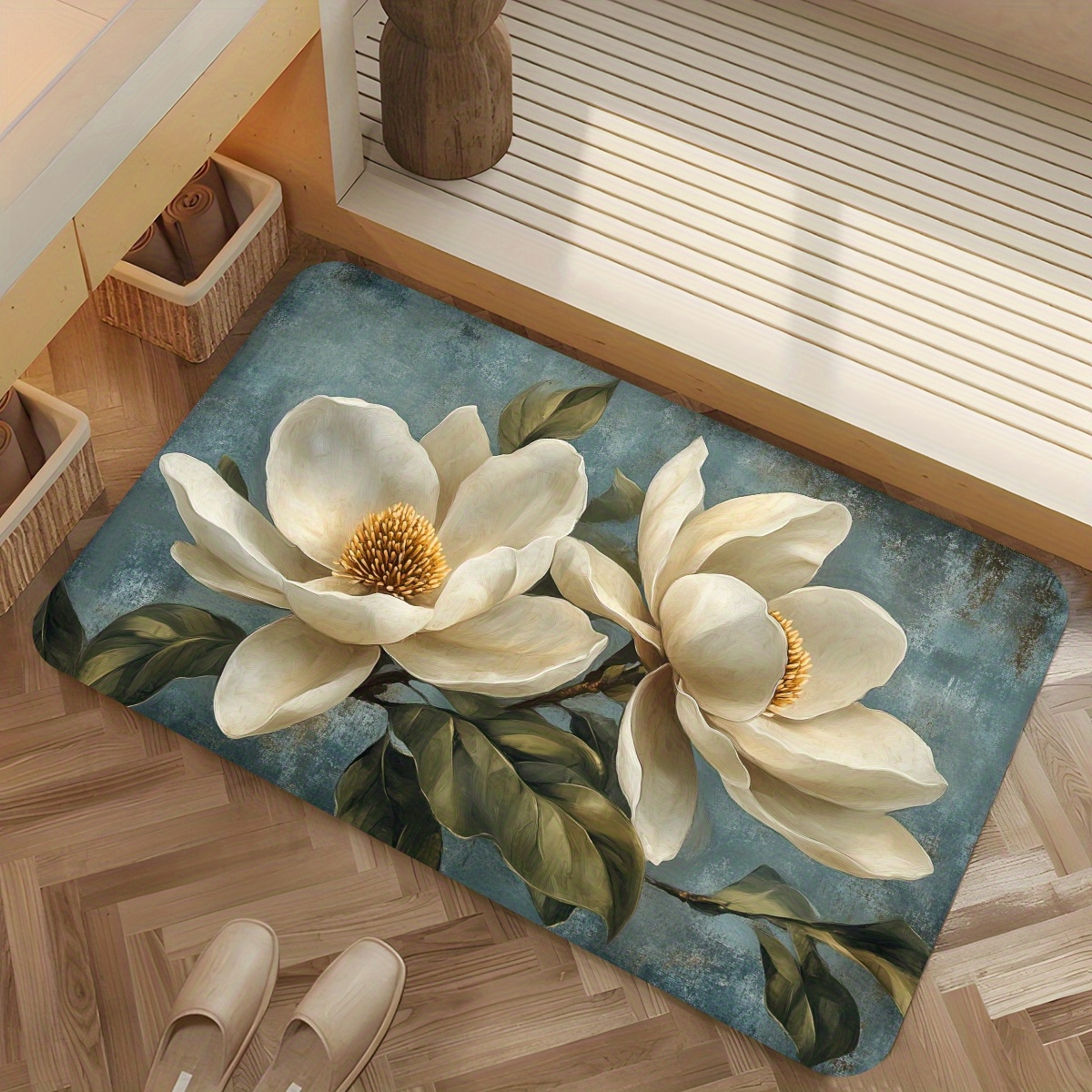
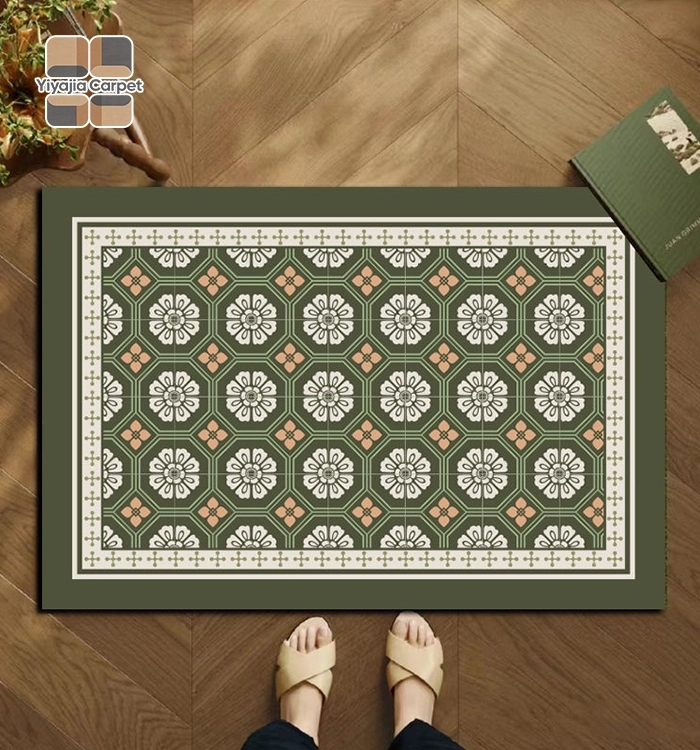
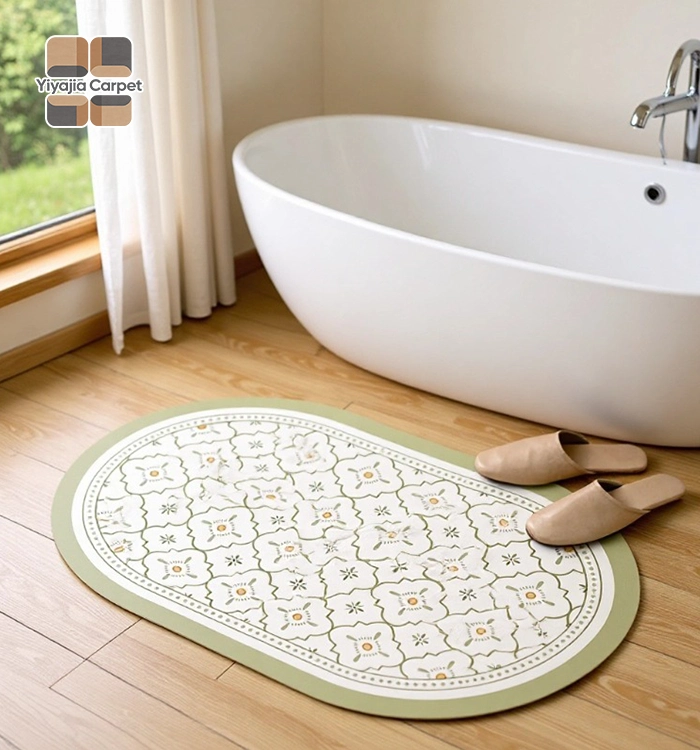
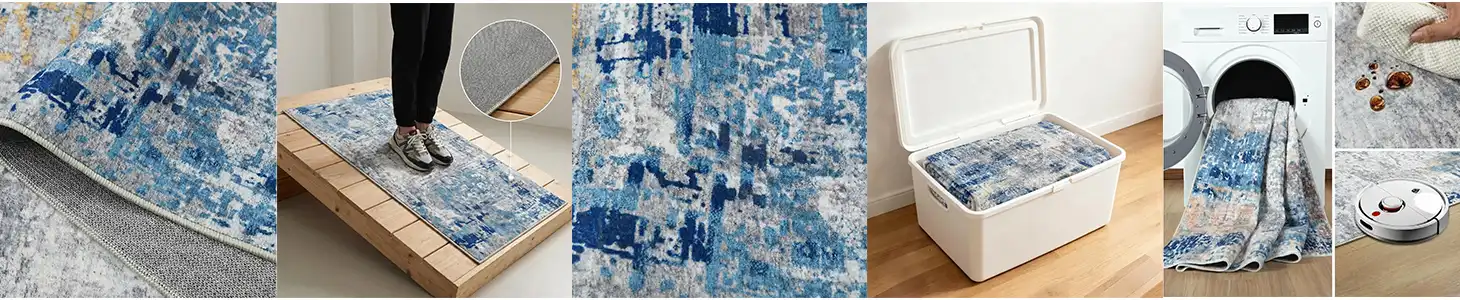
Dopamine carpets hold up remarkably well in high-traffic commercial areas when constructed with the right materials and manufacturing standards. At Yiyajia Carpet, our dopamine carpet features a 350g/㎡ faux cashmere polyester surface paired with a 2mm washed TPR anti-slip backing, delivering a 5mm total thickness engineered for sustained foot traffic. Machine-woven lockstitching prevents edge fraying, while the reinforced backing resists structural compression. Certified under CE, OEKO-TEX, ISO 9001, REACH, and EN 13501, these vibrant rugs are built to maintain both their bold color saturation and physical integrity across demanding commercial environments.
Understanding Dopamine Carpets: Materials and Design Principles
The word "dopamine carpet" refers to a type of flooring that comes from the Dopamine Decor movement, which is an approach to interior design that uses bright colors to make people feel good. Not only the way these rugs look, but also how well they hold up over time depends on how well they were designed to look.
What Makes the Material Construction Stand Out
The colored area rugs from Yiyajia Carpet have a thin layer of 350g/㎡ polyester fiber that looks like cashmere. This fiber density makes the pile really soft to the touch and keeps it from sticking, which happens with most low-density rugs. The bottom is made of a 2mm layer of washed thermoplastic rubber (TPR), which makes the surface non-slip and cushions it when it's constantly compressed. With a total pile height of 3mm and a total thickness of 5mm, the construction keeps doors from getting stuck and keeps the structure strong at a weight density of 1000g/㎡.
Pay close attention to the edge finishing. Machine-woven lockstitch hemming with a 0.6cm hem makes sure that the edge stays in place even after being vacuumed, walked on, and touched by furniture many times. This is something that lower-quality printed rugs often don't do.
These choices about how to build it show that a balance was meant: the surface needs to look good in both natural and artificial light for social media campaigns, while the body needs to be able to handle the physical demands of commercial placement. Dopamine carpet Both goals can be reached if the definition is clear.
Assessing Durability in High-Traffic Commercial Environments
A lot of people walking on commercial flooring at once, the movement of castor chairs, spills, and UV light from skylights or big windows are all things that residential flooring doesn't have to deal with as often or as strongly. If they aren't built well, standard broadloom carpets in heavy contract settings (Class 33 rating) usually need to be replaced every three to five years.
How Vibrant-Color Rugs Perform Under Physical Stress
The ASTM D5252 Hexapod Tumbler Test models long-term pile compression. Short-pile constructions with enough tuft density, like the 3mm pile used in Yiyajia's colorful rugs, don't have the "corn-rowing" matting effect that changes the designs of lower-density options. The TPR backing keeps the rug from moving around, which is a major cause of edge wear and safety issues in business settings.
Keeping the color even when it gets dirty is also very important. Yiyajia Carpet uses high-definition heat transfer technology and a color-locking process to make sure that the color is woven into the fiber grid instead of just sitting on top of it. This method lowers crocking, which is the transfer of dye through friction. AATCC Test Method 8 checks this under both dry and wet rubbing conditions. If a carpet fails this test, the color will show up on shoes, which is not acceptable in a hotel lobby or a branded retail space.
The polyester fake cashmere construction doesn't absorb as much moisture as traditional wool rugs. This stops the growth of germs and the retention of smells that happen more quickly in humid business settings. The surface feels noticeably softer in the hand than regular nylon, but it still has the stability in dimensions that high-traffic areas need.
Maintenance and Longevity: Optimizing Dopamine Carpet Performance
Durability is not just a property of the material; it's also a result of how well it's been maintained. A well-made rug will wear out faster if it isn't taken care of consistently. This is especially true in business settings where there is a lot of dirt and cleaning times aren't always regular.
Practical Care Practices That Extend Carpet Life
Yiyajia's rugs are very easy to clean because the TPR backing has been washed. Since the base doesn't soak up water, hot water extraction (steam cleaning) can be used without the risk of delamination that comes with foam-backed options. By dry cleaning with a brush-roll vacuum at least twice a week, you can keep particles from wearing down the pile, which dulls your ability to see colors before any real fiber damage happens.
For spot cleaning, pH-neutral detergents should be used right away after touch. Because the smooth fiber geometry lowers capillary retention, the fake cashmere surface gets rid of water stains more easily than looped wool fabrics. To keep the heat-transfer color layer from getting damaged, you should blot rather than rub solvent-based stains.
Total cost of ownership-wise, these rugs are competitive with wool or woven nylon options that cost more at first and require more care because they have a low-maintenance TPR backing, lockstitched edges that don't need to be reseamed, a color-locked surface that stays bright after multiple washings, and a dopamine carpet texture that enhances everyday comfort without adding upkeep.
Procurement Insights: Choosing Durable Dopamine Carpets for Your Business
There's more to choosing a colorful industrial rug seller than just looking at how nice the rug looks on the outside. When purchasing dopamine carpet to resell or use in branded spaces, procurement managers need quality standards that can be checked, flexible minimum order quantities, and a supplier that can increase production without lowering quality.
Here are the main benefits that Yiyajia Carpet offers to business buyers:
- Certifications that satisfy multiple market requirements: CE, OEKO-TEX, ISO 9001, REACH, and EN 13501 are all certifications that meet multiple market requirements. Together, they cover EU market access, chemical safety, quality management consistency, environmental chemical restrictions, and flame retardancy — reducing compliance risk across North American, European, and East Asian distribution channels.
- Low customization threshold with fast turnaround: Low bar for customization with quick turn-around: customization of size and color starts at a MOQ of 50 pieces. Customized logos are sent out within 7 days. This structure works well for brands that follow fashion trends and need to test new colorways before committing to large inventory positions.
- Production capacity that supports scale: Supports growth: With a daily production output of 2,000 m² and a 20-year history of making things, the number of orders can rise without lead time penalties. Different types of shipping can be handled by different types of packaging, like foldable or box.
- Precision laser cutting and heat transfer technology: With precision laser cutting and heat transfer technology, you can make any pattern shape and color combination. The accuracy from the sample to the production run is 1:1, which cuts down on revision rounds and keeps order deadlines safe.
These benefits directly solve the problems that brand founders and creative directors have with buying things when they are in charge of a product catalog that is based on trends and has short inventory cycles. There are discounts for large orders, dedicated business liaisons for return customers, and quality checks before shipping with free rework guarantees. These things lower the organizational risk that normally makes small-batch buying expensive.
Future Trends and Innovations in Dopamine Carpet Durability
The industrial carpet business is going toward smarter surface engineering and sustainability qualifications that can be checked. More and more, buyers expect flooring suppliers to show proof of green building certifications like LEED, WELL, and BREEAM. These requirements narrow down the list of suppliers before they even talk about prices, and a dopamine carpet design with visually uplifting patterns and tactile comfort is increasingly seen as part of that wellness-driven selection process.
In heavy industrial settings, advanced stain-resistant coatings that are applied after weaving are extending the time between maintenance visits. In Class 33 hotel flooring, real-time wear tracking through embedded cloth sensors is a new area of study. For bright-patterned rugs in particular, UV-stabilized coloring methods are still the most commercially successful innovation because they keep the color true near glass walls where the sun shines most.
As Yiyajia Carpet's goods already meet the requirements of OEKO-TEX and REACH, they fall into the category of low-VOC, non-toxic materials that green building specifiers value. As the need for both visually striking products and environmentally friendly ones grows, the technical base that this line of products already has fits naturally with the direction the market is going.
Conclusion
Dopamine carpets really do last in business settings with a lot of foot activity, as long as the construction meets the structural needs of those settings. Yiyajia Carpet's products have a faux cashmere surface, a TPR anti-slip backing, a machine-woven lockstitch finishing, and heat-transfer color locking. Together, these features make a flooring solution that can withstand long-term use while still retaining the vibrant look that makes colorful rugs so appealing to buyers. Certifications from CE, OEKO-TEX, ISO 9001, REACH, and EN 13501 give customers proof of quality in many areas. The technical case is clear for names that need strong looks and long-lasting dependability.
FAQ
Will high-saturation colors fade under commercial lighting?
The heat transfer color-locking process used by Yiyajia Carpet binds the color deeply into the polyester fiber matrix. This makes it much less likely that UV light and normal artificial lighting will fade the carpet. Before choosing a colorway, you should talk to our technical team about the lightfastness grade standards for places near big windows.
Is the TPR backing suitable for hard commercial floor surfaces?
Yes. The 2mm washed TPR (thermoplastic rubber) base sticks well to tile, hardwood, and polished concrete floors without using chemical glue. It also stops the moisture uptake that makes foam-backed options break down faster.
What is the minimum order for a custom colorway?
You have to order at least 50 pieces to change the size or color. You can change the logo and get it within 7 days, which lets you respond quickly to trends without having to buy too much inventory.
Can these rugs meet EU flame retardancy requirements?
Yes. The goods made by Yiyajia Carpet have EN 13501 approval, which is a standard in European markets for business and hospitality interiors and covers EU flame retardancy classification.
How do I verify product quality before placing a bulk order?
Using the same heat transfer and laser cutting methods used in mass production, samples can be made in 24 to 48 hours. This makes sure that the sample and the final order are exactly the same in terms of specifications.
Start Sourcing Dopamine Carpets With Yiyajia Carpet Today
Every custom order from Yiyajia Carpet is made with 20 years of experience. We are a reliable dopamine carpet manufacturer that works with brands in North America, Europe, and East Asia. Our minimum order quantity (MOQ) is only 50 pieces, we offer 24–48 hour samples, and we can produce 2,000 m² of carpet every day. We are also certified by CE, OEKO-TEX, ISO 9001, REACH, and EN 13501. Send your design files or color requirements to sale@yyj-carpet.com or visit yyj-carpet.com right now to ask for a sample.
References
1. Carpet and Rug Institute. CRI Carpet Specifications for Commercial Environments. Carpet and Rug Institute, 2022.
2. American Association of Textile Chemists and Colorists. AATCC Test Method 8: Colorfastness to Crocking. AATCC, 2021.
3. ASTM International. ASTM D5252: Standard Guide for the Use of the Hexapod Tumbler Technique. ASTM International, 2019.
4. OEKO-TEX Association. OEKO-TEX Standard 100: Testing for Harmful Substances. OEKO-TEX, 2023.
5. European Committee for Standardization. EN 13501-1: Fire Classification of Construction Products and Building Elements. CEN, 2018.
6. International Organization for Standardization. ISO 9001:2015 Quality Management Systems — Requirements. ISO, 2015.