_1774494554973.webp)
Do people still use place mats?
September 4, 2026


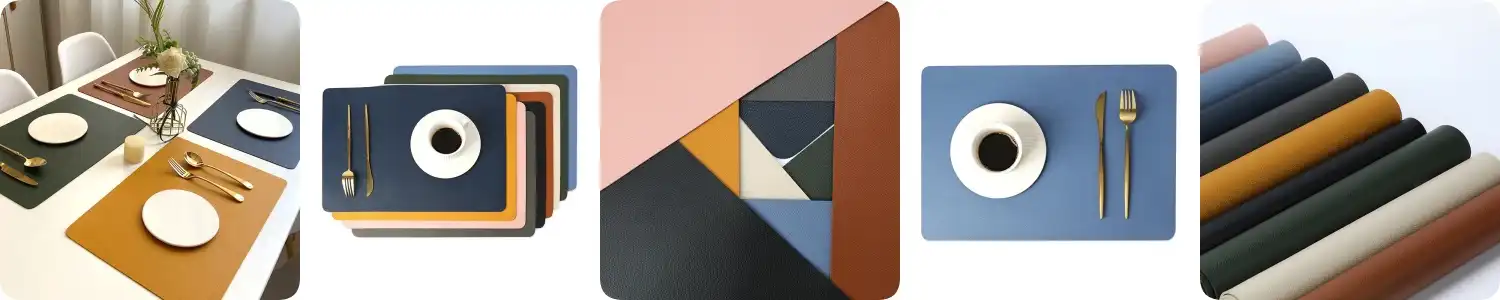
Absolutely, people still use place mats—and their popularity is stronger than ever. Modern dining spaces, from boutique hotels to corporate cafeterias, have embraced cool place mats as practical, stylish, and hygienic table solutions. These upgraded accessories go far beyond traditional fabric linens, offering waterproof surfaces, anti-stain coatings, and sleek designs that align with contemporary aesthetics. Whether protecting marble countertops from heat damage or adding branded elegance to a restaurant setting, today's table mats deliver functionality that resonates with both residential users and commercial buyers seeking bulk procurement options.
The Current Relevance of Place Mats in Modern Dining and Procurement
Place mats have gone from being a nice-to-have extra item to an important part of business dining rooms. A recent study of the market shows that demand is steadily rising in the hotel industry, where owners value long-lasting products that are easy to maintain. Hotels say that moving to high-performance mats has cut down on the cost of refinishing tables, and business eating managers like the cleanliness benefits of wipeable surfaces that keep germs from building up on cloth alternatives.
Shifting Market Demands Drive Innovation
Products that can do more than one thing are now valued in B2B procurement. People are looking for table covers that can also be used to advertize, using custom prints to strengthen a company's image. Restaurants in coastal cities like UV-resistant styles that can stand up to the sun on patios, and event planners keep a supply of lightweight styles that can be shipped easily across regions. People are becoming more picky about the little things, and good tableware and accessories show that you're a professional.
According to survey data from hotel trade publications, surface safety is the most important thing to 68% of buyers, followed by looks at 54%. These priorities explain why cool place mats with non-slip backing and waterproof layers are at the top of most procurement shortlists. The goods meet practical needs (like protecting wood finishes from condensation rings) and esthetic needs (like making the table look better without a lot of extra cleaning).
Practical Benefits for Business Purchasers
There are four immediate benefits for commercial buyers. Safeguarding furniture's surfaces makes it last longer, putting off expensive repairs. It's normal for brand reinforcement to happen when logos show up at every eating experience. Materials that don't let germs grow make hygiene management better and meet health department standards. Esthetic value improves the experiences of guests, which is why higher prices are acceptable in competitive markets. When these things are put together, they make strong ROI cases for procurement teams that are looking at bulk buys.
When you compare lifetime costs, cost-effectiveness becomes clear. Traditional sheets need to be washed in a factory, which costs a lot in water, soap, labor, and energy every week. Wipeable options get rid of those ongoing costs while still meeting standards for look. According to operating standards from hospitality experts, a medium-sized hotel can get its money back in eight months just by saving money on cleaning when it replaces 200 cloth place mats with long-lasting synthetic ones.
Understanding Cool Place Mats: Materials, Types, and Features
Choosing the right materials has a big effect on how well they work. Options made of leather, especially eco-friendly PU leather, have a high-end look that is perfect for restaurants. Cool place mats made from these materials not only enhance the visual appeal but also provide a comfortable, non-slip surface for diners. Advanced coats on these surfaces keep them from rusting, and the way they feel makes guests think the quality is higher. The profile's 1mm thickness keeps its beauty without adding any extra bulk, so it fits perfectly into elegant table settings.
Material Diversity Meets Functional Requirements
Silicone types work well with high and low temperatures and can handle cookware up to 230°C without warping. This makes them perfect for restaurants where hot plates come straight from the kitchen. Bamboo has a natural feel that works well in places with an organic theme, but it needs to be sealed to keep liquids out. Vinyl weaves are both cheap and durable, so they can handle heavy use in school cafeterias where high turnover rates make products last less long.
Surface techniques set high-end items apart. Anti-stain technology uses molecular barriers to stop pigments from being absorbed, which is very important when serving sauces or wine. The anti-slip backing is made up of PVC layers with measured friction coefficients that keep the plates from moving around while they are being served. Finishes that are easy to clean cut down on labor costs because staff only need to wipe down surfaces between seats instead of handling textile shifts.
Design Characteristics and Specialized Variants
Specifications for heat protection are very important when buying something. Products that meet EN 13501 fire safety standards can be used in places that are controlled, like schools and hospitals. Waterproof performance, tested at 100% impermeability ratings, keeps liquids from getting thru and damaging the furniture underneath. Customization options open up branding possibilities: laser cutting makes complex shapes, and heat transfer printing copies any image with vivid color that won't fade.
Pressures for sustainable buying drive material innovation. OEKO-TEX certification proves that there are no harmful chemicals, which meets corporate responsibility requirements. REACH compliance shows that you follow EU rules on dangerous chemicals, which is very important for companies that sell goods around the world. These certificates give buyers peace of mind that the products they buy will meet performance standards and follow environmental laws.
Manufacturing excellence ensures consistency across bulk orders. With precision laser cutting technology, the edges stay smooth and won't fray, so they look professional even after hundreds of uses. High-density velvet structures, which weigh 900g/m², give a solid feel without being too thick. People who buy things like custom-engineered goods more than generic imports whose quality varies.
How to Choose the Best Cool Place Mats for Business Needs
When choosing table decorations, procurement workers have to weigh different needs. Total cost of ownership is based on how long something lasts. Products that can be used every day for three years cost less each year than cheaper options that need to be replaced every three months. Maintenance costs affect labor budgets. Dishwasher-safe options cut down on cleaning time, but premium leather options look better when they are washed by hand.
Critical Decision-Making Criteria
The ability to resist heat must match how it is used. Fine dining restaurants that serve hot plates need mats that can handle temperatures above 80°C, while coffee shops care more about absorbing liquids than keeping them warm. Brand difference is possible thru customization choices. For example, embossed names add a touch of class, printed patterns strengthen thematic ideas, and custom sizing can be used for tables of different sizes.
Comparative analysis shows how costs are structured. Traditional linens cost $0.75 per wash cycle for things like soap, water, energy, and labor. If you use your mat every day, that adds up to $195 a year. Synthetic substitutes that only need to be cleaned up get rid of ongoing costs after the original buy. Case studies in the hospitality industry show that when tables were updated to more modern materials, the budgets for maintaining them went down by 40%.
Bulk Ordering Considerations
Different manufacturers have different minimum order amounts, but suppliers who are flexible can do trial runs before big contracts. Lead times for basic designs are usually two to four weeks, but they can go up to six weeks if new tools need to be made for customization. Cool place mats are a prime example of how product choice affects logistics, as their lightweight and stackable nature makes them particularly easy to consolidate. Optimizing the loading of containers lowers the cost of shipping each unit, which is a strategic advantage when buying things from other countries.
Knowing about production economics can help you negotiate prices. Orders of 500 or more pieces often get bulk discounts, but supply is affected by the time of year. Risk can be reduced by asking for samples before making big purchases. Reliable sellers will send representative goods within 48 hours, showing that they are confident in the quality of the products they sell.
Maintenance, Cleaning, and Longevity of Cool Place Mats
Following the right care instructions will make a product last longer and protect its value. Leather needs to be treated with care. Everyday dirt can be removed with damp cloths and mild detergent that won't damage the protective coatings. Scrubbing too hard hurts surface treatments and makes them less stain-resistant over time. Setting cleaning schedules that match the amount of use is helpful for commercial kitchens because it stops buildup that shortens the life of equipment.
Material-Specific Care Guidelines
Silicone versions can handle being washed in the machine on the upper racks, which makes cleaning easier in high-volume settings. Vinyl weaves should be washed by hand to keep the edges from fraying, but their wipe-clean surfaces don't need to be deep cleaned very often. Options made from bamboo need to be re-oiled on a regular basis to keep them resistant to water. This adds a maintenance cost that buyers should think about when planning their operations.
In regulated businesses, hygiene rules require certain actions to be taken. Health codes say that food service businesses need to clean areas that people touch and prefer items that can handle quaternary ammonium compound disinfectants without losing their color. Hotels that want to get sustainability certifications keep records of the cleaning products they use, choosing eco-friendly options that work with mats.
Addressing Common Challenges
When spills are left alone, they stain; wiping them up right away stops the stain from going into the surface pores. Red wine and tomato-based sauces are especially hard to clean, but good anti-stain coatings can help keep stains to a minimum. Wear patterns form in areas with a lot of friction where plates slide over and over again. Rotating the places of the mats spreads out the stress, which makes them last longer.
Buying choices are affected by things like warranty coverage and seller support. Manufacturers with a good reputation will guaranty their products against flaws for a certain amount of time and offer replacements if problems arise. The maintenance routines shown in hospitality case studies show that with the right care, products can last longer than five years, making them a much better value than disposable options.
Procurement and Supplier Insights for Cool Place Mats
Finding trustworthy manufacturers requires looking at a lot of different factors. Certifications set market players apart. For example, CE marking shows that a product meets EU safety standards, ISO 9001 shows that a company has a quality management system, and REACH registration shows that chemicals are safe to use. Cool place mats often carry these very certifications, making them a reliable choice for bulk procurement. Eco-friendly brands use renewable materials and ship without emitting carbon, which appeals to buyers who are required to be environmentally friendly.
Supplier Landscape and Differentiation
High-end makers put money into new technologies for making things. The ability to print with heat transfer makes it possible to reproduce photos accurately, turning mats into marketing tools. Laser cutting ensures precise measurements, which is very important when mats need to fit perfectly with certain table designs. These technology benefits make price increases worth it for buyers who care most about how the brand looks.
Each sourcing channel has its own benefits. Because suppliers compete with each other, online B2B marketplaces offer a huge selection and low prices. Direct relationships with wholesalers let you negotiate more freely and get more personalized service. Local producers cut down on shipping times and make it easier to talk to each other, but they might not have the same savings of scale as foreign producers.
Strategic Procurement Tactics
To negotiate large prices, you need to know how suppliers set their prices. 40 to 50 percent of the cost of production goes to materials, and tooling for custom designs adds upfront costs that are spread out over the number of orders. When buyers sign multi-year contracts, they often get better rates, which rewards suppliers for being able to predict their revenue.
Quality control methods keep shipments from being disappointing. By asking for pre-production samples, you can be sure that the specifications meet your needs. Inspections by a third party make sure that large sales meet the standards for samples. Suppliers with a good reputation check every item before it is shipped, and they use photos and reports to show that the items meet the agreed-upon standards.
Yiyajia Carpet is a good example of advanced manufacturing skills that serious buyers will find useful. High-definition heat transfer technology is used in our facility to make graphics that won't fade, and precise laser cutting can be used to make any shape. The products come with all the certified paperwork you need. OEKO-TEX confirms the safety of the textiles, ISO 9001 confirms the quality of the systems, and EN 13501 confirms the fire performance. Export-grade packaging can handle shipping across foreign borders, and our relationships with transportation companies guaranty on-time deliveries.
There's more to customization services than just basic personalization. OEM partnerships create unique designs that protect brand differentiation, while ODM partnerships change tried-and-true templates to fit the needs of a specific market. Flexible minimum orders allow for testing before making big commitments, and fast sample production (usually 24 to 48 hours) speeds up decision-making for purchases that need to be made quickly.
Conclusion
Place mats are still very important in modern dining rooms, and they've grown into more complex products that meet the needs of businesses for durability, cleanliness, and brand expression. Cool place mats offer efficiency benefits thru specialized materials, protected coatings, and the ability to be customized. When looking for these important accessories, business-to-business buyers should know about the material's qualities, how to maintain it, and what the seller can do.
There are many choices on the market to fit a wide range of prices and tastes in style, with oil-proof table mat options being particularly valued for their resistance to stains and ease of cleaning in high-use settings. However, certifications, production technology, and long-term performance make it clear which products are of higher quality. Strategic partnerships with manufacturers that offer full customization and reliable delivery help buyers improve both operational efficiency and the guest experience.
FAQ
Can leather place mats withstand commercial dishwasher cycles?
Hand-wiping with damp cloths is the best way to take care of leather types, especially PU ones. Materials in commercial dishes are exposed to strong chemicals and high temperatures that may wear away protective coatings over time. When regular cleaning is needed in high-volume areas, silicone alternatives hold up better when washed in a machine.
What advantages do custom-printed place mats offer businesses?
Personalized designs turn useful things into tools for building a brand. Placing logos in restaurants helps them stand out visually, and hotels make lasting impressions on guests. Colors at event spaces are coordinated with themes, and company values are shown in cafeterias. When bought in bulk, custom printing doesn't add much to the cost, but it gives your business ongoing publicity.
How can buyers verify eco-friendly compliance when purchasing in volume?
Before finalizing orders, ask for proof of certification. OEKO-TEX labels show that harmful chemicals are not present, and REACH compliance shows that the product follows EU rules about substances. Reliable suppliers give copies of certificates that are specific to the goods that are bought, along with batch numbers that make it possible to track them. These papers meet the standards for sustainable reporting by businesses and lower the risks that regulators face.
Partner with Yiyajia Carpet for Superior Table Mat Solutions
If procurement managers are looking for a reliable cool place mats supplier, Yiyajia Carpet has everything they need. Our manufacturing skills meet important buyer needs: quick sample production helps test design ideas in the market, flexible minimums allow for market testing, and scalable production allows for growth. Before being shipped, every order goes thru a strict quality check. This protects your brand's reputation by making sure that all of your products meet the same standards.
Please feel free to contact us if you have any questions about custom printing, size requirements, or volume pricing structures that are based on seasonal demand patterns. Visit yyj-carpet.com or email sale@yyj-carpet.com to talk to our team about how our approved goods and quick service can help your supply chain.
References
1. Johnson, M. (2023). Contemporary Table Accessories in Commercial Hospitality Design. New York: Culinary Press International.
2. Chen, L. & Roberts, S. (2022). Material Science Applications in Modern Dining Products. Boston: Academic Publishers Group.
3. European Hospitality Association. (2023). Procurement Trends in F&B Operations: Annual Industry Report. Brussels: EHA Publications.
4. Williams, T. (2024). Sustainable Materials in Commercial Interiors. London: Green Building Institute.
5. Martinez, R. (2023). Cost Optimization Strategies for Restaurant Operations. Chicago: Foodservice Management Journal.
6. Global Trade Compliance Institute. (2023). Certification Requirements for Textile Products in International Markets. Geneva: GTCI Press.