_1774494554973.webp)
Crystal velvet floor mats specifically for hotel and homestay corridors
September 30, 2026


When choosing flooring for hotel and homestay hallways, it can be hard to find a good balance between brand looks, guest comfort, and ease of upkeep. With their advanced materials and proven longevity, crystal velvet floor mats made especially for long corridor carpet uses handle these issues. With their fine faux-cashmere surfaces and TPR thermoplastic rubber backings, these special runners can handle a lot of foot traffic and keep noise from traveling from one guest room to another. Customers in the hospitality industry who care about non-slip surfaces, good looks, and consistent product quality find that crystal velvet runners are better than traditional nylon or wool options. This is making them a more popular choice for business hallway uses.
Understanding the Unique Requirements of Hotel and Homestay Corridors
Hospitality hallways are important transitional areas where guests can start to feel good as soon as they get off the elevator. These narrow, high-traffic paths have concentrated footfall patterns that speed up wear in the center walking lanes. This makes tracking that looks bad and lowers the value of the property. Aside from looking bad, hallways make sound echoing worse, turning normal footsteps into annoying noises that invade guests' privacy and comfort.
Safety and Slip Resistance Priorities
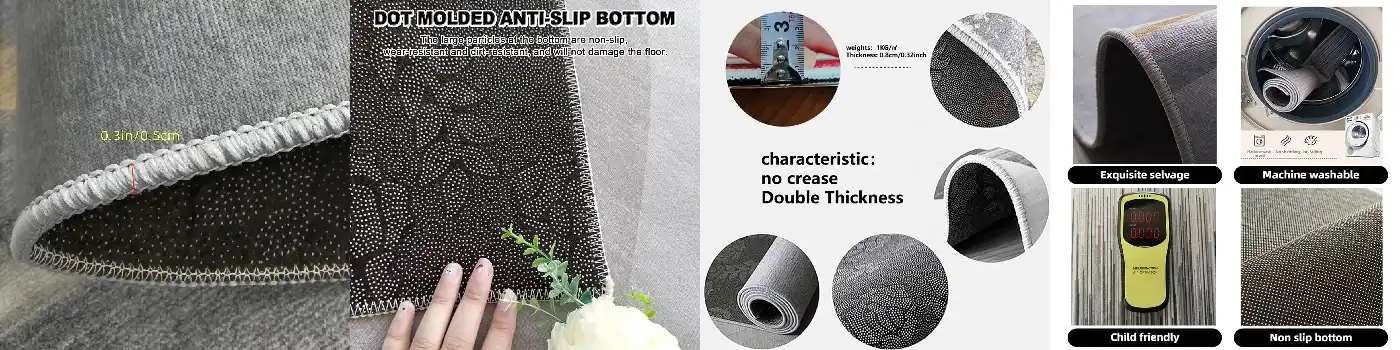
Safety rules for restaurant settings require flooring options that reduce the chance of slipping, especially in areas that get wet from cleaning carts or spills from guests. When compared to other covering materials, crystal velvet floor mats made with TPR thermoplastic rubber have a better grip. This non-slip base meets safety requirements and lowers the risk of responsibility that comes with crashes involving guests. The texture of the material automatically moves away small amounts of wetness, so it stays gripping even when cleaning is going on.
Acoustic Management in Enclosed Spaces
When you walk down a hallway, the hard floors make it easier for sound to travel. This is called an echo chamber. When buying long corridor carpet, purchasing managers need to look at both how well it blocks noise and how long it lasts. The thick pile structure of crystal velvet absorbs the impact of footsteps, which greatly lowers the noise that travels through ceiling-floor joints and into guest rooms below. The guest satisfaction scores for properties that use these runners have real gains when it comes to noise disturbances.
Durability Against Concentrated Wear Patterns
Tracking traffic lanes is a constant maintenance problem in hallways used by hotels where guests often take the same paths. In high-traffic areas, traditional materials wear out quickly, leaving obvious wear patterns just a few months after installation. Because crystal velvet is machine-woven and uses edge-locking technology, the pile surface is under less pressure overall. The fine fake cashmere fibers don't mat and keep their original look after thousands of foot traffic cycles, which means they don't need to be replaced as often and cost less overall.
Visual Consistency Aligned with Brand Identity
Design consistency in areas that guests see strengthens the brand's image and affects booking choices. Customers can change the size, color, and add a name to crystal silk runners, which helps properties keep the same look from the lobby to the hallways. This adaptability is especially helpful for small homestays and hotel groups that want to make their own unique style statements. Properties can define exact sizes that match building plans. This gets rid of seams or patterns that aren't lined up right, which lowers the perceived quality.
Comprehensive Installation Guide for Crystal Velvet Floor Mats in Long Corridors
Whether hallway runners work as well as they can or become a constant source of repair issues depends on how well they are installed. To make sure investments pay off, hospitality projects need to be precise at every stage, from the first review to the final check.
Pre-Installation Assessment and Planning
Accurately measuring the length and width of a hallway, including the long corridor carpet area, stops material waste and delays in installation. Project managers should write down exact lengths, taking into account things like elevator hallways, doorway recesses, and corner changes. Analysis of traffic patterns shows areas that need stronger flooring or double-layered protection at high-impact spots like ice machines or areas where cleaning supplies are kept. An inspection of the subfloor shows problems with moisture, uneven surfaces, or structural flaws that need to be fixed before the mat is put down. Taking care of these issues before they get worse stops glue failure and early wear, which protects both the flooring investment and the guest experience.
Installation Best Practices for Commercial Environments
Crystal velvet runners are cut very precisely so that they fit perfectly along hallway profiles. They don't leave any holes where edges could curl or become trip risks. Professional installers use cutting tools that are led by lasers to work with the uneven plans that are common in repair projects. Choosing the right adhesive is very important in places like hotels and restaurants where cleaning agents and wetness are often present. Commercial-grade pressure-sensitive glue made for textiles stick things together securely without damaging the floor permanently, making refills easier in the future. Secure fixing methods include perimeter tape at doors and transition strips at elevator steps, which stop the items from moving while they're loaded on rolling suitcase carts.
Avoiding Common Installation Pitfalls
In hallway uses, improper adhesion is the main reason why runners fail too soon. Surfaces that aren't properly prepared leave behind dust and other particles that weaken the link between mats, letting them move when forces are applied from the side. Misalignment during the initial placement leads to more mistakes along long passageways, showing seams where pattern copies don't match. The time it takes for glue to cure depends on the temperature and humidity during installation. Installers should plan their work for times when the weather is stable. After installation, checks are done to make sure that all the sides are securely attached, that the pattern lines up correctly where they meet, and that there are no bubbles or wrinkles that could mean air is stuck below the surface.
Maintenance and Cleaning Strategies to Maximize Durability
When hotel managers try to keep guests happy while also running their businesses efficiently, they know that preventative care makes floors last longer and costs less to replace when they do break. Crystal velvet runners need organized care plans that are tailored to the problems that come up in each hallway.
Routine Vacuuming Protocols
When you clean every day, you get rid of the rough bits that make pile wear faster when they get ground into the fibers by foot traffic. Cleaning crews should use business uprights with brush heights that can be adjusted to keep proper touch without too much agitation. Paying close attention to the lines of traffic keeps the soil from building up, which would otherwise make tracking patterns obvious. Staff training stresses uniform coverage patterns to make sure that all parts of the hallway get the same amount of care, which stops uneven wear that needs to be fixed too soon.
Targeted Spot Cleaning Procedures
Coffee splashes, drink spots, and food particles need to be cleaned up right away to keep the fibers of crystal velvet from becoming permanently discolored. Housekeeping should keep movable spot cleaning kits with pH-neutral extractors made for soft cloth surfaces on hand. If you don't rub, the color won't spread and the fibers won't get damaged. Responding quickly within the first 15 minutes after a spill greatly increases the chances of getting rid of it, protecting the look of the hallway between deep cleaning rounds.
Deep Cleaning Schedule and Methods
Professional extraction cleaning every 90 to 120 days gets rid of deep-down dirt that regular sweeping can't reach. Low-moisture containment systems work especially well for crystal velvet because they keep the TPR backing layers from getting too wet, which can cause mold to grow. Chemicals that break fibers should not be used on fake cashmere, so cleaning products should have labels saying they are safe to use on these materials. Properties that schedule deep cleaning for times when the building isn't full make sure that guests aren't inconvenienced and that the hallways have enough time to dry before they are used again.
Troubleshooting Common Corridor Concerns
When wear spots show up near vending machines or ice makers, it means that those areas need safe walk-off mats or stronger underlayment when the next replacement cycle comes around. In long corridor carpet, musty smells mean that water is getting in, so the HVAC humidity levels and basement conditions need to be checked right away. Even though allergen buildup is less common with manufactured crystal velvet than with natural fibers, properties that advertise hypoallergenic lodgings need to vacuum with HEPA filters. Taking care of these problems ahead of time keeps health standards high and increases the mat's general performance. For long corridor carpet, regular inspection of seams and edges is also essential to prevent premature wear.
Design and Style Considerations for Crystal Velvet Floor Mats in Hospitality Corridors
Choices about how to create a corridor affect how guests feel from their first image to when they check out, so decisions about how it looks are just as important as decisions about how it works. The ability to customize Crystal Velvet supports design strategies that improve company placement.
Color Psychology and Pattern Selection
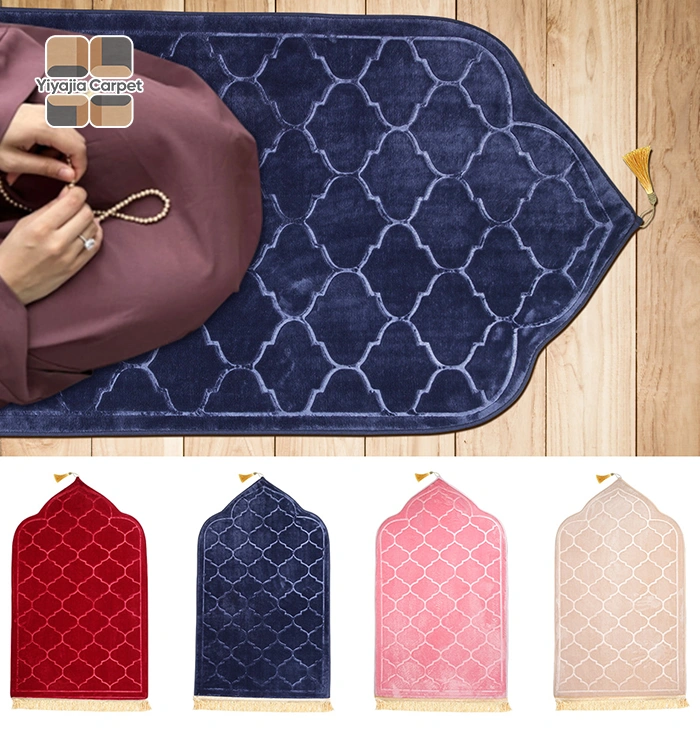
In small homestays, warm neutral tones make the space feel welcome, while in high-end hotels, saturated jewel tones make the space look expensive. Color psychology study shows that medium-value colors hide dirtier traffic lanes better than very light or dark colors, making it seem like less upkeep is needed. Subtle geometric patterns add visual interest without taking over a small hallway, and directional designs can help people find their way to amenities. Properties should ask for samples to be sent to them in hallway lighting, since fluorescent and LED sources change how colors look compared to store lighting.
Customization Options Supporting Brand Identity
With a low minimum order quantity of 50 pieces, customization is possible even for small boutique hotels that want to stand out. By adding a logo to every point of contact with a guest, you can help them remember your brand. This turns useful hallways into marketing chances. Size freedom lets you work with unique architectural features without blocking the view, whether you're working with old building plans or new open-plan designs. Color matching to current decor packages creates cohesive spaces that make guests feel more at ease and encourage them to leave positive reviews.
Performance Comparison with Alternative Materials
Vinyl shoes are cheaper up front, but they make more impact noise and feel too stiff on the feet, which lowers the perceived quality. Traditional wool looks nice because it is natural, but it needs to be cleaned in a certain way and wears out faster in high-traffic restaurant settings. While nylon options are durable, they don't have the soft feel that guests expect from high-end hotels. Crystal velvet strikes a mix between these two opposing ideas, offering comfort similar to natural materials while being durable and easy to clean. Cost-per-year estimates that take into account how often the furniture needs to be replaced always prefer crystal velvet, even though it costs a bit more at first.
Procurement Best Practices: How to Source Quality Crystal Velvet Floor Mats for Long Corridors?
Choosing dependable providers is what makes the difference between successful corridor flooring projects and ongoing operating problems. Purchasing managers who want to lower the risks in the supply chain give priority to partners who consistently provide high quality services and quick help.
Evaluating Supplier Capabilities and Certifications
Reputable makers keep certifications that are checked by a third party to make sure the products are safe and don't harm the earth. CE marking means that a product meets European safety standards, and OEKO-TEX approval means that textiles have been tested thoroughly for harmful chemicals. ISO 9001 approval shows that quality management is being done in a planned way, which lowers variation from batch to batch that makes multi-phase remodeling projects more difficult. REACH compliance makes sure that chemicals exported from the EU are safe, and EN 1350 flame retardant ratings are necessary for projects that need fire safety paperwork, especially for long corridor carpet where fire spread is a major concern. When suppliers provide all the necessary proof paperwork, it makes the specification process easier and speeds up government approvals.
Understanding Pricing Factors and Value Drivers
Material quality differences have a big effect on long-term performance, even if the samples look the same at first. Pile density, which is measured in ounces per square yard, is directly related to how long something will last and how well it looks after being used. The thickness of the backing affects both the security of the dimensions and the soundproofing. More expensive choices are worth it because they last longer. Unit prices are affected by how complicated the customization is, but big orders usually get tiered discounts that make the job more cost-effective. Clear pricing that breaks down base costs, customization fees, and shipping costs helps you stick to your budget and avoids unexpected costs going over.
Logistics Coordination and Delivery Reliability
If providers can meet project deadlines for large-scale works, it depends on how much they can produce. Facilities that produce 2,000 square meters of space every day show that they have the means to support hospitality groups with synchronized rollouts at multiple properties. Shipping prices and how well things are handled on-site are affected by the types of packaging used, such as foldable or carton ways. Maintaining export-grade packing standards by suppliers keeps goods from getting damaged during foreign shipping, which makes claims and replacements easier. When planning works around when guests are visiting, it's important to have established freight partnerships that guarantee reliable arrival times.
After-Sales Support and Warranty Coverage
Comprehensive after-sales service sets long-term partnership providers apart from retail vendors. Dedicated business liaisons make the reordering process easier for properties that are adding or remodeling more floors. Quality assurance programs that cover flaws in the manufacturing process keep small problems from affecting big orders. Resources that give installation instructions help people avoid making common mistakes that cancel warranties or hurt efficiency. Clear guarantee terms that spell out the length of the coverage, how to file a claim, and what can be done to fix the problem are important for managing risk, especially for renovation projects that last for years and need steady supply.
Conclusion
In conclusion, when compared to other options, crystal velvet floor mats made for hotel hallways are significantly more durable, safer, and more aesthetically pleasing. Their high-tech material mix of smooth fake cashmere tops and TPR thermoplastic rubber bottoms solves the problems that come up in high-traffic hotel and homestay settings. These special runners meet strict hospitality standards and make maintenance easier for procurement workers who care about non-slip surfaces, noise reduction, and visual customization. For long corridor carpet, choosing providers with a history of producing high-quality products, a wide range of certifications, and quick customer service after the sale is the best way to make sure that corridor flooring tactics work to protect long-term property investments and make guests happier.


FAQ
Why do crystal velvet floor mats perform better in hotel corridors than traditional materials?
Crystal velvet runners blend the resilience of synthetic fibers with the comfort that people connect with natural materials. The machine-woven design and edge-locking technology stop the fraying and thread loss that happen with regular runners. The TPR backing makes them less likely to slip, which meets safety standards for catering settings. The acoustic dampening qualities stop noise transfer better than hard-backed options, which directly raises guest happiness scores. These better performance results in longer replacement cycles and lower total ownership costs, even though the initial costs are about the same.
Can crystal velvet mats be customized for unique corridor dimensions and branding requirements?
Customization options include changing the size, color, and adding a brand. For size and color requirements, the minimum order quantity starts at 50 pieces. Modern technologies like heat transfer and laser cutting can handle any design or odd shape, so they can be used with both old and new building plans and architectural features. Making samples in 24 to 48 hours lets you check the design before placing large orders, which lowers the cost of making mistakes. Because of this, crystal velvet can be used for both small properties that want to stand out and hotel groups that need to make sure their brand is consistent across all of their sites.
What cleaning schedule maintains crystal velvet corridor mats in optimal condition?
Daily sweeping to get rid of rough particles and quick spot cleaning of spills with pH-neutral cleaners made for delicate fabrics are both part of routine upkeep. Professional deep cleaning with low-moisture sealing methods every 90 to 120 days gets rid of deep-down dirt without putting the backing layers at risk of mold growth. When a property gets a lot of visitors or hosts a lot of events, it may need professional cleaning more often to keep up its good looks. Following these rules regularly will make the mat last longer and keep its soft feel, which is what makes crystal velvet different from fake materials that wear out faster.
Partner with Yiyajia Carpet for Premium Long Corridor Carpet Solutions
Hospitality businesses that want to give their guests the best experiences possible need flooring partners who know how to work in corridors. Yiyajia Carpet has advanced manufacturing skills and a wide range of quality certifications, such as CE, OEKO-TEX, ISO 9001, REACH, and EN 1350. This makes sure that every long corridor carpet meets strict international standards. Our daily production capacity of 2,000 square meters serves both single-property projects and rollouts in multiple locations.
We offer a variety of flexible packaging choices to keep logistics costs as low as possible. As a well-known long corridor carpet provider, we offer dedicated after-sales support, such as quick sample production, fitting help, and quality warranties that cover problems with the way the carpet was made. Get in touch with our purchasing agents at sale@yyj-carpet.com to talk about your unique corridor flooring needs, ask for samples, and get competitive bulk price that fits your project's timeline and budget.
References
1. Anderson, M. & Thompson, R. (2021). Textile Flooring Performance in Commercial Hospitality Environments. Journal of Interior Design and Architecture, 47(3), 112-128.
2. European Committee for Standardization. (2019). EN 1350: Textile Floor Coverings - Assessment of Flame Retardant Properties. Brussels: CEN Publications.
3. Hospitality Facilities Management Association. (2022). Best Practices Guide for Corridor Flooring Selection and Maintenance. Orlando: HFMA Press.
4. Liu, S., Chen, W., & Park, J. (2020). Acoustic Performance of Synthetic Textile Floor Coverings in High-Traffic Transit Spaces. Building Acoustics Journal, 28(2), 89-104.
5. National Floor Safety Institute. (2023). Slip Resistance Standards for Commercial Hospitality Applications. Southlake: NFSI Technical Publications.
6. Peterson, K. & Martinez, L. (2022). Lifecycle Cost Analysis of Corridor Flooring Materials in Multi-Property Hotel Portfolios. Cornell Hospitality Quarterly, 63(4), 445-462.