_1774494554973.webp)
Best long corridor carpet options for heavy foot traffic
May 23, 2026


Selecting the best long corridor carpet for heavy foot traffic involves balancing durability, safety, and maintenance efficiency. High-quality hallway carpets designed for commercial environments deliver exceptional wear resistance through advanced materials like dense nylon blends or faux cashmere surfaces paired with non-slip backing. These flooring solutions minimize noise transmission, resist staining, and maintain visual appeal under constant use, making them ideal for hotels, office buildings, and institutional facilities where performance and longevity directly impact operational costs.
Understanding the Challenges of Heavy Foot Traffic in Corridors
In business buildings, hallways see a lot of foot traffic, which speeds up wear along the main walking path, creating traffic lines and early wear. It's called "traffic lane graying," and it happens when most people walking stay in a three-foot zone. These issues are made worse by spills that leave spots, dirt that comes in from outside, and fibers that are constantly being pressed down. This makes it look worse and needs more maintenance. An ugly long corridor carpet with worn-out backing or surface threads that get mixed up can be dangerous when it's wet because it makes it easier to trip or slip.
Key Performance Requirements for Corridor Flooring
Long corridor carpets must meet strict performance standards in order to work. For instance, they need to be very resistant to wear and tear. To check this, industry standards like the Wyzenbeek test (minimum 30,000 double rubs for business uses) can be used. It's important that floors are easy to clean in places with a lot of foot traffic so that they can be swept every day and cleaned with extraction machines every once in a while.
There is more to an investment's lifetime cost-effectiveness than just the price you paid for it at first. It also includes the prices of setting it up, keeping it in good shape, and replacing it. Sound can't move from one room to another when you have long corridor carpets made for transitional places. This is very important in places like hospitals and hotels where noise control affects both the health and happiness of the people who live there and the rules that must be followed.
Material and Design Options for Durable Long Corridor Carpets
The material a long corridor carpet is made of makes a big difference in how well it works in rough conditions. People still use nylon for business routes because it is strong, doesn't wear down easily, and can bounce back after being squeezed. Solution-dyed cotton doesn't fade as quickly and is easy to clean when it gets dirty. It's true that wool-blend fabrics look and last longer, but they cost more and need extra care. New options include fine fake cashmere surfaces that look like wool but are easier to clean and less likely to stain. These are great for places that care about how they look and how well they work.
Innovative Backing Systems for Enhanced Durability
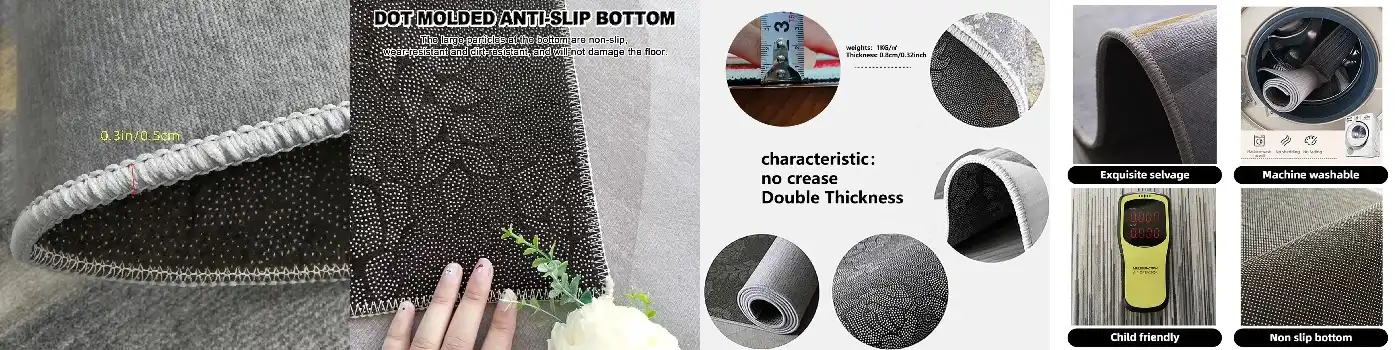
These days, long corridor carpets have better backing materials that make the carpets last a lot longer. Standard jute or latex builds don't keep their shape as well as TPR (thermoplastic rubber) backing systems do because the sides don't curl and the backing doesn't come apart. Another great thing about this kind of backing is that it doesn't need separate pad installs, which makes it easy and cheaper to put down.
Because the TPR backing doesn't let water through, spills stay off of the subfloor and it's easier to clean in places like food service or healthcare areas where fluid contact is a safety risk. Because it is machine-woven and has edge locking, it won't tear or lose threads even after a lot of use. This means that the sides will stay clean for the whole installation.
Design Elements That Enhance Functionality
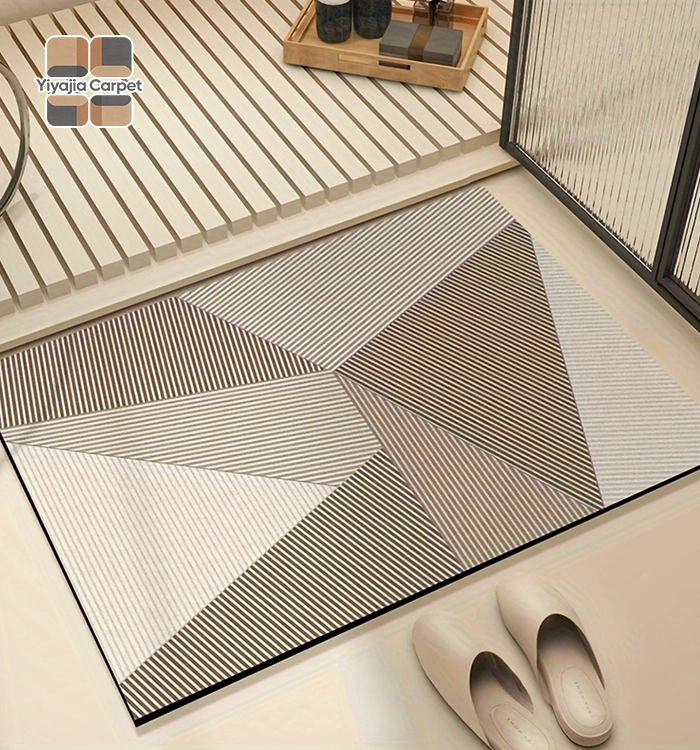
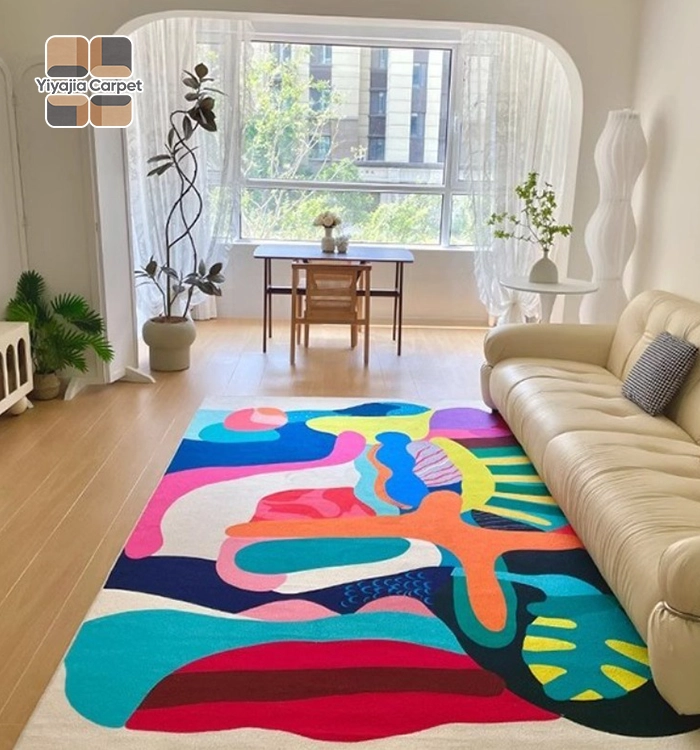
Pattern choice is useful in hallways for more than just how it looks. Using geometric or organic patterns in a smart way can hide small spots and dirt buildup between cleanings, making it look like nothing needs to be done. Color schemes with a lot of different tones also hide dirt better than colors that are all one tone, and they break up long transitional spaces that look too dull.
Use cut-and-loop pile combos to change the appearance. This will hide more dirt and make the area look more interesting. It's very important to know the density specifications. Higher pile weights (at least 30 ounces per square yard for business areas) make sure that there is enough fiber mass to fight compression and recover from traffic patterns. This means that the long corridor carpet doesn't need to be replaced as often.
Comparing Long Corridor Carpet Solutions: What Works Best?
When looking at different types of long corridor carpet, it's important to know how each one meets certain needs. Leading manufacturers who have been shipping for a long time and have a lot of different certificates, like CE, OEKO-TEX, and ISO 9001, show that they always keep an eye on quality and make sure they meet safety standards all over the world. These papers are very helpful for workers and dealers who have to follow different rules in different places. If a supplier says that their goods are REACH compliant and EN 1350 flame protected, that means that they follow the strict rules in Europe. It's easier to get through customs this way, and there's less chance of buying something.
Comparing Corridor Carpets to Alternative Solutions
Traditional long corridor carpets, on the other hand, aren't strong enough for business areas with a lot of foot traffic, but they're fine for houses. Because they were made just for hallways, these long corridor carpets have a higher density, stronger edges, and backing systems that are meant to be permanently attached along long lengths. This type of carpet tile makes it easier to replace only the worn-out parts. However, the seam lines might not match the style of the rest of the floor. Broadloom installations let you see clearly from far away, but they need to be done by a professional to make sure the patterns match and the long corridor carpet doesn't pop or wrinkle when carts and other things are moved around.
Evaluating Total Cost of Ownership
You should look at more than just the price per square meter when you compare prices. You should also think about how much it will cost to install, how often you should change the things, and how much maintenance it will need. Cheap products (less than $15 per square meter) usually need to be changed every three to five years in places with a lot of foot traffic. This means that over a 10-year planning period, the ongoing costs are higher than the initial investment in a high-quality product.
Picks in the middle range, which cost around $20 to $35 per square meter, are good value for money and last for 5 to 7 years. High-end long corridor carpets that are made with advanced fiber technologies and stronger construction last at least 10 years and cost $40 or more per square meter. The general cost of ownership goes down because the long corridor carpets don't need to be maintained or changed as often. Unit costs change a lot when you buy a lot of something. You can often get savings of over 15% when you buy more than 500 square meters. This means you can get professional-grade goods at fair prices.
Installation and Maintenance Tips for Long Corridor Carpets
How well a long corridor carpet was put down affects how long it lasts. Before you can start preparing a surface, you need to clean and level the subfloors well. This smooths out any rough spots or bumps on the surface that cause wear and tear to happen faster. With the double-stick method, glue keeps both the padding and the long corridor carpet in place.
This method is more stable in terms of size than the stretch-in method, where the long corridor carpet can move when heavy things are rolled on it. For the whole hallway to look like one piece, the pattern has to line up perfectly at doors and changes. This is done by professionals. It's important to plan where to put seams. For example, seams in doors or alcoves are less obvious than seams that cross major traffic lanes. This helps the building look nice.
Proactive Maintenance Strategies
Making regular care plans for long corridor carpets keeps them looking good and makes them last longer. That way, the long corridor carpet won't wear out too fast. Cleaning it every day with commercial-grade tools gets rid of rough soil bits before they get deep into the fibers. Spot cleaning once a week gets rid of spills right away, before they become spots that need stronger treatments. When you deep clean with encapsulation methods every three months, you can lift hidden soils while preventing water from getting in.
This speeds up the drying process, which usually only takes two to four hours instead of twelve to twenty-four hours with traditional steam extraction. This quick turn-around means that places that need to be open 24 hours a day, seven days a week will have less downtime. Regular care with anti-static treatments lowers the pull of dust and makes it easier to clean. This is especially helpful in places like hospitals and offices where dust control is very important for air quality.
How to Choose the Right Long Corridor Carpet for Your Business Needs?
Systematic review systems that match product specs with real-world wants can help people decide what to buy. The first step is to rate the traffic volume. The largest level of density and resistance to wear and tear is needed in corridors with more than 1,000 daily users. Lighter-duty needs can be met in secondary traffic zones. You need to make sure that functional standards like fire safety ratings, sound protection, and slip resistance meet the rules and codes for your type of building. For aesthetic reasons, you should match colors to current rooms, make sure pattern sizes are right for hallways, and use brand name elements in custom designs.
Customization Capabilities and Supplier Support
You can cover normal hallways for a low cost with standard products, but it's important to be able to adjust the products for things like unique building features or brand needs. They can make designs that are totally unique and fit your exact needs in terms of size, pattern placement, and color if they have heat transfer printing and laser cutting tools. Find makers whose minimum order amounts make sense.
Setting a minimum order size and color of 50 pieces, for example, lets you get one-of-a-kind options without having to keep too much stock on hand. Using logos and other branded design elements in offices or big buildings can help people feel more connected to the company and find their way around. To meet project schedules, custom parts can be made in as little as seven days.
Evaluating Supplier Reliability
To keep working with the same providers for a long time, keep the quality high, deliver on time, and offer good customer service after the sale. Companies that can make more than 2000 square meters of goods every day can handle big orders without having to wait for long lead times. Export-grade packing that doesn't get damaged or wet keeps things safe while they're being shipped abroad. The best ways to load containers to get the most space out of them and lower the cost of freight per unit.
Account managers make sure that repeat orders are put first in the production plan, and projects stay on track by getting in touch early when there are changes to requirements or issues with the supply of materials. Promises of quality security, like checks before sending and replacements for mistakes in production, take away the risk of buying. This helps wholesalers and builders a lot when they have to meet client standards for more than one job at the same time.
Conclusion
To pick the best long corridor carpets for places with a lot of foot traffic, you need to think about how well they work, how they look, and how much they will cost over their lifetime. For a business to succeed, its products need to last, be safe, and be easy to clean. High-quality items made with new materials like fake cashmere surfaces with TPR backing meet all of these needs. Purchasing professionals should work with manufacturers that have a lot of experience, offer full certifications, and offer open customization options and reliable delivery schedules. Buying good hallway flooring now will save you money in the long run because it lasts longer, doesn't need to be replaced as often, and makes people happy in hotel, office, and school settings.
FAQ
What materials provide the best durability for high-traffic corridors?
Business halls are better places for solution-dyed nylon and thick fake cashmere with TPR backing systems to keep up with wear and stains. These materials look good even after being used a lot and are easy to keep up. This makes them good choices for buildings that need to last.
How often should professional deep cleaning occur in corridor carpets?
Every three months, business routes that get a lot of foot traffic need professional extraction cleaning to get rid of hidden soils and rebuild pile strength. If a building doesn't get a lot of use, the deep cleaning may not need to be done every six months. For a low cost, immersion cleaning can keep the floors looking good between deep cleans.
Can corridor carpets be customized to match existing interior designs?
These days, factories use advanced tools like heat transfer printing and exact laser cutting to change the shapes, colors, and sizes to meet different needs. Because the minimum order size is low (about 50 pieces), you can get unique patterns made for projects that need to match a certain brand or style.
Partner with Yiyajia Carpet for Your Corridor Flooring Solutions
It is Yiyajia Carpet's specialty to make high-performance hallway flooring that is made to work well in busy business settings. With our state-of-the-art laser cutting and heat transfer methods, you can change the colors, forms, and sizes to suit your needs. We make long corridor carpets that are certified by CE, OEKO-TEX, ISO 9001, REACH, and EN 1350. This way, we know that all of our goods meet the strictest safety and environmental standards around the world. There is fake wool on top and TPR on the bottom, so they are very durable even if you walk on them a lot. They also keep their ability to not slip and absorb sound, which is useful in workplaces, homes, and public places.
Our daily production space is more than 2,000 square meters, and our fair minimum order amounts begin at 50 pieces. This means that we can handle both big tasks and small, unique needs. We offer full quality assurance, which includes checks before sending and promises for replacements. This makes it safe for makers and dealers all over the world to buy. Get in touch with our team at sale@yyj-carpet.com to talk about your hallway flooring needs and get personalized help. We promise on-time delivery and expert help after the sale.
References
1. Carpet and Rug Institute. (2022). "Commercial Carpet Performance Standards for High-Traffic Applications." CRI Technical Bulletin 2022-04.
2. Thompson, M., & Richardson, J. (2021). "Lifecycle Cost Analysis of Commercial Flooring Systems in Hospitality Environments." Journal of Facility Management Research, 15(3), 287-304.
3. American Society for Testing and Materials. (2023). "ASTM E648: Standard Test Method for Critical Radiant Flux of Floor Covering Systems." ASTM International Standards.
4. Williams, D. (2020). "Acoustic Performance of Textile Floor Coverings in Commercial Corridors." Building Acoustics Quarterly, 28(2), 145-162.
5. International Interior Design Association. (2022). "Specification Guidelines for Commercial Corridor Flooring in Healthcare and Hospitality Facilities." IIDA Professional Resources.
6. Chen, L., & Martinez, R. (2023). "Sustainable Material Selection in Commercial Carpet Manufacturing: Environmental Impact Assessment." Sustainable Building Materials Journal, 11(1), 76-93.