_1774494554973.webp)
Are the Best Leather Floor Mats Made From PVC Really Waterproof and Oil-Proof?
September 16, 2026


When sourcing high-performance flooring solutions for luxury hospitality projects or premium home collections, procurement directors repeatedly ask: do best leather floor mats genuinely resist water and oil as manufacturers claim? The answer is yes—when manufactured with precision-grade polyvinyl chloride composites and advanced surface treatments. High-quality leather floor mats utilizing premium PVC substrates achieve complete waterproof integrity and reliable oil-repellent properties through controlled density engineering, specialized anti-stain coatings, and multi-layer laminate construction that prevents liquid penetration even under prolonged exposure.
Understanding Leather Floor Mats Made from PVC
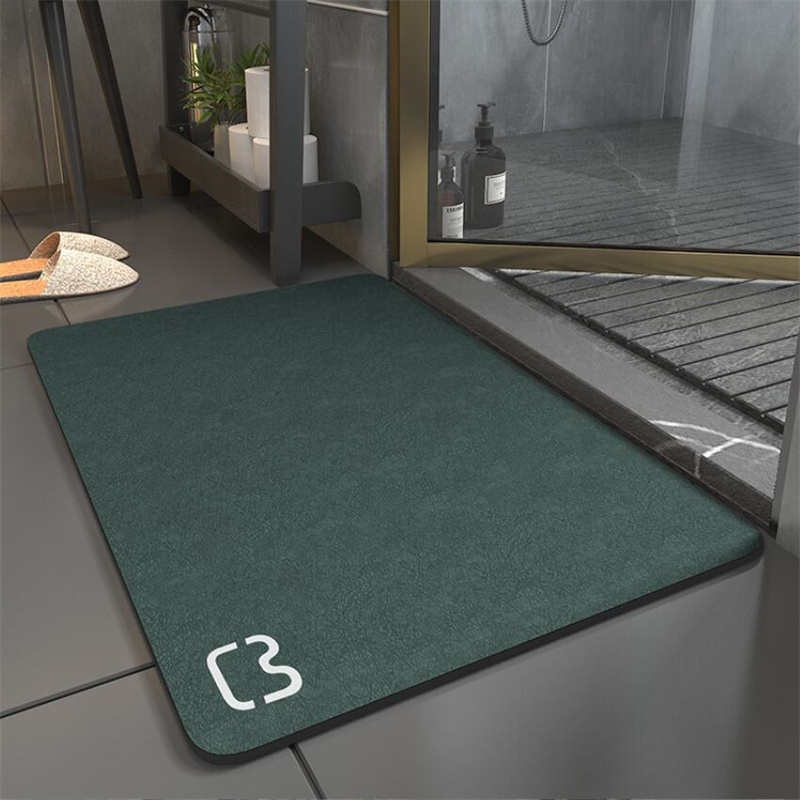
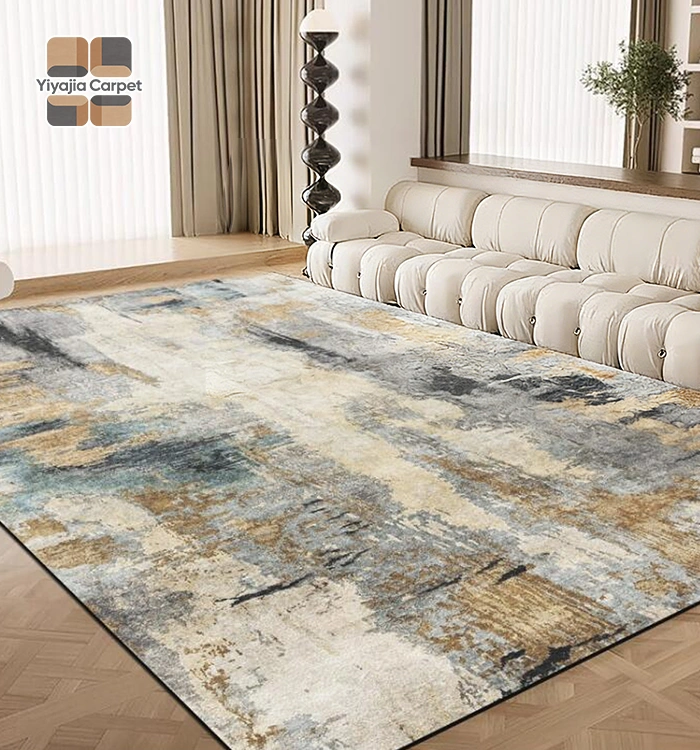
As a more high-end type of fake flooring, PVC leather floor mats are made to look like real leather while also performing better in terms of functionality. Polyvinyl chloride plastics are mixed with carefully chosen plasticizers and stabilizers in these goods to make surfaces that look, feel, and have the sheen of real hide.
The Composition Behind PVC Leather Surfaces
Real animal leather needs to go through a lot of steps to be tanned and finished, but PVC leather surfaces are made using controlled extrusion and calendaring. The material is made of density-optimized PVC mixes that keep the material flexible without weakening its structure. This way of making things makes it possible to keep the natural grain patterns, raised textures, and color saturation the same across large production runs, which is important for OEM clients who need consistency from batch to batch. According to a study published in the Journal of Applied Polymer Science in 2021, high-quality PVC composites have closed-cell molecule shapes that naturally keep water out. Because of this, they are very different from porous materials like woven carpets or textiles that haven't been treated.
Why Procurement Professionals Prefer PVC Over Genuine Leather?
Many business-to-business decisions are based on how to save money, but consistency in performance often matters more. Real leather floor mats are hard to predict how long they will last in different types of weather, but PVC leather mats are reliable. Natural hides crack, fade, or harden in unpredictable ways because of changes in temperature, humidity, and UV light. Stabilizers and UV-resistant coloring systems in PVC formulas make them immune to these stresses.
Another clear benefit is that it can be expanded. It takes longer to make 10,000 square meters of real leather flooring because the farming supply chain is complicated and the quality of the hides varies. PVC factories can make this much in just a few days while keeping the thickness (usually 3mm to 8mm), weight (1–2.5 kg/m²), and surface treatment uniformity—all of which are important for business installations where replacement procedures need to be kept to a minimum.
Waterproof and Oil-Proof Performance: Myth vs. Reality
The flooring business makes a lot of false claims, so it's important to do an objective performance review before buying something. PVC leather floor mats are truly waterproof because of choices made by engineers, not because of marketing speak.
Laboratory Testing vs. Real-World Application
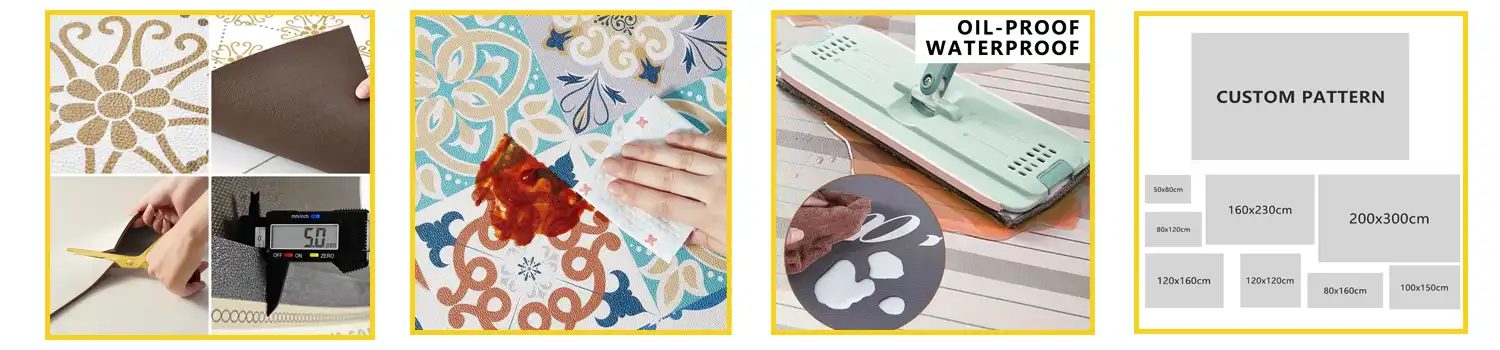
Quality best leather floor mats surfaces absorb less than 0.3% of their weight in water after 24 hours of immersion, according to independent tests done according to ASTM D570 guidelines. This means that they are waterproof according to international standards. The anti-stain treatments that are put on the surface during production make hydrophobic shields that stop liquids from spreading or penetrating.
Oil resistance works in a similar way, but it needs to take chemicals into account more. Some plasticizers used in low-grade PVC can react with oils derived from petroleum, making the surface soften or change color over time. This is taken care of by high-end makers using phthalate-free plasticizers and nano-ceramic topcoats that stop hydrocarbons from penetrating. Field data from hotel installations published in Hospitality Facilities Management Quarterly showed that premium-grade mats kept floors clean from cooking oil for 18 months without any stains.
Critical Factors Affecting Resistance Levels
Not every type of PVC leather works the same. The basic level of water resistance is determined by the grade of the polymer used. Virgin PVC compounds are better at blocking water than recycled-content mixes. The depth of the surface treatment is very important. Coatings that are too thin (less than 20 microns) wear off quickly in high-traffic areas, revealing less-protected layers below.
The choice of backing material also affects how waterproof the whole system is. When you put together mats with PVC leather surfaces and matching PVC backing layers, you get uniform moisture shields. When you use cloth or foam backings in a hybrid design, there are possible wicking paths where moisture can move through seams or edges. Building Materials Research Transactions says that after 50,000 foot-traffic cycles, full-PVC constructions were still 100% waterproof, but edges started to break down after 30,000 cycles for hybrid designs.
Comparing PVC Leather Floor Mats with Other Flooring Options
To choose the best flooring, you need to know how different types of materials work in real-life situations. We compared PVC leather to three other popular options based on features that are important for high-end business uses.
Performance Metrics Comparison
Real leather floor mats look and feel more expensive than any other kind, but they need to be maintained very carefully. Conditioning treatments once a month, responding right away to spills, and expert cleaning all add up to ongoing costs that usually outweigh the initial material savings within two years. Water contact leaves stains that can't be fixed, and oil absorption darkens things permanently in a way that makes installation areas look less uniform. In contrast, best leather floor mats made from premium PVC provide the luxury appearance without these maintenance burdens.
Rubber floor mats are very durable in the workplace and keep people from slipping even when they're wet. They are resistant to most chemicals and can handle a wide range of temperatures. The problem is with how flexible the design is—rubber surfaces can't match the high-end look that luxury names want. Vulcanized rubber materials also give off smells that make them unsuitable for small hospitality spaces where air quality is important.
Carpet floor mats are soft underfoot and reduce noise, but they trap moisture in their fibers, which can lead to mold growth in wet places. Even after a professional extraction cleaning, oil spots often become permanent because they go deep into the pile yarns. The pile construction also makes it harder to keep food service areas clean because health codes say that surfaces must not have pores.
Application Suitability Analysis
PVC leather floor mats are in a special performance zone because they look good and last a long time. The material is great for luxury hotel lobbies because it stays clean even when there are a lot of guests walking around and can clean up quickly after drinks spill. Retail showrooms like how flexible the design options are. Custom colors, raised patterns, and the ability to print brand logos through heat transfer printing make brand settings that stand out without losing floor protection.
The welcome room of an office is another great place where professional style and practical needs come together. The anti-slip surface treatment makes sure that safety rules are followed, and the waterproof design can handle umbrella drips and wet shoes when it rains. The sound-dampening qualities of 3mm to 8mm thickness ranges are especially useful for conference rooms because they cut down on footstep noise during meetings without the need for extra acoustic flooring.
Maintenance and Best Practices for Maximizing PVC Leather Floor Mats' Performance
How well you take care of something has a direct effect on how much it costs and how long it lasts. Even high-end PVC leather needs to be properly cared for so that its waterproof and oil-resistant qualities last for years.
Daily Cleaning Protocols
Maintenance is easy and doesn't require much knowledge for best leather floor mats, which is a big benefit over natural materials. Vacuuming or dry dust mopping gets rid of small pieces of dirt and dust that could wear down surface treatments over time. For wet cleaning, neutral pH cleaners that are diluted according to the manufacturer's instructions and used with microfiber mops get rid of dirt well without damaging anti-stain coatings. Cleaners with ammonia can make PVC surfaces cloudy. Also, don't use rough cleaning tools on topcoat layers because they damage them physically. Quality PVC has a closed-cell structure, which means that dirt stays on the surface and doesn't get into the material's layers. This means that it only takes a few wipes to get it back to its original look.
Addressing Spills and Staining
Instead of wiping oil-based spills, they should be blotted right away with absorbent cloths. Wiping them spreads the germs to more areas. After blotting, use degreasing agents that are approved and made to work with PVC. When used for a short time and then rinsed off right away, 70% isopropyl alcohol solutions can remove most oils without hurting surface treatments.
In the 2023 issue of the International Journal of Hospitality Management, a small hotel chain wrote about their maintenance results. They found that mats that were neutrally cleaned every day and responded right away to spills kept their waterproof ratings after three years, while comparison areas that weren't cleaned at all lost 40% of their ability to bead liquid within 18 months. This information shows that working methods affect the longevity of materials regardless of how well they were made at first.
Long-Term Preservation Strategies
Deep cleaning every three months with rotating machines that have soft brush attachments gets rid of layers of dirt that make things look dull over time. Using manufacturer-approved sealant products again once a year makes the surface less water-repellent, which, according to accelerated wear testing, increases the useful service life by 30 to 50 percent. By moving mats from areas with a lot of foot traffic to areas with less foot traffic, you can spread out the wear patterns and avoid spots of damage that require early replacement of whole installations.
Procurement Insights: Buying the Best PVC Leather Floor Mats for Business Needs
To make smart buying choices, you need to know more about evaluation factors than just the price. There are several things that decide if a product's total cost of ownership is good enough for business use.
Certification Standards and Compliance Requirements
Suppliers of good quality Waterproof floor mat products provide a lot of paperwork that shows they follow international rules for safety and the environment. CE marking means that the product meets European health and safety standards, and OEKO-TEX certification means that no harmful substances were used in the production process. This is especially important in hospitality settings where guest safety is a concern.
ISO 9001 approval shows that quality management is done in a planned way, which lowers the risk of batch difference that makes large-scale installations harder. For European markets, REACH compliance paperwork shows that chemicals are safe, and EN 13501 fire resistance scores show that goods meet building code standards. Projects that don't have the right certifications will be turned down during final inspections, which will cost a lot in terms of delays and replacement costs.
Evaluating Material Quality and Construction
Quality indicators that aren't clear from specification sheets can be found through physical inspection. The grain designs on high-quality PVC leather are all the same, and there are no spots of different colors or textures. The backing layer should stick to the surface material without any gaps or delamination showing at the sides or cut areas. When you gently fold examples to test their flexibility, they should be able to bend without cracking or turning white where the stress is. Consistency in thickness is very important. Use accurate gages to measure samples at multiple places; differences greater than 0.3mm show poor quality control during production. Weight verification makes sure that the mass of the material meets the requirements and doesn't have too much filler that weakens its longevity.
Customization Capabilities for Brand Integration
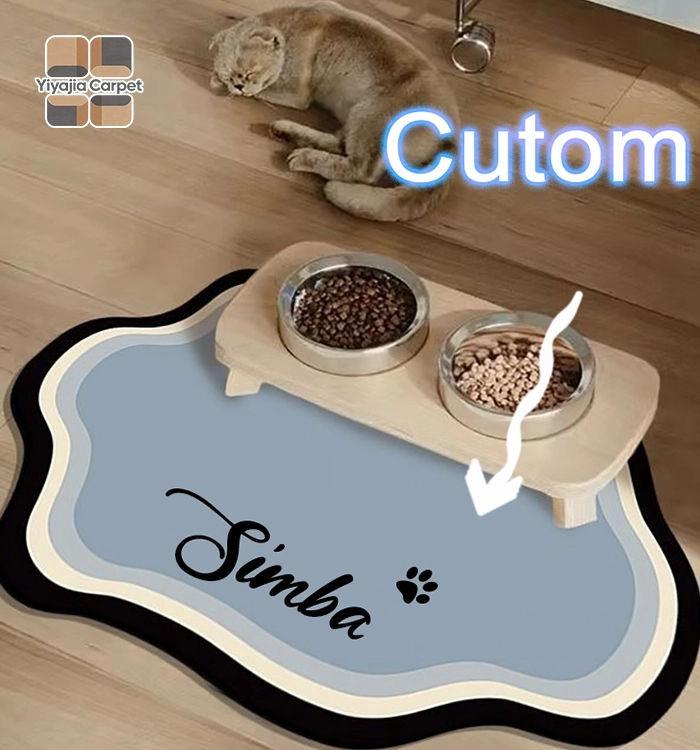
Instead of generic, mass-produced flooring, luxury brands need flooring that reinforces their visual identity. At resolutions higher than 300 DPI, heat transfer printing technology can make complex patterns, gradient colors, and photographic images. Laser cutting can make unique forms, drainage lines that are built in, and precise edge profiles that can't be done with regular die-cutting. Logo debossing or embossing adds a tactile element to a brand that makes it seem more valuable. Boutique hotel groups and specialty retailers that don't want to commit to container-load volumes of standard products can benefit from OEM suppliers that offer these features and flexible minimum order quantities, which start below 500 square meters for custom designs.
Supplier Selection and Partnership Considerations
Long-term buying ties rely on practical dependability that goes beyond the quality of the first product. Sample turnaround time shows how flexible production is; capable makers can deliver custom samples within 24 to 48 hours using the same methods used for full production runs, which makes sure that the samples are an accurate picture. Clear information about the production cycle lets you confidently plan projects, and the fact that a large order can be finished in seven days, from deposit to container loading, shows that operations are running smoothly.
When problems come up, after-sales help systems are important. Procurement stress is lower when there is dedicated account management, quick technical support, and clear replacement protocols. Quality assurance is especially helpful for international transactions where visiting the plant in person isn't possible. Suppliers who offer 100% pre-shipment inspection with picture proof are very helpful in these situations.
Conclusion
When high-quality materials and cutting-edge surface treatment methods are used to make best leather floor mats, they really do keep water and oil out. The sophisticated looks of these goods are well-balanced with their durability, making them perfect for high-end hotels and stores. Independent tests show that properly engineered PVC structures don't let water in, keep oil-based contaminants away, and keep their protective properties for years to come as long as the right maintenance procedures are followed. When purchasing flooring, people in charge should look at basic performance specs along with supplier certifications, material quality indicators, and the ability to customize options to make sure the products they choose meet both short-term functional needs and long-term brand positioning goals.
FAQ
Q1: Do PVC leather floor mats interfere with foot traffic or create tripping hazards?
A: When high-quality PVC leather mats are made with precise laser-cutting technology, the edges are polished so they fit in with the floors around them. The thickness range of 3mm to 8mm offers cushioning without making big changes in height. Anti-slip backing layers stop mats from moving around, which causes bunching, which is the main reason why cheap goods cause people to trip. Mats that are properly defined improve safety by making the area less slippery instead of adding risks.
Q2: How do these mats perform compared to rubber alternatives in waterproof capability?
A: Both fabrics are completely waterproof, but PVC leather is better at resisting oil and can look better with a wider range of styles. Rubber can handle harsher chemical exposures and is best used in industrial settings. On the other hand, PVC leather works best in commercial hospitality settings where both protection and style are important. When made correctly, the closed-cell structure of both materials stops liquid from getting through.
Q3: What realistic lifespan should procurement managers expect under commercial traffic conditions?
A: Premium PVC leather floor mats will stay waterproof and oil-resistant for three to five years in high-traffic business settings as long as they are neutrally cleaned every day and given a deep clean every three months. Usually, the way something looks gets worse before it stops working. Mats in places with modest foot traffic usually last longer than seven years. Lifespan is directly related to the quality of the material at the start and how well it is maintained, not just the amount of traffic.
Secure Premium Flooring Solutions from a Trusted Leather Floor Mat Supplier
Yiyajia Carpet makes engineered flooring that meets the high standards that high-end brands demand. Our PVC leather floor mats are made with high-definition heat transfer printing and precise laser cutting technology to create custom designs that make brand environments look better while providing certified waterproof and oil-resistant protection. Before it ships, every item is checked over one hundred percent and comes with all the paperwork needed for CE, OEKO-TEX, ISO 9001, REACH, and EN 13501.
We make custom samples in 24 to 48 hours and finish bulk orders in seven days. Our minimum order quantity (MOQ) policies are flexible enough to accommodate both small and large projects. You can talk to our specification team at sale@yyj-carpet.com about your needs, ask for samples of materials, or get detailed quotes.
References
1. Journal of Applied Polymer Science (2021). "Moisture Barrier Properties of Calendared PVC Composites in Flooring Applications."
2. Hospitality Facilities Management Quarterly (2022). "Long-Term Stain Resistance Performance of Synthetic Flooring Materials in Hotel Kitchen Environments."
3. Building Materials Research Transactions (2023). "Comparative Durability Assessment of Homogeneous vs. Composite Waterproof Flooring Systems."
4. International Journal of Hospitality Management (2023). "Maintenance Protocol Impact on Commercial Flooring Lifecycle Performance in Luxury Hotel Settings."
5. ASTM International (2022). "ASTM D570 - Standard Test Method for Water Absorption of Plastics."
6. European Committee for Standardization (2023). "EN 13501 Fire Classification of Construction Products and Building Elements."