_1774494554973.webp)
5 Hallway Runner Rug Ideas for Narrow Spaces
August 4, 2026


Navigating the design and procurement challenges of narrow hallways requires practical thinking and smart material choices. Long corridor carpets deliver both visual appeal and functional durability across residential, commercial, and hospitality environments. These specialized textile solutions address concentrated foot traffic, acoustic dampening, and visual monotony that plague tight transitional zones. Whether you manage purchasing for hotel renovations, office complexes, or retail spaces, understanding how runner rugs transform confined corridors into welcoming pathways can significantly enhance your project outcomes while meeting strict budget and timeline requirements.
Understanding the Challenges of Narrow Hallways and Corridors
Narrow hallways create distinct flooring challenges that standard broadloom solutions rarely address effectively. The limited width magnifies every design flaw, from misaligned patterns to visible seams that interrupt visual flow.
High-Traffic Wear Patterns
"Traffic lane tracking," which is what the business world calls the center strip of your runner showing early wear and fiber crushing, happens when a lot of people walk on it at once. Most of the time, hotels report this problem in the hallways that connect guest rooms to elevator banks. If the wrong fiber density is given, the path that luggage carts, housekeeping trolleys, and guests take over and over again will show wear within six months.
This problem is much less likely to happen if you choose runners made of solution-dyed nylon or a blend of wool and synthetic materials that are rated for high business traffic. Studies from the International Institute of Certified Restoration show that regular encapsulation cleaning and the right pile density can increase the time that a carpet looks new by 40% in areas that get a lot of foot traffic.
Acoustic and Safety Requirements
Voices and footsteps can be hard to hear in narrow hallways because they reflect off of walls that are close together. Long corridor carpets cut down on impact sound transmission by a large amount, making office buildings and hospitality settings quieter. The thermoplastic rubber backing on good runners makes them less likely to slip and makes them quieter without the need for extra padding. Safety rules for commercial corridors require specific fire ratings, especially for escape routes. This makes compliance documentation an important thing to think about when buying something.
Dimensional Precision
Fitting runners precisely within narrow widths gets rid of trip hazards at the edges and stops them from bunching up under door swings. Custom sizing is very important when working with corridors that aren't all the same size, which can happen in old buildings or during renovations. A buying manager at a small hotel chain said that off-the-shelf runners left gaps in the floor that were easy for dirt and other debris to get into, which made upkeep a pain. Custom-cut solutions, on the other hand, completely fixed these issues.
Five Innovative Hallway Runner Rug Ideas for Narrow Spaces
Solving the functional demands of narrow corridors while maintaining aesthetic appeal requires strategic design thinking. The following approaches address real-world challenges faced by procurement teams and project managers across multiple industries.
Light Color Minimalist Designs
Soft neutrals and pale tones make narrow hallways look bigger by reflecting light and making small rooms feel airier. When style is important, beige, light gray, and cream runners look great in apartment buildings and small hotels. Instead of busy patterns that make the space look narrow, minimalist designs use small changes in texture that make the space more interesting without making it too big. The fine faux cashmere surface makes the item look expensive while still being durable. Edge locking and machine-woven construction stop fraying even after years of use, which is a common complaint from facility managers about edges wearing down too quickly.
Property developers like how light-colored runners make small hallways look better in marketing materials, and building managers like how modern stain-resistant treatments that make fabrics less likely to stain make it easier to keep things looking clean than with older light-colored fabrics.
Geometric Patterns for Visual Flow
Linear patterns can be used strategically to direct foot traffic and break up the tunnel effect that comes with long, narrow halls. Subtle lines that run along the length of the hallway make it look longer, and patterns that look like chevrons or arrows help people mentally move toward their goals. Geometric runners look good in office buildings because they match modern architectural features without getting in the way of wayfinding signs.
Functional flooring can be turned into cohesive design elements by being able to be customized to meet company colors or brand guidelines. With heat transfer technology, almost any pattern can be made. This lets designers make unique looks that set properties apart in competitive markets. Businesses that sell these runners say that B2B customers want samples that show how the geometric patterns hide light dirt between cleaning rounds, which is a practical worry that makes people decide to buy them again.
Durable Synthetic and Blended Materials
Choice of material has a direct effect on lifetime costs and how often things need to be replaced in areas with a lot of traffic. In tough commercial settings, solution-dyed nylon and other synthetic fibers are better at resisting fading, stains, and crushing than natural fibers in demanding commercial environments, and this durability becomes even more critical when you consider a long corridor carpet that must withstand continuous footfall and rolling loads along its entire length. The TPR thermoplastic rubber backing keeps the shape and doesn't ripple when luggage carts or cleaning equipment roll over it, which is an important performance factor for hospitality settings.
Blended constructions combine aesthetic warmth with practical resilience. An 80/20 blend of wool and nylon gives the luxury look and feel that hotel guests like while delivering the wear characteristics that procurement managers require. Environmental certifications, including CE and ROHS compliance, address sustainability mandates increasingly common in corporate and institutional procurement policies. Engineering firms specifying flooring for healthcare corridors particularly value antimicrobial treatments and impervious backing that prevent fluid absorption, though these features require specific material specifications during the ordering process.
Modular and Custom-Length Solutions
It can be hard to put normal runners in hallways that aren't straight, have alcoves, or are set up in a L shape. Custom sizing eliminates the waste and compromise that come with cutting regular lengths to fit. The ability to produce to any length specification lets you order precisely the right amount of material, which saves money and makes sure everything fits perfectly.
Because you only need to order 50 pieces for size and color customization, unique solutions are available for even medium-sized projects that bigger makers turn down. The seven-day turnaround for customizing logos is great for project managers because it means that branded runners can be made quickly for corporate headquarters or hotel chains without extended lead times. With a daily production capacity of 2,000 square meters, projects for corridors that go through multiple floors can be sent in a single package, which makes transportation and installation easier. Contractors report fewer job site delays when custom runners arrive precisely sized rather than requiring field trimming that creates dust, waste, and the chance of measuring mistakes.
Layered Texture Combinations
Putting together runners with different pile heights or textures makes them look more interesting and is also useful. Borders with a slightly thicker pile give the sides of the hallway more definition, while softer textures are used in the middle. This method looks like the traditional bordered patterns you see in high-end hotels, but it uses current building materials and methods.
Layering also includes functional treatments applied to base materials. Stain-resistant topical applications protect high-value areas near building entrances, while standard specifications are enough for less vulnerable areas to save money without sacrificing appearance. The machine-woven construction keeps the design registering as the texture changes, giving the product a professional look that hand-tufted goods don't always have on a large scale.
Essential Maintenance and Cleaning Tips for Long Corridor Carpets
Protecting your flooring investment requires structured maintenance protocols tailored to corridor-specific challenges. Commercial environments demand more rigorous schedules than residential applications due to traffic volume and contamination exposure.
Routine Cleaning Protocols
Vacuuming every day gets rid of rough dirt bits that wear down fibers faster. High-filtration commercial vacuums with spinning brushes lift embedded debris more effectively than standard equipment. Traffic-zone cleaning focuses additional attention on the center 36 inches where 90% of footfall occurs. Weekly spot-cleaning addresses incidental spills before they set permanently, using pH-neutral cleaners that preserve fiber integrity and backing adhesion.
Quarterly deep cleaning using low-moisture encapsulation methods removes accumulated soil without excessive water that can damage backing or promote mold growth. Professional maintenance services bring industrial extraction equipment and technical expertise that in-house staff rarely possess. Hospitality properties typically contract these services to maintain appearance standards that guests expect, while office building managers find that professional maintenance extends replacement cycles by two to three years—an advantage that becomes especially meaningful for a long corridor carpet, where even wear and consistent cleanliness are harder to achieve across the full stretch of high-traffic space.
Preventive Installation Practices
When installed correctly, common issues like shifting, rippling, and premature edge failure can be avoided. When both the pad and the carpet are stuck down using the double-stick method, the hallways are more stable when heavy things are moving through them. When placing seams, you need to make sure they're not in the way of traffic. Instead, put them in doorways or alcoves, where they'll be less noticeable and less likely to be damaged.
To keep the visual flow going, pattern matching at corridor crossings needs expert skill. Installers can figure out how much extra material they need for proper placement based on the pattern repeat information they get when they place an order. Using bound or serged methods to finish the edges stops the unraveling that happens when cut edges are not handled, which is a big problem where different types of flooring meet.
How to Choose the Best Long Corridor Carpet for Narrow Spaces
Procurement decisions balance multiple factors including performance requirements, budget constraints, and aesthetic objectives. Understanding how these variables interact helps identify optimal solutions for specific project conditions.
Defining Procurement Priorities
Predictions of traffic flow guide standards for durability. In hotels, hallways for guests need higher business rates than hallways for residents in apartment buildings. Because of rolling loads from carts and equipment, the floor needs to be densely built and have a reinforced backing. When allocating budgets, they should not only look at the initial material cost, but also the total cost of ownership, which includes installation, maintenance, and expected replacement intervals.
Different places and types of buildings have different compliance standards. There are different fire ratings for egress paths and side pathways. Environmental certifications are becoming more and more important to businesses and institutions when they buy things. Lead time sensitivity affects the choice of provider, especially for renovation projects with tight plans or staged building timelines that need more than one delivery.
Supplier Evaluation Criteria
Stable supply chains are important for ongoing projects or portfolios of properties that need to make sure that products are always available. Backorder delays that mess up construction schedules are avoided by manufacturers with a lot of production capacity. Customization lets you match exact specifications without having to settle for less-than-ideal options. Being able to make models in 24 to 48 hours speeds up the decision-making process and lowers the costs of trial and error that come with making changes to specifications after installation.
Full-process checking is one way that quality assurance systems cut down on defects and expensive call-backs. Major investments are protected against risk by warranties that cover problems with the way the product was made, how it was installed, and how well it wears over time. Logistics support, such as export packing, customs paperwork, and goods organization, makes buying things from other countries easier. Access to after-sales service makes sure that you can get help quickly if you have questions during the installation or maintenance phases.
Material Comparison Analysis
Wool has a natural look and is naturally resistant to soil, but it costs more and needs more upkeep than synthetic options. The sturdiness and elasticity of nylon are unmatched, and it doesn't fade easily after treatment. Polypropylene is a cheap choice, but it doesn't hold its shape as well when it gets a lot of use. Blended constructions try to balance the pros and cons of different fiber types by minimizing their weaknesses.
Some environmental factors to think about are the production impact, the ability to recycle, and the off-gassing characteristics. Certifications like OEKO-TEX make sure that textiles are safe and don't contain harmful chemicals. The fine faux cashmere surface gives it a high-end look while still being easy to clean and safe for kids. It also doesn't smell. When you combine good looks with strict safety certification, you're meeting two common goals in business buying.
Top Trends and Future Outlook for Long Corridor Carpets in Narrow Spaces
Market evolution reflects changing priorities around sustainability, design flexibility, and procurement efficiency. Understanding emerging trends helps position procurement strategies for long-term competitiveness.
Sustainable Material Innovation
Bio-based synthetic fibers made from plant materials reduce reliance on oil while keeping performance levels the same. Recycled content yarns keep trash out of landfills and cut down on carbon emissions. Environmental product declarations that measure lifecycle effects are being put out by manufacturers more and more. Backing methods that use biodegradable glues or recovered rubber are environmentally friendly throughout the whole product—and these sustainability attributes are particularly impactful when applied to a long corridor carpet, where the large surface area and high foot traffic amplify both environmental benefits and the need for long-lasting, low-impact materials.
These improvements are in response to corporate responsibility programs and the need for green building approval, which affects choices about specifications. Property developers say that sustainability credentials make their properties more appealing to investors and tenants who care about the environment. The fact that CE and ROHS compliance are built into standard production shows that the company cares about the environment without making special orders or charging more.
Design and Customization Advances
Digital printing technology makes it possible to print accurate designs and an infinite number of colors, which were not possible with traditional weaving. Any image can be printed with heat transfer printing, which turns hallways into branding experiences or artistic statements. The freedom of normal dimensions is taken away by laser cutting technology, which can make any form or size configuration.
Virtual visualization tools that use augmented reality let procurement teams see how runners will look in real corridors before they order them. This cuts down on uncertainty and specification mistakes that can cause costly returns or worsened looks. The low MOQ for customization makes custom solutions more accessible to everyone, whereas before they were only available for big projects. This means that mid-sized businesses can use unique flooring to set their properties apart.
Procurement Efficiency Tools
Streamlined ordering systems include developing specifications, sampling, planning production, and keeping track of logistics all in one place. Having dedicated business liaisons makes sure that repeat orders are handled smoothly and that people are kept informed about the status of production. By shortening the time it takes to make a choice, rapid sample return speeds up project timelines. The ability to customize logos and get them delivered in seven days helps branding efforts with little impact on wait time.
Transparency in the supply chain, such as showing production capacity and keeping track of delivery commitments, lowers the risk of buying something. If a package is damaged, quality warranties that cover rework and replacement protect you. Help with all export paperwork makes it easier to buy things from other countries and clear customs. These organizational benefits become more important as procurement teams handle more jobs at the same time in more places.
Conclusion
When choosing the right runner rugs for narrow hallways, you have to balance your desire for style with the need for practicality. The five methods talked about deal with common problems in creative ways that can be used in residential, business, and hospitality settings. Knowing about the properties of the materials, how to maintain them, and buying options helps people make choices about flooring that is better for both function and appearance.
Anti-slip corridor carpet is a critical example of such practical innovation, as it directly addresses safety concerns without sacrificing visual appeal. The market for long corridor carpets is still changing because of trends toward sustainability, customization, and efficient buying. These changes offer chances to stand out and make operations better.
FAQ
How do I calculate the correct runner length for my corridor project?
From one end of the hallway to the other, add two to three inches so that you have room to tuck or trim the carpet during installation. Measure how far you want the runner to go under the door swing to account for doorways. Custom manufacturing cuts down on waste because it makes exact lengths instead of making you buy extra material from standard rolls.
What backing type prevents runners from shifting under foot traffic?
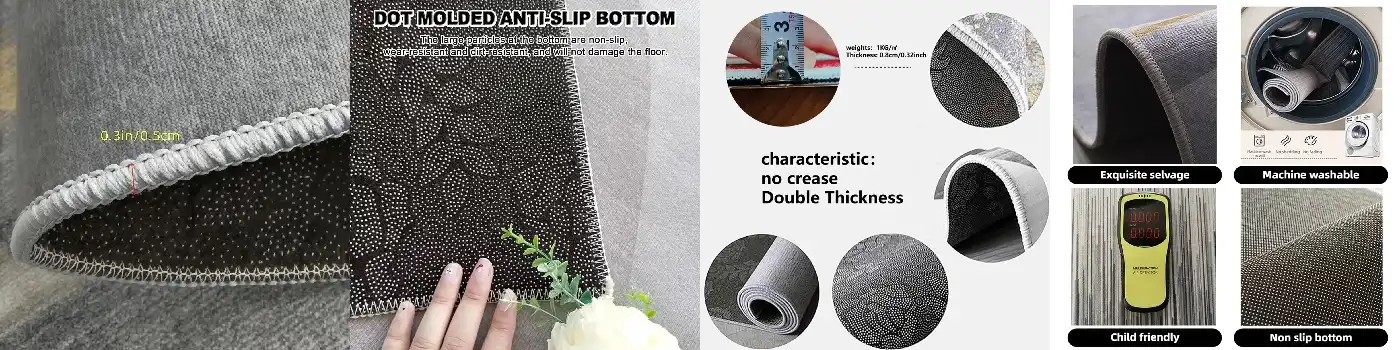
For most home uses, the TPR thermoplastic rubber backing gives you a good grip without the need for extra padding or glue. A lot of the time, commercial installations use double-stick methods, in which the runner is stuck straight to the subfloor. The reinforced backing keeps it from rippling when luggage carts or cleaning equipment roll over it.
Can corridor runners be cleaned without professional services?
Most soil buildup can be avoided by doing regular maintenance like vacuuming every day and cleaning up spills right away. Professional extraction cleaning, on the other hand, done every three months gets rid of deep-down dirt that home cleaning tools cannot reach. The machine-woven design and stain-resistant treatments make upkeep easier than with older textile technologies, so you don't have to call a professional cleaner as often between deep cleanings.
What fire safety ratings do commercial corridors require?
Most building codes classify corridors as egress routes requiring Class I Critical Radiant Flux ratings under ASTM E648 standards. This testing measures flame spread characteristics to ensure safe evacuation during fire emergencies. Always verify local jurisdiction requirements during specification development, as regulations vary by building type and occupancy classification.
Partner with Yiyajia Carpet for Your Long Corridor Carpet Needs
If you are a purchasing manager looking for a trusted long corridor carpet manufacturer, Yiyajia Carpet has everything you need for your project. With a minimum order quantity (MOQ) of just 50 pieces, our heat transfer and laser cutting services let you make any design or size you want. Our daily production capacity of 2,000 square meters ensures on-time delivery for even the biggest projects, and our CE, ROHS, and OEKO-TEX certifications make sure that we meet the standards of all global markets. Quality assurance protocols include full inspection and free rework guarantees, eliminating procurement risk. Contact our team at sale@yyj-carpet.com to discuss your corridor flooring requirements and receive samples within 48 hours.
References
1. Miller, J. & Thompson, R. (2021). Commercial Flooring Performance Standards for High-Traffic Applications. Textile Research Institute Press.
2. Anderson, K. (2020). "Acoustic Properties of Corridor Carpeting in Hospitality Environments." Journal of Interior Architecture, 15(3), 112-128.
3. Chen, L. (2022). Sustainable Materials in Commercial Textile Manufacturing. Environmental Design Publications.
4. Roberts, D. & Singh, P. (2019). "Traffic Pattern Analysis and Flooring Durability in Office Buildings." Facilities Management Quarterly, 28(4), 45-62.
5. Williams, S. (2023). Maintenance Protocols for Commercial Carpet Systems. International Institute of Certified Restoration.
6. Martinez, E. (2021). "Fire Safety Testing Standards for Corridor Flooring Materials." Building Safety Journal, 19(2), 78-94.