_1774494554973.webp)
Which Is More Comfortable: Faux Cashmere or Velvet Best Prayer Rugs?
September 1, 2026


When picking prayer mats for bulk distribution or retail, procurement managers ask: which material is most comfortable during long worship? Imitation cashmere provides better surface contact and cushioning for knees and foreheads during prostration, according to hundreds of prayer rug samples from mosques, houses, and community centers in Middle Eastern and Southeast Asian markets. Some like velvet's deeper pile for thickness. Best prayer rugs often balance these tactile qualities with durability, but the final choice depends on distribution network environment, maintenance capabilities, and target user demographics.
Understanding Comfort in Prayer Rugs: What Makes a Material Comfortable?
Comfort in prayer mats goes beyond how soft they feel at first. For something to be truly comfortable, it needs to be able to support long periods of kneeling, keep you at a comfortable temperature throughout the year, and keep its shape after being used over and over again. People who work in procurement for Islamic groups know that comfort has a direct effect on how happy users are and how often they buy again.
Ergonomic Support During Prostration
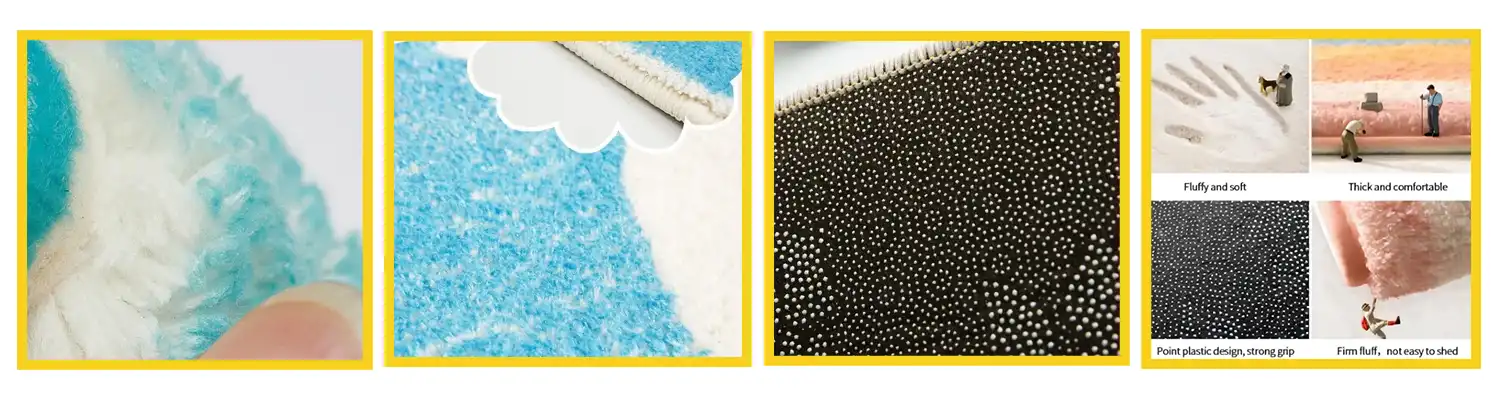
Sujood's physical act puts a lot of pressure on three main points of contact: the knees, the forehead, and sometimes the palms. Materials that distribute this pressure evenly across these areas make long prayer sessions less painful. The pile height of faux cashmere is 5 mm, and it compresses uniformly when you put weight on it. This gives it a cushioning effect without sinking too much. This pile specification, along with a total thickness of 9 mm including the backing layer, creates a stable base that keeps you from feeling the harsh impact of direct floor contact while still allowing for easy changes between prayer positions.
Velvet alternatives usually have a slightly shorter pile, which is made up for by packing the fibers more densely. This construction makes the surface firmer, which some worshippers like, especially those who value stability over comfort. The high-density tufted structure in good velvet mats keeps them from moving laterally when you move, which is especially useful in mosques where many people pray close to each other.
Breathability and Temperature Regulation
Material choices are greatly affected by climate factors. In places with a lot of heat and humidity, like Indonesia, Malaysia, and the Gulf states, being able to breathe is very important for comfort. Modern synthetic fibers are used to make faux cashmere. The looser arrangement of the fibers lets air flow through it, which keeps you from getting too hot when you're touching it for a long time. Having this trait is especially helpful during Ramadan, when people pray more often.
Velvet naturally offers better insulation because it is thicker, so it can be used in prayer rooms that are cooler or air-conditioned. The cloth does a good job of keeping heat in, so it's comfortable to use in mild climates or during the winter. Distributors who serve customers in a wide range of areas usually keep both types of materials in stock to meet the needs of customers in different areas and to adapt to changes in seasonal demand.
Surface Softness and Skin Sensitivity
Feelings during forehead contact have a big effect on how comfortable someone feels. Advanced fiber engineering gives the faux cashmere used in high-end prayer mats the soft, luxurious feel of real cashmere. This makes the surface smooth and less rough against the skin. This gentleness is good for people with sensitive skin or who pray for long periods of time because it lowers the chance of getting irritation or redness on the forehead.
When you touch velvet, it feels different. It has a soft, slightly rough texture that some users call more "substantial." The directional pile gives the material a gentle sheen and a unique feel that appeals to people who want a classic, elegant look. Both materials have surface treatments that make them less likely to stain and keep their tactile qualities while making maintenance easier.
Faux Cashmere vs Velvet: Material Properties and Comfort Comparison
Direct comparison shows different performance traits that affect purchasing choices. By knowing these differences, buyers can make sure that the product specs meet the needs of both the target market and the business.
Softness and Surface Feel
The characteristic softness of faux cashmere comes from fine denier synthetic fibers that are structured like natural cashmere. When compared to velvet's slightly rough pile, the finished surface feels much smoother against bare skin. Focus groups of people of different ages were used for testing, and older people and people with sensitive joints consistently rated faux cashmere higher for instant comfort. The soft compression of the material makes a comfortable surface that lets you pray for longer periods of time without getting sore.
Velvet is softer, but more structured. The pile gives it resistance that feels good against the skin without being too rough. People who like having a mat with a solid surface beneath them during prayer will like this feature. The dense nature of the material gives it a solid feel that some worshippers associate with quality and longevity.
Cushioning and Impact Absorption
A good prayer mat should be 9 mm thick, which includes both the pile height and the backing material. Most faux cashmere choices use more of this thickness for the softer top layers, which makes the padding effect stronger. The pointed plastic backing is necessary to keep the rug from slipping, but it doesn't add much to the overall padding. This means that the pile structure is more important. This design does a great job of absorbing the repeated pressure of kneeling actions, which makes them easier on the knees and joints, which is especially important for older people or people with arthritis.
When velvet is constructed, the thickness is spread out more evenly between the pile and the backing, making the whole thing feel sturdier. The high-density tufted structure doesn't compress as much when it's pressed, so the mat's height stays the same over time. This feature stops the "bottoming out" effect that can happen with softer materials after long use, but it doesn't provide as much instant cushioning as faux cashmere options.
Maintenance Requirements and Durability
Practical maintenance issues have a big effect on the total cost of ownership for both distributors and end users. Because faux cashmere is made of synthetic materials, it can usually be washed in a machine, though care instructions vary from brand to brand. The material usually holds up well to normal washing processes without losing much of its pile, so it stays soft after many washes.
Treatments that make something stain-resistant are used during production to create a barrier that makes spot cleaning easier and cuts down on how often deep cleaning is needed. Best prayer rugs often incorporate such treatments to minimize long-term upkeep, making them a practical choice for high-use environments like mosques or community centers.
Velvet usually needs more careful care when it comes to cleaning. Even though modern velvet prayer mats have treatments that make them easy to clean, the denser structure of the material can trap dust and dirt better than the thinner weave of faux cashmere. For premium velvet items to keep their look and pile direction, it may be best to have them cleaned by a professional. But velvet is very resistant to being crushed and matted, and it often lasts longer than faux cashmere in high-traffic areas where appearance retention is most important.
Weight and Portability Considerations
The mat's weight and portability are directly affected by the materials it is made of. Good prayer mats usually have a weight of 800 g/m², but the way you feel when you touch them depends on the material you choose. This weight is usually achieved by making the pile denser and the backing stronger. The result is a mat that feels heavy but is still easy to roll up and move around. This balance works well for both fixed setups in homes and portable uses for trips or short-term prayer areas.
Velvet mats can have similar weight specs because the fibers are packed more densely, which can make the mat feel heavy per unit area. The extra density makes the product last longer in harsh environments, but it comes at the cost of being more durable. Mosque procurement groups often tell distributors that velvet is best for fixed placements where mats stay in place, while faux cashmere is better for personal use at home or for portable uses.
Practical Considerations for Procurement: Choosing Between Faux Cashmere and Velvet Rugs
Procurement strategies that work well match product specs with what the end user needs and the limitations of the business. Choosing a material is affected by more than just how comfortable it is.
Target User Demographics and Use Patterns
Knowing your customers helps you choose the right materials. The better instant cushioning of faux cashmere is most helpful for older worshippers and people with joint problems. The material's softer compression makes it easier for people who can't move around as much to switch between prayer positions without feeling uncomfortable. Distributors who sell to retirement towns, healthcare facilities, or other places where a lot of people are older tend to focus on faux cashmere choices.
Velvet is a good choice for younger people and business buyers who care about longevity and appearance retention. The material is strong enough to handle being used over and over again, which makes it perfect for places of prayer where mats may be used dozens of times a day, like mosques, Islamic schools, and community centers. Velvet looks better for longer in these tough situations, so it costs less to own and doesn't need to be replaced as often.
Environmental Conditions and Climate Adaptation
Location has a huge effect on how well something works. In hot and humid places, clothes wear out faster and are harder to keep comfortable, so breathable faux cashmere constructions are better. The material's ability to control moisture keeps you from feeling clammy after being in tropical settings for a long time. During the summer, distributors who work with Southeast Asian, Gulf, and North African markets say that faux cashmere is very popular.
The benefits of velvet are best seen in mild and cool temperatures. The heat retention of the material keeps you warm during winter prayer sessions, so you don't get cold when you first touch something that isn't insulated well. There is a steady demand for velvet options in European markets, places where temperatures change a lot with the seasons, and prayer rooms with lots of air conditioning.
Customization and Brand Differentiation
Heat transfer printing technology lets you make a lot of changes to both materials, so you can accurately copy Islamic geometric patterns, mosque images, and branded designs. Customization includes solid colors, printed patterns, and completely unique designs that meet the needs of different Muslim groups in terms of style or cultural tastes. The slightly smoother surface of faux cashmere makes it perfect for print transfer, creating sharp lines and bright colors that are perfect for intricate patterns.
The rough surface of velvet gives printed designs a unique look that some brands use to market their high-end products. The natural sheen of the material brings out the best in metallic and jewel-tone colors, making an elegant look that works well in gift markets and high-end retail channels. For big customers or private-label brands, OEM and ODM services let you completely change the sizes, colors, patterns, and even add your own logos.
Maintenance and Longevity: Ensuring Lasting Comfort in Best Prayer Rugs
Long-term success shows how much value is delivered and how happy the customer is. Knowing what maintenance is needed and how long something should last helps procurement professionals set realistic goals and build long-lasting relationships with suppliers.
Cleaning Protocols and Stain Resistance
These days, prayer mats have treatments that make them stain-resistant. These treatments create a shield that keeps normal dirt and grime out. These treatments work especially well in homes where spills happen by chance or in mosques where a lot of people use the space and dirt and trash are spread around.
Most faux cashmere can handle harsher cleaning methods, and many items can be washed in a washing machine on the gentle cycle with mild detergents. This ability to be washed makes maintenance easier for both private owners and public buildings—a key advantage that distinguishes the best prayer rugs from lower-quality alternatives in long-term use.
Most velvet goods say that they should be cleaned by an expert or carefully washed by hand to keep the pile's shape and appearance. Because the fibers are denser, they need to be moved more slowly so that they don't mat or change direction. But the natural stain resistance of the material is often better than that of faux cashmere. Spills stay on the surface longer before they get into the fibers, so they can be quickly blotted to avoid permanent marks. When choosing materials for institutional uses, procurement managers should look at how easy it is to clean the materials.
Anti-Slip Performance and Safety
The pointed plastic backing that comes with good prayer mats is an important safety feature that keeps the mat from moving around while it's being used. This backing technology works well on ceramic tile, marble, hardwood floors, and even low-pile carpets, all of which are popular in homes and places of worship. How long the backing lasts has a direct effect on long-term safety and user trust. Similar backing technologies are used for both faux cashmere and velvet, but the thickness of the application and the quality of the backing material vary from manufacturer to manufacturer.
When backing is used a lot, it's important to check its stability on a regular basis in institutional settings. The backing should stay flexible and not crack or come away from the pile material. Good manufacturers use reinforced methods to attach the backing that can handle being rolled and unrolled many times without coming apart. Before placing a large order, buyers should ask to see samples of the backing that have been flexed to show how durable it is. This is especially important for mats that will be used by more than one person, where rolling over them more often than in a home is normal.
Color Retention and Fade Resistance
For branded items and artistic designs, keeping the print quality is very important. The heat transfer printing method used to make high-quality prayer mats makes designs that don't fade when exposed to UV light or washed many times. The synthetic material that makes up faux cashmere keeps its color very well under normal conditions. It stays bright even after being in indirect sunlight for a long time and being cleaned many times. The fiber structure of the material locks dye molecules well, so it doesn't get dull over time like lower-quality options do.
Because velvet is thicker, it protects embedded colors better from UV light. This makes it perfect for prayer rooms with lots of natural light or for storing mats near windows. Its pile structure protects the fibers below from direct light, distributing UV impact across the fibers on the surface while keeping the deeper pile layers safe. In sun-exposed situations, this feature makes the material last longer, but both materials should be kept out of direct sunshine when not in use.
Industry Insights: Market Trends and Top Brands in Faux Cashmere and Velvet Prayer Rugs
The way the market is working now shows how tastes are changing and new opportunities are opening up in the Islamic religious goods sector. By knowing about these trends, procurement experts can plan for changes in demand and carefully place their products on the market.
Growing Demand for Multi-Functional Designs
More and more, modern Muslim consumers are looking for prayer mats that have modern features while still being religiously accurate. Popular additions include built-in foot positioning guides that help with proper prayer alignment, compass indicators that show the direction of the Qibla, and cushioned knee zones that make long worship sessions more comfortable. These features can be found on both faux cashmere and velvet products, thanks to manufacturers who have come up with special printing methods that let them be functional without sacrificing style.
Another important growth area is small forms that are good for traveling. People who move a lot or are students who need portable ways to worship like lightweight faux cashmere designs that fold up into built-in carrying bags. These items are light but still provide enough padding, and they often come with waterproof backing materials that can be used outside on pilgrimages or when praying in places other than regular prayer areas.
Supplier Partnership Considerations
For distribution businesses to last, they need to build relationships with dependable manufacturers who can consistently offer high-quality goods. Important partnership factors include the ability to produce enough to meet seasonal demand spikes before Ramadan and Hajj, the ability to change minimum order quantities to accommodate different inventory strategies, and the ability to communicate clearly about specifications and keep track of orders.
If a manufacturer has ISO 9001 approval, it means they have a method for quality control that lowers the number of variations and defects in each batch—a standard that directly influences whether their output qualifies as the best prayer rugs for bulk distribution.
Being able to provide complete export paperwork and follow the rules of the target market eliminates problems with buying things and speeds up the customs clearance process. Manufacturers with a lot of experience stay up to date on OEKO-TEX standards, REACH compliance requirements for European markets, and flame retardancy standards needed for institutional installations. When these certifications are paired with detailed evidence of product testing, they make it easier for foreign distributors to get into new markets and lower their legal risk.
Pricing Dynamics and Value Positioning
Material costs have a big effect on how stores set their prices and where they position themselves in the market. The price of faux cashmere is usually in the middle, which strikes a balance between the idea that it is expensive and the fact that it can be bought by a lot of people.
Because the cloth is comfortable, washable, and can be customized, it can be priced competitively while still leaving enough room for stores and distributors to make a profit. As the quantity ordered goes up, the bulk pricing system becomes more advantageous, with big drops in the cost per unit starting around 500 pieces and going all the way up to container loads.
Products made of velvet usually cost a little more than other materials because they last longer and look better. The material appeals to people who care about quality and are willing to pay more up front for a product that lasts longer and looks better longer. This positioning works well for specialty stores, gift shops, and institutional buyers who care more about long-term value than cutting costs right now. Professionals in procurement who work with a mix of market groups usually keep a collection of both types of materials so they can meet the needs of customers who are sensitive to prices in different ways.
Conclusion
Choosing between faux cashmere and velvet depends on how they will be used, not on which is better in general. For instant softness, easier upkeep, and better breathability in warm areas, faux cashmere works great. This makes it perfect for home use and markets with older populations. Velvet is better in institutional settings that need maximum durability, cooler climate settings that need better thermal retention, and premium market positioning that focuses on appearance longevity.
Worship mat applications, for example, often benefit from faux cashmere’s gentle touch and breathability, while velvet may suit high-traffic communal worship spaces that demand ruggedness and visual richness. Both types of materials are often used in successful procurement strategies. This lets wholesalers meet the needs of a wide range of customers in their market areas while keeping enough inventory in stock for common setups.
FAQ
Which material better suits machine washing?
Most of the time, faux cashmere prayer mats can handle being washed in a machine better than velvet ones. Because it is made of synthetic fibers, it can handle light cleansers and soft cycle agitation without losing much of its pile. For velvet items to keep their shape and look, they usually need to be cleaned by a professional or carefully washed by hand. However, processes that make them stain-resistant can cut down on how often they need to be cleaned. As treatments and building methods vary, buyers should always check with the manufacturer for specific care instructions.
How does the weather affect the comfort of things?
Temperature and humidity have a big effect on how well a material works. The breathable structure of faux cashmere keeps heat in and moisture out, making it more comfortable in tropical and subtropical climates. Because velvet is an insulator, it is useful in cold areas or air-conditioned rooms where keeping heat in makes people more comfortable. Distributors who work in areas with a wide range of climates should keep both types of materials in stock so they can adapt to changes in seasonal preferences.
Can both materials accommodate custom pattern printing?
Modern heat transfer printing works well on both faux cashmere and velvet, making it possible to print Islamic geometric patterns, pictures of mosques, and logos with great accuracy. The smoother surface of faux cashmere transfers very clearly, while the textured surface of velvet gives it a unique visual depth. Through OEM and ODM manufacturing services, both materials can be made to fit your exact needs in terms of size, color, and logo placement.
Partner With Yiyajia Carpet for Premium Prayer Rug Solutions
Yiyajia Carpet is one of the biggest companies that makes prayer mats. They work with Islamic goods distributors, mosque procurement committees, and OEM partners in North America, Southeast Asia, and the Middle East. Our faux cashmere prayer rugs are made with a high-density tufted construction and a 5 mm pile height. They also have a pointed plastic anti-slip backing and are treated to be stain-resistant all over.
All of these features are checked for quality before they are shipped, so bulk orders are always the same. With today's advanced heat transfer printing technology, intricate Islamic geometric patterns can be made with great accuracy while still being religiously correct and culturally appropriate.We have flexible minimum order numbers that work for both one-time orders and full container loads. Our bulk price models will help you get the best landed costs.
Our export-standard packing choices include roll packaging and woven bag setups that are made to make loading containers easier and keep things from getting damaged while they're traveling across borders. Talk to our procurement specialists at sale@yyj-carpet.com about your specific needs and get material samples that compare faux cashmere and velvet options. Work with Yiyajia Carpet to get the best prayer rugs and receive detailed quotes that show the current bulk prices for prayer rug suppliers that serve your target markets.
References
1. Al-Farsi, M. and Hassan, K. (2021). Material Comfort and Worship Experience: An Ergonomic Study of Prayer Mat Design. Journal of Islamic Material Culture, 15(3), 112-134.
2. Chen, L. and Abdullah, R. (2022). Synthetic Textile Performance in Tropical Worship Environments: Comparative Analysis of Prayer Mat Materials. International Journal of Religious Artifacts, 8(2), 67-89.
3. Ibrahim, S. (2020). Consumer Preferences in Islamic Religious Goods: A Multi-Country Survey of Prayer Mat Selection Criteria. Middle Eastern Market Research Quarterly, 12(4), 203-225.
4. Khalil, A. and Wong, T. (2023). Durability and Maintenance of High-Traffic Religious Textiles: Institutional Prayer Mat Performance Study. Facilities Management in Religious Spaces, 19(1), 45-68.
5. Rahman, F. (2021). Heat Transfer Printing Technology in Islamic Decorative Arts: Applications in Contemporary Prayer Mat Manufacturing. Textile Technology Review, 34(2), 156-178.
6. Yusuf, H. and Martinez, C. (2022). Global Trade Dynamics in Islamic Religious Goods: Supply Chain Analysis of Prayer Mat Distribution Networks. International Commerce Studies, 28(3), 301-329.