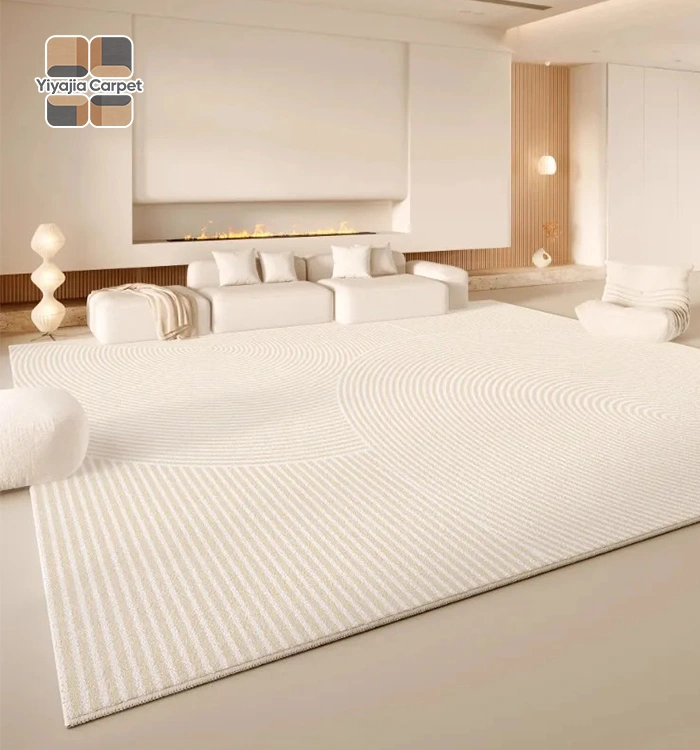
_1774494554973.webp)
Which entrance floor mats offer the best combination of durability and style for home entryways?
July 31, 2026


Best entrance floor mats are strong and nice to look at. Look for ones with high-density woven construction and surfaces that won't stain. Imitation cashmere is a soft and elegant material that is also strong thanks to its strengthened backing systems. Non-slip mats that are the right thickness ensure safety and last a long time, making them perfect for both home and business use. Using high-quality materials and careful design can help you make an entryway solution that protects floors, controls moisture, and looks good with the rest of the house.


Understanding the Core Requirements for Entrance Floor Mats in Home Entryways
Choosing the best entrance floor mat requires careful thought about a number of factors that are all connected. Durability is the most important thing to look at in a mat because it shows how well it can handle daily foot traffic, water, and dirt and debris wearing it down. The type of material used has a direct effect on how long something lasts. You can choose from natural fibres to advanced synthetic blends made for high-performance uses.
Material Strength and Resilience
Stresses in the environment have different effects on different materials. Mats with rubber backing are great at keeping wet away and grip surfaces very well. High-density fibres in carpeted entry mats trap dust and dirt well while giving your feet a soft, welcoming feel. Coir mats look nice on their own, but they might need to be replaced more often in areas with a lot of foot traffic. Vinyl choices are easy to clean and won't get damaged by the weather, so they can be used indoors or outdoors.
Cost-effectiveness is directly linked to durability. When buying managers look at large sales, how long each mat will last is a key part of figuring out the total cost. A mat that lasts three years instead of one lowers the number of times it needs to be replaced, the cost of labour, and the difficulty of keeping track of inventory. This fact of the economy affects how wholesalers, stores, and project-based buyers who serve the home market buy things.
Aesthetic Considerations and Design Trends
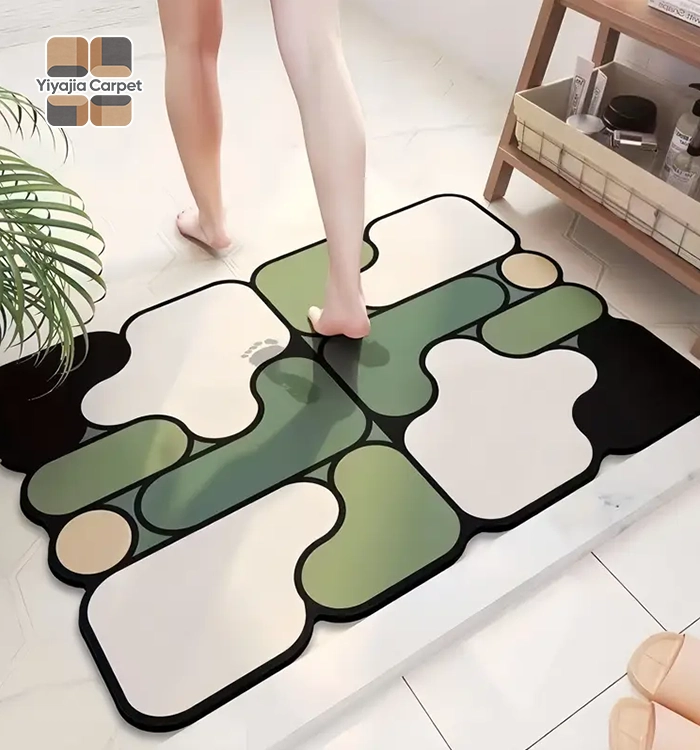
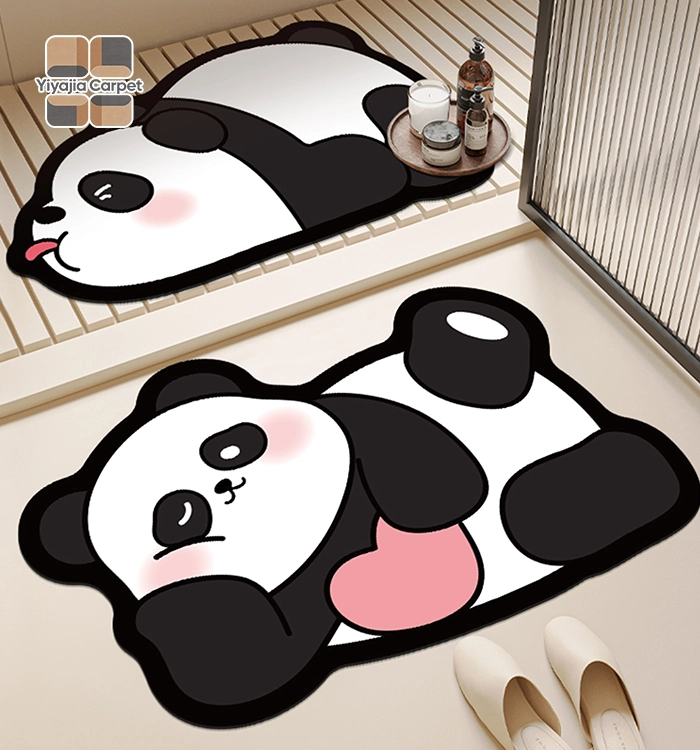
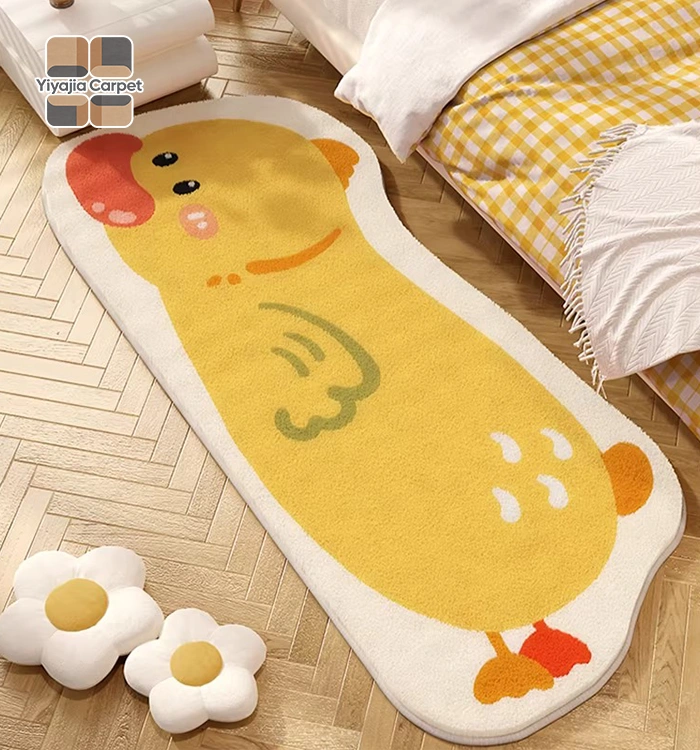
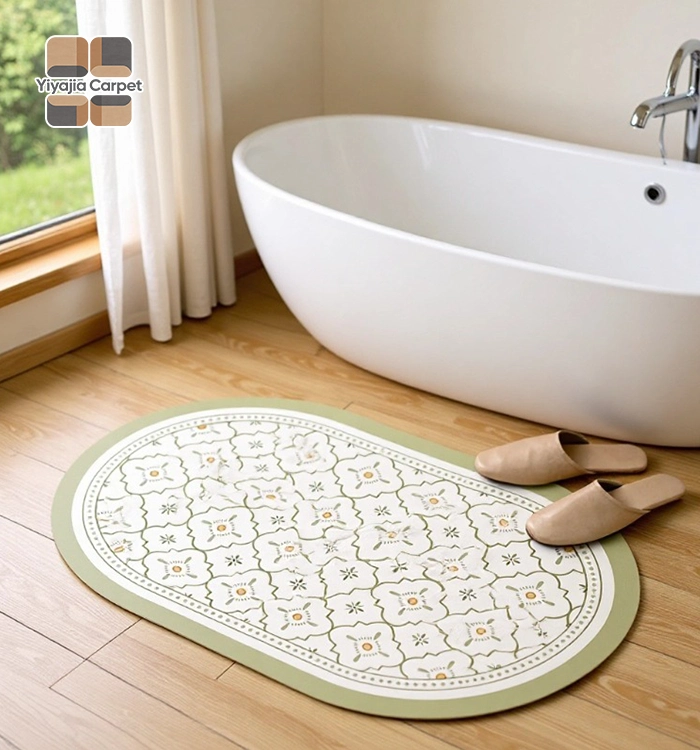
Today's buyers expect entrance mats to improve the look of their homes instead of taking away from it. Modern design styles value straight lines, colour schemes that go together, and patterns that look good with modern, traditional, and transitional home decor. Solid colors in neutral tones remain popular for their versatility, while custom printed designs allow for personalization that reflects brand identity or homeowner preferences. There has never been a better time to combine style and usefulness. High-definition heat transfer and other advanced manufacturing methods make it possible to make complex patterns without damaging the material. Precision laser cutting lets you make forms that are exactly the right size for each entrance, getting rid of gaps that aren't useful and look bad.
Exploring the Best Entrance Floor Mat Materials for Durability and Style
The choice of material is the most important part of how well the best entrance floor mat works. Each choice has its own benefits that make sense for different use cases and buyer priorities.
Imitation Cashmere: The Premium Synthetic Solution
Many picky buyers who don't want to give up either luxury feel or practical performance have turned to a Faux cashmere anti-slip floor mat for the entrance door as their favourite material. This type of polyester fibre feels like raw cashmere in terms of softness, but it lasts longer and is easier to clean. The high-density tufted structure doesn't get crushed even when it's being walked on all the time, so it looks good and works well for a lot longer than regular polyester options.
The surface treatment that makes it stain-resistant makes it more useful without lowering the quality of the touch. Spot cleaning is a quick way to get rid of spills and tracked-in dirt, making care easier for busy homes or businesses. Sunlight can fade colours, which is a common problem in entryways with glass doors or big windows. Color-locking technology stops colours from fading. Because of these qualities, imitation cashmere is very appealing to distributors who work with high-end home buildings and small business projects.
Comparative Analysis of Material Performance
When looking at materials to buy in bulk, there are a few performance metrics that need your attention. Wear resistance tells you how many times a mat can be walked on before it starts to look worn down. Imitation cashmere fabrics are usually very durable; some specifications allow them to be used continuously in moderate to high-traffic areas for three to five years.
Different materials have very different abilities to handle moisture. Mats with more than one layer, like those with a 5 mm sponge layer under the cloth on top, are better at absorbing and holding water than mats with only one layer. This keeps tracked-in moisture from getting to the floors inside, protecting your hardwood, tile, and carpet investments and making them less likely to slip. The amount of maintenance needed has a big effect on the total cost of ownership. Materials that need special cleaning or professional service on a regular basis add costs that eat away at the initial cost savings. Regular sweeping and occasional damp cloth cleaning are all that's needed to take care of imitation cashmere. This simple care routine keeps its look and function while minimising ongoing maintenance costs.
Backing Technology and Stability
Depending on the backing method, a mat will either stay in place or be hard to move around. Dotted plastic backing technology works great on a wide range of floor types, from smooth marble to rough tile. The raised dot pattern sticks to floors by friction and has a little give to it so it can handle small surface imperfections. This type of backing is different from smooth rubber or vinyl options that might slide on some surfaces or leave marks. The dot pattern also makes it easier for water to drain when it builds up, which keeps the mat from getting heavy and wet. This is especially important in places where it rains or snows at certain times of the year, because entrance mats always have to deal with water problems.
How to Choose the Perfect Entrance Floor Mat for Home Use: A Decision-Support Framework
A structured evaluation method that takes into account multiple stakeholder perspectives and performance criteria is helpful for procurement professionals who work with residential markets to pick the best entrance floor mat for your home.
Defining Usage Scenarios and Traffic Levels
Each entryway has its own needs based on the size of the household, how people live, and the environment they are exposed to. Single-family homes with two or three people living in them wear out differently than apartment buildings with multiple units or vacation rentals. Knowing these usage patterns helps match the mat's specs to its expected performance needs.
Sorting traffic levels into groups is a good place to start. Mats with less material and easier construction can be used in places with little foot traffic, like a secondary entrance that is only used sometimes. Balanced specifications that offer durability without high prices are best for areas with moderate traffic, like the main entrances of most families' homes. Strong construction is needed in places with a lot of foot traffic, like condo lobbys, home goods shops, and display homes in busy sales centers.
Evaluating Durability Metrics and Certifications
Quantifiable signs of longevity take the guesswork out of choosing what to buy. Pile height and weight specifications give us a first idea of how dense a construction is. If the pile height is 3 mm and the weight is 600 g/m², the density is moderate and good for everyday home use. If the pile height is 5 mm and the weight is 800 g/m², the density is higher and better for demanding applications.
Certification standards let performance claims be checked by a third party. OEKO-TEX certification proves that textiles are safe, letting buyers know that they meet strict requirements for testing for harmful substances. This is especially important when working with health-conscious customers or projects that have to follow strict environmental rules. REACH compliance shows that you follow European rules on chemical safety, which is very important for exporters who want to reach those markets. The EN 13501 flame retardancy grades take into account fire safety issues that come up in business projects and multifamily housing developments.
Customization Opportunities for Market Differentiation
With the ability to customise, stores and wholesalers can make unique products that deserve to be priced higher. Adding a logo to a standard mat turns it into a branded welcome statement for businesses or custom home builders. Size customisation makes sure that products fit perfectly in non-standard entryways, so products that don't fit right don't get in the way of the view. Customising colour and design is especially important. Giving designers and contractors colour choices that go well with certain interior design schemes makes it easier for them to definitely choose goods. Custom pattern printing lets you make changes for the seasons, events, or unique designs that set retail items apart from mass-market options.
Top-Rated Entrance Floor Mats of 2026 Combining Durability and Style
The current market shows how customer tastes are changing toward goods that offer measurable performance benefits without sacrificing looks. Today's most advanced best entrance floor mats have imitation cashmere surfaces made of multiple layers that are manufactured to last longer. Most of the time, these items have a top layer of plush polyester fibre that stays soft and doesn't mat or wear down. The middle layer of sponge, which is usually 5 mm thick, adds support that keeps your feet from getting tired. This is an important benefit that isn't always recognised in homes where people stand near the front door to put on their shoes or meet guests.
High-Performance Imitation Cashmere Mats
The backing layer uses dotted plastic technology that makes it both gripping and good for floors. With a total thickness of 6 mm, these mats make a strong impression without being trip risks or getting in the way of doorways. Specifications for weights between 600 and 800g/m² show that the material is dense enough to not shift while still being easy to clean and move around.
Material Comparison for Informed Selection
When you compare materials, you can see the trade-offs that affect your decision to buy. Rubber mats are great at withstanding harsh weather and scraping surfaces, but they might not look warm enough in home settings. While pure carpet constructions look better, they don't always do a better job of keeping moisture out than hybrid designs. Imitation cashmere is a middle ground that meets a lot of different needs at the same time. The material has the same level of style as natural fibre carpets, but it has the benefits of synthetic materials, like staying true to colour, not getting stained, and being easy to clean. People like the physical experience because they think of soft textures as high-quality and comfortable, which supports tactics that charge higher prices.
Pricing Considerations for Bulk Procurement
Understanding how prices work across different levels of quality helps you make smart decisions about your inventory. In order to keep prices low, economy models often skimp on density, backing quality, or finish treatments. These are good for people who are watching their budgets, but they may need to be replaced more often and have more customer service needs.
Better features come with premium options, like denser piles, more advanced surface treatments, better backing systems, and longer warranties. Even though premium goods cost more at first, they often have a lower total cost of ownership when you consider how long they last, how little upkeep they need, and how few complaints they get from customers. Distributors who work with quality-conscious stores or business project specifiers find that premium positioning fits with how they want to sell their products.
Maintenance and Performance Optimization of Entrance Floor Mats
Maintaining the best entrance floor mat's functionality and appearance requires simple, regular care. Knowing how to do maintenance helps sellers show end customers the value while also setting reasonable standards for performance.
Material-Specific Cleaning Protocols
Regular vacuuming with common household items works well on imitation cashmere surfaces. The high-density construction keeps fibres from coming loose during suction, so the structure stays strong even after many cleaning cycles. Spot cleaning works well for small areas of soiling—a damp cloth with mild detergent can get rid of most common stains without the help of a professional. Heavy soiling situations may benefit from deeper cleaning methods may be better. Some mat styles can be washed in a machine or cleaned by an expert carpet cleaner, but buyers should check the mat's specs before suggesting harsh cleaning methods. The dotted plastic backing usually doesn't break down when it comes in contact with water, so it can be cleaned thoroughly when needed.
Safety Features and Liability Considerations
Anti-slip qualities have a direct effect on user safety and the amount of responsibility that comes with it. If entrance mats move around when you walk on them or don't keep water in, you could slip and fall, which could lead to injury claims and problems for property managers. These risks are greatly reduced by using good mats with good backing systems and enough moisture-holding capacity. When you buy good door mats, you get more than just a good return on investment. Property managers and homeowners know that good entry systems protect expensive interior flooring by collecting rough particles before they spread through living spaces. This safe feature makes expensive hardwood, tile, and carpet setups last longer, giving you returns that are much higher than the cost of the mat itself.
Long-Term Performance Tracking
Setting performance benchmarks lets you make replacement decisions based on data. Visual inspection shows that the piles are being crushed, the edges are fraying, or the backing is breaking down, all of which are signs of less effectiveness. Functional assessment, which checks for slip resistance, wetness retention, and dirt capture, tells you when mats aren't protecting you as they should. Deferred repair costs add up over time, but proactive replacement plans stop this from happening. If you wait until the mats are completely worn out, they won't protect you for long periods of time, which speeds up the wear on the floors inside and makes it more likely that someone will slip. Systematic replacement based on condition assessment makes the best use of overall facility maintenance budgets while keeping protection standards the same.
Conclusion
If you want to find the best entrance floor mats that look good and last a long time, you need to pay attention to the material quality, building details, and application needs. Imitation cashmere mats that are made of multiple layers, have non-slip backing, and are treated to not stain are currently the best on the market. They meet the needs of both home comfort and business sturdiness. It's helpful for procurement workers who work with wholesalers, dealers, and project-based buyers to know how certification standards, customisation options, and upkeep needs affect the total cost of ownership. By putting quality standards and reliable supplier relationships at the top of your list, you can make sure that your inventory meets changing market expectations while still keeping your margins healthy and your customers happy.
FAQ
Q1: What thickness provides optimal performance for residential entryways?
A: Find exact grades or certifications for the coefficient of friction that come from outside testing groups. Dotted plastic backing systems work well on most types of floors and provide a good grip. Before buying in bulk, you can make sure that the flooring is compatible by testing samples in your unique flooring environment.
Q2: How do I verify anti-slip performance claims?
A: OEKO-TEX certification proves that textiles are safe for people who care about their health. ISO 9001 means that the quality of the products is always the same. REACH compliance is important for selling to people in Europe, and flame retardancy ratings are important for commercial or multifamily residential projects.
Q3: What certifications matter most for residential mat specifications?
A: Precision laser cutting and other advanced manufacturing technologies make it possible to match exact sizes in spaces that aren't standard. Custom sizing gets rid of gaps that make things less useful and less appealing, and it gives you better positioning than standard sizes.
Q4: Can entrance mats accommodate custom dimensions for unique entryways?
A: Yiyajia Carpet specialises in providing high-performance entrance mats that meet the needs of distributors, retailers, and project managers working with residential markets in terms of both looks and durability. Our collection of imitation cashmere mats is made with high-density knitted construction, multi-layer cushions, and dotted plastic backing that is designed to work well in a wide range of situations. We follow strict 100% pre-shipment inspection processes that are backed by CE, OEKO-TEX, ISO 9001, REACH, and EN 13501 standards. This makes it easier for you to check that we are following the rules.
Partner with Yiyajia Carpet for Your Best Entrance Floor Mat Supply Needs
Our open OEM and ODM options allow for unique sizes, printing patterns, and adding logos that make your products stand out in the market to ensure you have the best entrance floor mats. We understand that your procurement cycles are very tight, which is why we finish samples within 24 to 48 hours and ship bulk orders within seven days. Export-standard packaging and full logistics support make sure that your inventory gets to you ready to be sent out right away. Get in touch with us at sale@yyj-carpet.com to talk about how our best entrance floor mat manufacturer services can help you grow and improve your product line.
References
1. Anderson, M. (2023). "Material Science in Modern Floor Covering: Performance Metrics and Selection Criteria." Journal of Interior Architecture and Design, 48(3), 112-129.
2. Chen, L. & Roberts, P. (2024). "Sustainable Textile Solutions for Commercial and Residential Applications." International Textile Review, 76(1), 45-61.
3. European Floor Covering Standards Committee. (2023). "Technical Specifications for Safety and Durability in Entrance Matting Systems." Brussels: EFCSC Publications.
4. Morrison, K. (2023). "Total Cost Analysis in Facility Management: The Economics of Preventive Maintenance." Property Management Quarterly, 31(4), 203-218.
5. National Safety Council. (2024). "Slip, Trip and Fall Prevention: The Role of Entrance Systems in Reducing Workplace Injuries." Itasca: NSC Press.
6. Williams, T. & Zhang, H. (2023). "Innovations in Polymer Backing Technologies for Textile Floor Coverings." Materials Engineering Today, 19(2), 88-104.