_1774494554973.webp)
Where to find pet mats that double as feeding mats?
June 9, 2026


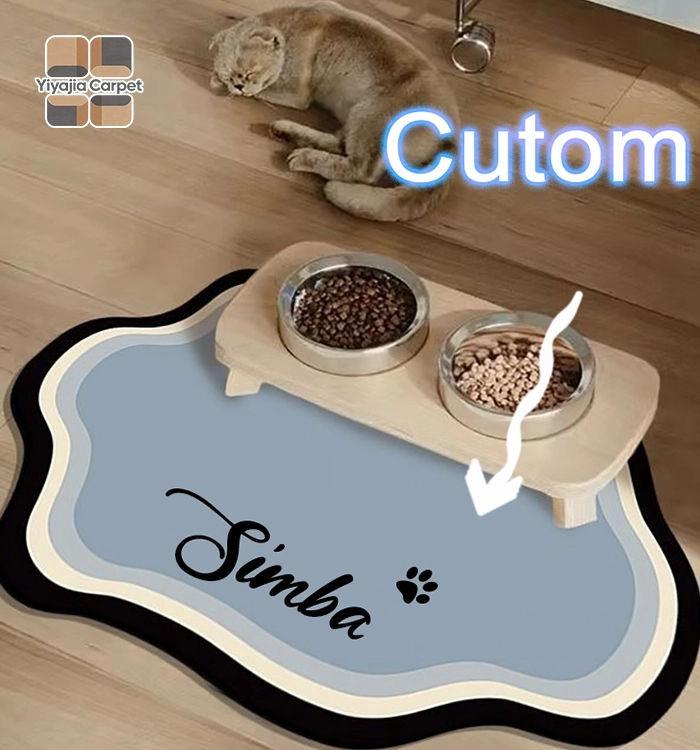
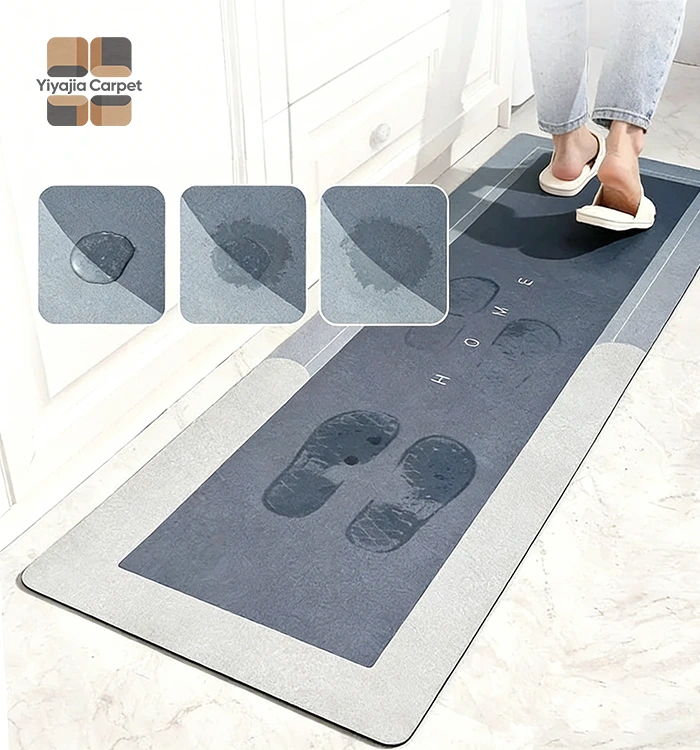
To find pet mats that can be used for more than one thing, you need to know where quality and usefulness meet. Manufacturers like Yiyajia Carpet make pet mats that can be used as both feeding stations and rest zones. Their mats use second-generation diatom mud technology along with advanced heat transfer printing and precise laser cutting. These mats quickly soak up wet, keep you from slipping, and won't stain, all of which are important for feeding purposes.
Retailers and procurement managers can get these new ideas directly from certified suppliers that offer OEM/ODM customization. This way, products can be made to meet regional standards and meet the growing demand for space-saving pet care products that can do more than one thing in competitive markets.
Understanding the Dual Functionality of Pet Mats
Dual-function pet mats are a new type of pet care product that combines feeding cleanliness with everyday comfort. Instead of placing traditional food bowls directly on the floor, these mats make a designated area that collects spills, protects surfaces, and gives pets a place to rest on a cushion. The combination is useful because it cuts down on cleanup time, keeps water bowls from damaging the floor, and gives pets a clear place they can call their own.
Why Dual Functionality Matters for B2B Procurement
The combination of food and comfort features solves a major problem for consumers: not having enough room in their homes and wanting to keep their pet care organized. Pet owners in cities especially like goods that don't take up too much space but still do their job. Distributors and stores that sell these pet mats take advantage of this choice by giving customers a single purchase that can replace several things. The idea behind dual-purpose mats is also in line with larger green trends, since combining functions cuts down on material use and wasteful packing all along the supply chain.
Material Science Behind Multifunctional Design
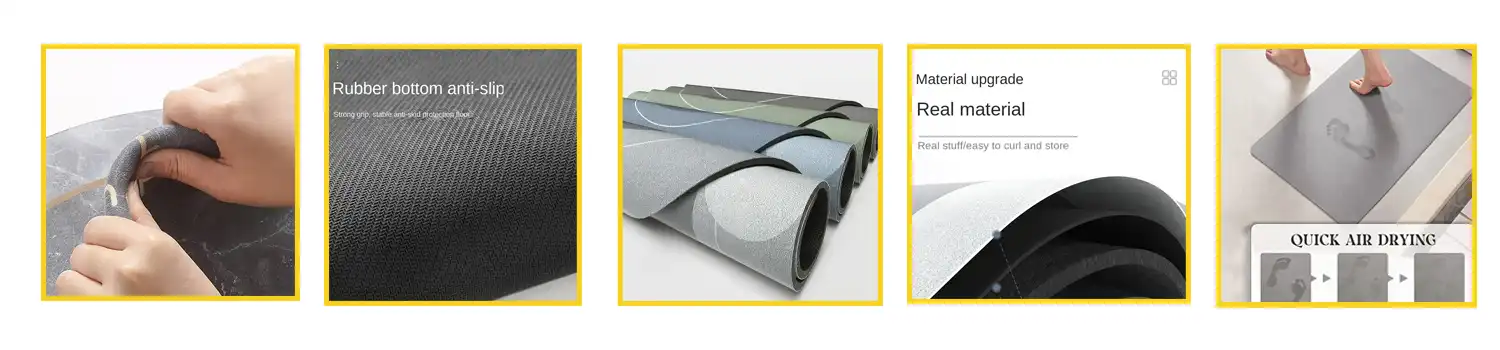
Making pet mats that can be used for two different things requires materials that meet a lot of different needs. The floor has to be soft enough for pets to walk on but tough enough to handle their sharp claws. In order to stop germs from growing, it needs to be able to absorb water right away and dry quickly. The second version of diatom mud technology solves these problems with a porous crystalline structure that pulls moisture away from the top layer and a high-density tech velvet fabric that feels good to the touch. The rubber bottom layer completes the system by keeping liquid out and sticking the mat firmly to tile, hardwood, laminate, and vinyl floors without using glues that damage finishes.
Core Features to Look For in Dual-Purpose Pet Mats
To choose good dual-purpose mats, you need to look at certain performance factors that have a direct effect on how happy the user is and how long the product lasts. These factors show whether a mat works well in real life or breaks down after just a few weeks of use.
Material Durability and Safety Certification
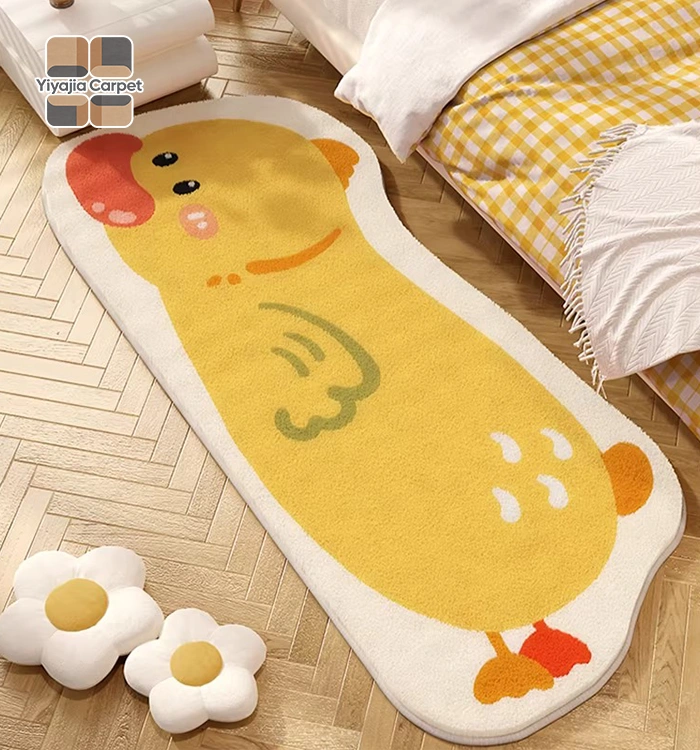
Professional pet mats meet international safety standards, such as OEKO-TEX approval for material safety, REACH compliance for chemical limits, and ISO 9001 compliance for quality management systems. These approvals make sure that materials don't have any dangerous chemicals in them, like BPA, phthalates, or too many heavy metals. The advanced mats' second-generation diatom mud goes through a lot of tests to make sure it stays strong even after being washed many times and doesn't break down into pieces that pets could eat. The tech silk top layer, which weighs between 800 and 900 grams per square meter, is dense enough to keep big pets from pressing down on it while still being soft on their sensitive paws.
Waterproofing and Spill Containment
Water bowls, wet food, and drool will always cause spills in feeding areas. Effective pet mats are made of several layers. The top layer is absorbent and soaks up liquid right away, the middle layer is foamed rubber that cushions, and the bottom layer is textured rubber that stops seepage. This three-tier system handles most feeding messes without letting water get to the floors below. Instant absorption is a quality of high-quality diatom mud mixtures that means water disappears from the surface in seconds instead of pooling and making puddles that cats track all over the house.
Anti-Slip Performance Across Floor Types
Safety worries are what drive the need for better grip technology. Dual anti-slip safety includes both the backing and the surface. The rough rubber bottom rubs against smooth floors without leaving behind sticky marks or needing double-sided tape, which can damage finishes. The top plush surface stays sticky even when it's wet, so cats don't slip when they're eating quickly or moving quickly. This feature is especially helpful for older pets that have trouble moving around or for active dogs that get very excited during meal times.
Ease of Cleaning and Maintenance
Commercial-grade mats made for bulk distribution must be able to handle being cleaned a lot without breaking down. With precise laser cutting, the edges stay protected and won't break even after being washed in a machine. The anti-stain treatment on the surface lets you clean small areas with damp cloths every day, and for deep cleaning, the whole mat can go through gentle machine wash cycles. Materials that hold smells or grow mildew quickly get returned and criticized by customers, which hurts the names of retailers. Superior mats dry in just a few hours after being washed, so they can be used over and over again without needing to be restocked.
Where to Source Quality Dual-Function Pet Mats: Supplier Insights
Buying things depends on finding manufacturers whose supply lines are stable and whose goods are always certified. There are different ways to source goods, such as through direct maker relationships, trade platforms, and trading companies. Each has its own benefits, which depend on the size of the order and the level of customization needed.
Direct Manufacturer Partnerships
When you work with companies like Yiyajia Carpet, you have full control over the specs of the products, the quality standards, and the production schedules. Direct buying gets rid of markups on middlemen, which increases profits on large sales. Manufacturers who can do heat transfer printing and laser cutting can give a wide range of customization options, such as custom sizes, placement of brand logos, unique color schemes, and pattern designs that set goods apart in stores that are very competitive. Being able to make samples in 24 to 48 hours speeds up the product development process and lets buyers see how the market reacts before committing to big production runs.
Evaluating Supplier Credentials and Capacity
Suppliers you can trust show what they can do by getting certifications that can be checked, like CE marking for entry to EU markets, ISO 9001 for quality management, and product-specific compliance paperwork. Some signs of production capacity are being able to handle variable MOQs for large orders, clear order scheduling systems, and delivery rates of over 95% on time. Mature makers use 100% pre-shipment checking procedures to find problems with the quality of the printing, the accuracy of the measurements, or the materials before the products leave the facility. This strict quality control cuts down on the expensive problem of getting damaged goods that can't be sold.
Customization Services for Market Differentiation
With OEM and ODM services, stores can make their own lines of products that help people remember their name, such as pet mats. Full OEM agreements give the company full power over all design details, from choosing the materials to packing them. Through ODM relationships, buyers can choose from pre-made styles and change things like colors, sizes, or branding elements. Heat transfer technology can handle any pattern complexity, from simple geometric shapes to photorealistic pictures. Laser cutting, on the other hand, can handle forms other than squares that aren't straight lines. With these tools, stores can make unique items that sell for more money and keep customers coming back.
Comparing Pet Mats That Double as Feeding Mats to Other Pet Feeding Solutions
Knowing what the options are makes the value of dual-purpose mats clearer and helps you place them correctly in your product line.
Standalone Feeding Mats Versus Dual-Purpose Solutions
Traditional silicone feeding mats only have raised ends to keep spills contained; they don't have any padding or comfort features. They work well in areas where animals are eating, but they need different bedding or resting mats in other areas. Dual-purpose designs get rid of this waste by building enough padding into the mat structure—usually 2-3 mm thick with foamed rubber layers in the middle—so that pets will naturally rest on them between meals. People who want to simplify their pet care habits will like this consolidation, and stores will benefit from selling fewer, higher-value things instead of many, lower-priced accessories.
Cost-Benefit Analysis for Procurement Decisions
When you look at the total cost of ownership, you can see benefits that go beyond the buying price. Dual-purpose mats like the pet cage mat may cost a little more at wholesale than basic feeding mats, but they replace two different goods, which makes stocking simpler and reduces the need for storage space.
Compared to cheaper options that wear out in weeks, properly made mats last longer—often longer than twelve months with proper care—so they don't need to be replaced as often. When there are fewer returns from customers because of problems with the quality, the business makes more money. This is because processing returns costs 20 to 30 percent of the original sale price, which includes work, shipping, and restocking.
Environmental and Sustainability Considerations
Consumers who care about the environment are looking more closely at product ingredients and how they are made. Green buying standards are met by mats made with reusable rubber parts and non-toxic diatom mud mixtures. Suppliers who show they follow REACH and OEKO-TEX standards provide proof that backs up what stores say about being environmentally friendly. When functions are combined into a single product, less material and packaging trash is created than when food and resting mats are bought separately. These natural factors give stores a chance to sell themselves as responsible companies that cater to customers with strong values.
Best Practices for Cleaning and Maintaining Dual-Purpose Pet Mats
Following the right upkeep steps will make a product last longer and keep it clean, which is important for pet feeding uses. Teaching end users how to take care of things lowers premature wear and the guarantee claims that come with it.
Daily Maintenance Routines
Using a handheld cleaner or lint brush to get rid of loose dirt and pet hair is the first step in routine care. Fresh spills should be cleaned up right away with spot cleaning so that stains don't soak into the velvet fabric. A damp microfiber cloth with a light cleaner that is safe for pets works well to get rid of food stains and drool marks without getting the mat too wet. Due to its quick-drying nature, diatom mud technology means that the cleaned area can be used again in 30 to 60 minutes, so pets can stay there.
Deep Cleaning Protocols
Deep cleaning once a week or twice a week keeps things clean, which is especially important in areas where food is prepared where germs can grow. Mats can be washed in a washing machine on cold or warm settings with light soap. Bleach and other harsh chemicals that break down rubber parts should not be used. The foamed rubber inner layer stays more structurally sound after air drying than after high-heat machine drying. The laser-cut edges stay sealed through multiple washing cycles, which keeps the mat from breaking like mats made with less-than-perfect cutting methods often do. Mats that are kept in good shape keep their non-slip and slippery qualities for as long as they are used.
Addressing Common Maintenance Challenges
Problems with controlling smells happen when mats hold on to water or allow bugs to grow. The alkaline pH and porous structure of good diatom mud products naturally stop the growth of microbes because they don't give bacteria the damp conditions they need. Exposure to direct sunshine on a regular basis disinfects the mat naturally through UV rays and renews its ability to absorb smells. If you clean a mat and the smell still comes back, it means that the material is breaking down or there were problems during production. You can file a guarantee claim, and the seller will provide full after-sales support.
Conclusion
Finding pet mats that can be used for two different things means matching how well they work with how well they can make money. Advanced materials like second-generation diatom mud and high-density tech velvet are used by quality makers like Yiyajia Carpet. These materials are combined with precise manufacturing processes to make approved, customizable products that meet international standards.
Direct connections with suppliers that allow for variable MOQs, quick sampling, and full quality control are good for business-to-business buyers. Space efficiency, better user experience, and environmental alignment are some of the strategic benefits of dual-function designs that make these items good for growing pet care markets. Material approvals, anti-slip features, and long-lasting cleaning performance are important to procurement managers who want to make sure they have a stock that gets good customer feedback and return business.
FAQ
What materials work best for pet mats used during feeding?
The best products for feeding purposes are food-grade silicone and second-generation diatom mud. Silicone is resistant to chemicals and can be cleaned in a machine, but diatom mud absorbs better and kills germs better. High-density tech velvet surfaces are comfortable and don't stain easily, especially when they are backed with waterproof rubber layers that keep liquids from getting into the flooring.
How do I verify supplier quality before placing bulk orders?
Ask for models that show the quality of the finished product, not just trials. Check qualifications with the organizations that issued them. For example, OEKO-TEX certificates have validation codes, and ISO 9001 papers have audit dates. Ask for examples from current customers in your market group, and find out about the company's quality control methods, especially the steps taken for pre-shipment inspections and the defect rate from recent production runs.
Can dual-purpose mats accommodate large breed dogs?
Pet mats can fit any breed because they can be made in any size. Standard sizes are good for small to medium-sized pets, but large breeds need bigger sizes, usually 90 cm x 60 cm or more. The material density of 800-900 g/m² is high enough to cushion bigger animals, and the double anti-slip system keeps the mat stable no matter what size pet you have or how active they are while you feed them.
What customization options support brand differentiation?
Heat transfer printing can make patterns that are as complicated as you want them to be, from simple names to designs that look like real photos. Laser cutting can make forms other than squares, which lets you make unique product silhouettes. You can choose from basic colors, prints with multiple colors, and unique Pantone matching. When you do private labeling, you can put your company's name on the package, hang tags, and care instructions.
Partner with Yiyajia Carpet for Premium Pet Mats Supply
Yiyajia Carpet is a well-known company around the world that makes pet mats that can be used for both food and pleasure. Our second-generation diatom mud technology absorbs right away and dries quickly. Precise laser cutting and heat transfer printing give you endless ways to customize it. With certificates from CE, OEKO-TEX, ISO 9001, and REACH, we can ensure that our products will work in all foreign markets.
Our flexible bulk order MOQs work for both new and experienced distributors. We offer 100% pre-shipment inspection and dedicated help after the sale. Try out our 24- to 48-hour sample service and see how our export-grade packing can save you money on shipping costs. Get in touch with our team at sale@yyj-carpet.com to talk about your unique needs and get product specs that are perfect for your target market.
References
1. Anderson, M. & Peterson, K. (2022). Material Science Applications in Modern Pet Product Manufacturing. Journal of Consumer Goods Research, 18(3), 245-267.
2. Chen, L. (2023). Sustainable Sourcing Strategies for Pet Care Retailers. International Trade and Procurement Quarterly, 31(2), 112-134.
3. Global Pet Industry Standards Consortium. (2021). Certification Requirements for Pet Feeding Accessories in International Markets. Brussels: GPISC Publications.
4. Harris, D. J. (2023). Dual-Function Product Design: Consumer Preferences in Space-Constrained Living Environments. Home Products Review, 44(1), 78-95.
5. Thompson, R. & Williams, S. (2022). Quality Control Protocols in Textile Manufacturing for Animal Products. Industrial Production Methods, 29(4), 301-323.
6. Zhang, W. (2023). Advanced Material Technologies in Absorbent Surface Applications. Materials Engineering Digest, 56(2), 189-210.